Quick Facts
- Target Strains: The 2024-2025 formulas specifically target the KP.2 variant of the JN.1 lineage.
- Authorized Vaccines: Pfizer-BioNTech (Comirnaty) and Moderna (Spikevax) are the approved mRNA monovalent formulas.
- Recommended For: Everyone aged 6 months and older is eligible for the updated shot.
- Timing: Optimal protection is achieved by getting vaccinated in the fall, aligning with peak seasonal immunization.
- Key Protection: Recent data indicates a 41.3% to 46.1% reduction in the risk of severe hospitalization.
The updated 2024-2025 COVID-19 vaccines are recommended for everyone aged 6 months and older. The mRNA formulas, Comirnaty and Spikevax, specifically target the KP.2 strain of the JN.1 lineage to provide better protection against currently circulating variants like KP.3.1.1. These updated shots aim to reduce the risk of severe illness, hospitalization, and death during the respiratory virus season.
The Shift to Seasonal Shots: Understanding the 2024-2025 Strain Change
For many of us, the way we talk about COVID-19 immunization is changing. We are moving away from the terminology of boosters and moving toward a model much like the annual flu shot. This shift reflects the SARS-CoV-2 evolution and the need for a seasonal immunization strategy. As the virus continues to change, our immune systems need an updated map to recognize the newest versions of the virus.
On August 22, 2024, the U.S. Food and Drug Administration approved and granted emergency use authorization for updated mRNA COVID-19 vaccines from Moderna and Pfizer-BioNTech formulated for the 2024-2025 season. This decision was based on the need to match the current viral circulation. While previous versions targeted older strains, the updated 2024-2025 mRNA COVID-19 vaccines include a monovalent component that targets the Omicron KP.2 strain of SARS-CoV-2.
The move to a monovalent formula—meaning it focuses on one specific strain rather than several older ones—is a calculated move by health officials. By focusing on the KP.2 variant, the vaccine provides a more robust and specific immune response against the family of variants that are dominant right now. Following public health guidance, this approach ensures that the antibodies your body produces are as relevant as possible to the threats currently in the air.
Choosing Your Shot: mRNA (Pfizer/Moderna) vs. Protein-Based (Novavax)
When you head to the pharmacy or your doctor's office this season, you will likely have a few choices. Most people will receive one of the two mRNA options: Comirnaty (produced by Pfizer) or Spikevax (produced by Moderna). Both have been updated to target the KP.2 variant directly.
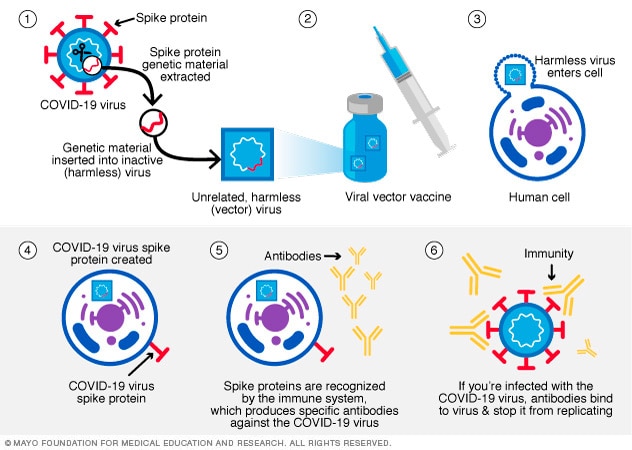
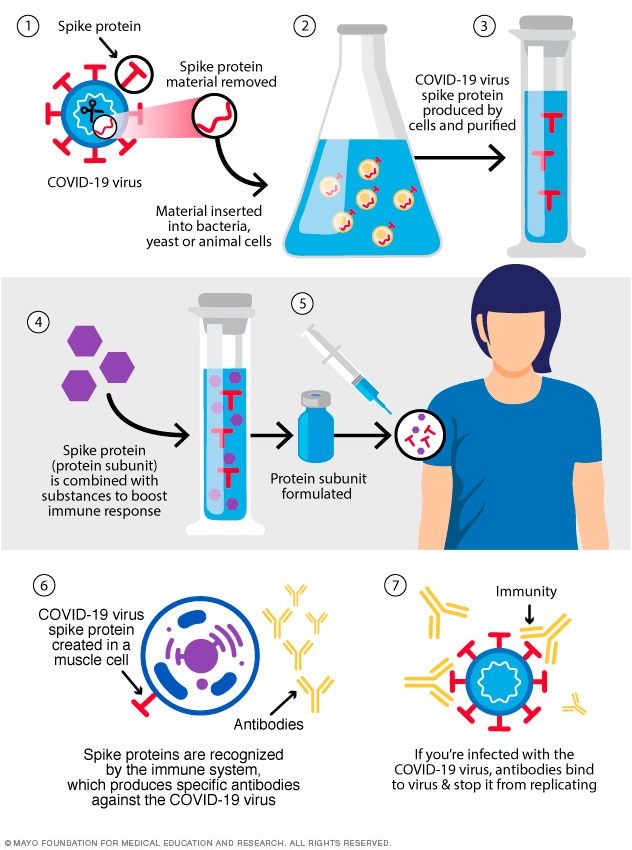
However, there is also a protein-based option available from Novavax. While the mRNA vaccines work by giving your cells instructions to make a piece of the virus's spike protein, protein-based vaccines like Novavax deliver the protein itself. This is a more traditional vaccine technology that some patients prefer. It is important to note that while mRNA vaccines target the KP.2 variant, the Novavax version targets the parent JN.1 lineage. Both types are expected to provide strong cross-protection against the variants we are seeing today.
| Feature | Pfizer-BioNTech (Comirnaty) | Moderna (Spikevax) | Novavax |
|---|---|---|---|
| Technology | mRNA | mRNA | Protein-based |
| Target Strain | KP.2 variant | KP.2 variant | JN.1 lineage |
| FDA Status | Approved/Authorized | Approved/Authorized | Authorized |
| Age Range | 6 months and older | 6 months and older | 12 years and older |
Choosing between mRNA and protein-based COVID vaccines 2024-2025 often comes down to personal preference or availability. Both are highly effective at preventing the worst outcomes of the virus. If you have had a specific reaction to one type in the past, or if you simply prefer the traditional mechanism of a protein subunit vaccine, Novavax remains a vital alternative in the public health toolkit.
Dosing and Timing: When Should You Get Your 2024-2025 Shot?
Determining the COVID-19 vaccine timing 2024-2025 depends on a few personal factors, including your age, your health status, and when you were last sick. The general updated COVID-19 vaccine eligibility allows everyone 6 months and older to receive at least one dose of the updated 2024-2025 COVID vaccine, regardless of whether they have been vaccinated before.
For most people, the goal is to get vaccinated before the respiratory virus season hits its peak, which usually happens in late autumn and winter. If you haven't had a shot in a while, health officials recommend waiting at least two months since your last dose before getting the updated version.
There are specific considerations for certain groups:
- High-Risk Adults: There is expanded updated COVID-19 vaccine eligibility for high-risk adults, including those over 65. They may be eligible for additional doses later in the season to maintain high levels of protection.
- Immunocompromised individuals: People with weakened immune systems have the option to receive additional doses to ensure their body builds an adequate defense.
- Recent Infection: If you recently had a bout with the virus, how long to wait for COVID vaccine after infection 2024-2025 is a common question. Experts suggest you may consider waiting about three months after your infection. This delay can help maximize the immune response, as your natural antibodies are already high immediately after recovery.
Effectiveness: Protection Against KP.3.1.1 and Severe Illness
The primary goal of the 2024-2025 COVID vaccine is not necessarily to stop every sniffle, but to keep people out of the hospital. The virus is in a state of constant SARS-CoV-2 evolution, with new subvariants like KP.3.1.1 becoming dominant. KP.3.1.1 is closely related to the KP.2 strain included in the vaccine, meaning the updated shots are well-positioned to offer cross-protection.
Recent clinical data highlights why these updates matter. Studies have shown that staying current with vaccinations provides 41.3% protection against emergency department visits and 46.1% protection against hospitalization. In an environment where viral circulation remains high, these percentages represent thousands of avoided hospital stays.
Key Takeaway: The mRNA vaccine effectiveness against KP.3.1.1 variant remains high because the vaccine targets the structural foundation of the current variant family. By reducing the risk of severe illness by nearly half, the vaccine remains the most effective tool for preventing long-term complications and death.
Side Effects and Co-administration: Flu and COVID Duo
It is perfectly normal to experience some common side effects of the 2024-2025 mRNA vaccine. Most people report symptoms similar to previous versions, such as fatigue, a mild headache, or soreness at the injection site. These are signs that your immune system is "going to school" and learning how to fight the virus. These symptoms typically resolve within 24 to 48 hours.
To make things easier during the busy autumn months, health officials have confirmed that co-administering 2024-2025 COVID and flu shots is safe. You can receive both vaccines during the same appointment, usually one in each arm. There is no evidence that getting them together reduces the effectiveness of either shot or increases the severity of side effects. For many, this "one-and-done" approach is the most convenient way to prepare for the upcoming respiratory virus season.
FAQ
When will the 2024-2025 COVID vaccine be available?
The vaccines became available at pharmacies, clinics, and doctor's offices across the United States shortly after the FDA authorization in late August 2024. Most locations have them in stock and ready for distribution as of September 2024.
Who should get the 2024-2025 COVID vaccine?
The CDC and FDA recommend the updated shot for everyone 6 months of age and older. It is especially important for those at higher risk of severe disease, including older adults, pregnant individuals, and those with underlying medical conditions.
What variants does the 2024-2025 COVID vaccine target?
The updated mRNA vaccines specifically target the KP.2 variant. This strain is part of the JN.1 lineage. Because the currently dominant variants like KP.3.1.1 are very similar to KP.2, the vaccine provides effective cross-protection.
Can I get the 2024-2025 COVID vaccine and flu shot together?
Yes, you can safely receive both vaccines at the same time. Co-administration is recommended by health experts as a convenient way to ensure you are protected against both major respiratory threats before the winter surge.
How long should I wait after having COVID to get the new vaccine?
While you can get the vaccine as soon as you have recovered and finished your isolation period, you may choose to wait about three months. This timing can help boost your immune system's long-term memory, as a recent infection provides some temporary natural immunity.