Quick Facts
- Primary Nutrients: Yellow peaches are defined by their high beta-carotene content, while white peaches offer a unique profile of phenolic compounds.
- Caloric Value: Both varieties are exceptionally light, typically providing the same amount of white peach vs yellow peach calories at roughly 60 units for a medium fruit.
- Acidity Differences: The hallmark of white peach vs yellow peach taste is the acidity; white peaches have significantly lower acidity levels, making them taste sweeter.
- Culinary Best Use: Yellow varieties are the gold standard for baking due to their firm structure, whereas white varieties excel in raw, fresh applications.
- Fiber Content: You can expect around 2 grams of dietary fiber per 100 grams of fruit regardless of the flesh color, aiding in long-term cardiovascular and digestive health.
- Digestive Health: Both stone fruit types have a low glycemic index, making them a safe and nutritious choice for managing blood sugar levels throughout the day.
- Vitamin C Support: A single serving can meet nearly a fifth of your daily requirement for vitamin C, regardless of which color you prefer.
The main nutritional difference between white peach vs yellow peach lies in their antioxidant profiles. Yellow peaches are higher in beta-carotene and carotenoids, which the body converts to vitamin A, while white peaches contain specific phenolic compounds like cyanidin-3-glucoside in their skin. Both varieties are low-calorie stone fruits that provide roughly 2 grams of dietary fiber per 100 grams, aiding in digestion and heart health.
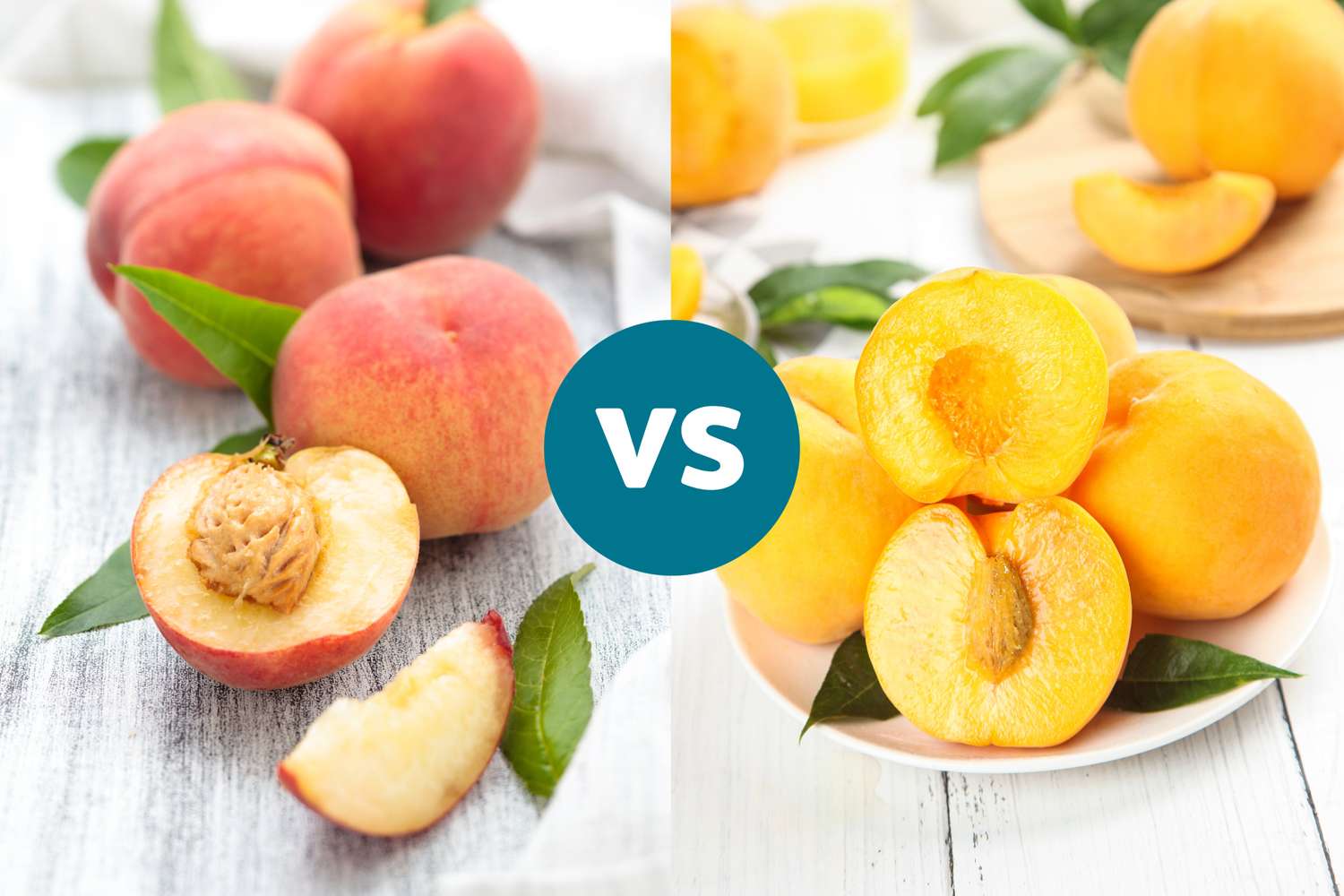
As we transition into the peak of summer, my clients often ask which stone fruit belongs in their grocery cart. The debate of white peach vs yellow peach is a classic one, often centered on flavor preferences. However, as a nutritionist, I look past the sweetness to the cellular composition of these fruits. Whether you are browsing a local farmers market or your neighborhood supermarket, understanding the science behind Prunus persica can help you better align your fruit intake with your specific health goals.
Nutritional Breakdown: Vitamin A vs. Antioxidants
When we analyze white or yellow peaches for their health benefits, we are essentially looking at a spectrum of phytochemicals. The most visible difference—the color of the flesh—is caused by pigments that act as specialized antioxidants in the body. If you are specifically looking for yellow peach benefits for skin, you should know that the vibrant orange pigment is a sign of high carotenoid content.
Yellow peaches contain nearly double the carotenoids of their white-fleshed counterparts. These compounds, specifically beta-carotene, are precursors to vitamin A. This is crucial for maintaining a healthy immune system and supporting vision. According to clinical data, a standard raw medium peach weighing approximately 147 grams provides about 15% to 17% of the daily recommended value for vitamin C and 6% to 10% of the daily value for vitamin A.
| Nutrient (per 147g) | Yellow Peach | White Peach |
|---|---|---|
| Vitamin A (DV%) | 8-10% | 4-6% |
| Vitamin C (DV%) | 17% | 15% |
| Fiber | 2.2g | 2.2g |
| Sugars | ~13g | ~13g |
| Acidity | High | Low |
While the yellow variety wins the vitamin A category, white peaches have their own unique strengths. Nutritional research indicates that while yellow peaches contain higher amounts of total carotenoids and vitamin A, white-flesh varieties typically present a higher average antioxidant value. This is largely due to the presence of specific anthocyanins and phenolic compounds like chlorogenic acid. These antioxidants are masters at neutralizing free radicals and may offer protection against chronic inflammation.
When patients ask are white or yellow peaches healthier, my answer is usually that they both offer distinct benefits. Yellow peaches are excellent for retinol support, while white peaches might offer a slight edge in total antioxidant capacity. For the best result, I recommend rotating both into your diet to ensure a diverse intake of nutrients.
The Science of Taste: Sweetness and Acidity
There is a common misconception that white peaches are higher in sugar because they taste much sweeter. However, when we look at the actual white peach vs yellow peach nutrition facts, the total sugar content—mostly comprised of sucrose—is remarkably similar across both types. The perceived sweetness is actually a matter of chemistry involving the sugar-to-acid ratio, technically known as the SSC/TA ratio.
White peaches are generally less acidic than yellow varieties, featuring an average acidity level of approximately 8.22 grams of malic acid per liter. Because there is less malic acid to provide a tart contrast, the natural sugars in white peaches hit the palate more directly. This makes the white peach vs yellow peach taste profile lean heavily toward floral, honey-like sweetness.
In contrast, yellow peaches have a higher acid content. This creates that classic, tangy "peachiness" that many of us grew up with. This acidity isn't just a flavor component; it also helps the fruit retain its structural integrity during digestion. For individuals with sensitive stomachs who experience discomfort from acidic fruits, the white variety can be a much gentler option.
Both varieties maintain a low glycemic index, meaning the natural sugars are released slowly into the bloodstream. This is further supported by the dietary fiber found in both the flesh and the skin. Fiber acts as a biological brake for sugar absorption, making either choice a smart snack for sustained energy.
Practical Uses: Baking vs. Raw Consumption
From a culinary perspective, your choice of peach can make or break a recipe. As a meal planner, I advocate for using the right tool for the job. Yellow peaches are the workhorses of the kitchen. Their higher acidity and firmer flesh mean they hold up exceptionally well under heat. If you are making a cobbler, pie, or preserve, the yellow peach will keep its shape and provide a balanced flavor that isn't overpowered by added crust or sugar.
White peaches, on the other hand, are quite delicate. They possess a softer texture and tend to bruise more easily during handling. These qualities make them the perfect candidate for raw consumption. They shine in fresh summer salads, paired with creamy burrata or peppery arugula. You can also lightly grill them; the heat rapidly caramelizes the surface without requiring long cooking times that would cause the delicate flesh to fall apart.
For those interested in antioxidants in white vs yellow peaches, how you prepare them matters. Anthocyanins and other delicate phenolic compounds are heat-sensitive. To maximize your intake of these health-promoting molecules in white peaches, it is always best to enjoy them fresh and unpeeled.
Selection and Ripening: How to Buy the Best Peach
Regardless of which variety you prefer, nutritional density is at its peak when the fruit is perfectly ripe. Many people make the mistake of buying peaches that are rock hard and keeping them in the refrigerator, which can lead to a mealy texture.
To understand how to select ripe peaches for maximum nutrition, you should look for several key indicators. First, ignore the red blush on the skin; this is often a result of sun exposure and doesn't always indicate ripeness. Instead, focus on the background color. In yellow peaches, this should be a deep golden hue; in white peaches, it should be creamy white or pale yellow.
Give the fruit a gentle squeeze near the stem. A ripe peach will have a slight give. Most importantly, use your nose. A nutrient-dense, ripe stone fruit will have a heavy, sweet aroma that is unmistakable. If the fruit is firm, store it at room temperature on the counter for one to three days. Once they reach peak ripeness, move them to the fridge to slow down the metabolic process, and try to consume them within two days.
The Nutritionist's Tip: Never peel your peaches! The skin contains the majority of the dietary fiber and a significant concentration of the fruit's antioxidants, including the anthocyanins that give some peaches their reddish-purple blush. Consuming the whole fruit ensures you get the full synergistic effect of the plant’s nutrients.
FAQ
Does white peach taste like normal peach?
The flavor of a white peach is often described as more delicate, floral, and intensely sweet compared to what many consider a normal peach, which is typically the tart and tangy yellow variety. White peaches lack the sharp acidic bite, resulting in a smoother, honey-like taste experience.
Do white peaches have more sugar than yellow peaches?
Surprisingly, no. White peaches do not necessarily contain more grams of sugar than yellow peaches. The reason they taste sweeter is that they have a lower concentration of malic acid. This lower acidity allows your taste buds to perceive the sugar more intensely without the tartness that usually balances it out.
Which is healthier, white peaches or yellow peaches?
Both varieties are incredibly healthy but offer slightly different benefits. Yellow peaches are superior for vitamin A precursors which support eye and skin health. White peaches tend to have a higher overall antioxidant capacity due to their specific phenolic compounds. The healthiest option is to eat a variety of both throughout the season.
Why are white peaches more expensive?
White peaches are often higher in price because they are more fragile than yellow peaches. Their skin is thinner and the flesh is softer, making them prone to bruising during harvest and transportation. This results in higher labor costs and potentially more loss for the grower, which is reflected in the retail price.
Is 2 peaches a day too much?
For most healthy individuals, eating two peaches a day is a wonderful way to meet your daily fruit intake recommendations. They provide excellent hydration, fiber, and essential vitamins. However, as with all fruit, they do contain natural sugars, so individuals managing specific conditions like diabetes should ensure this fits within their overall carbohydrate goals for the day.