
Quick Facts
- The Core Concept: Cortisol-conscious workouts prioritize hormonal balance by matching movement intensity to your current physiological stress levels.
- Intensity Threshold: Low-intensity exercise at 40% VO2 max can reduce cortisol, while high-intensity training at 80% VO2 max often triggers significant spikes.
- The Recovery Window: It typically takes between 30 and 120 minutes for your core body temperature and nervous system to normalize after a vigorous session.
- Optimal Timing: Morning workouts are generally best as they align with the natural Cortisol Awakening Response (CAR) to boost alertness.
- Risk Factors: Overtraining without adequate recovery can lead to muscle catabolism, where the body breaks down lean tissue for energy.
- Sustainable Volume: For effective chronic stress relief, aim for 90 to 150 minutes of moderate-intensity activity per week.
Cortisol-conscious workouts are low-to-moderate intensity routines designed to prevent HPA axis overstimulation, helping practitioners maintain homeostasis and manage stress without the burnout common in high-impact training. By focusing on the impact of exercise intensity on cortisol, these routines ensure that movement supports your health rather than becoming another source of chronic stress.
The Science of Stress: Understanding the HPA Axis
To understand why your gym routine might be making you feel more burned out than energized, we have to look at the HPA axis. This is the communication line between your brain and your adrenal health. When you face a stressor—whether it is a looming work deadline or a heavy set of squats—the brain signals the release of ACTH, which tells your adrenal glands to pump out cortisol.
Think of your body like it has a built-in thermostat designed to maintain homeostasis. In a perfect world, your cortisol spikes when you need to be alert and drops when it is time to rest. However, when we layer high-intensity aerobic exercise on top of a high-stress lifestyle, that thermostat gets stuck in the "on" position. While acute physical stress from a workout can be healthy, chronic psychological stress combined with excessive intensity creates a hormonal environment where your body never truly recovers.

Interestingly, research shows that high-intensity exercise at 80% of maximal oxygen uptake can trigger an 83.1% increase in cortisol levels. Conversely, low-intensity exercise at 40% can actually result in a reduction of circulating cortisol. This suggests that for those already dealing with high stress, the "no pain, no gain" mentality might be physiologically counterproductive.
Timing Matters: Circadian Rhythm and Workout Windows
When we talk about workout timing for stress management, we have to respect the circadian rhythm. Your body naturally produces the most cortisol in the morning—a phenomenon known as the Cortisol Awakening Response. Engaging in cortisol workouts during this window leverages this natural peak to improve alertness and set your biological clock.

However, we need to be careful with evening sessions. It is typically recommended to avoid high-intensity exercise three to six hours before bed. Intense movement raises your core body temperature and heart rate, which can interfere with the production of melatonin. Because it takes 30 to 120 minutes for your system to settle back into a parasympathetic response after training, late-night HIIT sessions often lead to "tired but wired" insomnia.
Pro-Tip: If you must work out in the evening, stick to low impact exercises to lower cortisol levels, such as restorative yoga or a slow walk, to ensure you don't disrupt your sleep architecture.
Creating Your Low Cortisol Exercise Plan
Building a low cortisol exercise plan is about finding the "Goldilocks" zone of movement. A dose-response analysis suggests that the optimal amount of exercise for cortisol reduction is approximately 90 to 150 minutes of moderate-intensity activity per week.
For those seeking a low cortisol exercise plan for beginners, the focus should be on zone 2 cardio and somatic exercises. Zone 2 cardio is performed at a pace where you can still hold a conversation, allowing you to build an aerobic base without taxing the adrenal glands. Somatic exercises and techniques that promote vagus nerve stimulation can further help the body transition out of a fight-or-flight state.
Sample Weekly Schedule
| Day | Activity Type | Duration | Intensity Focus |
|---|---|---|---|
| Monday | Power Walking | 30 Mins | Zone 2 Cardio |
| Tuesday | Hatha Yoga | 45 Mins | Parasympathetic Response |
| Wednesday | Strength Training | 30 Mins | Slow, controlled movements |
| Thursday | Rest/Recovery | - | Somatic Exercises |
| Friday | Power Walking | 30 Mins | Adrenal Health Support |
| Saturday | Nature Hike | 60 Mins | Homeostasis & Air |
| Sunday | Rest/Gentle Yoga | 20 Mins | Vagus Nerve Stimulation |
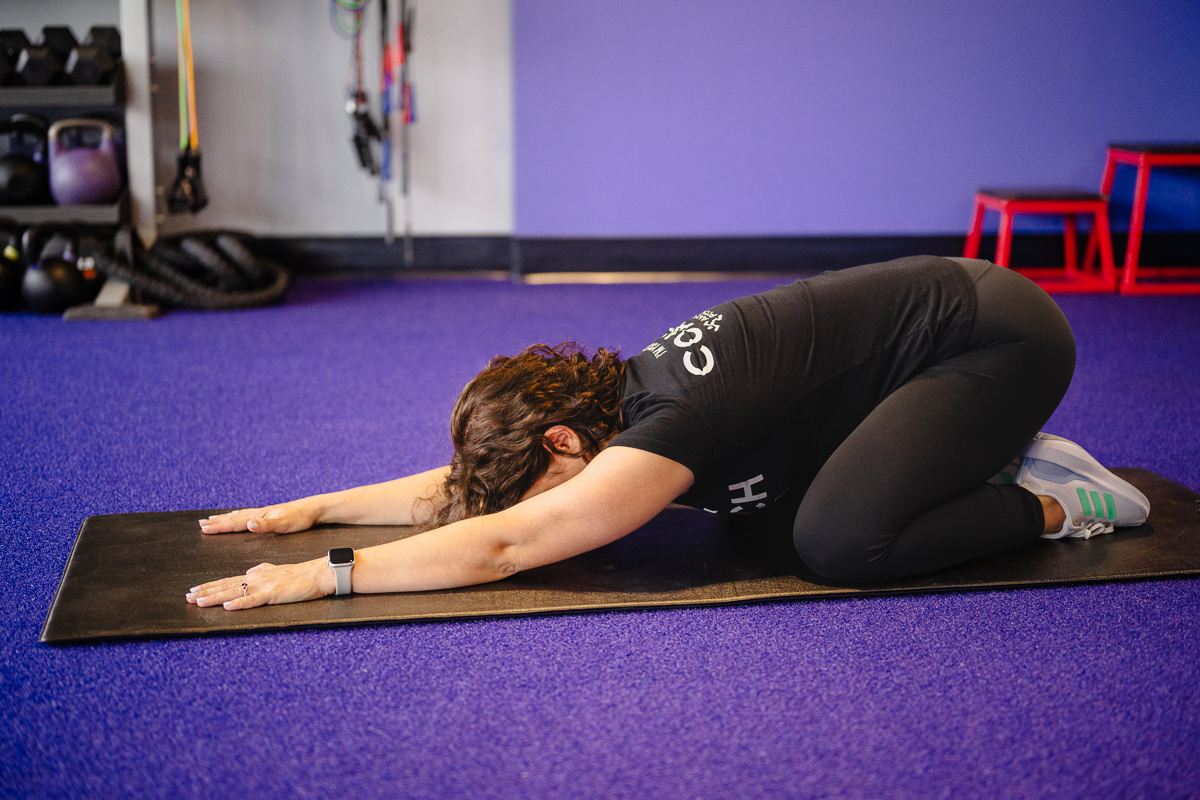
A network meta-analysis of 44 randomized controlled trials found that yoga was the only exercise modality to significantly reduce cortisol levels in individuals with psychological distress. Incorporating poses like the child’s pose or legs-up-the-wall can be a game-changer for your cortisol conscious workout for weight loss support.
Balancing HIIT: How to Avoid Overtraining Syndrome
We don't have to abandon high-intensity interval training (HIIT) forever, but we do need to learn how to balance hiit and cortisol management. The problem occurs when HIIT becomes the only way we move. When your body is already under stress, adding frequent 80% HRmax intervals can push you into overtraining syndrome.

The non-linear cortisol response means that while short bursts can build resilience, prolonged intensity without recovery leads to muscle catabolism. If you are constantly pushing your limits, you might notice that you are gaining weight around the midsection despite working out harder—this is a classic sign of hormonal imbalance.
Checklist: Signs your workout is spiking cortisol too high
- You feel exhausted but cannot fall asleep at night.
- You experience sudden "crashes" in energy 2 hours after your workout.
- You are increasingly irritable or anxious after the gym.
- Your recovery time between sessions is getting longer.
- You are experiencing persistent brain fog or lack of focus.
- Your muscles feel "flat" or you are losing strength despite training.
Support Systems: Nutrition and Recovery
What you do in the kitchen is just as important as what you do on the mat for cortisol workouts. To support the endocrine system, your body requires healthy fats to absorb fat-soluble vitamins A, D, E, and K. These vitamins are crucial for hormonal regulation and long-term adrenal health.
Additionally, minerals like Magnesium and Zinc play a vital role in regulating the nervous system. Magnesium, in particular, helps dampen the HPA axis activity and promotes a sense of calm.

Nutrient Pairing Sidebar
- Magnesium + Leafy Greens: Helps muscle relaxation and nervous system calm.
- Zinc + Quality Protein: Supports tissue repair and hormonal balance.
- Healthy Fats + Fat-Soluble Vitamins: Essential for the production of steroid hormones like cortisol.
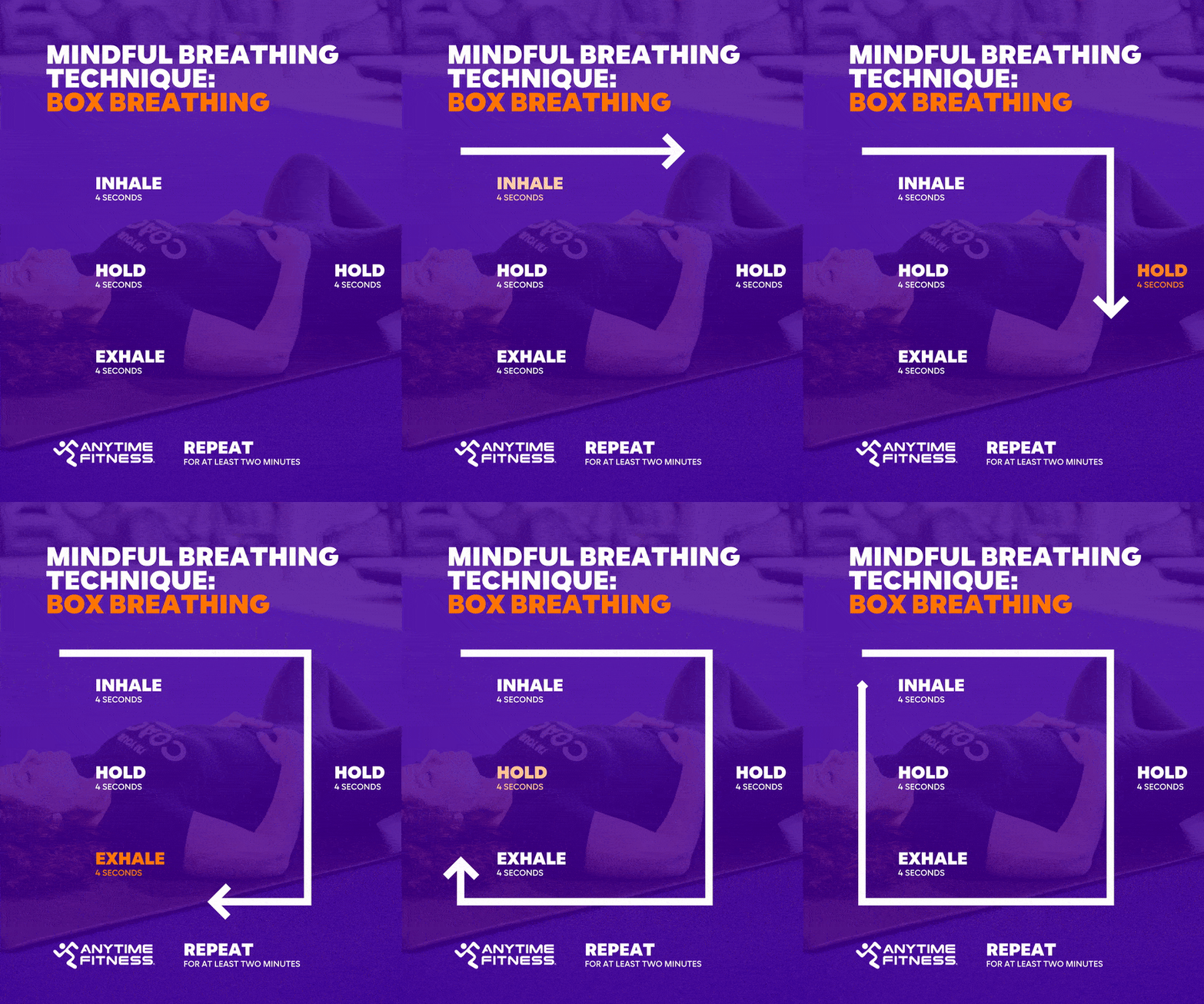
Beyond nutrition, the final piece of the puzzle is a 10-minute nervous system reset post-workout. Instead of rushing from the treadmill to the shower, spend ten minutes practicing box breathing. This simple act of rhythmic breathing signals to your brain that the "danger" (the physical stress of exercise) is over, successfully triggering a parasympathetic response.
FAQ
What are cortisol-conscious workouts?
Cortisol-conscious workouts are exercise routines specifically designed to manage the body's hormonal response to stress. Unlike traditional high-impact training that may prioritize calorie burn at any cost, these workouts focus on maintaining homeostasis by matching the intensity of movement to the individual's current stress levels and adrenal capacity.
Which exercises help lower cortisol levels?
Low-intensity activities are the most effective for lowering circulating cortisol. Power walking, Hatha yoga, Tai Chi, and swimming at a leisurely pace are excellent choices. Research specifically highlights yoga as a premier modality for reducing cortisol in those experiencing psychological distress.
How does high-intensity exercise affect cortisol?
High-intensity exercise acts as a powerful physiological stressor that triggers the HPA axis to release cortisol. While this is a normal part of the body's adaptation process, doing it too frequently or at intensities above 80% VO2 max can cause sustained cortisol elevations that lead to fatigue and muscle breakdown.
What is the best time of day to work out for cortisol balance?
The best time of day for cortisol conscious workouts is generally in the morning. This aligns with your natural Cortisol Awakening Response, helping you feel more alert and helping to regulate your circadian rhythm. If you exercise later, it is best to stick to low-intensity movements to avoid disrupting sleep.
How do I know if my workouts are spiking my cortisol?
Common signs your workout is spiking cortisol too high include feeling "wired but tired," experiencing sleep disturbances, persistent midsection fat retention, and a decrease in physical performance. If you feel more stressed after a workout than before, it is a strong indicator that the intensity is too high.
Can you lose weight if your cortisol levels are high?
Weight loss is significantly more difficult when cortisol levels are chronically high. Elevated cortisol promotes fat storage, particularly in the abdominal area, and can lead to muscle catabolism. A low cortisol exercise plan for beginners often yields better weight loss results for stressed individuals because it lowers the hormonal barriers to fat burning.
Conclusion & Stress Recovery Check
The shift from a "no pain, no gain" mindset to one of hormonal harmony is one of the most transformative steps you can take for your long-term health. By choosing cortisol workouts that respect your body's limits, you aren't just getting fit—you are building a resilient nervous system.
Remember, exercise is a tool for life, not a punishment for what you ate or a way to further exhaust an already tired body. Focus on sustainable movement, prioritize your recovery window, and listen to the signals your HPA axis is sending you. True wellness isn't about how hard you can push; it is about how well you can balance.