Quick Facts
- Prevalence: Approximately 30 million adults in the United States suffer from obstructive sleep apnea.
- Undiagnosed Rate: An estimated 80% of these cases remain undiagnosed and untreated.
- Primary Warning Sign: Loud snoring is a primary indicator present in 94% of patients diagnosed with the disorder.
- Critical Risks: Untreated individuals are four times more likely to suffer a stroke and face a 30% higher risk of sudden death.
- Physical Marker: A neck circumference greater than 17 inches for men or 16 inches for women significantly increases risk.
- Diagnostic Standard: Polysomnography (an overnight sleep study) remains the gold standard for measuring the Apnea-Hypopnea Index.
Sleep apnea is often a silent condition, but its warning signs are clear if you know where to look. While loud snoring is a primary indicator, many sleep apnea symptoms—like morning headaches and cognitive impairment—are frequently overlooked. Approximately 80% of cases go undiagnosed, yet recognizing these sleep apnea red flags early can prevent life-threatening cardiovascular issues. Common sleep apnea symptoms include loud snoring, episodes of gasping or choking during sleep, and excessive daytime sleepiness. These signs typically result from repeated upper airway collapse and sleep fragmentation, which lead to chronic fatigue and poor concentration throughout the day.
Understanding the Physical & Anatomical Red Flags
Before we dive into the internal symptoms, it is essential to recognize that certain physical traits can serve as early obstructive sleep apnea signs. As a preventive care editor, I often remind readers that our anatomy plays a significant role in how we breathe at night. The most prominent physical indicator is the neck circumference. Men with a neck size larger than 17 inches and women with a neck size larger than 16 inches are at a significantly higher risk because the extra tissue can add pressure to the airway.
Body Mass Index (BMI) also remains a critical factor. While not every patient is overweight, a BMI of 30 or higher is a strong indicator of potential airway obstruction. Clinical specialists also look at the Mallampati score—a measurement of the distance from the tongue base to the roof of the mouth—to determine if the throat opening is naturally narrow. Tonsillar hypertrophy, or enlarged tonsils, can further narrow the path for oxygen, leading to the micro-awakenings that disrupt your sleep architecture.
| Risk Category | High-Risk Threshold (Men) | High-Risk Threshold (Women) |
|---|---|---|
| Neck Circumference | > 17 inches | > 16 inches |
| BMI | ≥ 30 | ≥ 30 |
| AHI (Mild) | 5 - 15 events/hour | 5 - 15 events/hour |
| AHI (Moderate) | 15 - 30 events/hour | 15 - 30 events/hour |
| AHI (Severe) | > 30 events/hour | > 30 events/hour |
10 Sleep Apnea Warning Signs You Simply Shouldn't Ignore
If you suspect your rest is being compromised, these ten sleep apnea symptoms provide a comprehensive roadmap for what to monitor.
1. Loud, Chronic Snoring
While many people snore occasionally, the difference between loud snoring and sleep apnea lies in the consistency and volume. Snoring associated with apnea is often loud enough to be heard through closed doors and is punctuated by periods of silence. This silence indicates a pause in breathing, followed by a sudden sound as the body struggles to restart the airflow.
2. Witnessed Gasping or Choking
If your bed partner observations include you suddenly sitting up or making a snorting sound, this is one of the most urgent sleep apnea red flags. This occurs when the brain realizes oxygen levels have dropped dangerously low, triggering a survival response to force the airway open.

3. Excessive Daytime Sleepiness
Known clinically as hypersomnia, this isn't just a mid-afternoon slump. Excessive daytime sleepiness and poor concentration can lead to falling asleep during meetings, while reading, or even behind the wheel. This is the result of the brain being pulled out of deep, restorative sleep hundreds of times a night.
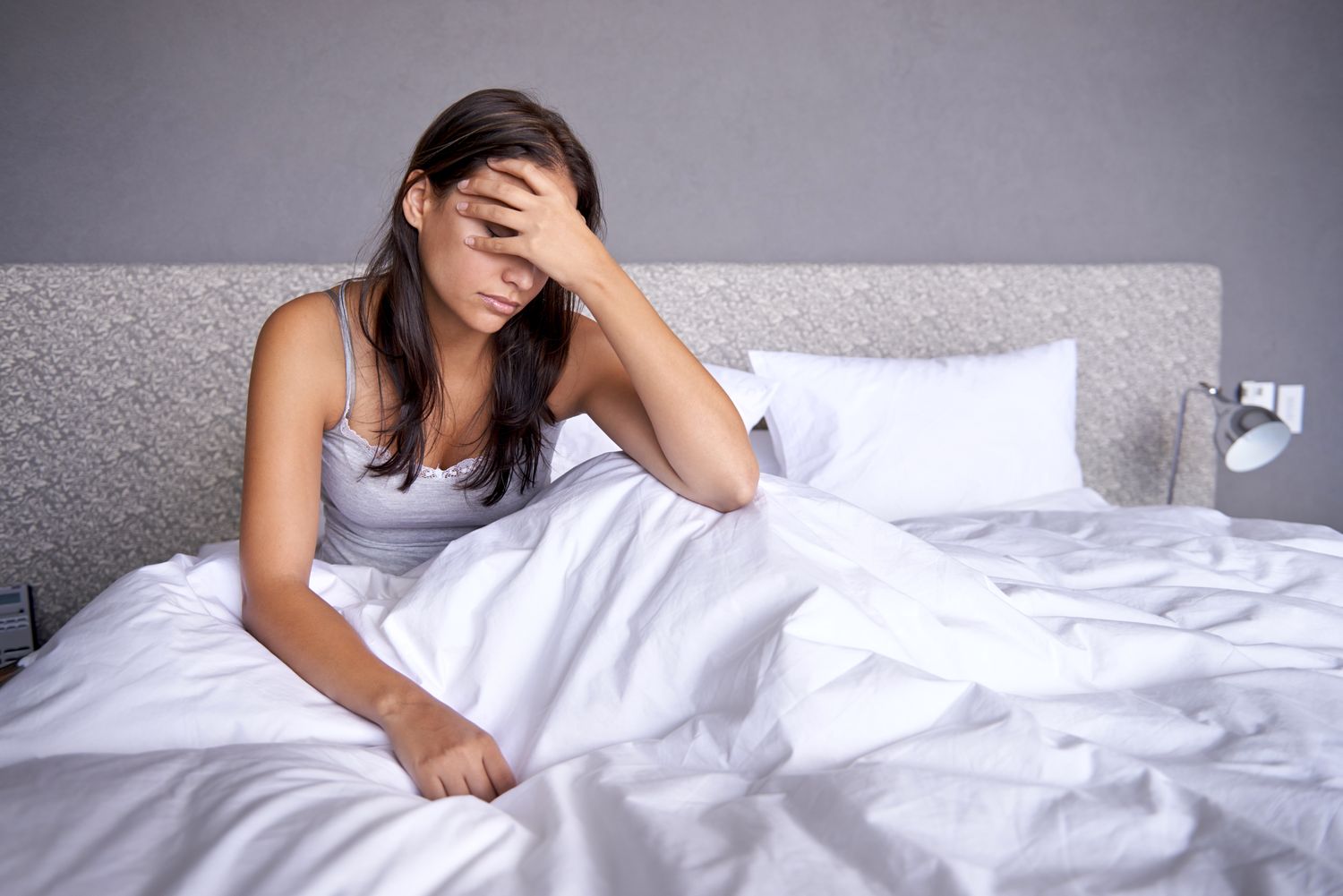
4. Morning Headaches
Waking up with a dull, throbbing sensation in your temples is a classic indicator. These morning headaches and sleep apnea symptoms are caused by the buildup of carbon dioxide in the bloodstream and the lack of sufficient oxygen reaching the brain throughout the night.
5. Nocturia (Frequent Nighttime Urination)
Waking up more than once to use the bathroom is often mistaken for aging or prostate issues. However, sleep apnea causes the heart to release a hormone called atrial natriuretic peptide because the chest pressure from gasping for air mimics a fluid overload.
6. Irritability and Mood Swings
Chronic sleep fragmentation wreaks havoc on the emotional centers of the brain. If you find yourself snapping at loved ones or feeling uncharacteristically anxious, it may be a direct result of the neurological stress caused by repeated oxygen desaturation.
7. Cognitive Impairment (Brain Fog)
Do you feel like you are moving through a haze? Cognitive impairment, including memory lapses and a decreased ability to solve complex problems, is common when the brain is deprived of REM sleep.
8. Dry Mouth or Sore Throat
Waking up with a "cotton mouth" or a scratchy throat suggests that you are mouth-breathing during the night. This often happens as the body tries to bypass the upper airway collapse in the nasal passages.
9. Insomnia and Frequent Micro-awakenings
While apnea is a respiratory issue, many patients experience it as insomnia. They wake up frequently and struggle to fall back asleep, not realizing that their own breathing pauses are the reason for the wakefulness.
10. Decreased Libido
Untreated apnea can lead to a drop in testosterone levels and overall fatigue, which significantly impacts sexual desire and performance. In many cases, addressing the underlying respiratory issue can restore metabolic balance and energy levels.
Gender-Specific & Atypical Presentations
It is a common misconception that sleep apnea only affects older, overweight men. However, obstructive sleep apnea signs in women often present differently and are frequently misdiagnosed as depression, thyroid issues, or simple insomnia. Women may not snore as loudly, instead reporting symptoms like morning headaches and sleep apnea symptoms related to fatigue and mood changes.
In non-obese adults, the condition is often structural, related to a narrow palate or a recessed jaw. Even in children, the signs are atypical; instead of daytime sleepiness symptoms, they may exhibit hyperactivity or behavioral problems that mimic ADHD.

Another atypical sign is bruxism, or teeth grinding. Research suggests that the jaw clenches as a subconscious effort to keep the airway from collapsing. Similarly, night sweats can occur as the sympathetic nervous system goes into "fight or flight" mode during each apnea event.
Modern Diagnosis: From Wearables to AI
The path to diagnosis has evolved significantly. While a clinical sleep study using polysomnography remains the definitive method, we now have access to sophisticated technology. Modern wearables like the Apple Watch or Oura Ring can track oxygen desaturation trends, providing users with early warnings that they should consult a sleep specialist.
For those who prefer the comfort of their own bed, a Home Sleep Apnea Test (HSAT) can now measure the Apnea-Hypopnea Index with high accuracy. Furthermore, new pharmaceutical developments are changing the landscape. GLP-1 medications, such as Zepbound, have shown promise in clinical trials for reducing the frequency of airway closures by targeting the metabolic syndrome and weight factors that contribute to the disorder.
Once diagnosed, the primary intervention remains CPAP therapy, which uses a gentle stream of air to prevent upper airway collapse. However, oral appliances and lifestyle changes also play a vital role in long-term wellness strategies.
FAQ
What are the most common signs of sleep apnea?
The most frequent indicators are loud, persistent snoring, witnessed episodes where the person stops breathing, and a feeling of extreme exhaustion during the day. Many people also report waking up with a very dry mouth or a headache that dissipates within an hour of rising.
What are the symptoms of sleep apnea in women?
Women often experience more subtle signs, including insomnia, restless legs, morning headaches, and generalized fatigue. Because women are less likely to report the "heroic" snoring typically associated with the condition, their symptoms are sometimes mistaken for anxiety or depression.
Can you have sleep apnea and not know it?
Yes, approximately 80% of adults with the condition are unaware they have it. Because the micro-awakenings are so brief, the sleeper rarely remembers them. Most people only seek help when a bed partner notices their gasping or when their daytime functioning becomes severely impaired.
What does a sleep apnea headache feel like?
A sleep apnea headache is typically felt on both sides of the head, especially in the frontal region. It feels like a dull, squeezing pressure rather than a sharp or throbbing pain. These headaches usually appear immediately upon waking and improve after about 30 to 60 minutes of breathing normally.
Is it possible to have sleep apnea without snoring?
Yes, it is possible, particularly in cases of central sleep apnea where the brain fails to signal the muscles to breathe, rather than a physical obstruction. It is also more common in women and thinner individuals to experience significant apnea events without the classic loud snoring.
What are the long-term effects of untreated sleep apnea?
Ignoring the risks of ignoring sleep apnea warning signs can lead to severe health crises. Chronic oxygen deprivation and the stress of fragmented sleep contribute to hypertension, heart disease, type 2 diabetes, and a four-fold increase in the risk of stroke.
Protecting Your Long-Term Wellness
Recognizing these sleep apnea symptoms is the first step toward reclaiming your health and vitality. This condition is far more than a nuisance for your bed partner; it is a systemic stressor that affects every organ in your body. If you identify with three or more of the red flags mentioned—especially the combination of loud snoring and daytime sleepiness symptoms—it is time to schedule a consultation with a sleep specialist.
Modern medicine offers a variety of effective treatments, from CPAP therapy to simple lifestyle adjustments and oral appliances. By addressing the root cause of your sleep fragmentation, you can lower your risk of hypertension and stroke while significantly improving your daily quality of life. Remember, sleep is not a luxury; it is the foundation of preventive healthcare. Don't wait for a cardiovascular event to take your nighttime breathing seriously.