
The 10,000 step goal is a fitness staple, but it didn't start in a lab. Learn why this number is a marketing myth and what the science-backed optimal daily step count for health actually is. For years, we have been conditioned to see five digits as the magic threshold for longevity. But as a preventive care editor, I often see how these arbitrary numbers create unnecessary stress. Understanding the history of the 10,000 step goal origin reveals a fascinating story of marketing genius over medical necessity, allowing us to find a more sustainable approach to movement.
Quick Facts
- The Origin: Created as a 1965 marketing slogan for the Manpo-kei pedometer.
- Science vs. Myth: Significant health benefits start at just 2,600 to 4,400 steps.
- The Sweet Spot: For most adults, 7,000 to 8,000 steps offer maximum longevity gains.
- Age Factor: Adults over 60 see health benefit plateaus at 6,000 to 8,000 steps.
- Weight Loss: Walking intensity and consistency often matter more than hitting an arbitrary 10k figure.
- Sedentary Fix: Even for those who sit all day, 9,000 steps can offset many risks.
The 10,000 step goal originated in 1960s Japan as a marketing slogan for the Manpo-kei pedometer. It was not derived from medical research but was chosen because the name translated to '10,000-step meter' and was easy to remember. This number eventually became the global standard for physical activity despite its commercial rather than clinical roots.
The Marketing Myth: Where the 10,000 Step Goal Began
We often assume that the health targets programmed into our smartphones are the result of rigorous clinical trials. However, the history of the 10,000 step goal tells a different story. In the lead-up to the 1964 Tokyo Olympics, there was a surge in health consciousness across Japan. Seizing this cultural moment, the Yamasa Clock and Instrument Company released a personal pedometer in 1965.
The device was named Manpo-kei. In Japanese, "Man" means 10,000, "po" means steps, and "kei" means meter. The name was chosen because the character for 10,000 looks a bit like a person walking, and the number itself sounded like a challenging yet achievable round figure. There was no medical evidence at the time suggesting that 10,000 was the specific threshold for cardiovascular health. It was simply a catchy name for a new gadget.
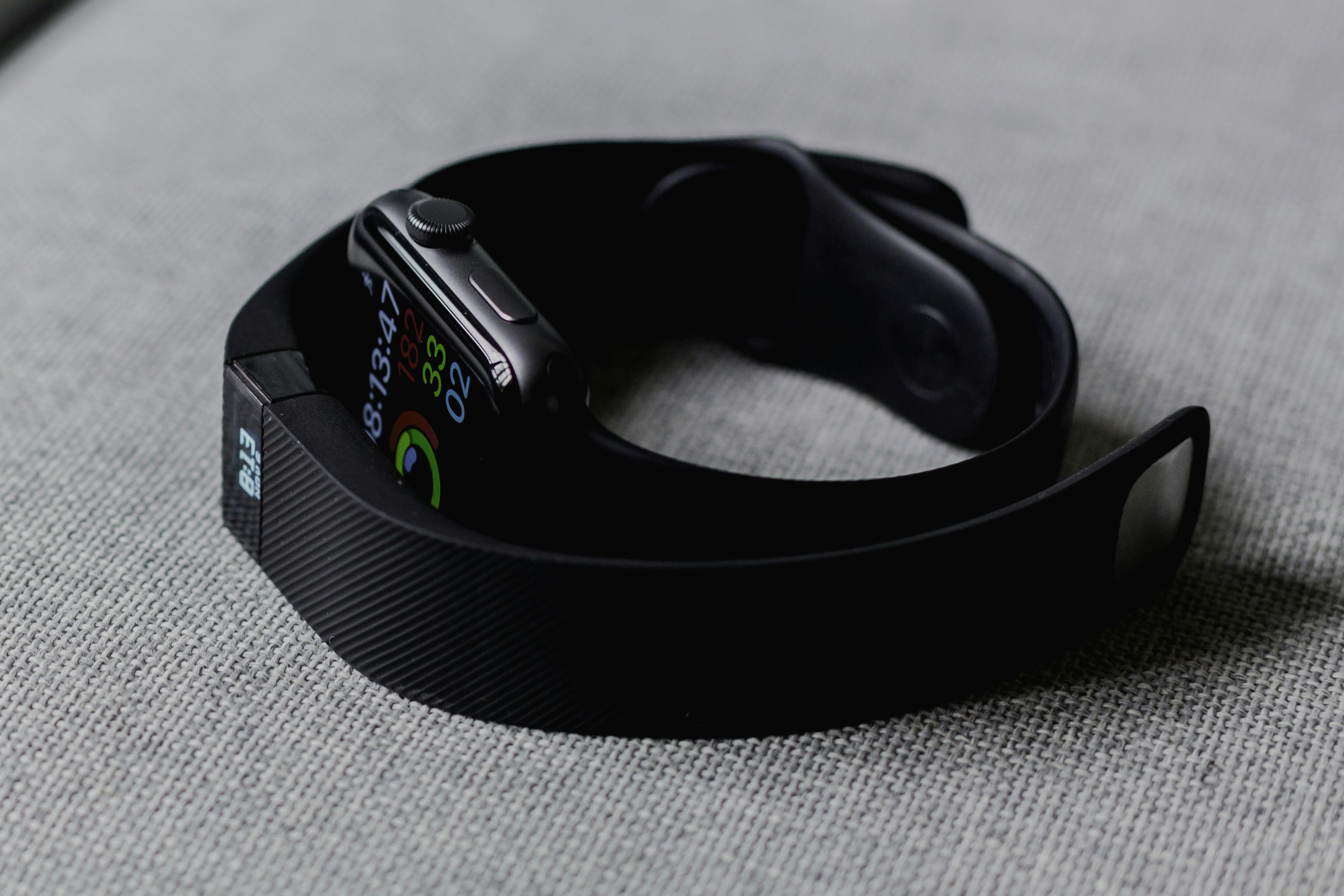
Despite its commercial beginnings, the number stuck. As the fitness industry grew in the 1990s and 2000s, global health organizations adopted the 10,000 step goal as a convenient shorthand for an active lifestyle. While it is certainly not a harmful target, it can be a discouraging one for people starting a wellness journey or those with physical limitations. For many, the pressure to reach 10,000 steps feels like an all-or-nothing proposition, leading to burnout when life gets in the way of a long walk.
Science-Backed Targets: What is the Optimal Daily Step Count for Health?
When we look at modern research, we see a more nuanced picture than the Japanese marketing of the 1960s suggested. Scientists now talk about a dose-response relationship between walking and longevity. This means that while more movement is generally better, the most dramatic health improvements happen at the lower end of the spectrum when moving from being sedentary to moderately active.
One landmark study of approximately 17,000 older women found that those who averaged 4,400 daily steps had a 41% lower mortality rate than those taking 2,700 steps. Interestingly, the health benefits in this group largely leveled off at about 7,500 steps. This suggests that for many, pushing for those extra 2,500 steps to reach 10,000 may offer diminishing returns in terms of all-cause mortality.

The optimal daily step count for health actually varies significantly by age. While younger adults might continue to see incremental gains in cardiovascular health and metabolic health up to 10,000 steps, older populations reach a plateau much sooner. For adults over 60, taking between 6,000 and 8,000 steps daily is strongly linked to reduced risks of heart disease.
Comparison: Daily Step Targets vs. Health Benefits
| Age Group | Recommended Minimum | Benefit Plateau Point | Primary Health Focus |
|---|---|---|---|
| Under 60 | 7,000 Steps | 10,000 Steps | Cardiovascular fitness & Metabolic health |
| Over 60 | 4,400 Steps | 7,500 Steps | Longevity & Mobility |
| Sedentary Lifestyle | 3,000 Steps | 7,000 Steps | Reducing all-cause mortality risk |
Recent research involving over 72,000 individuals found that taking between 9,000 and 10,000 steps daily was associated with a 39% lower risk of death and a 21% lower risk of cardiovascular disease, even for people who spend long hours sitting. This indicates that while the 10,000 step goal isn't the only way to be healthy, it does serve as a powerful buffer against the dangers of a sedentary lifestyle.

Setting Realistic Walking Goals: Beyond the 10k Myth
In my experience as a lifestyle editor, the best routine is the one you can actually maintain. Setting realistic walking goals involves looking at your current baseline and making incremental improvements. If you are currently taking 3,000 steps a day, jumping to 10,000 is a recipe for sore joints and frustration.
Instead, I recommend the 1,000-step rule. Try to increase your daily average by just 1,000 steps each week until you hit a range where you feel energized rather than exhausted. This gradual approach allows your body to adapt and helps build a permanent habit.

Another critical factor is NEAT, or Non-Exercise Activity Thermogenesis. This refers to the energy we expend for everything we do that isn't sleeping, eating, or sports-like exercise. Walking to the mailbox, pacing while on a phone call, or taking the stairs all contribute to your metabolic health. By focusing on moving consistently throughout the day—rather than just one long walk to "hit the number"—you can maintain more stable blood sugar levels and better energy.
When it comes to walking for weight loss beyond the 10000 step myth, intensity is your best friend. A brisk walk where you are slightly breathless is far more effective for fat burning and heart health than a slow stroll of the same distance. Focusing on 7,000 brisk steps might actually serve your weight loss goals better than 10,000 leisurely ones.

Ultimately, how to set realistic daily walking goals depends on your unique lifestyle. If you have a physically demanding job, you might hit 10,000 steps by noon. If you work at a desk, your goal might be to simply break up long periods of sitting with five-minute walking breaks. Prioritizing consistency and reducing sedentary behavior will always yield better long-term wellness than chasing a number that was born in a marketing office rather than a laboratory.
FAQ
Where did the 10,000 step goal originate?
The goal was created in 1965 by a Japanese company, Yamasa Clock and Instrument Company. They launched a pedometer called Manpo-kei, which means 10,000-step meter. It was a marketing campaign designed to sell devices during the fitness craze surrounding the Tokyo Olympics, not a figure based on clinical medical research.
Is walking 7,000 steps as good as 10,000?
For many people, yes. Scientific studies show that the most significant health benefits, such as a reduced risk of heart disease and improved longevity, often peak or begin to level off around 7,000 to 8,000 steps. While taking more steps isn't bad for you, the health benefits of 7000 steps vs 10000 steps are very similar for the average adult.
Is 10,000 steps a day too much for some people?
It can be, especially for those with chronic joint pain, heart conditions, or those who are currently very sedentary. For adults over 60, the optimal daily step count for adults over 60 is often between 6,000 and 8,000. Pushing to hit 10,000 can sometimes lead to overuse injuries or burnout if it is not a realistic target for your fitness level.
Can you lose weight by walking 10,000 steps a day?
Yes, walking 10,000 steps burns roughly 300 to 500 calories for the average person, which can contribute to a calorie deficit. However, walking for weight loss beyond the 10000 step myth requires focusing on intensity and diet. Brisk walking at a higher heart rate is generally more effective for weight management than hitting the step count through slow movement alone.
How can I reach 10,000 steps a day without going to the gym?
You can accumulate steps through daily habits like taking the stairs, parking further away from the store, pacing during phone calls, or taking a short 10-minute walk after every meal. These small increments of movement, known as NEAT, add up quickly throughout the day and provide significant metabolic health advantages without requiring a dedicated gym session.