Quick Facts
- Success Rate: Approximately 90% of lower back pain cases are temporary and manageable with conservative care.
- The Critical Window: The first 48 hours of an injury dictate the speed of your long-term recovery.
- Financial Impact: Early intervention via physical therapy can save patients an average of $2,736 less on overall healthcare costs.
- Top Exercise: Pilates holds a 93% SUCRA rating for effectively managing chronic spinal discomfort.
- Ergonomic Rule: Maintain 90-degree joint angles at your desk to preserve spinal alignment.
- Recurrence Risk: Roughly 50% of individuals will experience a second episode within one year if habits aren't changed.
For immediate back pain relief, follow a 48 hours protocol for acute lower back injury relief focusing on inflammation reduction: apply ice for 15 minutes to numb the area, then transition to heat therapy for muscle spasms while maintaining a neutral spine with pillows.
Phase 1: The 48-Hour Acute Protocol for Immediate Relief
When a sudden twinge or a sharp ache hits your lower back, your body enters a state of alarm. This initial inflammatory phase is critical. During the first two days, your primary goal is to calm the nervous system and prevent the inflammation from settling in. Many people instinctively reach for a heating pad, but during an acute injury, heat can actually increase swelling by drawing more blood to the damaged tissue.
Instead, prioritize cold therapy. Applying ice packs for 15 minutes every few hours helps to constrict blood vessels and provide significant back pain relief by numbing the nerve endings. To further assist the healing process, you must focus on unloading the spine. Lie on a firm surface—not a soft couch—to help flatten the lower back against the floor. This position helps deactivate the protective muscle guarding that often leads to painful spasms.
Research shows that moving quickly from rest to gentle, professional care pays off significantly. Patients who choose early physical therapy rather than waiting for months often find they spend $2,736 less on overall healthcare costs compared to those who delay intervention. This suggests that proactive management isn't just a physical win, but a financial one too.
| Feature | Ice Therapy (First 48 Hours) | Heat Therapy (After 48 Hours) |
|---|---|---|
| Primary Goal | Reduce swelling and inflammation | Relax tight muscles and improve blood flow |
| Mechanism | Constricts blood vessels (vasoconstriction) | Dilates blood vessels (vasodilation) |
| Best For | Acute injury, sharp pain, and swelling | Chronic stiffness, dull aches, and spasms |
| Duration | 15-20 minutes every 2-3 hours | 15-20 minutes as needed |
Once the initial 48-hour window passes, you can begin introducing heat therapy for back pain. Warmth helps to improve blood circulation and relax the soft tissues that have tightened up in response to the injury. Using therapeutic modalities like a warm shower or a low-level heating pad can facilitate myofascial release, allowing you to move with greater ease as you transition into active recovery.
Phase 2: Restorative Sleep and Active Recovery
Sleep is when your musculoskeletal health is restored, but for those suffering from a lumbar strain, the bed can feel like a place of discomfort. The key to sleeping through the night lies in maintaining a neutral spine, which prevents the vertebrae from pinching nerves or overstretching ligaments.
Finding the best sleeping positions for lower back pain with pillows is a game-changer for most of my readers. If you prefer sleeping on your back, place a medium-firm pillow under your knees. This slight elevation helps the lower back maintain its natural curve and reduces the pull on the psoas muscle. For side sleepers, the strategy changes: place a pillow between your knees and draw them slightly toward your chest. This prevents your top leg from pulling your pelvis out of alignment, which is a common cause of morning stiffness.
As you begin to feel more mobile, gentle movement becomes your best friend. Total bed rest is now considered outdated advice; instead, we look toward stretches for lower back pain that emphasize spinal mobility. Start with the "Cat-Cow" stretch or "Child’s Pose" to encourage the discs to hydrate and the muscles to lengthen without strain.

These movements help maintain the range of motion in your hips and thoracic spine, ensuring that your lower back doesn't have to overcompensate for stiffness elsewhere. Remember, the goal of active recovery is not to "workout," but to signal to your brain that it is safe to move again.
Phase 3: Ergonomic Mastery and Workplace Prevention
For the modern professional, the office chair is often where back pain relief goes to die. If you spend eight hours a day in a seated position, your environment must be your first line of defense against musculoskeletal health issues. Preventing lumbar strain at work requires more than just sitting up straight; it requires an ergonomic desk setup guide that respects your body’s natural mechanics.
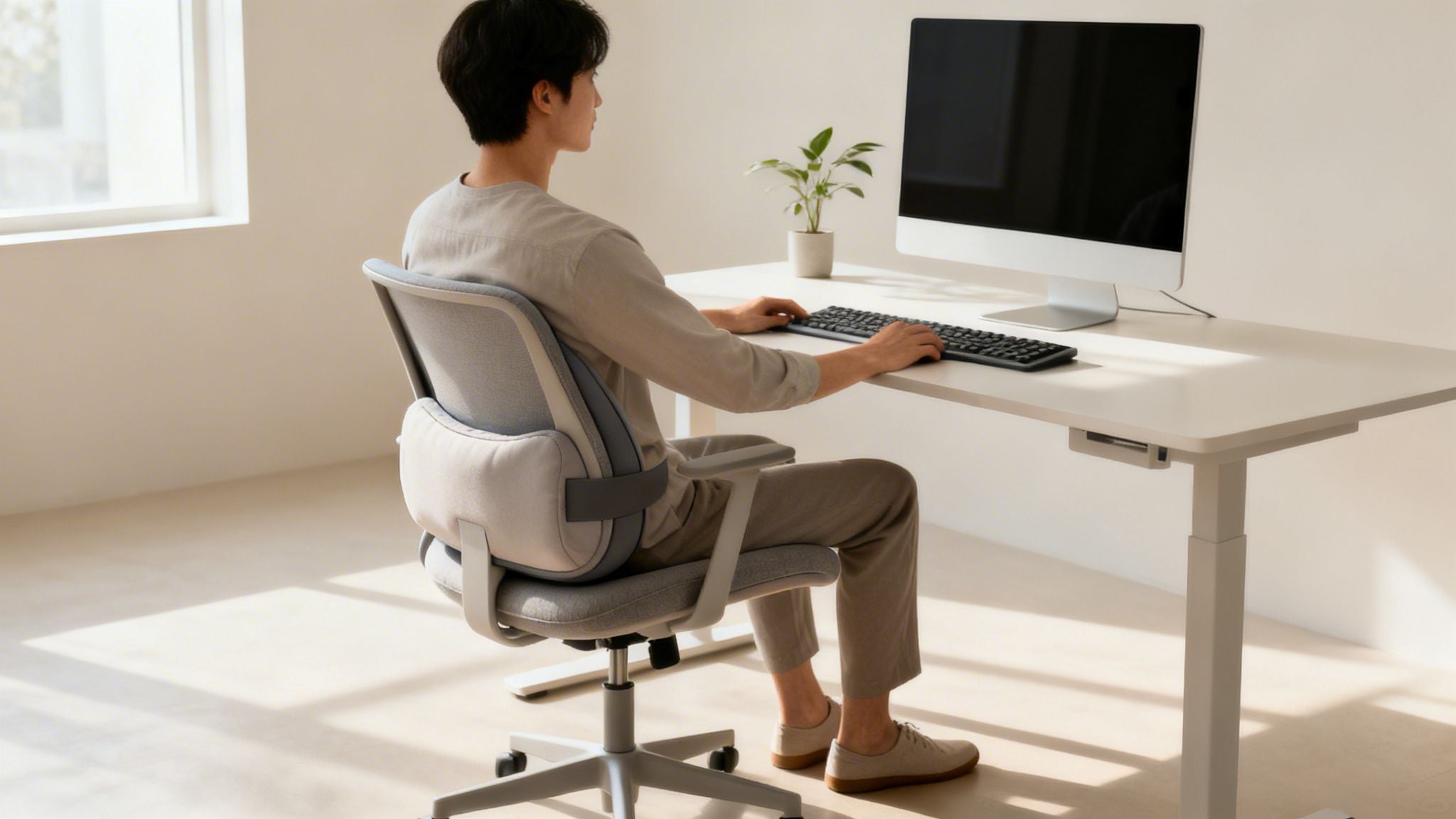
The foundation of a healthy workspace is the 90-degree rule. Your hips, knees, and elbows should all form 90-degree angles. Your feet should rest flat on the floor—if they don't, use a footrest. Your screen should be at eye level so that your neck remains in a neutral position, preventing the "tech neck" that often radiates pain down into the mid-back.
When choosing the best ergonomic office chair for back health in 2026, look for high-performance options like the Branch Ergonomic Chair Pro or the Herman Miller Aeron. These chairs provide adjustable lumbar support that mimics the natural curve of your spine. However, even the best chair cannot fix the damage caused by prolonged stillness. This is where active sitting comes in—using a chair that allows for micro-movements or switching to a sit-stand desk to keep the blood circulation moving throughout the day.
Ergonomic Specs for Your Setup:
- Seat Height: Typically 16 to 21 inches from the floor to allow feet to be flat.
- Monitor Distance: 20 to 30 inches from your eyes (about an arm’s length).
- Keyboard Position: Should allow wrists to remain straight and elbows to stay close to the body.
- Lumbar Support: Should fit snugly into the curve of your lower back.
Don't forget to incorporate stretches for lower back pain relief at the office. Simple movements like seated spinal twists or standing hip flexor stretches every 30 minutes can prevent the fascia from tightening up during long meetings.
Red Flags: When to See a Doctor While most back pain resolves within a few weeks, some symptoms require immediate medical attention. If you experience a loss of bowel or bladder control, sudden weakness in the legs, or numbness in the "saddle" area, seek emergency care immediately. These can be signs of Cauda Equina Syndrome, a serious condition requiring urgent intervention.
Phase 4: Long-Term Stability and Biological Support
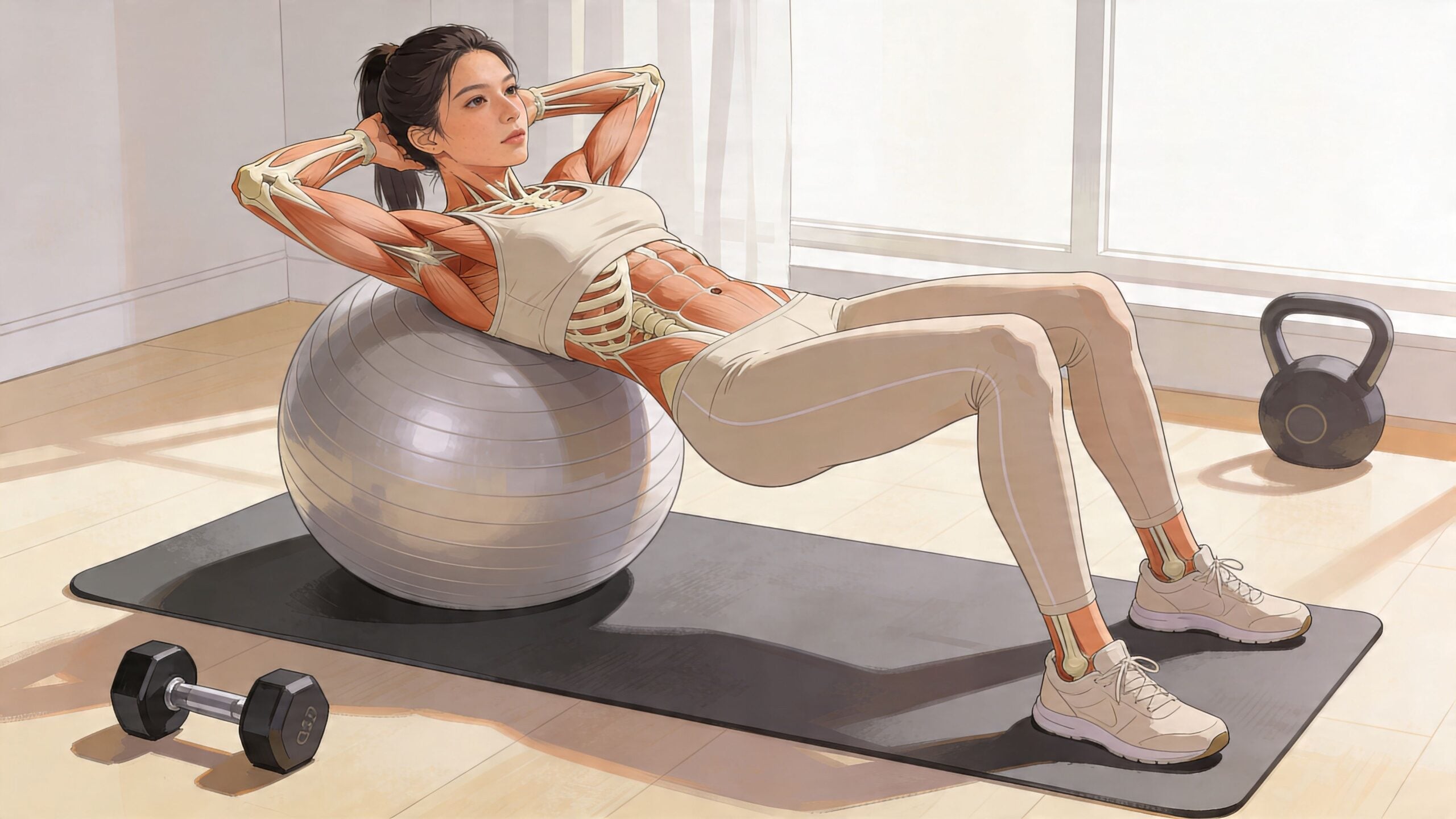
True back pain relief isn't just about fixing the current ache; it’s about building a body that is resilient enough to prevent the roughly 50% recurrence rate that plagues most patients. I often tell my clients to think of their core muscles as a natural corset. This isn't just about having six-pack abs; it's about the deep transverse abdominis and multifidus muscles that wrap around your spine like a protective shield.
For long-term spinal health, core strengthening exercises for long-term lower back support are essential. Pilates and Yoga are frequently cited as the gold standards for this. Pilates, in particular, focuses on eccentric muscle contractions and pelvic stability, which teaches your body how to move without putting undue pressure on the lumbar discs.
Beyond movement, we must look at the biological foundation of our bones. Bone mineral density plays a massive role in how our spine ages. Vitamin D absorption is a key factor here. I recommend getting at least 15 minutes of morning sun to trigger natural Vitamin D production, paired with healthy fats in your diet to aid absorption. This biological support ensures that your vertebrae remain strong and less prone to the degenerative changes that can lead to chronic pain.

In addition to core work, don't neglect your glutes. The gluteus maximus is the powerhouse of the lower body. When your glutes are weak, your lower back often takes over the work during lifting or even walking. Incorporating glute bridges into your daily routine can significantly reduce the workload on your lumbar spine.
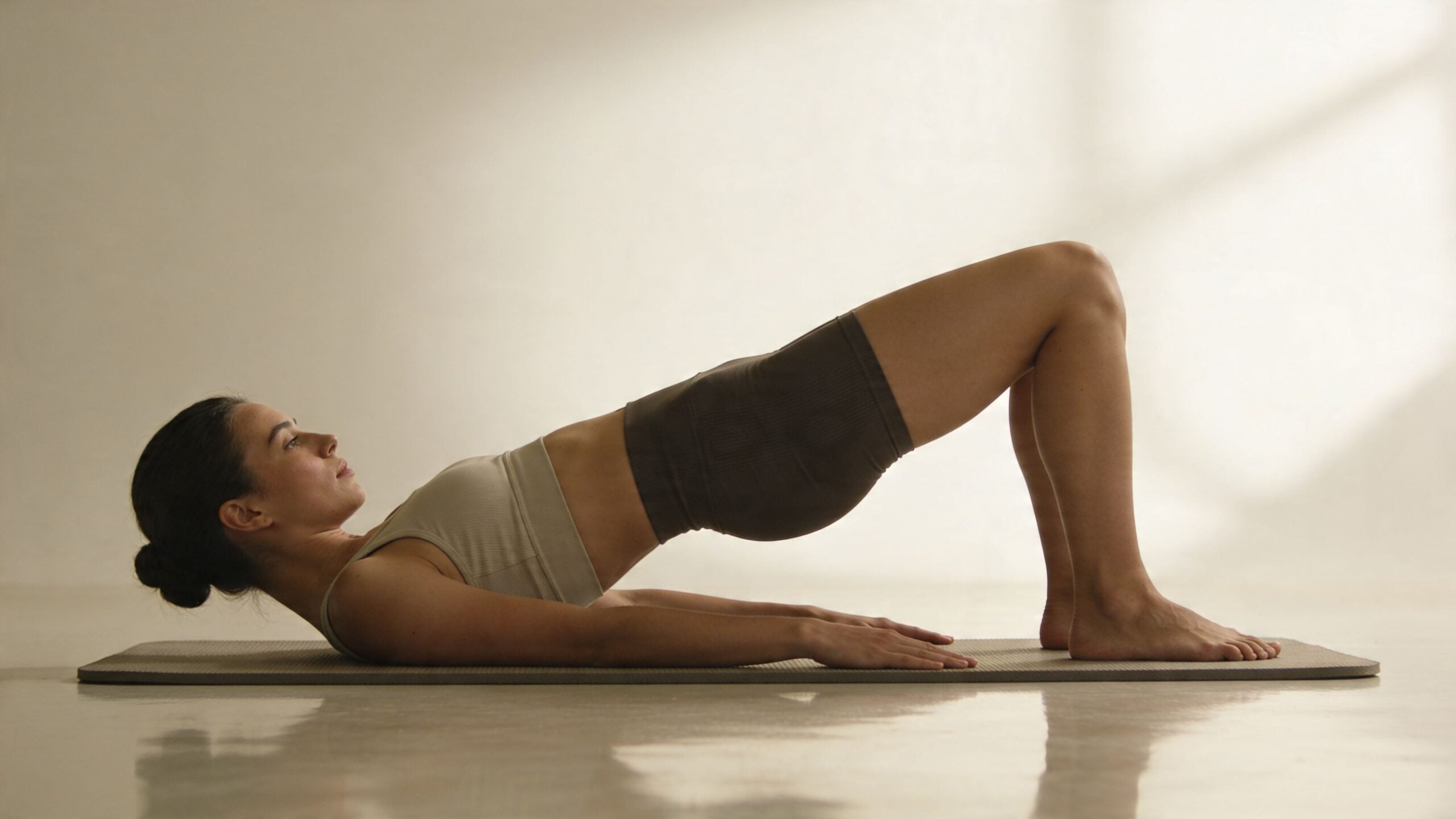
By combining ergonomic posture for back relief with a dedicated strength routine and proper nutrition, you create a holistic environment for your spine to thrive. Consistency is the secret ingredient; five minutes of movement every day is far more effective than an hour-long session once a week.
FAQ
How can I get immediate relief from back pain?
To achieve immediate relief, stop any strenuous activity and follow the 48-hour protocol. Apply ice to the affected area for 15 minutes to reduce inflammation and numb the pain. Lie on your back on a firm surface with a pillow under your knees to take the pressure off your lumbar spine and allow the muscles to release their protective tension.
Does heat or ice work better for lower back pain?
It depends on the timing. Use ice during the first 48 hours after an injury to limit swelling and soothe acute nerve pain. After the initial inflammatory phase has passed, switch to heat therapy to help relax stiff muscles and increase blood flow, which aids the healing process of the soft tissues.
What is the best sleeping position for back pain?
The most supportive position is sleeping on your back with a pillow under your knees to maintain a neutral spine. If you prefer sleeping on your side, place a pillow between your knees and slightly bend them toward your chest. This prevents the pelvis from rotating and helps maintain spinal alignment throughout the night.
What are the best stretches for back pain relief?
The best stretches focus on gentle mobility rather than intense flexibility. The Cat-Cow stretch, Child’s Pose, and knee-to-chest stretches are excellent for decompressing the spine. At the office, try standing hip flexor stretches to release the tension that builds up from sitting, which often pulls on the lower back.
When should I see a doctor for back pain?
You should consult a healthcare professional if the pain is severe, does not improve after a few days of self-care, or is accompanied by "red flag" symptoms. These include unexplained weight loss, fever, numbness in the legs, or any changes in bowel or bladder function. Early intervention from a physical therapist is also highly recommended to prevent the pain from becoming chronic.