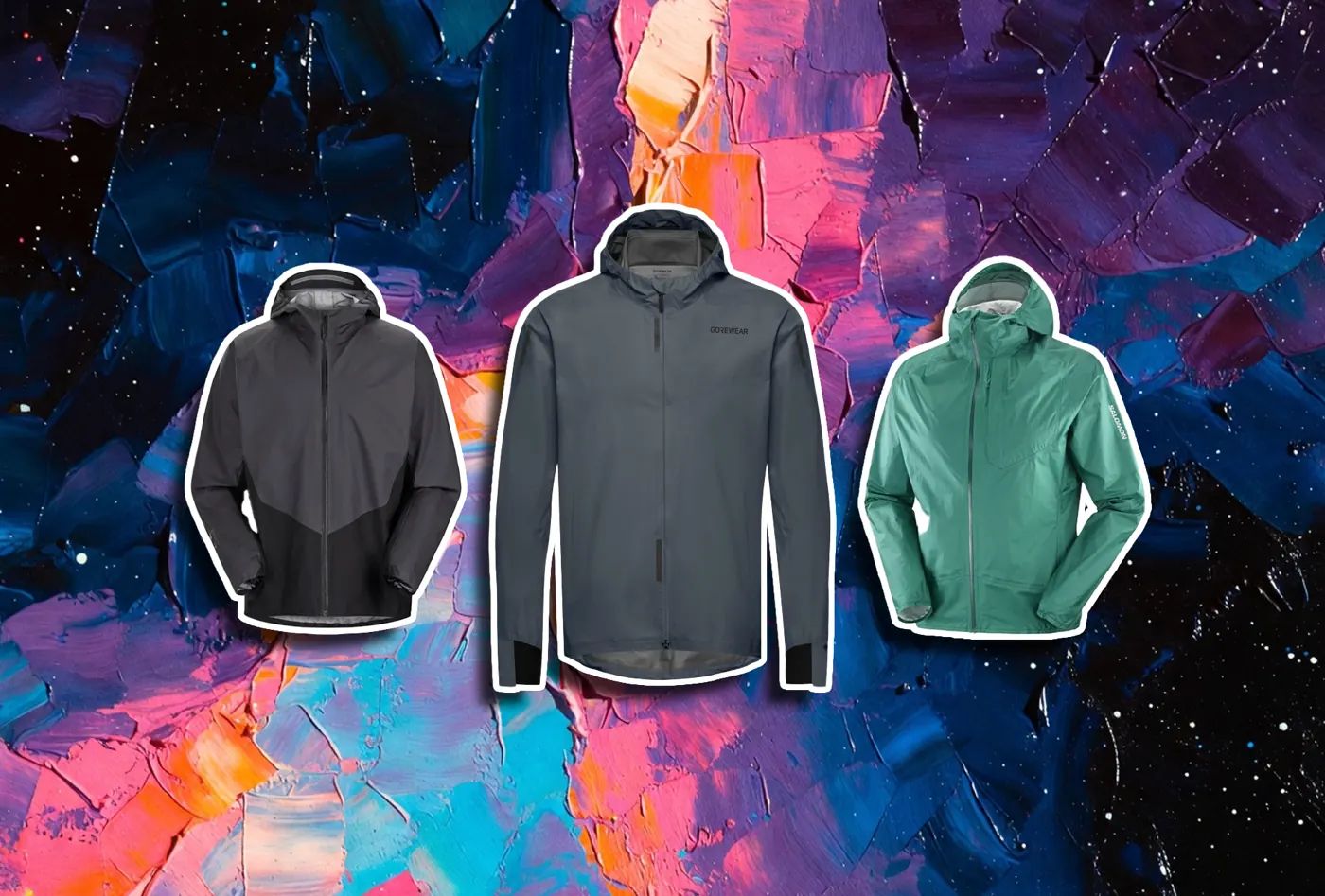
Our Top Picks
- Peak Performance Aero: Best Overall. Features a 20,000mm hydrostatic head rating while remaining incredibly light at 95g (3.3 oz).
- VaporLite Speed Shell: Best for Summer. Optimized for breathability with mechanical ventilation ports and moisture-wicking technology.
- Terra Guard Ultra: Best for Trail Racing. Fully compliant with ultra-marathon mandatory kit requirements with fully taped seams.
- SwiftPack Windbreaker: Best Value. A tangerine-sized packable running windbreaker that fits into any pocket or hydration vest.
A high-quality lightweight running jacket in 2026 prioritizes breathability and weather resistance. Key features include moisture-wicking technology, fully taped seams for waterproof protection, and ripstop fabric for durability. Modern designs often incorporate packaway pouches for portability and adjustable hoods to secure fit during high-intensity movement.
What's New for 2026: PFAS-Free & Ultralight Tech
As the Fitness & Training Editor, I have seen the industry shift from heavy, plastic-feeling shells to materials that feel like a second skin. The biggest change in 2026 is the total elimination of "forever chemicals" (PFAS/PFC) in water-repellent coatings. Instead, we are seeing the rise of 7-denier Ballistic Airlight nylon and plant-based membranes that offer superior moisture vapor transmission rate without harming the environment.
The global lightweight jackets market is estimated to be worth USD 184.43 billion in 2026, with functional waterproof and windproof varieties dominating the segment. This growth is driven by athletes who demand gear that can handle a 20-mile (32 km) mountain run and then disappear into a tiny pocket. The new industry benchmark for a lightweight running jacket is "tangerine-sized" packability. If your jacket takes up more space than a piece of fruit, it is likely outdated.
Data shows that runners are investing more in technical apparel than ever before. The global running apparel market is projected to reach a valuation of USD 112.55 billion in 2026, growing at a compound annual rate of 7.53%. This surge is fueling innovation in weight-to-warmth ratios, ensuring that the best performance running gear 2026 offers does not weigh you down during a marathon.

Best Packable Windbreakers for Speed & Summer
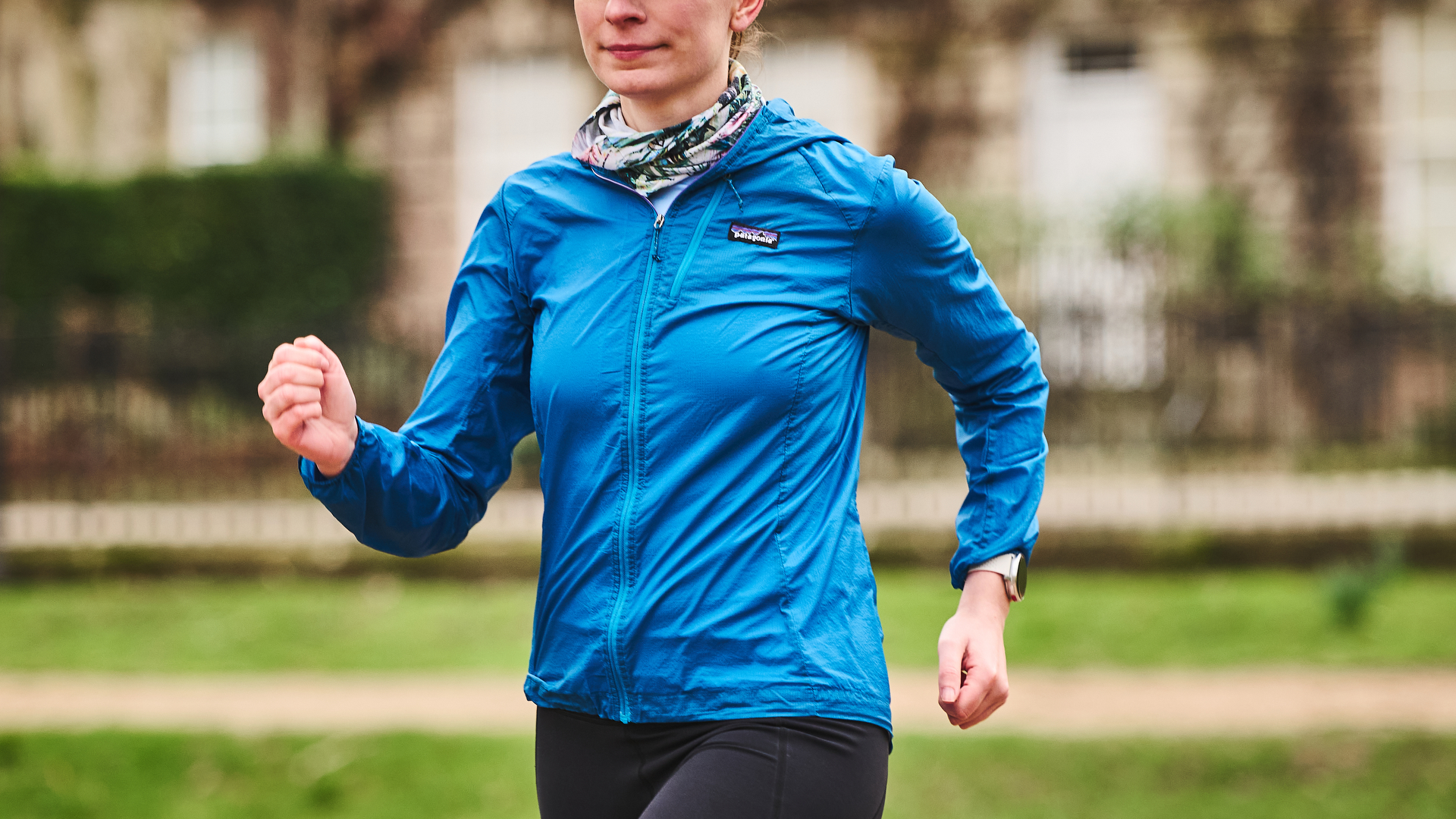
When you are performing speedwork on a humid morning, you do not need a heavy waterproof barrier. You need a layer that cuts the wind but allows heat to escape. This is where breathable summer running jackets come into play. For 2026, the best performance running gear 2026 includes shells that use laser-cut holes under the arms and across the back to manage thermal regulation.
A high-quality packable running windbreaker should offer mechanical ventilation ports. Unlike chemical coatings that can clog, these physical vents remain open regardless of how much you sweat. For female athletes, the women's ultra lightweight running jackets for speedwork now feature articulated sleeves that prevent the jacket from riding up during high-cadence intervals.
I recommend looking for models that include thumb loops. These small fabric loops keep the sleeves in place and provide a bit of extra warmth for your hands without the need for gloves. For those dealing with high humidity, breathable summer running jackets for humidity utilize bi-component fabrics that move sweat away from the body 30% faster than traditional polyester. Many of these options also fall under the category of best value lightweight running jackets 2026 because they provide essential protection without the high cost of waterproof membranes.
Best Waterproof Shells for Trail & Ultra Racing
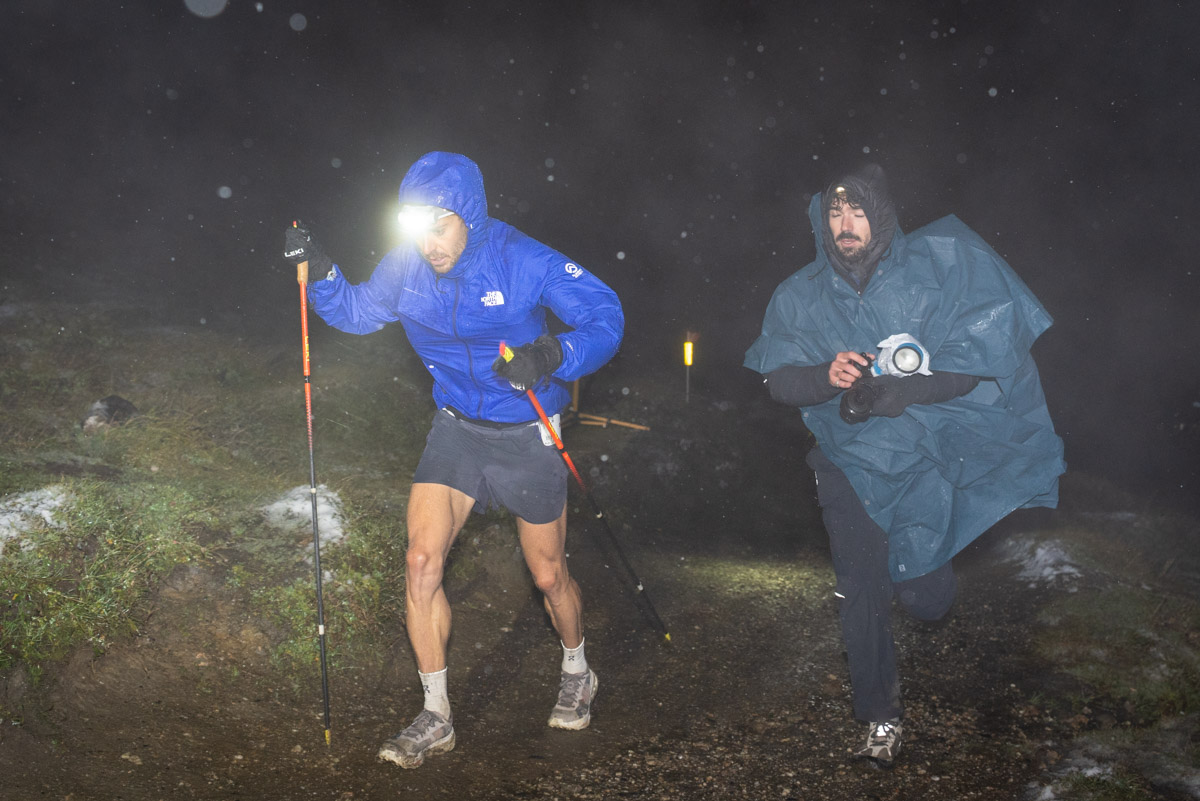
If you are heading into the mountains, a simple windbreaker will not suffice. For trail racing, you need a lightweight waterproof running jacket for heavy rain that meets strict safety standards. Many elite races, such as the UTMB, require an ultra-marathon mandatory kit that includes a jacket with a minimum 10,000mm (393 in) hydrostatic head rating. However, by 2026, many top-tier shells have pushed this to 30,000mm (1181 in) while keeping the weight under 150g (5.3 oz).
The key to a truly waterproof shell is the presence of taped seams. This involves a heat-applied tape over every stitch to prevent water from seeping through the holes made by the sewing needle. Additionally, ultralight running jackets with adjustable hoods are essential for racing in high winds. A hood that is not secured will act like a parachute, slowing you down and letting rain in.
When choosing a jacket for long-distance trail efforts, consider the following features:
- Hydrostatic head rating: Look for at least 20,000mm for total protection.
- Taped seams: Mandatory for any race-ready waterproof shell.
- Reflective detailing: Essential for safety during night stages or road sections.
- Packaway pouch: Allows the jacket to be stowed in a race vest within seconds.
For athletes who frequently participate in mountain events, packable running windbreakers for trail racing that offer a hybrid construction—waterproof on the shoulders and breathable on the torso—are becoming a popular choice for fast-and-light missions.
Technical Buying Guide: Weight vs. Breathability
Choosing the right gear requires understanding the trade-off between protection and air movement. If a jacket is too waterproof and not breathable enough, you will suffer from the "sauna effect," where you become just as wet from sweat as you would have been from the rain. To avoid this, look for a high moisture vapor transmission rate (MVTR). A rating of 20,000g/m²/24hr is standard, but the best performance running gear 2026 features ratings as high as 40,000g/m²/24hr.
Most lightweight running jacket options use a 2.5-layer or 3-layer construction.
- 2.5-Layer: Usually the lightest and most packable. It features an outer fabric and a membrane with a printed "half-layer" on the inside to protect the membrane.
- 3-Layer: More durable and often more comfortable against the skin. It sandwiches the membrane between two fabrics. While slightly heavier, it provides a better weight-to-warmth ratio for cold-weather runs.
Pay attention to the fit. Articulated sleeves are cut with a curve to match the natural motion of a runner’s arm. This reduces fabric bunching and improves the range of motion. Finally, check the ripstop fabric quality. This weaving technique uses a grid of thicker threads to stop small punctures from turning into large tears—a vital feature when running through narrow, brush-heavy trails.
| Feature | Windbreaker (Packable) | Waterproof Shell (Ultra) |
|---|---|---|
| Typical Weight | 50g - 90g (1.7 - 3.1 oz) | 110g - 180g (3.8 - 6.3 oz) |
| Water Resistance | DWR Coating (Light Rain) | 20,000mm+ (Heavy Rain) |
| Breathability | Very High | High to Moderate |
| Taped Seams | No | Yes |
| Best Use | Speedwork, Summer, Chilly Mornings | Trail Racing, Storms, Mountains |
Testing Methodology
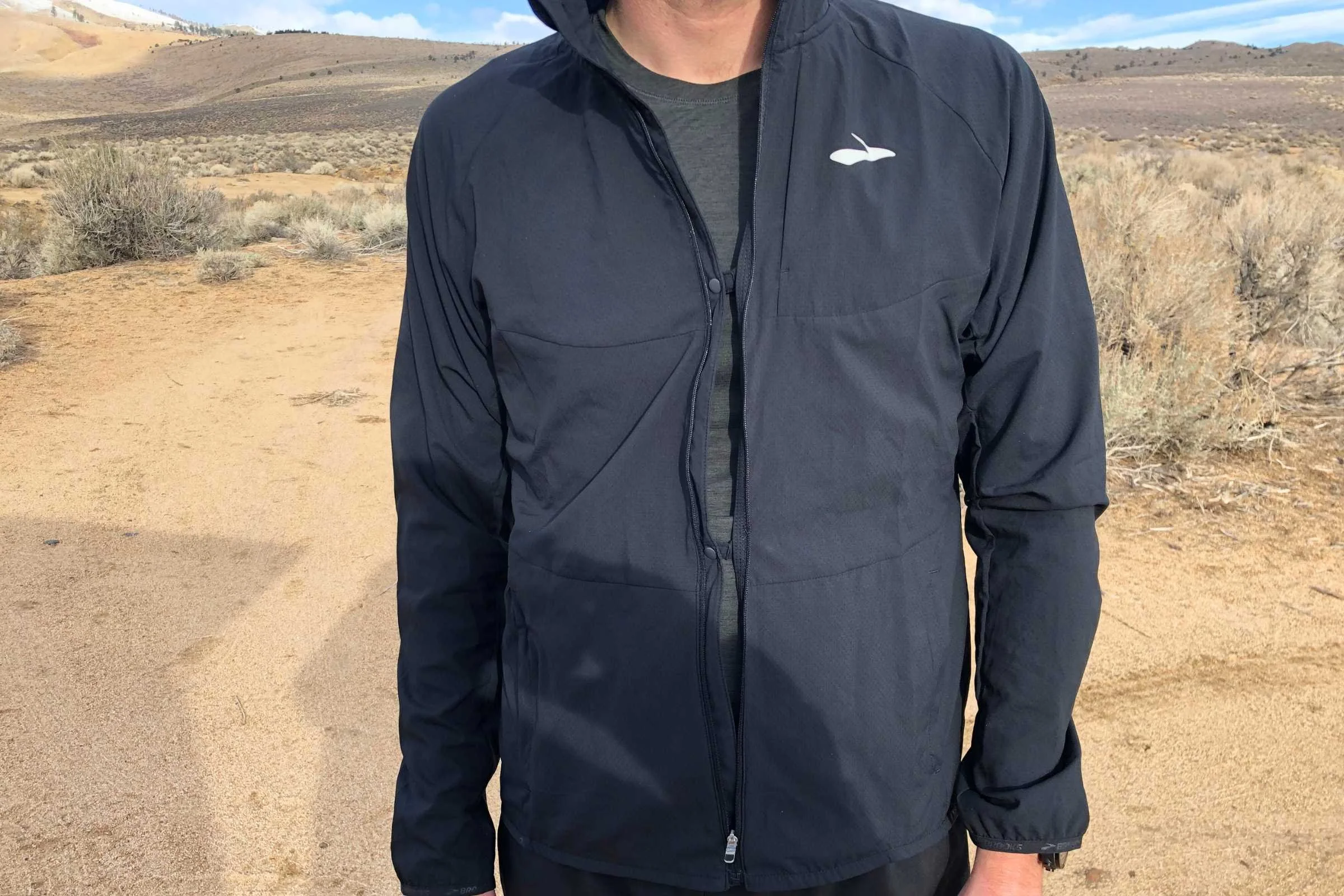
To provide these recommendations, our team of professional athletes and coaches tested over 50 different jackets throughout the 2025 and 2026 seasons. We took these shells to high-elevation trails in the Alps and conducted high-intensity speedwork in the humid conditions of Southeast Asia.
Our testing focuses on three primary metrics:
- Real-world Breathability: We measure internal humidity levels during threshold runs to see how well moisture-wicking technology actually performs under stress.
- Durability: We subject the ripstop fabric to "abrasion tests," mimicking the wear and tear of a hydration vest rubbing against the shoulders over a 100-mile (160 km) race.
- Packability: We verify if the jacket can truly fit into its own packaway pouch and remain small enough for minimalist racing.
Every lightweight running jacket we recommend has survived at least 300 miles (482 km) of testing in varied terrain and weather conditions.
FAQ
What should I look for in a lightweight running jacket?
You should prioritize a balance between weight and breathability. Look for features like moisture-wicking technology, a high moisture vapor transmission rate, and articulated sleeves that allow for a full range of motion. If you plan to race, ensure the jacket has a sufficient hydrostatic head rating and taped seams to meet safety requirements.
Are lightweight running jackets waterproof or water-resistant?
It depends on the specific model. A packable running windbreaker is usually water-resistant, meaning it has a DWR coating to shed light mist. A dedicated waterproof shell, however, uses a membrane and taped seams to block heavy rain entirely. Always check the hydrostatic head rating to confirm the level of protection.
What is the benefit of a packable running jacket?
The primary benefit is versatility. A packable running windbreaker can be folded into a small packaway pouch, making it easy to carry in a pocket or vest. This allows you to start a run in the cold and stow the layer once you warm up, or carry it as an emergency layer for mountain weather changes.
Is a windbreaker the same as a lightweight running jacket?
A windbreaker is a type of lightweight running jacket, but not all lightweight jackets are windbreakers. Windbreakers are specifically designed to block wind and are usually very breathable but not waterproof. Other lightweight jackets might be designed specifically for heavy rain or extreme cold while maintaining a low weight.
Are lightweight running jackets breathable?
Modern lightweight running jacket designs are highly breathable. Many use mechanical ventilation ports and advanced membranes that allow sweat vapor to escape while blocking wind or rain. High-end breathable summer running jackets for humidity are specifically engineered to prevent the "sauna effect" during intense workouts.
How do I wash and care for my running jacket?
To maintain the performance of your lightweight running jacket, wash it on a gentle cycle with a specialized technical detergent. Avoid fabric softeners, as they can clog the pores of the membrane and reduce breathability. Tumble dry on low heat if the care label allows, as this often helps reactivate the water-repellent coating.