
Quick Facts
- Target Sleep: 7-9 hours for adults to regulate immune signaling.
- Veggie Intake: 4-7 servings daily for essential fiber and antioxidants.
- Key Nutrients: Prioritize Vitamin C, Vitamin D, Zinc, and Selenium from whole food sources.
- Physical Activity: 150 minutes of moderate-intensity exercise per week.
- Weight Impact: Maintaining a BMI under 30 is linked to higher vaccine efficacy.
- Major Threat: Chronic stress and high-dose sweeteners are primary immune suppressors.
To strengthen your immune system naturally in 2026, focus on a diet rich in essential micronutrients like beta carotene, vitamin C, and vitamin D. Adopting consistent lifestyle habits, such as prioritizing seven to nine hours of quality sleep and engaging in daily physical activity, supports the production of white blood cells and regulates cytokine levels to maintain a robust immune response.
Nutritional Foundations: The Nutrient-to-Food Map
Building a resilient body starts at the cellular level. To truly strengthen immune system function, we must provide the specific building blocks required for white blood cell production. These cells are your body’s frontline defense against pathogens, and their efficiency depends heavily on your daily intake of micronutrients.
In 2026, health science has moved away from generic multivitamins toward a food-first mapping strategy. For instance, vitamin C is essential for the growth and repair of tissues, but it is most effective when consumed alongside the bioflavonoids found in whole citrus fruits. Similarly, beta carotene, which the body converts into Vitamin A, is vital for maintaining the mucosal barriers in your nose and throat that trap invaders.
One of the most critical science-based steps to strengthen immune system in 2026 involves being mindful of modern food additives. Recent studies suggest that high-dose sweeteners, often found in "diet" products, can inadvertently suppress the immune response by altering the gut environment. Instead, focus on these natural pairings:
| Nutrient | Primary Immune Function | Best Food Sources |
|---|---|---|
| Vitamin C | Supports cellular function and skin barrier | Citrus fruits, bell peppers, strawberries |
| Vitamin D | Modulates innate and adaptive immune responses | Fatty fish, egg yolks, UV-exposed mushrooms |
| Zinc | Essential for immune cell development | Beef, shellfish, pumpkin seeds, lentils |
| Selenium | Reduces oxidative stress and inflammation | Brazil nuts, seafood, organ meats |
| Beta Carotene | Protects respiratory tract membranes | Carrots, sweet potatoes, spinach |

Protein also plays a non-negotiable role. Whether you prefer plant-based foods for immune system function or animal proteins, ensure you are getting enough amino acids to repair immune cells. Zinc and selenium are particularly vital for immune protection and can be found in a variety of nuts, beans, and lean meats.
Lifestyle Pillars: Sleep, Stress, and Physical Activity
While nutrition provides the fuel, your daily routine provides the framework. One of the most effective natural ways to boost immunity is through the mastery of sleep hygiene. During deep sleep, your body produces cytokines, which are proteins that target infection and inflammation. Depriving yourself of rest directly limits your cytokine response, making you more susceptible to seasonal illnesses.
Managing chronic stress is equally important. When we are stressed, the body releases cortisol. While helpful in short bursts, chronic high levels of cortisol can cause systemic inflammation and eventually wear down your defense mechanisms. Incorporating mindfulness or deep-breathing exercises into your morning routine can act as a natural regulator for these hormones.

Physical activity is another pillar that cannot be ignored. A CDC report published in April 2026 found that 47.2 percent of all U.S. adults met federal guidelines for aerobic physical activity. This is significant because moderate exercise helps the lymphatic system circulate immune cells more efficiently throughout the body.
Lifestyle Benchmarks for 2026
- Sleep: 7-9 hours of consistent, restorative rest.
- Movement: 150 minutes of moderate activity (like brisk walking) per week.
- Stress: At least 10 minutes of daily mindfulness to lower cortisol.

In 2026, we also recognize that how sleep quality affects immune system response is personal. Some may need slightly more rest during periods of high physical output or high stress to maintain their health.
Gut Health and The Microbiome Connection
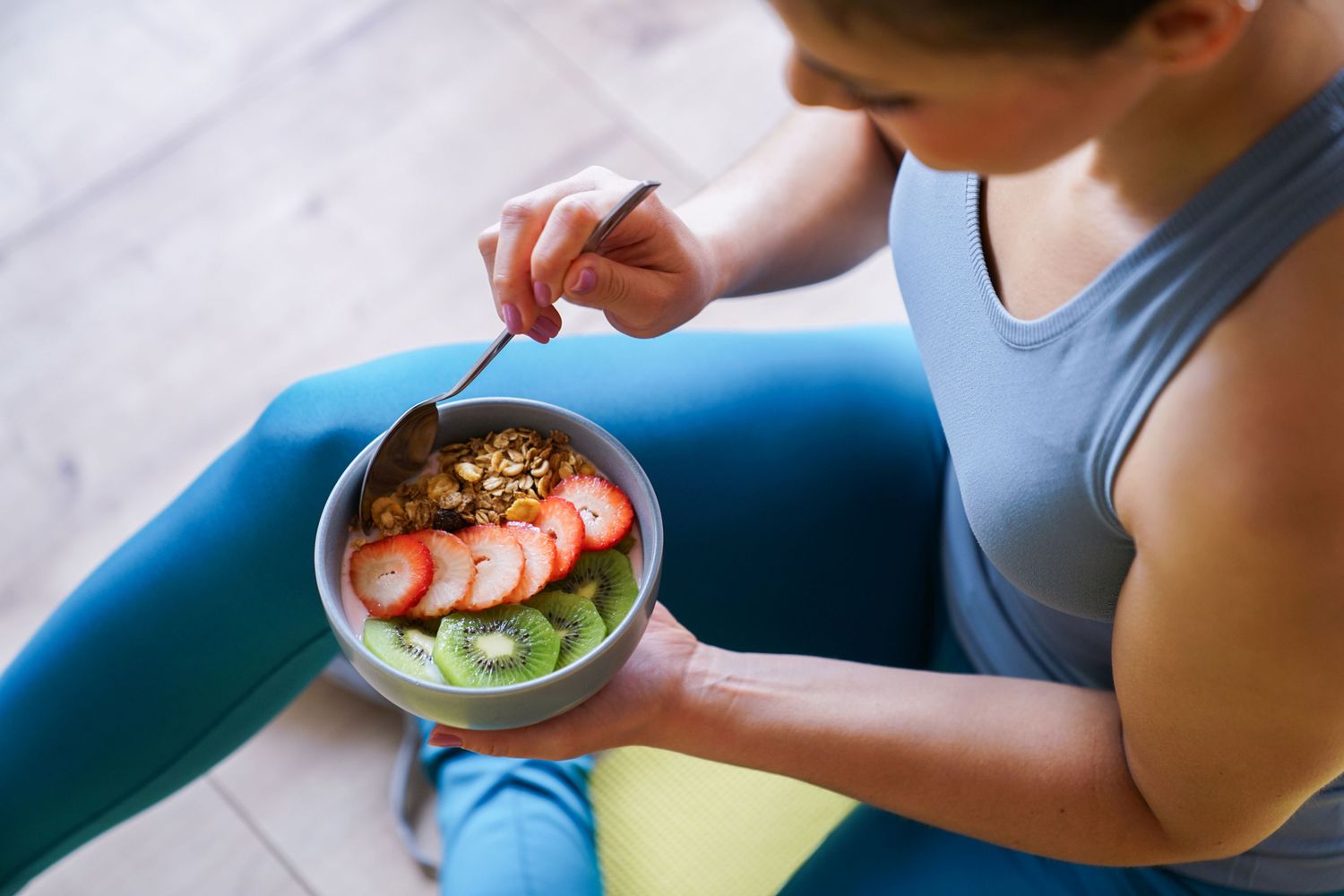
Roughly 70 to 80 percent of your immune cells reside in your gut. This makes the gut health and immunity connection through probiotics a central theme for anyone looking for daily habits to improve immune health naturally. A diverse microbiome acts as a training ground for your immune system, teaching it to distinguish between helpful bacteria and dangerous pathogens.
To enhance microbiome diversity, focus on incorporating fermented foods like yogurt, kefir, sauerkraut, or kimchi into your meals. These foods introduce beneficial bacteria that help crowd out harmful microbes. Fiber is also essential here; it acts as "prebiotics," feeding the good bacteria already in your system. By reducing systemic inflammation through a healthy gut, you allow your immune system to focus its energy on external threats rather than internal imbalances.
Advanced 2026 Safety: Vaccines and Weight Management
Preventive care in 2026 involves more than just lifestyle changes for better immune health; it also requires understanding the biological factors that influence how our bodies respond to medical interventions. One key finding in recent years is the link between body mass index (BMI) and the effectiveness of preventative measures like vaccines.
Studies have shown that individuals with a BMI over 30 may experience a reduced response to common vaccinations, such as those for the flu or Hepatitis B. This is largely due to the chronic low-grade inflammation often associated with higher levels of adipose tissue, which can distract the immune system. Maintaining a healthy weight through balanced nutrition and exercise isn't just about aesthetics; it is a vital part of staying safe and ensuring your body can mount a strong defense when it counts.
Furthermore, we must pay attention to the specific needs of different age groups. Immune-supporting nutrients for seniors and older adults, such as increased vitamin d and zinc sources for immune protection, are crucial as the immune system naturally weakens with age. Following the updated 2026 vaccine schedule provided by your healthcare provider remains a foundational step in your overall wellness strategy.
Myth vs. Reality: Supplements and Additives
In the quest to strengthen immune system health, it is easy to fall for "miracle cures" or high-dose supplements. However, professional healthcare editors and scientists urge caution. Most people can get all the nutrients to support immune response through a varied diet. Over-supplementing with certain fat-soluble vitamins can actually be counterproductive or even toxic.
We are also seeing more scientific warnings about common additives. Some emulsifiers and preservatives used in ultra-processed foods have been shown to disrupt the gut barrier, leading to increased inflammation. The most science-backed ways to boost immunity during flu season involve returning to basics: whole foods, hydration, and proper hand hygiene.

Instead of reaching for a bottle of expensive pills, prioritize staying hydrated. Water is essential for the production of lymph, the fluid that carries white blood cells through your body. Simple, consistent actions are almost always more effective than expensive, unproven shortcuts.
FAQ
What are the best foods to strengthen the immune system?
The best foods are those rich in micronutrients and antioxidants. Focus on citrus fruits for Vitamin C, leafy greens for beta carotene, fatty fish for Vitamin D, and Brazil nuts for selenium. Plant-based proteins like beans and lentils, along with zinc-rich foods like beef or pumpkin seeds, provide the necessary building blocks for immune cell repair.
How can I boost my immune system naturally?
You can boost your immune system naturally by adopting a holistic lifestyle. This includes getting 7 to 9 hours of quality sleep, managing stress through mindfulness, staying physically active for at least 150 minutes a week, and eating a diet rich in fermented foods to support your gut microbiome.
Do vitamins and supplements really help immunity?
While certain nutrients are vital, supplements are generally only necessary if you have a documented deficiency. It is much more effective to get your vitamins from whole foods, as they contain fiber and phytonutrients that help with absorption. Always consult a professional before starting high-dose regimens.
What lifestyle habits weaken the immune system?
Chronic stress, lack of sleep, and a sedentary lifestyle are the primary culprits. Additionally, a diet high in ultra-processed foods and artificial sweeteners can cause systemic inflammation, which distracts and weakens your body's natural defense against pathogens.
Does exercise help or hurt the immune system?
Moderate, regular exercise is highly beneficial as it supports the lymphatic system and helps immune cells circulate. However, extreme, high-intensity overtraining without adequate recovery can temporarily suppress the immune response. Balance is key.
How does sleep affect immune health?
Sleep is when your body undergoes critical repair and produces cytokines, which are proteins used to fight off infections. Poor sleep quality or duration directly reduces the number of these protective proteins, making you much more likely to get sick after being exposed to a virus.