Quick Facts
- Case Study: Julianne Moore (20+ years of Ashtanga yoga practice)
- Frequency: 3 sessions per week for optimal mental clarity and flexibility
- Science Metric: 43% increase in telomerase activity linked to regular practice
- Primary Benefit: Lowered cortisol levels and reduced oxidative stress
- Physical Target: Muscle density and connective tissue resilience
- Cognitive Link: Direct improvement in neuroplasticity and hippocampal volume
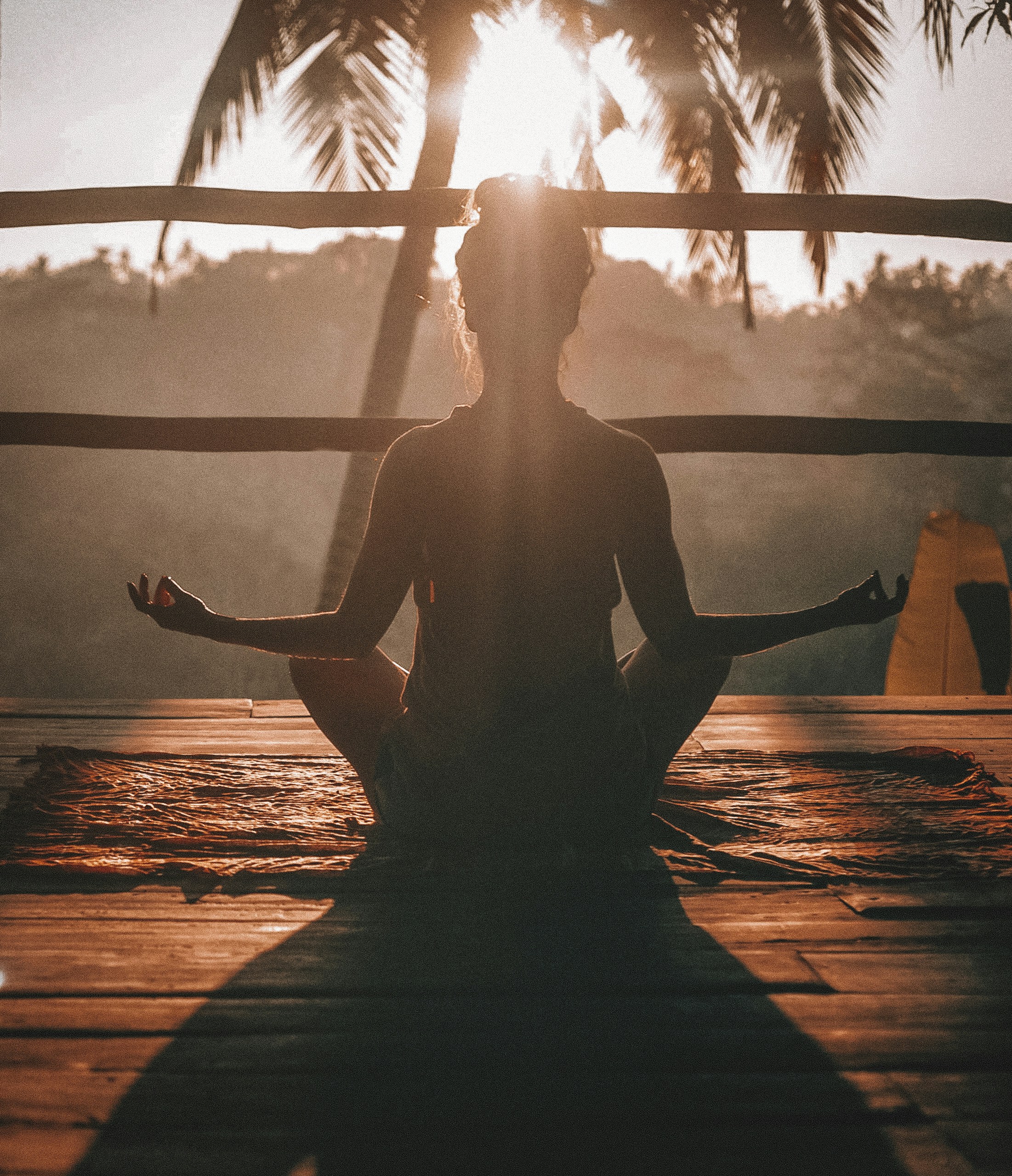
Yoga longevity is the result of a multifaceted biological impact involving lowered cortisol levels, reduced oxidative stress, and the maintenance of functional mobility. Regular practice, such as hatha yoga, improves muscle quality and strengthens connective tissues while enhancing parasympathetic nervous system function to slow aging at a cellular level. Healthy aging routines like those followed by Julianne Moore emphasize the connection between physical movement and cognitive health. By integrating consistent hatha yoga and mindfulness, practitioners can improve attention, memory, and reasoning while maintaining the physical strength necessary to prevent age-related decline and frailty.
The Julianne Moore Method: 20 Years of Consistency
In the world of longevity, we often look for the next "biohack" or expensive supplement, but some of the most effective strategies come from simple, disciplined routines. Julianne Moore, currently holding a vibrant presence in her 60s, is a prime example of how yoga longevity is built over decades, not days. She has consistently practiced Ashtanga yoga for approximately 20 years as a primary component of her health and fitness routine.
Her approach is not about "fighting" age but about functioning at a high level. Moore famously rejects the term "aging gracefully," preferring to focus on aging naturally. This philosophy aligns perfectly with preventive medicine. By committing to her yoga routine at least three times per week, she maintains the flexibility and mental clarity needed to manage a demanding career and personal life. For Moore, yoga is not just a workout; it is a mindfulness practice that anchors her daily life.
The julianne moore yoga routine for longevity highlights one of the most important factors in yoga and aging: consistency. Ashtanga, a more vigorous form of yoga, focuses on a specific sequence of postures synchronized with the breath. This creates an internal heat that purifies the body and strengthens the nervous system. By prioritizing yoga for longevity, Moore effectively manages the physical and mental stressors that typically accelerate biological aging.
Cellular Defense: How Yoga Counteracts Biological Aging
As a health editor, I often look beyond the mirror to see what is happening at the cellular level. One of the most common questions from readers is: can yoga reverse aging? While we cannot turn back the clock entirely, can yoga reverse aging processes at the chromosomal level? The answer lies in telomeres and telomerase.
Telomeres are the protective caps on the ends of our chromosomes. As they shorten, our cells lose their ability to divide and function, leading to what scientists call "inflammaging." Chronic stress and high cortisol regulation issues are major drivers of telomere shortening. Research involving individuals who engage in regular yoga breathing meditation and longevity practices has shown a significant impact on an enzyme called telomerase, which helps maintain and repair these chromosomal caps. Some studies have even observed a 43% increase in telomerase activity in practitioners who combine asanas with meditation.
Beyond the chromosomes, the physical practice impacts oxidative stress. When we engage in controlled movement and focused breathing, we reduce the production of free radicals that damage our cellular health. This protective effect ensures that our muscle density and connective tissue remain resilient as we age. By reducing the overall inflammatory load on the body, yoga longevity becomes a tangible biological reality rather than just a fitness buzzword.
Key Biological Markers Impacted by Yoga
- Cortisol Management: Lowering the "stress hormone" prevents tissue breakdown.
- Oxidative Stress: Focused breathing reduces cell damage from reactive oxygen species.
- Telomere Protection: Enhanced telomerase activity slows the pace of cellular senescence.
- Nervous System Balance: Shifting from "fight or flight" to "rest and digest" improves recovery.
Functional Mobility: The Best Hatha Yoga Asanas for Longevity
For those wondering how to start yoga for longevity after 50, hatha yoga is often the ideal entry point. Unlike high-intensity interval training, which can sometimes tax the joints, hatha yoga focuses on held poses that improve muscle quality and functional mobility. These movements require eccentric muscle control, where the muscle lengthens under tension, a key factor in maintaining muscle density and preventing sarcopenia.
In Julianne Moore's routine, balance and core strength are foundational. As we age, the risk of falls becomes a significant concern for longevity. Poses that challenge our stability are essential preventive medicine. Incorporating specific yoga asanas for longevity can help maintain the independent lifestyle we all strive for.
| Yoga Style | Primary Longevity Benefit | Target Area |
|---|---|---|
| Hatha Yoga | Structural integrity and functional mobility | Connective tissue and joints |
| Ashtanga Yoga | Cardiovascular stamina and muscle density | Metabolic health |
| Kundalini | Cognitive function and brain health | Hippocampal volume |
| Yin Yoga | Connective tissue hydration and fascia health | Deep structural tissues |
Consider the Tree Pose, which Moore has often practiced. It focuses on the stabilizer muscles of the ankle and hip. Another essential is the Downward-Facing Dog, which provides a gentle inversion to support the lymphatic system and stretches the posterior chain, which often tightens as a result of sedentary behavior. For hatha yoga for healthy aging, the goal is not to achieve the most "advanced" pose, but to maintain a full range of motion in the spine, hips, and shoulders.
Cognitive Longevity: Breathing, Meditation, and Brain Health
Longevity is not just about the body; it is about the brain. Julianne Moore has been a vocal advocate for brain health, even partnering with initiatives focused on cognitive screening and healthy aging. The connection between physical movement and neuroplasticity is one of the most exciting areas of longevity research today.
Practicing yoga breathing meditation and longevity techniques helps increase the volume of the hippocampus, the part of the brain responsible for memory and learning. When we combine physical asanas with structured breathwork, we improve blood flow to the brain and enhance executive function. This is particularly evident in Kundalini yoga, where specific sequences of sound and movement have been shown to improve memory and reasoning in adults experiencing mild cognitive decline.

The parasympathetic nervous system function is the bridge between the two. By practicing deep, rhythmic breathing, we signal to the brain that the body is safe. This reduces the cognitive burden of chronic stress, allowing the brain to focus on repair and maintenance rather than survival. This holistic integration is why yoga longevity is so effective for the long-term health of both the body and the mind.
FAQ
Why do yogis live so long?
Many long-term practitioners enjoy extended lifespans because yoga addresses multiple pillars of health simultaneously. It lowers chronic inflammation, improves cardiovascular health through controlled breathing, and maintains functional mobility. By reducing the stress response and regulating cortisol, yogis often avoid many lifestyle-related diseases that shorten life expectancy.
What is the best exercise for life expectancy?
There is no single exercise, but a combination of resistance training, cardiovascular activity, and mobility work is ideal. Yoga is unique because it combines strength, balance, and stress reduction. For those focused on a long healthspan, yoga is arguably the best "all-in-one" practice because it protects against the most common age-related issues, such as falls and cognitive decline.
What happens to your body after 30 days of yoga?
Within the first 30 days, most people report a significant reduction in perceived stress and an improvement in sleep quality. Physically, you will likely notice increased flexibility in the hamstrings and spine. On a cellular level, your body begins to shift toward a more balanced autonomic nervous system, which sets the foundation for improved immune function and recovery.
Do yogis age well?
Yes, yogis generally experience higher levels of vitality because the practice prioritizes the health of the connective tissue and the spine. By maintaining a supple body and a calm mind, long-term practitioners like Julianne Moore demonstrate that aging can be a process of maintaining strength and clarity rather than a period of decline.