Quick Facts
- Chronic Rate: Approximately 10% of adults suffer from chronic insomnia disorder, which is clinically defined as experiencing sleep difficulties at least three nights per week for three months or longer.
- Gender Gap: Research indicates that women have a lifetime risk of developing insomnia that is as much as 40% higher than that of men.
- The 20-Minute Rule: Healthy sleepers typically take 15-20 minutes to fall asleep; a faster onset is often a sign of high sleep debt.
- Ideal Temp: Maintaining a bedroom environment between 65-68°F is scientifically recommended for optimal core temperature regulation.
- Economic Cost: Sleep deficiency is not just a personal health issue; it costs the United States roughly $411 billion annually in lost productivity and accidents.
- Core Definition: Insomnia is not limited to difficulty falling asleep; it also encompasses trouble staying asleep or waking up too early.
Sleep is not an 'off switch' for the brain. Many believe common sleep misconceptions that actually hinder their rest. This guide debunks 5 common insomnia myths using the latest research on circadian rhythms and sleep hygiene tips to help you achieve better nightly rest. Approximately 10% of adults suffer from chronic insomnia, yet misconceptions about alcohol and 'sleep debt' persist.
While alcohol may cause initial drowsiness, it significantly impairs sleep quality by disrupting REM cycles and causing frequent awakenings. Research shows that even small amounts of alcohol can alter sleep architecture, preventing the body from achieving deep, restorative rest and often worsening insomnia symptoms over time. Falling asleep instantly in any environment is frequently a sign of excessive daytime sleepiness rather than healthy sleep habits. This behavior often indicates chronic sleep deprivation or an underlying sleep disorder, suggesting that the individual is carrying a significant sleep debt that requires consistent sleep hygiene to resolve.
Myth 1: Alcohol Helps You Sleep Better
One of the most pervasive insomnia myths is the idea of the "nightcap." Many people reach for a glass of wine or a cocktail to help them unwind, believing that the sedative properties of alcohol and sleep quality go hand in hand. While it is true that alcohol is a central nervous system depressant that can shorten the time it takes to fall asleep, the internal cost is high.
As your body begins to metabolize the alcohol, it undergoes a "rebound effect." This process shifts your sleep architecture, leading to fragmented rest and a significant reduction in REM sleep cycles. REM, or Rapid Eye Movement sleep, is crucial for cognitive functions like memory consolidation and emotional regulation. When this stage is compromised, you may wake up feeling groggy, unfocused, and irritable, even if you were "unconscious" for eight hours.
Furthermore, the effect of alcohol on sleep quality debunked by sleep scientists highlights that alcohol relaxes the muscles in the throat. This can exacerbate breathing issues, such as snoring or sleep apnea, further disrupting sleep maintenance throughout the night. Instead of relying on substances, focusing on better sleep habits like evening meditation or herbal teas can provide the relaxation you seek without the physiological toll.
Myth 2: You Can Catch Up on Sleep During the Weekend
We have all been there—surviving a grueling work week on five hours of sleep a night with the plan to "recover" by sleeping until noon on Saturday. Unfortunately, the concept of catching up on sleep debt is largely a fallacy. Your body does not function like a bank account where you can simply deposit hours to balance a deficit.
When you drastically change your wake-up time on the weekends, you create a phenomenon known as social jetlag. This shifts your circadian rhythm, making it much harder to fall asleep on Sunday night and perpetuating a cycle of exhaustion. Consistency is the cornerstone of sleep hygiene tips. The brain thrives on a predictable schedule to regulate melatonin production and cortisol levels.
Lily’s Tip: If you have had a particularly rough week, try to limit your weekend sleep-in to no more than one hour past your usual wake-up time. Instead of extra hours in bed, focus on a 20-minute power nap in the early afternoon to boost alertness without sabotaging your nightly rest.
Myth 3: Falling Asleep Anywhere is a Sign of a 'Good Sleeper'
We often envy the person who can nod off on a noisy bus, in a bright waiting room, or within seconds of their head hitting the pillow. However, in the world of preventive healthcare, this is often viewed as a red flag. Falling asleep too quickly—usually in under five minutes—is one of the primary signs of excessive daytime sleepiness explained by chronic sleep deprivation.
A healthy individual typically experiences a sleep latency of 15 to 20 minutes. This period allows the body to transition from a state of wakefulness to light sleep gradually. If you find yourself drifting off in any environment, it is likely that your brain is so starved for rest that it is forcing "micro-sleeps" to cope.
This level of exhaustion often points to different types of chronic insomnia symptoms or other underlying issues like sleep apnea. To address this, it is vital to look at the total sleep efficiency of your night. Are you spending ten hours in bed but only getting six hours of quality rest? Improving the bedroom environment and sticking to a routine can help resolve the underlying sleep debt that causes this immediate "conking out" behavior.
Myth 4: Insomnia Only Means Having Trouble Falling Asleep
Many people dismiss their sleep struggles because they can fall asleep easily, even though they wake up at 3:00 AM and toss and turn for hours. This is a major misunderstanding of the condition. In reality, there are three distinct types of insomnia:
- Sleep Onset Insomnia: Difficulty falling asleep at the beginning of the night.
- Sleep Maintenance Insomnia: Frequent or prolonged wakenings during the middle of the night.
- Early Morning Awakening: Waking up much earlier than desired and being unable to return to sleep.
When discussing insomnia health risks for women vs men, it is important to note that women are nearly 40% more likely to experience these various forms of insomnia. This gap is often attributed to hormonal fluctuations during the menstrual cycle, pregnancy, and menopause, as well as higher reported levels of stress and anxiety.
Understanding that insomnia is a multifaceted disorder allows for more targeted interventions. For instance, if your issue is sleep maintenance, you might need to evaluate your evening routine changes for sleep quality, such as reducing fluid intake before bed or addressing fluctuating cortisol levels that might be triggering early wakefulness.
Myth 5: You Must Stay in Bed Until You Fall Asleep
The harder you try to sleep, the more elusive it becomes. This is a psychological trap known as "orthosomnia"—the anxiety of striving for the perfect sleep. One of the most common sleep misconceptions is that staying in bed and "trying harder" will eventually lead to rest.
In reality, if you are awake in bed for more than 20 minutes, your brain begins to form a conditioned association between the bed and feelings of frustration and wakefulness. This weakens the psychological trigger that the bedroom environment is a place for sleep.
The scientifically backed 20-minute rule suggests that if you cannot sleep, you should get out of bed. Go to another room, keep the lights low, and engage in a quiet, non-stimulating activity like reading a physical book or doing a puzzle. Only return to bed when you feel genuinely sleepy. This practice helps preserve the sanctity of the bed as a place for rest and intimacy only.

Comparing Sleep Myths vs. Scientific Reality
| Myth | Scientific Reality | Actionable Fix |
|---|---|---|
| Alcohol aids sleep | Alcohol fragments sleep and ruins REM cycles | Stop drinking 3-4 hours before bed |
| Catch up on weekends | Causes social jetlag and disrupts rhythm | Keep wake times consistent (+/- 1 hour) |
| Falling asleep fast is good | Usually indicates severe sleep deprivation | Aim for 7-9 hours of consistent rest |
| Insomnia is only about onset | Includes maintenance and early waking | Track patterns to identify the specific type |
| Stay in bed to sleep | Creates anxiety and poor bed association | Use the 20-minute rule; leave the room |
Professional Guidance: When Hygiene Isn't Enough
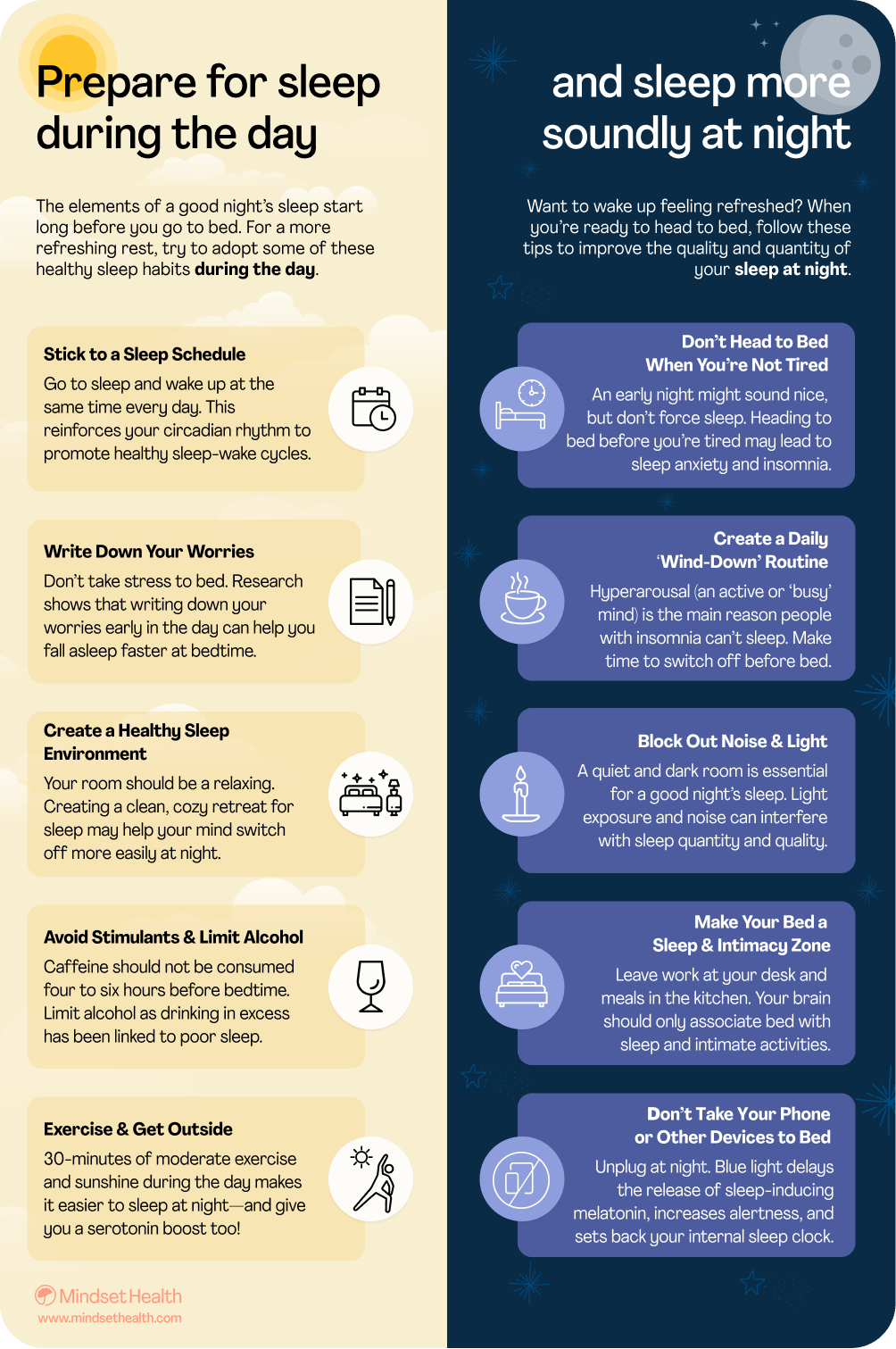
While improving your sleep hygiene tips—such as maintaining a cool room and limiting blue light—can work wonders for acute sleeplessness, chronic insomnia often requires a deeper approach. Preventive care is about identifying when a lifestyle tweak needs to become a clinical conversation.
If your sleep issues persist for more than three months, it is time to consult a specialist. The gold standard for treating chronic insomnia is not medication, but CBT-I techniques (Cognitive Behavioral Therapy for Insomnia). CBT-I addresses the thoughts and behaviors that keep you awake and has been shown to be more effective for long-term sleep efficiency than sedative-hypnotics.

Other factors to consider include underlying medical conditions like restless legs syndrome or nutritional deficiencies in magnesium or vitamin D. By taking a holistic view of your health—looking at diet, stress management, and physical activity—you can build a foundation for lasting nightly rest.
FAQ
What are the most common myths about insomnia?
The most frequent insomnia myths include the idea that alcohol is a helpful sleep aid, that you can fully recover from a week of poor sleep on the weekend, and that insomnia only refers to difficulty falling asleep. Many also falsely believe that staying in bed while frustrated will eventually lead to sleep.
Is it a myth that everyone needs 8 hours of sleep?
Yes, the "8-hour rule" is a general guideline rather than a strict requirement for every individual. While the National Sleep Foundation recommends 7-9 hours for most adults, some people may function well on slightly less, while others require more. The quality and consistency of sleep are often more important than the exact number of hours.
Can you catch up on missed sleep on the weekend?
No, you cannot truly catch up on sleep myths. Sleeping in on Saturday and Sunday may provide a temporary boost in alertness, but it does not reverse the cognitive impairment or metabolic disruptions caused by a week of sleep deprivation. Furthermore, it disrupts your circadian rhythm, making it harder to sleep the following week.
Does drinking alcohol help with insomnia?
While alcohol might help you fall asleep faster due to its sedative effects, it is not a solution for insomnia. It significantly disrupts your sleep architecture, leading to poor REM sleep and frequent awakenings as the alcohol is metabolized, ultimately leaving you more exhausted the next day.
Is it a myth that you should stay in bed if you can't sleep?
It is a myth. Staying in bed while awake and frustrated trains your brain to associate the bed with wakefulness and anxiety. Most experts recommend the 20-minute rule: if you aren't asleep after 20 minutes, leave the bedroom and do something relaxing until you feel sleepy.
Do older people need less sleep as they age?
This is a common misconception. Older adults need roughly the same amount of sleep as younger adults (7-9 hours). However, aging can change sleep patterns, leading to lighter sleep and more frequent awakenings, which often results in seniors getting less rest than they actually need.
Embracing the truth about these insomnia myths is the first step toward a healthier lifestyle. By prioritizing consistency over "catch-up" and relaxation over "trying harder," you empower your body to find its natural rhythm. Remember, better sleep is not a luxury—it is the foundation of your long-term wellness.