Quick Facts
- The Core Issue: Approximately 51% of Americans engage in 'revenge bedtime procrastination' to regain a sense of control over their personal time.
- The Cultural Root: The term originates from the Chinese phrase bàofùxìng áoyè, reflecting a "revenge" against a day that lacked personal freedom.
- The Biological Cost: Staying awake for 17 to 19 hours straight results in cognitive impairment equivalent to a 0.05% blood alcohol level.
- Gen Z Habits: Younger generations are hit hardest, delaying their sleep an average of four nights per week, primarily due to social media use.
- The Intention-Behavior Gap: Most people who stay up late actually want to sleep but suffer from a disconnect between their goals and their actions.
- The Primary Solution: Effective recovery requires reclaiming daytime autonomy and reducing the cognitive load that leads to late-night decision fatigue.
Revenge bedtime procrastination is the deliberate decision to delay sleep to reclaim personal time after a day of overwhelming obligations. This behavior stems from a perceived lack of daytime autonomy, leading individuals to sacrifice rest for leisure activities like scrolling social media to feel in control of their schedule. To stop staying up late, it is essential to address the intention-behavior gap by reclaiming small moments of autonomy during the day, reducing work-life imbalance, and implementing a pre-sleep wind-down routine that signals the brain to transition from daytime stress to nighttime relaxation.

Understanding the 'Revenge': Why You Sabotage Your Sleep
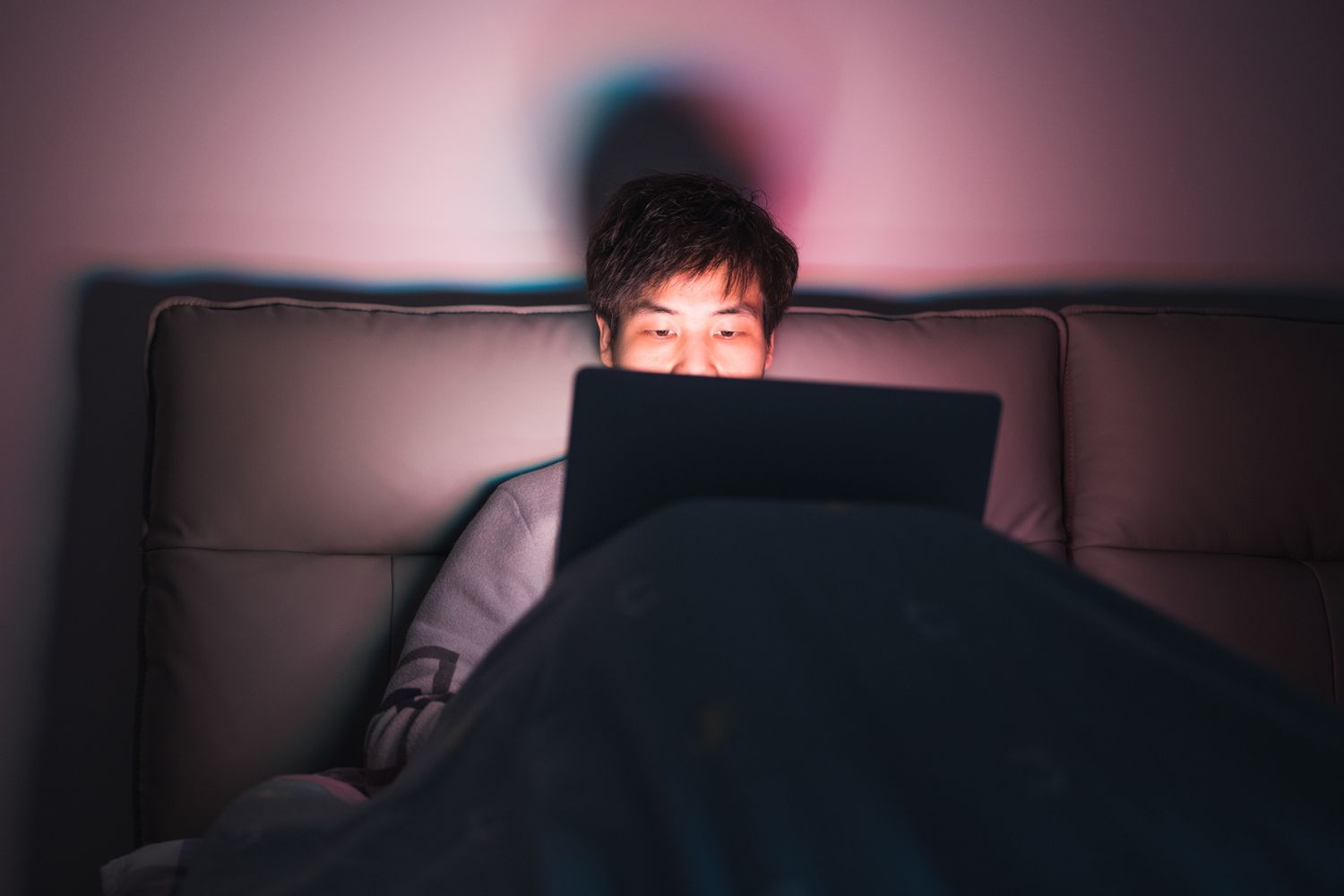
We have all been there. The house is finally quiet, the laptop is closed, and the chores are done. Even though your eyes feel heavy, you pick up your phone. One video becomes ten, and suddenly it is 1 AM. This phenomenon, often called bàofùxìng áoyè, is not a simple case of laziness or poor time management. For many busy professionals, it is a psychological response to a day where they felt they had no agency. When your daylight hours are owned by a demanding boss, a long commute, or household duties, the late-night hours feel like the only time you truly belong to yourself.
The problem lies in the intention-behavior gap. You have every intention of going to bed at 10:30 PM, but when the moment arrives, your executive function is depleted. Executive function is like a battery that powers your ability to make disciplined choices. After a day of constant problem-solving and emotional labor, that battery is empty. This leads to what psychologists call self-regulation failure. Instead of choosing the restorative rest you need, you choose the immediate gratification of a digital distraction.
This behavior is a primary signal of burnout. If you feel the need to steal hours from the night just to feel like a person, it is a sign that your daytime work-life balance is tilted too far toward obligation and too far away from psychological autonomy. Understanding that this is a quest for freedom—not just a bad habit—is the first step toward finding more sustainable ways to feel in control.

Tip 1: Reclaim Micro-Autonomy During the Day
The most effective daytime strategies to reduce nighttime sleep procrastination actually begin at 9 AM, not 9 PM. If the urge to stay up late is a "revenge" for a lack of control, the solution is to sprinkle moments of control throughout your workday. We often treat our schedules as a solid block of tasks, but this creates a pressure cooker effect that explodes at night.
Start by setting firm boundaries. This might mean taking a full 30-minute lunch break without looking at your email or scheduling a 10-minute walk in the afternoon that is purely for your own enjoyment. By reclaiming micro-autonomy during the day, you satisfy the psychological hunger for personal time before the sun goes down. This reduces the desperate need to "catch up" on life during the hours you should be sleeping.
Furthermore, physical movement plays a significant role in sleep schedule management. Aiming for 150 minutes of moderate activity per week helps build sleep pressure—the biological drive to sleep. When your body is physically tired from movement rather than just mentally exhausted from stress, the transition to sleep becomes more of a biological necessity and less of a psychological negotiation.
Tip 2: Break the Digital Doomscrolling Loop
Technology is the fuel that keeps revenge bedtime procrastination burning. TikTok and other algorithm-driven platforms are designed to exploit our waning willpower. For Gen Z, TikTok is cited as the primary digital distraction for nearly half of the generation. The danger here is twofold: the psychological hook of the content and the physical impact of blue light exposure.
When you engage in doomscrolling, you are exposing your eyes to blue light that suppresses melatonin production. Melatonin is the hormone that tells your body it is time to sleep. By flooding your brain with light at midnight, you are essentially telling your internal clock that it is still midday, which wreaks havoc on your circadian rhythm.
The Friction Strategy
To stop the cycle, you need to introduce friction. Our brains are wired to take the path of least resistance. If your phone is on your nightstand, you will reach for it.
- Charge Outside the Bedroom: Move your charger to the kitchen or bathroom. This simple physical barrier makes the choice to scroll a conscious, inconvenient decision rather than an automatic one.
- Use Grayscale Mode: Turning your phone screen to black and white makes social media significantly less stimulating and addictive.
- App Blockers: Tools like Forest allow you to grow a digital tree that withers if you leave the app, gamifying the process of staying off your phone.

Tip 3: Create a Non-Negotiable 'Closing Ritual'
The brain needs a bridge between the high-alert state of a workday and the low-alert state of sleep. Many people who value personal time find that they don't actually want to scroll on their phones; they just want a way to decompress. A bedtime routine for people who value personal time should focus on restorative, analog activities that provide a sense of luxury and self-care.
Think of this as a closing ritual for your day. This might include:
- Dimming the Lights: An hour before bed, switch to warm, low-level lighting to encourage natural melatonin production.
- Analog Leisure: Replace the phone with a physical book, a journal, or a hobby like knitting or sketching. These activities provide the "me time" you crave without the cognitive load of digital consumption.
- Brain Dumping: If your mind is racing with tomorrow's to-do list, spend five minutes writing everything down. This externalizes the stress and reduces the mental energy required to keep track of obligations.
The goal of this ritual is to signal to your nervous system that the "fight or flight" part of the day is over. By focusing on sensory experiences—the smell of lavender, the feel of clean sheets, or the sound of a guided meditation—you move out of your head and into your body, making it much easier to bridge the intention-behavior gap.

Tip 4: Optimize Your Circadian Rhythm
Consistency is the bedrock of healthy bedtime habits. Your body thrives on a predictable rhythm. When you stay up late on weekdays and try to "catch up" on weekends, you create a state of social jetlag. This confuses your internal clock and makes it even harder to fall asleep at a reasonable hour on Sunday night.
Effective sleep schedule management involves honoring your natural chronotype while maintaining a consistent wake-up time. Even for night owls, having a set time to rise helps regulate cortisol levels. Cortisol should be high in the morning to wake you up and low in the evening to allow for rest. If you are constantly delaying sleep, your cortisol levels can stay elevated late into the night, keeping you in a state of wired-but-tired exhaustion.
| Impact Category | 17 Hours Awake (No Sleep) | 24 Hours Awake (No Sleep) |
|---|---|---|
| Cognitive Equivalence | 0.05% Blood Alcohol Level | 0.10% Blood Alcohol Level |
| Reaction Time | Significantly Slower | Severely Impaired |
| Emotional State | Irritable / Anxious | High Risk of Emotional Outbursts |
| Decision Making | Risky / Impulsive | Severely Compromised |
If you are looking for realistic sleep schedule management for night owls, don't try to force yourself to be a 5 AM riser if your body isn't built for it. Instead, focus on a consistent seven to eight-hour window that fits your life, and use light exposure in the morning to anchor your rhythm.
Tip 5: Reframe Sleep as Self-Care, Not a Chore
Perhaps the most important shift is a mental one. Many of us view sleep as a boring necessity or a thief of our free time. This mindset is what fuels behavioral techniques to overcome bedtime revenge. We need to stop seeing sleep as a restriction of our freedom and start seeing it as the ultimate act of self-preservation.
When we are sleep-deprived, research shows a 60% increase in emotional reactivity. This means that the "revenge" you take on your sleep tonight actually makes tomorrow much harder to handle. By choosing sleep, you are choosing a version of yourself that is more patient, more creative, and more capable of handling the demands of the day.
Practice cognitive reframing by changing your internal dialogue. Instead of saying, "I have to go to bed now," try saying, "I am choosing to give myself the rest I deserve so I can enjoy tomorrow." This simple shift reinforces your sense of self-regulation and makes the choice to sleep feel like an act of empowerment rather than a loss of control. Reclaiming your sleep is, in many ways, the ultimate way to stop revenge bedtime procrastination tonight.

FAQ
What is revenge bedtime procrastination?
Revenge bedtime procrastination is a psychological phenomenon where individuals stay up later than intended, despite being tired, to reclaim a sense of personal freedom and leisure time that they felt was missing during their busy daytime hours. It is often characterized by mindless activities like scrolling social media or watching television.
How do I stop revenge bedtime procrastination?
To stop this habit, you must address both daytime and nighttime behaviors. Start by reclaiming micro-moments of autonomy during the day, setting work-life boundaries, and introducing "friction" into your nighttime routine by keeping digital devices out of the bedroom. Establishing a consistent, non-screen wind-down ritual is also crucial.
Why do I stay up late even when I am tired?
You likely stay up late because your executive function—the mental energy required for self-control—is depleted by the end of the day. When you feel a lack of control over your daytime schedule, your brain seeks "revenge" by taking back hours from the night, even if it leads to exhaustion the next day.
Is revenge bedtime procrastination a sign of burnout?
Yes, it is often a significant red flag for burnout. When your life feels like a never-ending list of obligations for others, you naturally crave time where you are the sole decision-maker. If sleep feels like the only thing you can "control" or sacrifice to get that time, it suggests your current lifestyle is unsustainable.
What is the psychology behind delaying sleep for personal time?
The psychology centers on the concept of psychological autonomy and the intention-behavior gap. We have a fundamental human need to feel in control of our lives. When that need isn't met during the day, we attempt to fulfill it at night, even though our logical brain knows that the lack of sleep will be detrimental in the long run.