Quick Facts
- Symmetry Rule: Normal delayed onset muscle soreness symptoms are typically bilateral, appearing on both sides of the body, whereas injuries are often unilateral.
- Heart Rate Marker: An increase of 7 bpm or more in your morning resting heart rate is a major red flag for incomplete recovery.
- Recovery Timeline: Standard soreness should peak and begin to subside within 24 to 72 hours; pain lasting longer requires a diagnostic check.
- Protein Target: To repair muscle micro-trauma, you should aim for 1.4g to 2.0g of protein per kilogram of body weight daily.
- Volume Limit: To avoid overtraining syndrome, never increase your weekly training volume by more than 10%.
- Hydration Check: Visible white salt on your skin after training indicates high-concentration sodium loss and a need for electrolyte replenishment.
Distinguishing between normal soreness and injury is vital for safe training. Understanding your body's workout recovery signals—from heart rate spikes to sleep patterns—is the difference between progress and burnout. Recognizing workout recovery signals involves monitoring physical pain symmetry, biometric shifts like elevated resting heart rate, and lifestyle markers such as sleep quality. Safe recovery is confirmed when soreness is symmetrical and subsides within 72 hours, while signs of overtraining like chronic fatigue or sharp, localized pain require immediate rest or medical consultation.
1. The Symmetry Test: Muscle Soreness vs Injury
You finish a heavy leg day, and the next morning, rolling out of bed feels like a feat of strength. Is that the "good" kind of pain that leads to growth, or have you actually caused damage? To build a sustainable athletic career, you must master the muscle soreness vs injury diagnostic checks. The most reliable tool in your arsenal is the Symmetry Rule. Generally, delayed onset muscle soreness symptoms affect the muscle groups you worked on both sides of the body equally. If both quadriceps are tender to the touch, your body is likely processing standard metabolic waste and repairing microscopic tears.
However, when pain becomes unilateral—affecting only the left knee or the right hamstring—you should stop and evaluate. Sharp, stabbing sensations that occur during specific movements are another major red flag. While standard soreness feels like a dull ache that improves as you move and blood flow increases, an acute injury often feels worse with activity. If you are questioning how to tell the difference between doms and muscle injury, use the 72-hour window. Standard recovery should show significant improvement by the third day. If the pain persists, causes visible swelling, or prevents you from moving through a normal range of motion, it is time to shift from active recovery to a medical evaluation.
| Feature | Delayed Onset Muscle Soreness (DOMS) | Acute Injury |
|---|---|---|
| Location | Bilateral (both sides) | Unilateral (one side) |
| Sensation | Dull, heavy ache | Sharp, stabbing, or localized |
| Timing | Peaks 24-72 hours post-workout | Often felt immediately or persists |
| Movement | Improves with light movement | Worsens with movement |
| Swelling | Minimal to none | Often visible swelling or bruising |

2. Biometric Data: Elevated Resting Heart Rate & HRV
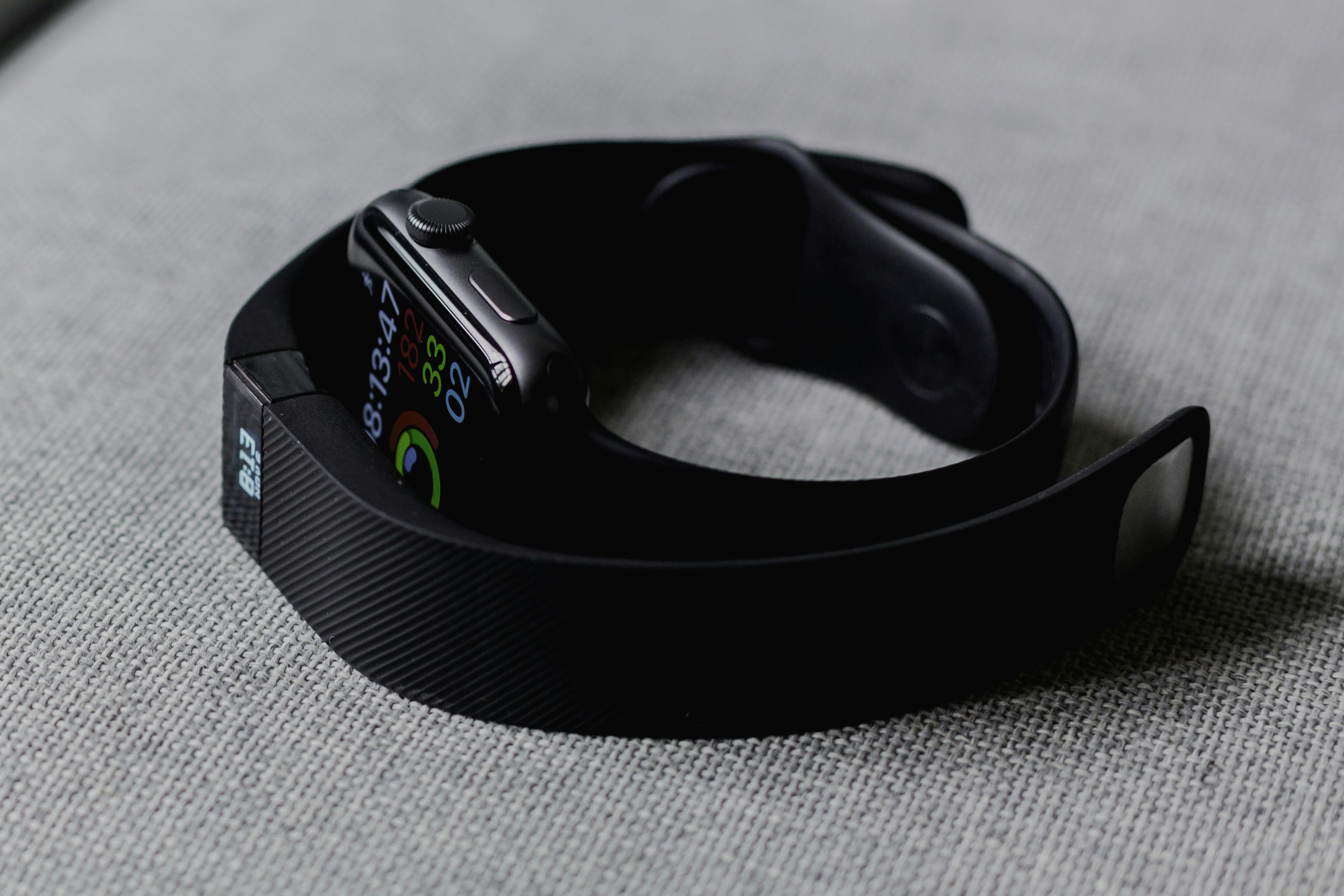
We live in an era where biometric data can tell us more about our physiological stress than our own intuition. If you want to take a results-driven approach to training, you need to monitor your heart rate. One of the most telling workout recovery signals is a spike in your waking resting heart rate. According to recent research, an increase of five beats per minute or more in resting heart rate above your normal baseline is a clear indicator that your body is under added physiological stress and has not fully repaired muscle micro-trauma.
Beyond simple heart rate, sophisticated athletes look at heart rate variability. HRV measures the variation in time between each heartbeat and serves as a window into your central nervous system fatigue. A decrease in heart rate variability of more than 10% to 20% from your baseline typically signals that your nervous system is stuck in "fight or flight" mode. If you see these numbers dropping, it doesn't mean you are lazy; it means your body is screaming for a rest day. Ignoring an elevated resting heart rate after workout meaning can lead directly to a performance plateau.
Physiological Monitoring for Overtraining
- Check your RHR every morning before getting out of bed.
- Monitor your HRV trends over a 7-day rolling average.
- Note any persistent fatigue that doesn't resolve after a full night of sleep.
3. The Salt Factor: Dehydration and Electrolyte Loss
Have you ever finished a workout and noticed white, gritty crystals on your skin or clothes? This isn't just a sign of a hard session; it is a diagnostic signal regarding your hydration status. White salty sweat during workout causes are typically linked to high-concentration sodium loss. When your body is dehydrated, it lacks enough fluid to dilute the minerals in your sweat, leading to visible salt deposits.
This dehydration isn't just an aesthetic issue—it's a performance killer. Research shows that physical performance is noticeably impaired when fluid losses exceed 2% of total body mass, which can lead to a 10% reduction in high-intensity endurance capacity. If you find yourself asking why am I losing energy halfway through my workout, look at your nutrient timing and fluid intake. An energy crash is often the result of depleted glycogen stores combined with an electrolyte imbalance. To fix this, prioritize electrolyte replenishment by consuming sodium, potassium, and magnesium alongside your post-workout meal.

4. The Sleep Paradox: Insomnia After Intense Training
It seems counterintuitive: you pushed your body to the limit, so you should fall asleep as soon as your head hits the pillow. Yet, many athletes experience trouble sleeping after intense workout signs of overexertion. This "tired but wired" feeling is often caused by hormonal signals of overexertion, specifically elevated cortisol levels. When you train too hard or too late in the evening, your body remains in a state of high physiological stress, making it difficult for the brain to transition into deep, restorative sleep.
Quality sleep is the primary window for tissue repair and growth hormone release. If you are experiencing frequent awakenings or difficulty falling asleep, your training volume may be exceeding your current recovery capacity. This sleep paradox is one of the most overlooked signs of overtraining. To combat this, focus on calming the nervous system post-workout through mobility work, deep breathing, or a cool shower to lower your core body temperature. Remember, you don't grow in the gym; you grow while you sleep.
5. Performance Stagnation: Overtraining Syndrome Markers
A workout plateau is one of the most frustrating experiences for any athlete. You are putting in the work, but the numbers on the bar aren't moving, or your 5k times are actually getting slower. This performance stagnation is a classic indicator of overtraining syndrome. It is essential to distinguish between a temporary dip in energy and a chronic state of fatigue where rest fails to resolve the issue.
Physical signs of overtraining syndrome in athletes go beyond the muscles. You might experience a loss of appetite, increased irritability, or a sudden lack of motivation to train—often called "training-related guilt." If you recognize these workout plateau signs and how to break them, the solution isn't to push harder; it is to step back. When the central nervous system fatigue becomes chronic, your muscles lose the ability to contract with maximum force, and your injury risk skyrockets.
| Marker | Temporary Overexertion | Overtraining Syndrome |
|---|---|---|
| Recovery Time | 24-48 hours of rest | Weeks or months of deloading |
| Performance | Slight dip, followed by gains | Consistent decline or plateau |
| Mood | Normal to slightly tired | Irritability, anxiety, or depression |
| Immune System | Strong | Frequent colds or infections |
| Motivation | High | Significant loss of interest |
6. Return to Play: The 10% Rule and Active Recovery
Once you have identified the red flags and allowed your body to rest, the challenge is returning to training without re-triggering the same issues. The most effective way to manage this transition is by following a structured return to play protocol. If you have been sidelined by significant fatigue or a minor strain, start your return at 40-50% of your previous training volume. This allows you to test your joint mobility and inflammation markers without overwhelming the system.
For long-term progression, we use the 10% rule: never increase your total weekly training volume—whether that is weight, distance, or time—by more than 10% per week. This gradual approach gives your tendons and ligaments time to adapt to the stress. Additionally, embrace the power of active recovery. Instead of total couch-rest, engage in light movement like walking, swimming, or yoga. These activities promote blood flow, which delivers the nutrients needed for tissue repair and helps flush out metabolic waste.
Red Flags for When to See a Doctor
- Pain that prevents you from performing daily tasks like walking or lifting a cup.
- Visible deformity or extreme swelling around a joint.
- Numbness or tingling sensations that radiate down a limb.
- Pain that does not improve after 72 hours of complete rest.
FAQ
How do I know if my body has recovered from a workout?
You can confirm recovery by checking both physical and biometric markers. Physically, you should have a full range of motion without sharp pain, and your muscle soreness should be minimal to non-existent. Biometrically, your morning resting heart rate should be within your normal baseline range, and your heart rate variability should be stable. If you feel energetic and motivated for your next session, it is a strong sign that your central nervous system and muscles have repaired the previous micro-trauma.
What are the red flags of overtraining and poor recovery?
The most common red flags include a persistent increase in resting heart rate, chronic fatigue that sleep doesn't fix, and a noticeable decrease in athletic performance. You should also watch for psychological signs like irritability, loss of motivation, and sleep disturbances. Physical symptoms like localized, one-sided pain or frequent illness also suggest that your body's immune system and repair mechanisms are overwhelmed by your current training volume.
Can you still work out if your muscles are sore?
Yes, you can work out with mild soreness, but the type of training matters. If you have standard delayed onset muscle soreness symptoms, light activity or training a different muscle group can actually help by increasing blood circulation. However, if the soreness is so intense that it alters your exercise form or if you suspect an injury, you should opt for active recovery like walking or stretching instead of high-intensity training.
How does heart rate variability relate to exercise recovery?
Heart rate variability is a direct reflection of your autonomic nervous system's state. A high HRV indicates that your body is in a relaxed, "rest and digest" state, meaning you are well-recovered and ready for high-intensity stress. A significant drop in HRV suggests that your sympathetic nervous system is overactive due to training stress or lack of sleep, indicating that you need more time for recovery before your next hard session.
Does sleep quality indicate how well my muscles are recovering?
Absolutely. Sleep is the most critical period for muscle repair and hormonal regulation. High-quality, deep sleep allows the body to release growth hormone and manage cortisol levels. If you are experiencing insomnia or restless sleep after a hard workout, it is a sign that your physiological stress levels are too high, which will ultimately slow down your muscle repair process and hinder your progress.