Quick Facts
- Aerobic Goal: Aim for at least 150 minutes of moderate-intensity aerobic activity every week to support heart health.
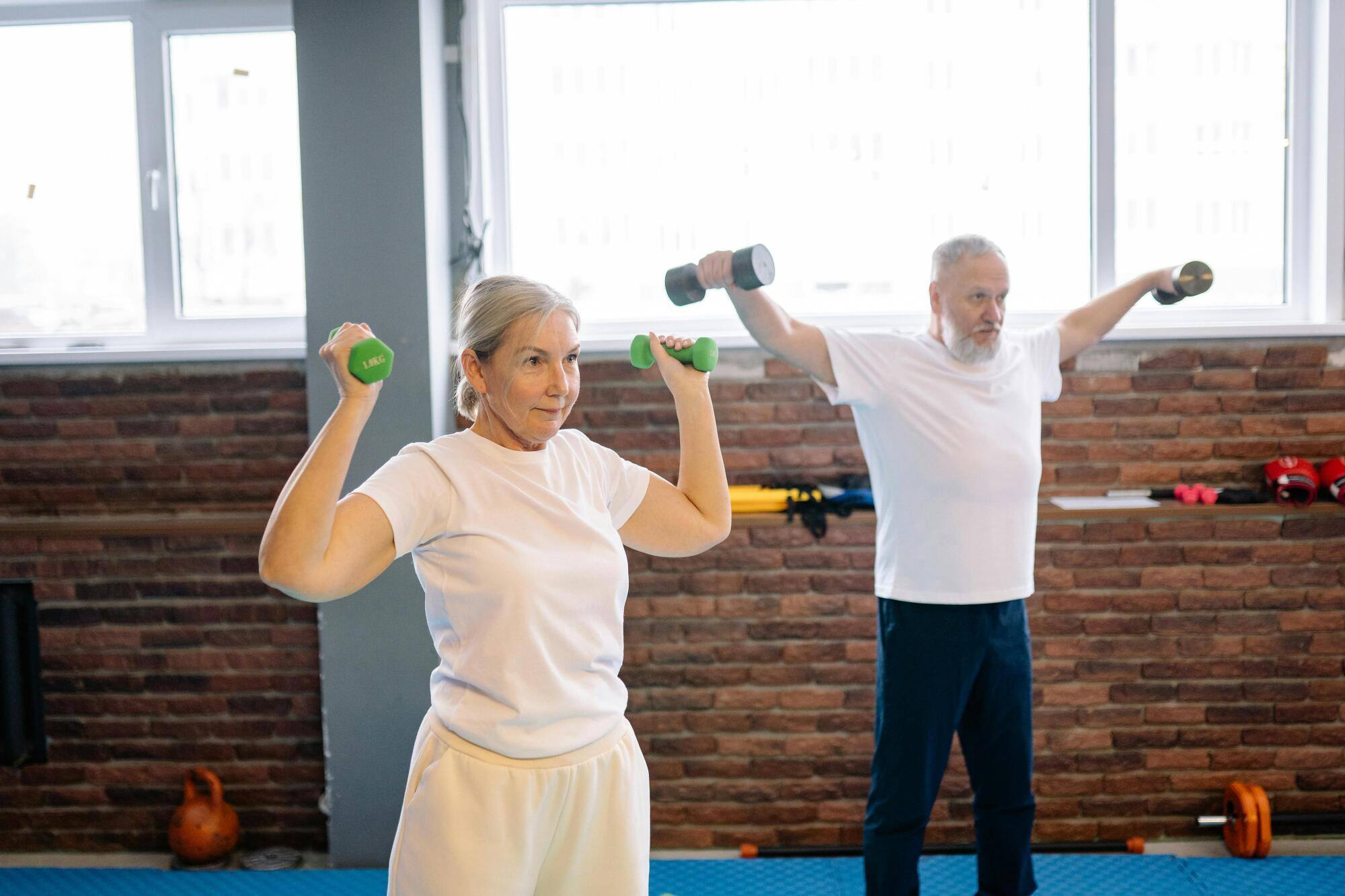
- Strength Training: Incorporate muscle-strengthening sessions at least 2 days per week to combat natural muscle loss.
- Mobility Fact: Approximately 25% of seniors face significant mobility challenges, which can be mitigated through consistent functional movement.
- Social Trend: Pickleball has emerged as the leading social-physical activity in 2026, combining cardiovascular health with community engagement.
- Clinical Milestone: Annual physicals and proactive screenings become critical markers for health maintenance once you pass the age of 40.
- Active Aging Definition: The process of optimizing opportunities for health, participation, and security to enhance quality of life as people age.
- Top Recommendations: The most effective routine includes a blend of walking, water aerobics, stationary biking, and resistance training.
Active aging is the proactive process of optimizing health, participation, and security to enhance the overall quality of life as we grow older. By prioritizing physical activity for older adults through low-impact exercises for seniors, individuals can maintain their independence, protect their joints, and foster long-term cognitive health.
Embrace Low-Impact Cardio for Joint Preservation
As we navigate the later chapters of life, the biological landscape of our bodies shifts. Cartilage begins to thin and the synovial fluid that lubricates our joints can decrease, making high-impact activities like running or jumping less ideal for many. However, maintaining cardiovascular endurance remains non-negotiable for heart health and longevity. The secret lies in joint preservation through low-impact movements that elevate the heart rate without the jarring force of gravity.
Water aerobics for senior joint health stands out as one of the most effective ways to stay fit. The buoyancy of water supports up to 90% of your body weight, virtually eliminating the impact on your knees, hips, and ankles. This environment allows for a greater range of motion than you might achieve on land. Many modern community centers now offer classes that focus on lateral movements and water resistance, which help build stamina while soothing the nervous system.
For those who prefer to stay dry, stationary biking offers a magnificent alternative, particularly for individuals dealing with chronic back or hip issues. Recumbent bikes, which feature a bucket seat and a reclined position, distribute body weight more evenly and provide lumbar support. This allows you to focus purely on the rhythmic motion of the pedals, improving circulation and leg strength without stressing the spine.
Finally, never underestimate the power of a daily walk. While it is a simple activity, walking is a cornerstone of healthy aging habits. Aiming for a target of 6,000 to 8,000 steps per day is often more sustainable and beneficial for seniors than the traditional 10,000-step goal. Walking on even surfaces or using walking poles can further enhance stability and provide a full-body engagement that supports functional mobility.
Prioritize Strength Training to Combat Muscle Atrophy
One of the most significant challenges to independent living is the natural progression of sarcopenia, or the age-related loss of muscle mass. Between the ages of 30 and 80, sedentary individuals can lose up to 30% to 50% of their muscle mass. This decline doesn't just impact physical appearance; it directly affects your metabolic rate, bone density, and the ability to perform daily tasks like carrying groceries or standing up from a chair.
According to the Centers for Disease Control and Prevention, only 13.9% of adults aged 65 and older in the United States met federal guidelines for both aerobic and muscle-strengthening activities in 2022. This statistic highlights a major opportunity for improvement in our collective approach to active aging. Strength training is the most powerful tool we have to reverse this trend.
For those who find traditional weight rooms intimidating, resistance band training for seniors over 65 offers a safe and highly effective at-home option. Resistance bands provide a unique type of tension that is gentler on the connective tissues while still providing enough stimulus to trigger muscle growth and bone density improvements. Unlike dumbbells, bands allow you to maintain tension throughout the entire movement, which is excellent for functional strength.
Starting a routine is about consistency rather than intensity. You can perform bicep curls, seated rows, and leg presses using nothing but a high-quality elastic band. By engaging in these best low-impact exercises for seniors at home, you create a foundation for a body that is resilient against falls and capable of maintaining a high quality of life.
| Exercise Type | Recommended Frequency | Primary Benefit |
|---|---|---|
| Resistance Bands | 2-3 days per week | Muscle mass and bone density |
| Bodyweight Squats | Daily (10-15 reps) | Functional mobility and leg strength |
| Wall Push-ups | 2 days per week | Upper body strength and posture |
| Core Bracing | Daily | Spinal stability and balance |
Improve Balance and Flexibility to Prevent Falls
Fall prevention is a critical pillar of any longevity strategy. A single fall can lead to a cascade of health complications, making balance training just as important as cardiovascular work. The goal is to improve the mind-body connection and the proprioceptive sensors in your feet and joints that tell your brain where you are in space.
Tai Chi is frequently cited by health experts as the gold standard for balance. Movements such as cloud hands require slow, deliberate weight shifts and controlled breathing. This ancient practice encourages a fluid range of motion and has been shown to reduce the risk of falls by nearly 50% in some clinical trials. It is a meditative form of physical activity for older adults that calms the mind while strengthening the ankles and core.
If standing for long periods is difficult, chair yoga poses for seniors with limited mobility provide a wonderful entry point. You can perform spinal twists, seated cat-cow stretches, and hamstring extensions while fully supported by a sturdy chair. These exercises help maintain flexibility in the tendons and ligaments, which often become stiff with age. Integrating balance and flexibility exercises for healthy aging into your morning routine can set a tone of stability for the rest of your day.
Leverage Social Sports and 2026 Wearable Tech
As we move into 2026, the intersection of community and technology has revolutionized how we stay active. One of the most prominent cultural shifts is the explosion of interest in pickleball. The benefits of pickleball for active aging go far beyond the physical movement of the game. It provides essential social interaction, which is a key predictor of cognitive health and longevity.
The court is smaller than a tennis court, which reduces the amount of running required and makes it easier on the joints, yet it still offers a significant aerobic workout. The fast-paced, "dinking" nature of the game keeps the brain sharp, requiring quick reflexes and strategic thinking. Many players find that the camaraderie found on the court is what keeps them coming back, turning exercise from a chore into a social highlight.
In tandem with social sports, wearable technology has become more accessible and intuitive. Modern smartwatches and rings now track much more than just steps. They monitor heart rate variability, sleep quality, and even blood oxygen levels. Learning how to create a daily active aging routine that incorporates this data allows for a personalized approach to health. If your wearable indicates that your recovery is low, you might opt for a gentle yoga session instead of a high-energy pickleball match. This data-driven approach helps prevent overtraining and ensures your routine remains sustainable.
Master Healthy Aging Habits: Sleep and Screenings
While movement is the engine of health, recovery and medical oversight are the tracks it runs on. No amount of exercise can compensate for a chronic lack of sleep or neglected medical screenings. Sleep is the time when your body repairs muscle tissue and flushes toxins from the brain, making the 7-9 hour sleep benchmark a non-negotiable for anyone pursuing active aging.
Establishing sustainable healthy aging habits for beginners often starts with a consistent sleep schedule and a wind-down routine that excludes screens. Quality rest supports cognitive health and helps regulate hormones that control appetite and energy levels, making it easier to stay active during the day.
Furthermore, proactive medical management is vital. Four out of five of the most costly chronic conditions among non-institutionalized U.S. adults aged 50 or older can be prevented or managed through regular physical activity and early detection. Annual physicals, bone density scans, and routine cancer screenings are not just bureaucratic tasks; they are essential preventive measures that allow you to catch issues before they become life-altering.
By combining consistent movement, social engagement, and diligent self-care, you aren't just adding years to your life—you are adding life to your years.
FAQ
What is the definition of active aging?
Active aging is a multi-dimensional concept defined by the World Health Organization as the process of optimizing opportunities for health, participation, and security. It shifts the focus from a purely medical model of aging to one that emphasizes the importance of remaining socially engaged and physically capable of participating in society.
Why is active aging important for seniors?
It is crucial because it directly influences a person’s ability to live independently and enjoy a high quality of life. Engaging in regular physical activity for older adults helps manage chronic diseases, prevents falls by improving balance, and significantly reduces the risk of cognitive decline and depression.
What are some examples of active aging activities?
Effective activities include low-impact cardio such as walking and water aerobics, strength training with resistance bands, and flexibility practices like Tai Chi or yoga. Socially-oriented sports like pickleball and community gardening also count as excellent ways to stay active while maintaining social ties.
What role does nutrition play in active aging?
Nutrition acts as the fuel for an active lifestyle. For older adults, adequate protein intake is essential to support muscle mass, while calcium and Vitamin D are critical for maintaining bone density. A diet rich in antioxidants and healthy fats also supports brain health and reduces inflammation in the joints.
What are the mental health benefits of staying active in old age?
Staying active releases endorphins and reduces cortisol levels, which helps alleviate anxiety and depression. Furthermore, the social interaction found in group exercises helps combat the isolation and loneliness that often accompany aging, fostering a sense of purpose and belonging that is vital for mental well-being.