
Quick Facts
- Primary Rule: Weekly consistency is more important than the specific hour of injection.
- Side Effect Peak: Gastrointestinal discomfort usually peaks 24 to 72 hours after the dose.
- Morning Benefit: Ideal for those who use habit stacking to link the injection with morning rituals.
- Night Benefit: Allows patients to sleep through the initial onset of nausea or fatigue.
- Safety Window: You must ensure at least 48 hours between doses when shifting your schedule.
- Food Interaction: The medication is effective whether taken on an empty stomach or with a full meal.
- Missed Doses: If more than 5 days have passed since your scheduled day, skip the dose entirely.
Ozempic timing is remarkably flexible; the medication can be administered at any time of day, with or without food, provided it is taken on the same day once per week. Because the medication has a long half-life, the specific hour of injection does not significantly impact its effectiveness for blood sugar management or weight loss. Successful treatment relies on medication adherence and maintaining steady-state blood levels rather than precise meal timing.
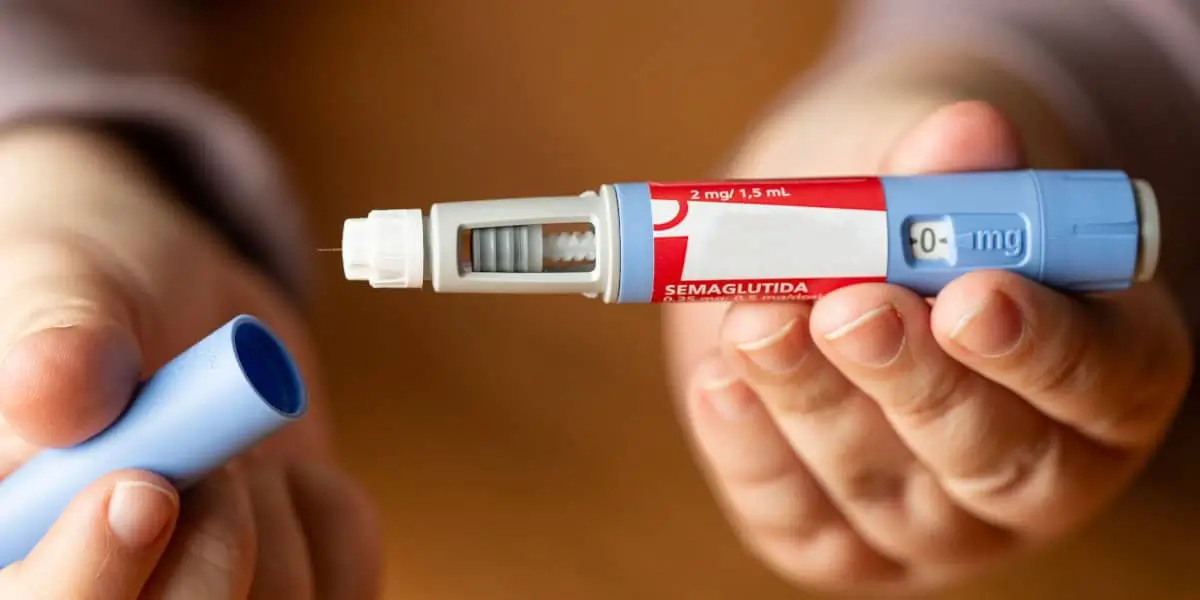
Morning vs. Night: Which Injection Time Wins?
When deciding on your ozempic timing, you should consider your personal lifestyle and how your body reacts to the medication. There is no clinical requirement to take it at a specific hour, but the choice between morning and night can significantly impact your daily comfort. Many patients find that their ozempic morning vs night injection choice comes down to how they manage side effects versus how they remember their medication.
For those who are highly organized in the morning, an AM dose is often the best time of day to take ozempic for nausea because it allows them to monitor how they feel throughout the day. If you choose a morning injection, you can use habit stacking—pairing the injection with an existing routine like your morning coffee or checking your daily calendar—to ensure you never miss a dose. However, if you are prone to immediate nausea, a morning dose might make your workday more challenging.
Conversely, evening injections are a popular strategy for managing gastrointestinal tolerance. By taking the dose before bed, many patients find they can sleep through the initial rise in semaglutide levels, potentially avoiding the worst of the daytime queasiness. If you struggle with fatigue as a side effect, a nighttime dose allows you to rest when the medication first begins to circulate.
| Dosing Time | Best For | Potential Challenges |
|---|---|---|
| Morning | Habit stacking, busy evening schedules | May feel nausea during work or daily activities |
| Night | Sleeping through side effects, managing daytime nausea | Might forget the dose if the evening routine is inconsistent |
| Weekend | Managing the 1-3 day peak without work stress | Can interfere with social dining or travel plans |

Strategic Scheduling: The 1-3 Day Peak Rule
To truly master your ozempic injection schedule tips, you need to understand the pharmacokinetics of the drug. According to official prescribing information, semaglutide reaches its peak plasma concentration 1 to 3 days after the dose is administered. This means if you take your injection on a Friday morning, the highest levels of the medication in your system will likely occur between Saturday morning and Monday morning.
Selecting the best day of week for ozempic injection often depends on your work schedule. Many people prefer a Wednesday or Thursday injection so that the peak plasma concentration coincides with the weekend, giving them time to rest if they experience side effects. Others prefer a Sunday night injection so that the appetite suppression is strongest during the work week when they have a structured eating schedule.
Understanding this peak helps you plan your life. If you have a major social event or a high-pressure presentation, you might want to ensure it doesn't fall within that 24 to 72 hour window following your dose. By aligning your injection day with your natural weekly rhythm, you support your metabolic health without letting side effects disrupt your productivity.

Changing Your Schedule Safely: The 48-Hour & 5-Day Rules
Life is unpredictable, and there may be times when you need to consider changing ozempic injection day schedule due to travel, work, or simply a desire to better manage side effects. The FDA prescribing guidelines offer clear boundaries for making these adjustments safely.
The most important safety metric is the 48-hour rule. If you want to move your injection day—for example, from a Monday to a Wednesday—you must ensure that at least 48 hours have elapsed since your last dose. This prevents the medication from reaching dangerously high levels in your bloodstream. You should not move the day more than once every few weeks to allow your body to reach a new steady-state blood levels equilibrium.
If you happen to miss a dose, the 5-day rule applies. If you remember your missed dose within 5 days of the scheduled time, you should take it as soon as possible. However, if more than 5 days have passed, you should skip that dose entirely and wait until your next regularly scheduled day. This prevents "doubling up" on the medication, which can lead to severe gastrointestinal distress. Knowing the minimum time between ozempic doses when switching days is essential for maintaining a safe and effective dosage titration process.
Optimizing the Routine: Site Rotation and Diet
While ozempic timing with or without food is flexible, how you physically administer the medication and what you eat around that time can influence your experience. Unlike oral semaglutide, which must be taken in the morning on an empty stomach with no more than 4 ounces of plain water, the injectable version is a subcutaneous administration that bypasses the digestive tract's immediate absorption requirements.
To minimize skin irritation, you should follow a strict ozempic injection site rotation schedule. The three recommended areas are the abdomen, the front of the thighs, or the back of the upper arms. Rotating these sites weekly helps prevent the development of hard lumps or skin thickening, which can interfere with how the medication is absorbed.
Dietary choices also play a role in how you handle the medication. Even though food intake does not interfere with the drug’s chemistry, eating heavy, greasy, or highly spicy meals during the peak window can exacerbate gastrointestinal side effects. In placebo-controlled clinical trials, nausea was reported by 32.7% of patients taking a 0.5 mg dose. To mitigate this, focus on small, nutrient-dense meals and stay hydrated, especially in the 48 hours following your injection.

Body Signals: Monitoring Your Metabolic Response
As you settle into your routine, it is important to listen to your body’s signals. Preventive care is about more than just following a schedule; it is about understanding how the medication interacts with your unique physiology. Effective medication adherence involves observing how your energy levels, hunger cues, and digestion shift throughout the week.
Use the following checklist to evaluate if your current schedule is working for you:
- [ ] Energy levels remain stable during your busiest work days.
- [ ] Nausea is minimal or manageable during waking hours.
- [ ] You are able to maintain a consistent sleep pattern without digestive interruption.
- [ ] You rarely forget your dose because it is linked to a strong weekly habit.
- [ ] Your appetite suppression is strongest during the days you typically struggle with overeating.
If you find that your current timing leaves you feeling depleted during important events or causes significant sleep disruption, it may be time to consult your healthcare provider about a strategic shift in your schedule.

FAQ
What is the best time of day to take Ozempic?
There is no single best time of day for everyone. The medication is effective regardless of the hour, so the best time is whenever you are most likely to remember it and whenever helps you best manage potential side effects like nausea or fatigue.
Should I take Ozempic in the morning or at night?
Choose the morning if you want to use habit stacking with your existing rituals and prefer to monitor side effects during the day. Choose the night if you want to try sleeping through the initial onset of nausea, which is common for many users.
Does Ozempic need to be taken at the same time every week?
While it does not need to be the exact same hour, it must be taken on the same day each week to maintain steady levels of the medication in your body. Consistency is the most critical factor for long-term success.
Can I change my Ozempic injection day?
Yes, you can change the day as long as there are at least 48 hours between your last dose and your new scheduled dose. Avoid changing the day frequently to keep your blood levels stable.
Does the time of day you take Ozempic affect side effects?
For some, taking the injection at night helps them avoid feeling the peak of nausea during the day. However, since the medication stays in your system for a long time, the day of the week you choose often has a bigger impact on side effects than the hour of the day.
Can you take Ozempic on an empty stomach?
Yes, you can take the injection on an empty stomach or with food. Unlike the oral version of the medication, the injectable form is not affected by food intake or stomach acidity.