Quick Facts
- Top Pick for Energy: Caffeine-based formulas (200-300mg).
- Best for Muscle Growth: Products with Creatine and BCAAs.
- Best for Endurance: Low-stim with Nitric Oxide precursors.
- Timing: 45-60 minutes before training.
- Safety: Look for NSF Certified for Sport or Informed Choice labels.
- Budget: Aim for $0.83 to $1.00 per serving for quality.
The best pre-workout drinks for combatting fatigue combine quick-absorbing carbohydrates for fuel with electrolytes like sodium to maintain fluid balance. High-quality formulas often include citrulline malate to improve blood flow and beta-alanine to buffer lactic acid, allowing for longer and more intense training sessions. Selecting a product with third-party verification ensures the ingredients are safe and effective for performance.
Feeling sluggish during your gym session? Choosing the best pre-workout drinks can transform your performance from tired to explosive. Whether you need a pre-workout for muscle growth or long-distance endurance, understanding the right ingredients is key to avoiding the mid-workout crash and maximizing results. Most lifters struggle with intensity not because they lack motivation, but because their physiological fuel tank is running on empty before the first set even begins.
Why You Feel Tired During Training
Before reaching for a supplement, I always tell my athletes to look at the Performance Pyramid. The foundation is sleep and recovery, followed by whole-food nutrition. However, even with the perfect lifestyle, training plateaus and mid-session fatigue are real. In fact, 72% of consumers report that increasing their energy levels is the primary reason for purchasing pre-workout supplements.
The fatigue you feel in the gym is often a combination of central nervous system exhaustion and metabolic byproduct buildup. This is where high-quality best pre-workout drinks step in to alter your perception of effort. Clinical data shows that users of caffeine-based pre-workout drinks have reported a 12% decrease in their rate of perceived exertion during physical training sessions. By reducing how hard you think you are working, you can push through those final, growth-stimulating repetitions.
To understand how to choose the best pre-workout drinks for fatigue during gym, you must look at how these beverages influence ATP regeneration and focus. Bioavailability is the name of the game here; if your body can't absorb the nutrients quickly, they won't help you during the workout.
The Anatomy of Performance: Key Pre-Workout Drink Ingredients
When you scan a label, don't get distracted by flashy marketing. I look for specific pre-workout drink ingredients that have reached a clinical threshold of evidence. Caffeine is the undisputed king of performance, appearing in roughly 86% of top-selling multi-ingredient pre-workout products with an average dose of 254 mg per serving.
The Heavy Hitters
- Caffeine Anhydrous: This is a concentrated, dehydrated form of caffeine that hits the system faster than standard coffee. It serves as the primary stimulant to boost focus and power output.
- Citrulline Malate: This is one of the most effective nitric oxide precursors. By increasing blood flow, it helps deliver nutrients to working muscles and creates that "pump" sensation.
- Beta-Alanine: This ingredient is responsible for lactic acid buffering. It helps delay the "burn" during high-rep sets. Note that it often causes a tingling sensation known as paresthesia, which is harmless but important to expect.
Ingredient Tier Table
| Ingredient | Benefit | Clinical Dose | Evidence Level |
|---|---|---|---|
| Caffeine Anhydrous | Energy & Focus | 3-6 mg/kg body weight | Tier 1 (Proven) |
| Citrulline Malate | Blood Flow/Pump | 6,000 - 8,000 mg | Tier 1 (Proven) |
| Beta-Alanine | Lactic Acid Buffering | 3,200 - 6,400 mg | Tier 1 (Proven) |
| L-Tyrosine | Cognitive Focus | 500 - 2,000 mg | Tier 2 (Supportive) |
| Betaine Anhydrous | Power Output | 2,500 mg | Tier 2 (Supportive) |
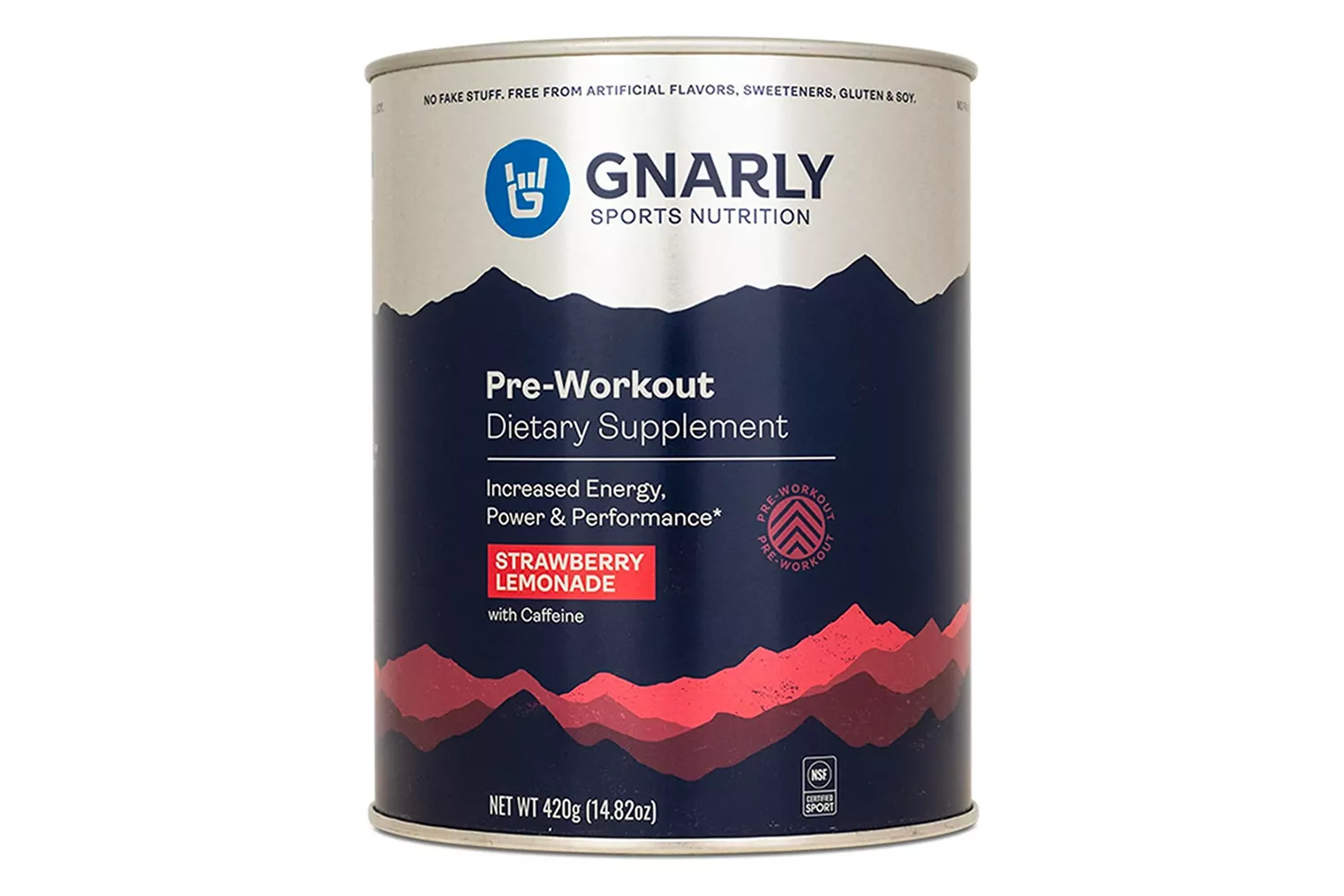
When searching for best pre-workout drink ingredients for reducing muscle burn, prioritize beta-alanine and citrulline. These work together to manage the metabolic environment within the muscle tissue, allowing for higher volume training.
Best Pre-Workout for Muscle Growth and Power
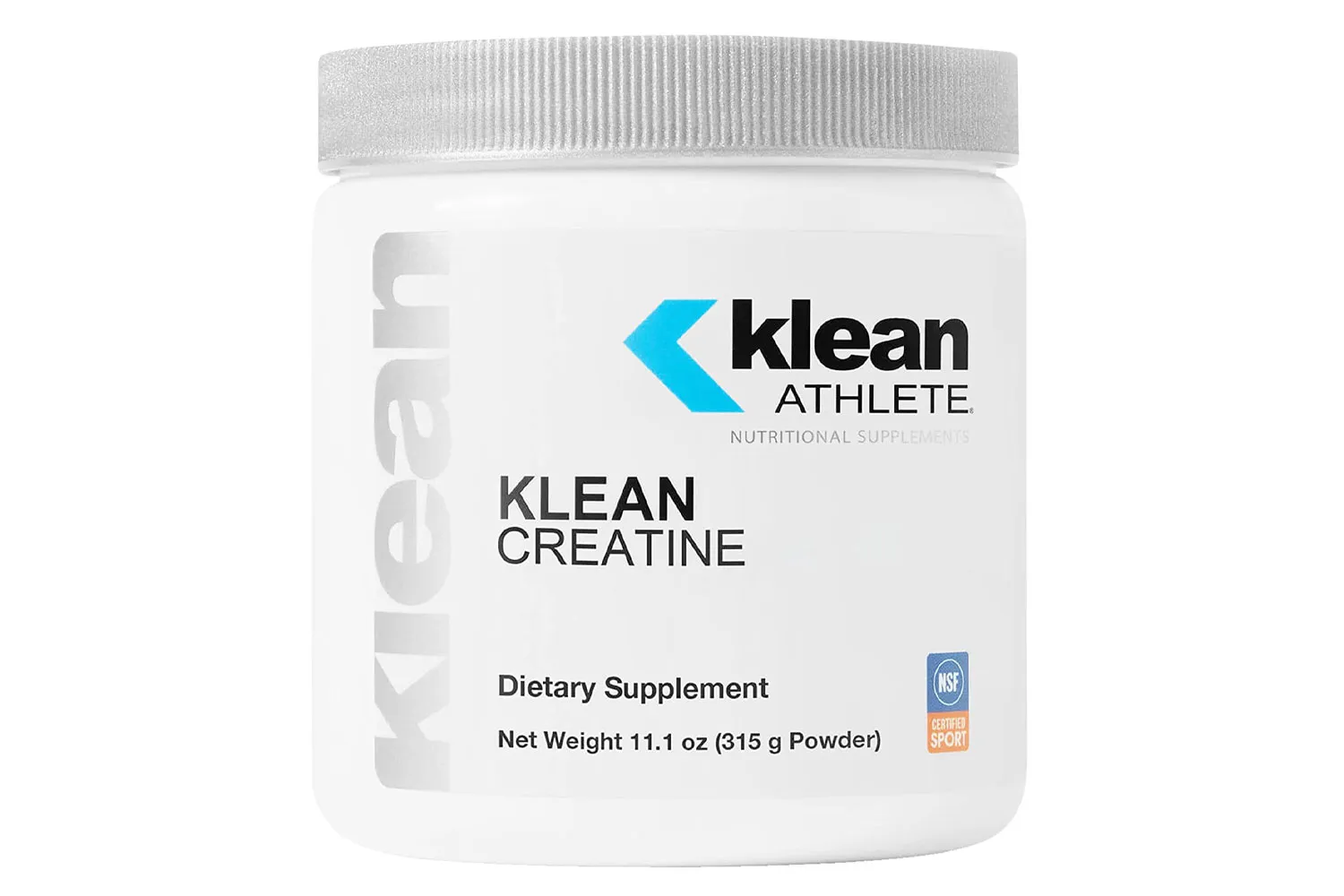
If your goal is hypertrophy or strength, your supplement needs to do more than just wake you up. You need a pre-workout for muscle growth that supports the mechanical demands of lifting heavy weights. The two most critical additions for this goal are creatine monohydrate and branched-chain amino acids (BCAAs).
Creatine monohydrate is the gold standard for ATP regeneration. ATP is the primary energy currency for explosive, short-duration movements. By saturating your muscles with creatine, you ensure that you can maintain power output for longer periods. Additionally, BCAAs (leucine, isoleucine, and valine) can help trigger muscle protein synthesis and reduce muscle breakdown during intense sessions.
Look for muscle building pre-workout drinks with creatine and BCAAs that also include vasodilators. By dilating blood vessels, these drinks maximize the delivery of these anabolic nutrients directly to the muscle fibers you are currently training.
Optimized Performance: Pre-Workout for Endurance and Hydration
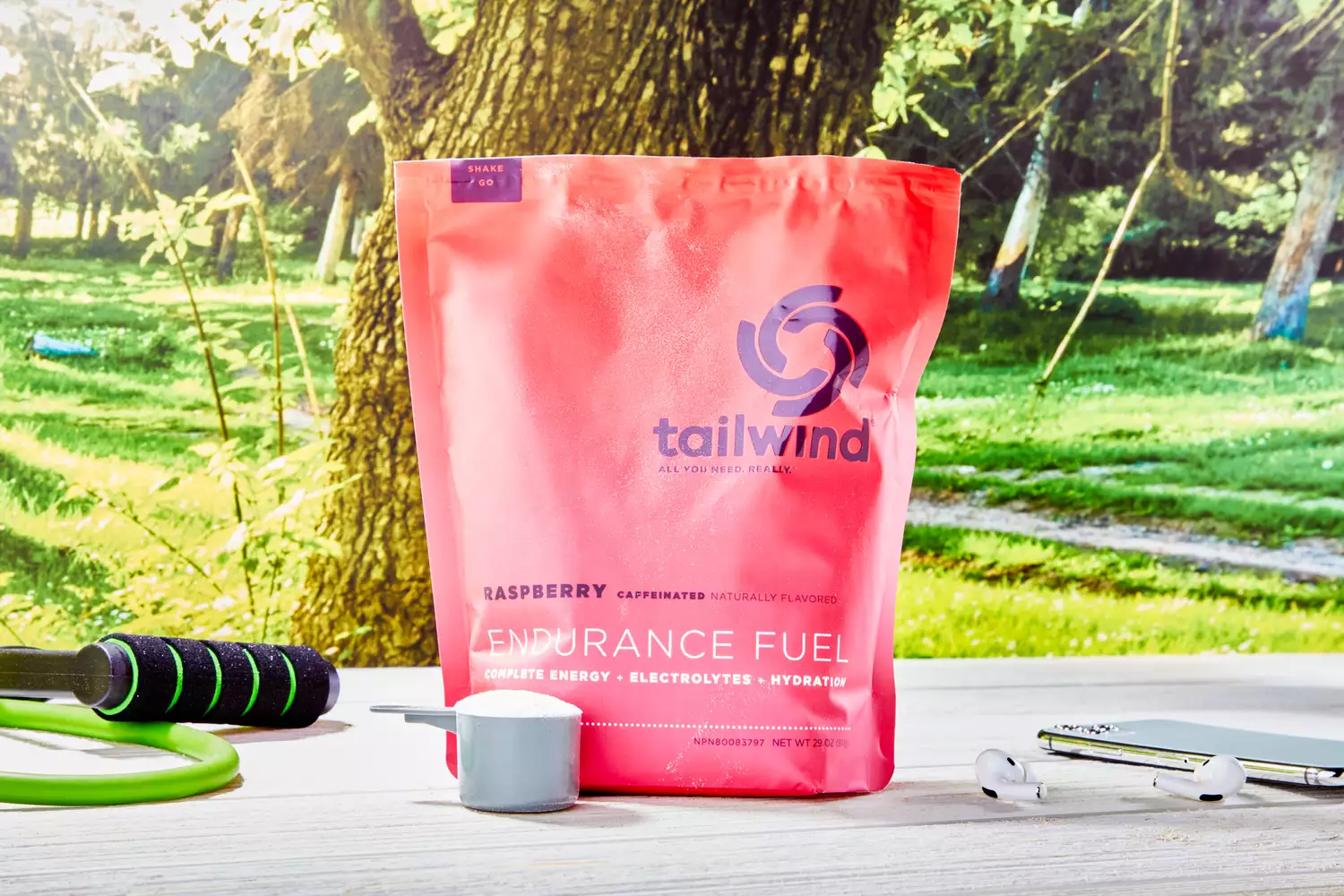
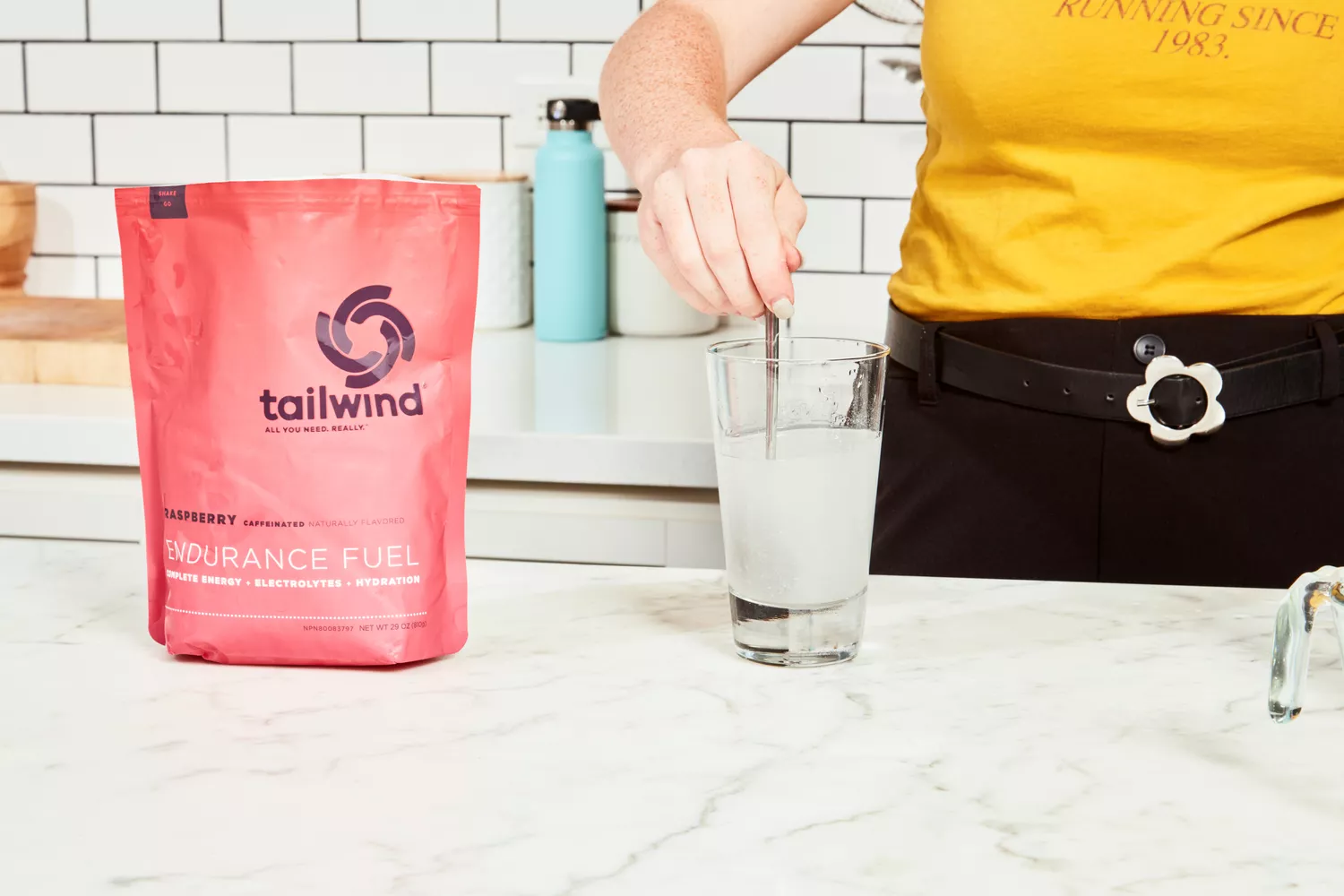
Endurance athletes have different requirements than bodybuilders. A pre-workout for endurance should focus less on the "pump" and more on glycogen replenishment and fluid balance. When you are training for 60 minutes or longer, your body loses critical minerals through sweat.
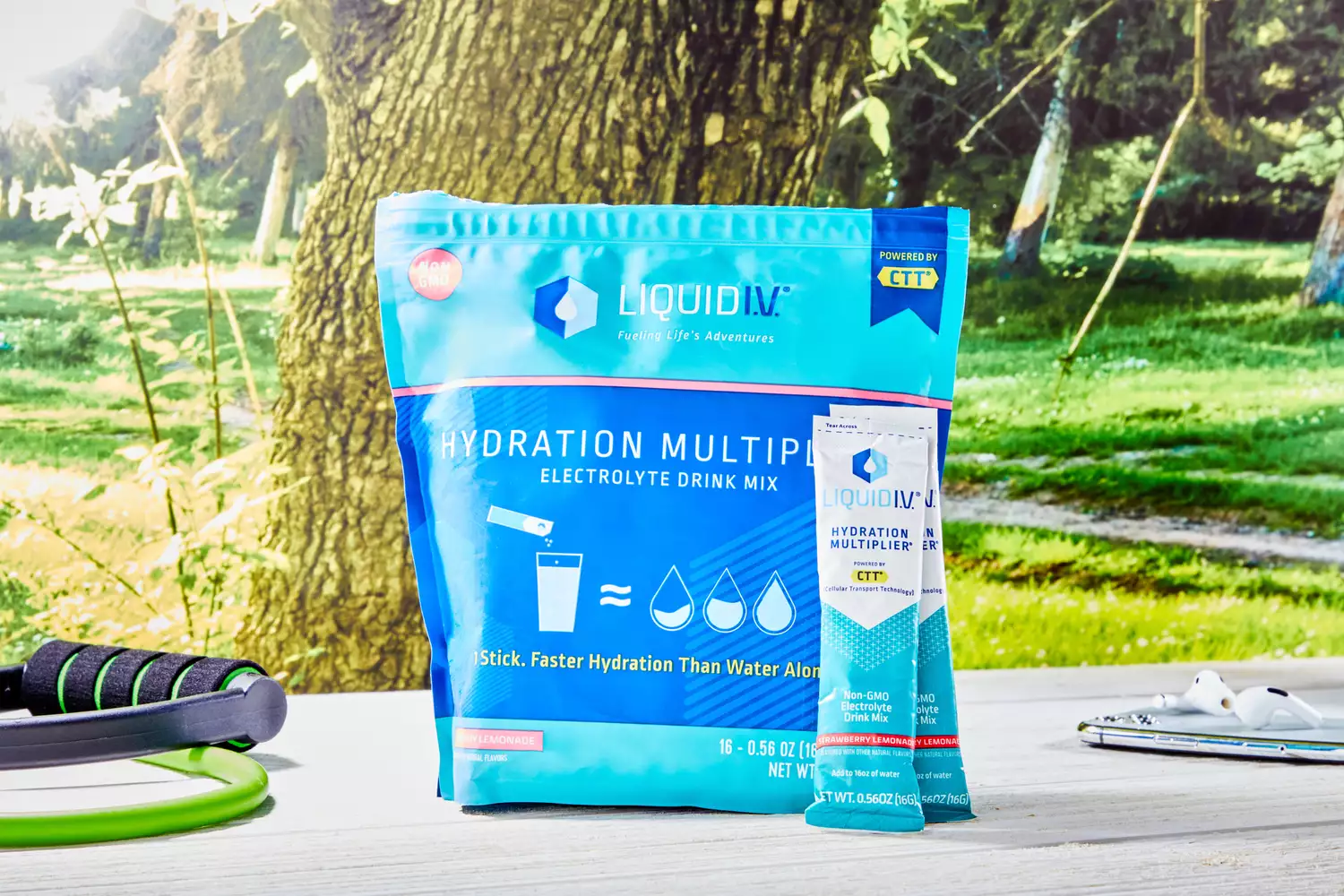
The best pre-workout drinks for runners or cyclists often contain a higher concentration of electrolytes, specifically sodium, potassium, and magnesium. These maintain the electrical signaling required for muscle contraction. Furthermore, a small amount of fast-acting carbohydrates can prevent glycogen depletion, ensuring you don't "bonk" halfway through your session.
Nitric oxide precursors are still valuable here, but for a different reason. Instead of just a visual pump, they improve oxygen delivery to the muscles, which is vital for aerobic efficiency and lactic acid buffering over long distances.
Timing and Avoidance: Beating the Energy Crash
Even the best supplement will fail if your timing is off. For maximum effect, you should be timing pre-workout drinks to avoid a mid-workout energy crash. Most active ingredients, particularly caffeine, reach peak plasma levels in the blood about 45 to 60 minutes after consumption. If you drink your supplement the moment you walk into the weight room, you’ll be halfway through your session before the benefits fully kick in.
Another common issue is the "post-workout crash." This usually happens when high doses of stimulants wear off, or when your blood sugar drops after an insulin spike from high-sugar supplements. To avoid this, choose products that use moderate stimulant doses or pair caffeine with L-Theanine to smooth out the energy curve.
For those who train after work, caffeine can be a double-edged sword. Since caffeine has a half-life of about 5-6 hours, a 300mg dose at 6:00 PM will still be in your system at midnight, ruining your sleep. In these cases, search for the best stim-free pre-workout drinks for evening training sessions. These formulas often use L-Tyrosine and Alpha-GPC to provide mental clarity and focus without the jitters or insomnia associated with stimulants.
Safety and Transparency: How to Read the Label
The supplement industry is loosely regulated, which means the burden of safety falls on you. I always tell my athletes to avoid "proprietary blends." If a company doesn't tell you the exact dosage of each ingredient, they are likely under-dosing the expensive, effective components and over-filling the product with cheap stimulants.
For competitive athletes, the stakes are even higher. You must look for NSF certified pre-workout supplements for drug-tested athletes. This certification, or the Informed Choice logo, ensures the product has been tested for banned substances and that the label accurately reflects what is inside the tub.
Supplement Label Checklist
- Green Flag: Third-party testing (NSF, Informed Choice, or BSCG).
- Green Flag: Fully transparent labels with individual dosages listed.
- Green Flag: Inclusion of L-Tyrosine for cognitive support.
- Red Flag: Proprietary blends or "Matrix" formulations.
- Red Flag: High amounts of artificial dyes (e.g., Red 40).
- Red Flag: Presence of synthetic stimulants like DMAA or DMHA.
FAQ
What is the most effective pre-workout drink for energy?
The most effective drinks for immediate energy are those containing caffeine anhydrous at a dosage of 200mg to 300mg. For maximum efficacy, look for a formula that also includes L-Theanine to prevent jitters and L-Tyrosine to maintain cognitive focus as the stimulant wears off.
How long before a workout should you drink a pre-workout?
You should consume your pre-workout drink approximately 45 to 60 minutes before you start your warm-up. This allows enough time for caffeine to reach its peak concentration in your bloodstream and for ingredients like beta-alanine to begin circulating.
What ingredients should I look for in a high-quality pre-workout?
A high-quality product should contain clinically dosed amounts of citrulline malate (6-8g), beta-alanine (1.6-3.2g), and caffeine (200-300mg). If you are focused on muscle building, ensure it also includes creatine monohydrate (3-5g) and electrolytes for hydration.
What are the common side effects of pre-workout drinks?
The most common side effect is a tingling sensation in the skin called paresthesia, caused by beta-alanine. Other side effects include increased heart rate, jitters, headaches, or digestive upset, especially if the caffeine content is too high for your personal tolerance.
Is it better to drink coffee or a pre-workout supplement?
Coffee is an excellent natural source of caffeine and antioxidants, making it great for a general energy boost. However, pre-workout supplements are often superior for focused training because they include specific ergogenic aids like citrulline and beta-alanine that coffee lacks.
In summary, the best pre-workout drinks are tools designed to help you bridge the gap between your current state and your training goals. If you are tired, focus on stimulants and perceived exertion modifiers. If you want growth, look for creatine and vasodilators. By matching your supplement choice to your specific training stimulus and timing it correctly, you can ensure every minute in the gym moves the needle forward. Stay consistent, train hard, and read your labels.