Quick Facts
- Survival Impact: Engaging in regular physical activity can reduce the risk of cancer recurrence, a new primary cancer, or death by 28% over a median follow-up period of 7.9 years.
- Mortality Risk: Cancer patients with high muscle strength demonstrate a 31% reduced risk of all-cause mortality compared to those with low muscle strength.
- Strength Gains: Structured resistance programs allow survivors to increase the amount of weight lifted by an average of 34 pounds for the legs and 16 pounds for the arms.
- Cognitive Health: Targeted cancer recovery exercise is a primary non-pharmacologic intervention to combat cognitive function decline and "chemo brain."
- Safety Threshold: High-intensity training should be avoided if platelet counts drop below 50,000 to prevent internal bleeding or bruising.
- Optimal Window: Clinical data suggests the two-week chemotherapy cycle is the most effective timeframe for maintaining exercise adherence and cardiovascular endurance.
Evidence-based cancer recovery exercise programs, such as walking and resistance band training, significantly improve daily function and cardiovascular endurance by maintaining cognitive function and muscle mass. These structured routines help survivors manage treatment-related fatigue and enhance overall quality of life throughout the rehabilitation process.
The Clinical Safety Gate: When to Start Strength Training
As a performance editor, I often tell athletes that the hardest part of a program is knowing when to hold back. In the context of cancer rehabilitation exercises, this principle is even more critical. You are not just recovering from a physical injury; you are rebuilding a system that has been through systemic stress. Before you pick up a weight or even start a walking routine, medical clearance is the absolute baseline.
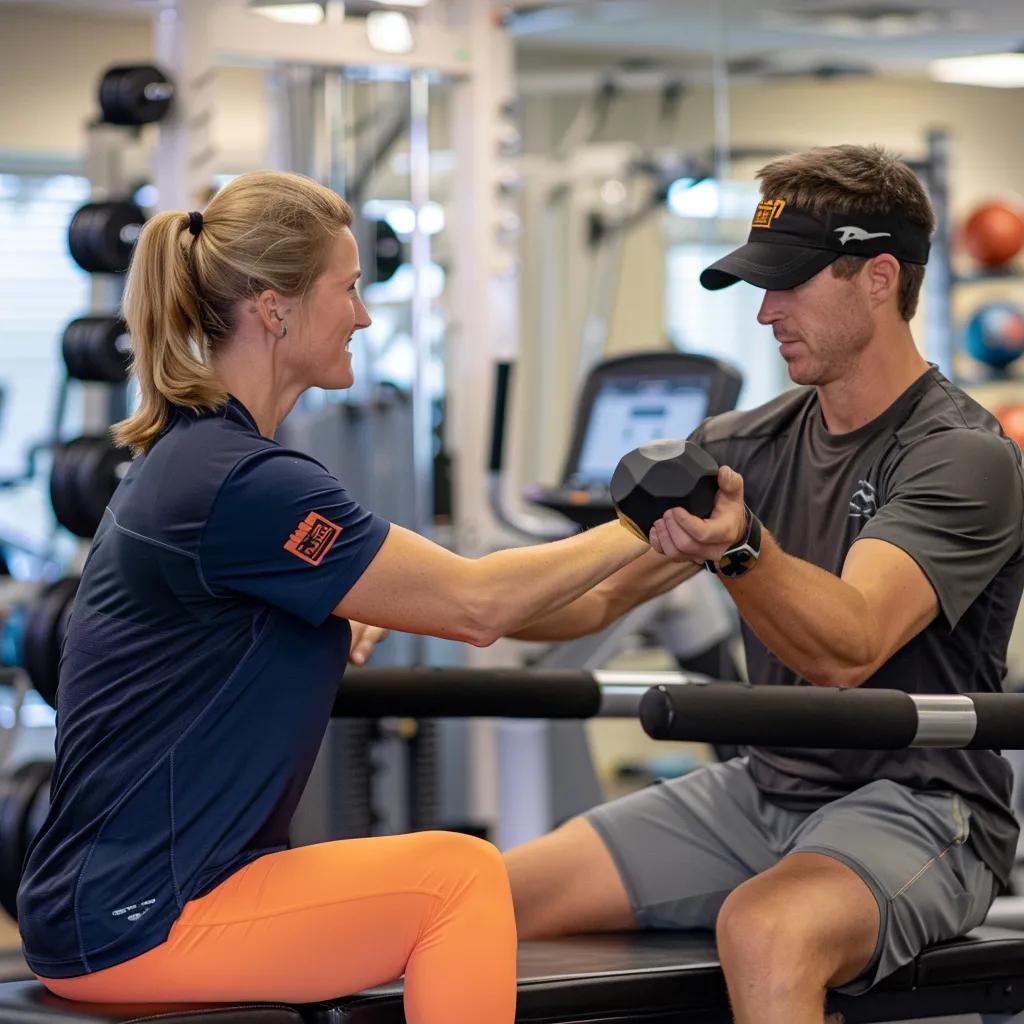
Safety in this niche is dictated by clinical markers. While we usually track heart rate or split times, cancer recovery requires monitoring your blood work. One of the most significant red flags is a low platelet count. If your labs show a count below 50,000, you must pause any high-intensity or heavy resistance work. This is a non-negotiable threshold to prevent complications. Furthermore, working with a specialist in oncology physical therapy is highly recommended. These professionals are trained to screen for bone metastases, which can make certain weight-bearing movements dangerous, and to adjust for peripheral neuropathy, a common side effect of chemotherapy that affects balance and grip strength.
Establishing safe exercise after cancer treatment involves a "pre-habilitation" mindset. You need to assess your current range of motion and any surgical site restrictions. For example, survivors of thoracic surgeries may have limited shoulder mobility that needs to be addressed before attempting overhead presses. This isn't about rushing back to your old PRs; it is about building a foundation that allows for long-term health and sarcopenia prevention.
| Feature | Guidance/Threshold |
|---|---|
| Platelet Count | Stop resistance training if < 50,000/µL |
| Hemoglobin Level | Use extreme caution if < 8.0 g/dL |
| Body Temperature | Do not exercise if fever is > 100.4°F (38°C) |
| Bone Health | Clearance required if bone metastases are present |
| Balance | Modified movements required for peripheral neuropathy |

When considering precautions for returning to high-intensity exercise after cancer, look for signs of extreme fatigue that does not resolve with rest. If you find that a session leaves you bedbound the next day, the intensity is too high. The goal is to stimulate the system, not to deplete it.
Rebuilding the Foundation: A 3-Stage Progression Model
In my years of designing training programs, I have found that a phased approach is the only way to ensure sustainable results. Rebuilding strength after cancer is no different. We utilize a model centered on progressive overload, carefully shifting from mobility to resistance. This structured approach is vital for muscle atrophy reversal and maintaining bone mineral density.
Stage I: Foundation and Mobility (40-50% 1RM)
The first stage focuses on regaining basic movement patterns. During this phase, the intensity stays low—roughly 40% to 50% of your estimated one-rep max (1RM). The primary tools here are resistance band exercises for cancer survivors at home. These bands provide a variable resistance that is easier on the joints while still stimulating the muscle fibers. Focus on high repetitions (12-15) with an emphasis on the eccentric (lowering) phase of the movement to rebuild the mind-muscle connection.
Stage II: Hypertrophy and Bone Loading (50-65% 1RM)
Once you have established a consistent routine and your range of motion has improved, we move into Stage II. This is where we specifically target sarcopenia prevention. As treatment can often lead to muscle loss, we transition to more traditional weight-bearing exercises for bone health after cancer treatment. This might include bodyweight squats, seated rows, or light dumbbell presses. We are aiming to stimulate the osteoblasts—the cells responsible for bone formation—which are often suppressed during hormone-blocking therapies.

Stage III: Functional Strength and Power (65-75% 1RM)
In the final stage, we implement a functional strength training routine for rebuilding after cancer that mimics daily activities. This includes compound movements like lunges or step-ups. By reaching 65% to 75% 1RM, you are providing enough stimulus to significantly increase strength training for cancer survivors. The data is clear: those who reach this stage can see substantial improvements in their physical capacity, often lifting significantly more weight than when they started their recovery journey.
Target Training: Managing Specific Recovery Symptoms
General fitness advice often fails to account for the unique side effects of cancer treatment. To be effective, cancer recovery exercise must be prescriptive. We look at the specific symptoms—fatigue, lymphoedema, and cardiovascular decline—and apply targeted movement solutions.
One of the most debilitating side effects is cancer-related fatigue. While it seems counterintuitive to move when you are exhausted, clinical research proves that sedentary behavior actually worsens the cycle of fatigue. Knowing how to build a walking routine to reduce cancer-related fatigue is a game-changer. Start with "micro-walks"—just 5 to 10 minutes at a time. The goal is to improve cardiovascular endurance without spiking cortisol levels. Gradually increase your duration by 10% each week, ensuring you remain at a pace where you can still carry on a conversation.
For those recovering from breast cancer or surgeries involving lymph node removal, upper body work requires a delicate balance. You must avoid heavy, repetitive straining that could trigger swelling, yet you need movement to maintain lymph flow. Integrating safe upper body exercises for breast cancer survivors with lymphoedema involves focusing on slow, controlled repetitions and avoiding restrictive clothing or heavy "push" movements in the early stages. Compression garments should be worn if recommended by your oncology physical therapy team.

Fatigue management is not just about doing less; it is about doing the right things at the right time. By prioritizing compound, low-impact movements, you stimulate the central nervous system and improve mitochondrial function, which are the power plants of your cells. This biological shift is what ultimately breaks the cycle of treatment-induced exhaustion.
FAQ
When is it safe to start exercising after cancer treatment?
Most survivors can begin light movement, such as walking, within days of surgery or treatment, provided there are no surgical complications or extreme blood count drops. However, formal resistance training usually requires a 2 to 4-week waiting period following major procedures. Always wait for your surgical team to confirm that incisions are fully healed and that your white blood cell and platelet counts have stabilized before beginning a structured program.
How much exercise is recommended for people recovering from cancer?
The current clinical guidelines suggest aiming for at least 150 minutes of moderate-intensity aerobic activity per week, paired with strength training sessions at least twice per week. This follows the FITT principle (Frequency, Intensity, Time, Type). If 150 minutes feels overwhelming, breaking it down into 10-minute bouts throughout the day is just as effective for improving cardiovascular endurance and overall health markers.
Can exercise help reduce cancer-related fatigue?
Yes, exercise is considered the gold-standard non-pharmacological treatment for cancer-related fatigue. Unlike rest, which can lead to further muscle atrophy and deconditioning, low-to-moderate intensity aerobic exercise helps regulate the body’s inflammatory response and improves sleep quality. This creates a positive feedback loop that increases daily energy levels over time.
Are there specific exercises to avoid during cancer recovery?
You should generally avoid high-impact movements (like jumping) if you have bone metastases or are at high risk for osteoporosis due to hormone therapy. Additionally, avoid swimming in public pools if your immune system is compromised (neutropenia). Heavy lifting that involves a Valsalva maneuver (holding your breath) should be avoided initially to prevent unnecessary internal pressure, especially if you have an implanted port or recent abdominal surgery.
Does physical activity lower the risk of cancer recurrence?
Substantial research indicates a strong correlation between regular physical activity and a reduced risk of recurrence. For certain cancers, including breast and colon cancer, regular exercise can lower the risk of recurrence or death by up to 28%. Exercise helps regulate insulin levels, reduces systemic inflammation, and boosts immune surveillance—factors that are critical in preventing the growth of new cancer cells or circulating tumor DNA (ctDNA).
Reclaiming Your Performance
Rebuilding strength after cancer is a marathon, not a sprint. As a trainer, I view this process as the ultimate test of "progressive overload"—the gradual increase of stress placed upon the body during exercise. By starting with oncology physical therapy and moving through a structured 3-stage model, you are doing more than just "getting fit." You are actively participating in your clinical recovery.
The statistics are on your side. With the potential to increase your leg strength by 34 pounds and reduce your mortality risk by 31%, the effort you put into cancer recovery exercise is perhaps the most important training block of your life. Start small, monitor your red flags, and stay consistent. Your body is more resilient than you think.