Quick Facts
- Glycemic Index (GI): 32 (Low)
- Glycemic Load (GL): Near Zero (Whole stalks)
- Fiber Content: 1.6g per 100g (Lost during juicing)
- Key Bioactives: Luteolin and Apigenin for nerve protection
- Metabolic Win: High Vitamin K content improves insulin sensitivity
- Direct Answer: Whole celery stalks are the superior choice for blood sugar management because they retain insoluble fiber, which slows carbohydrate digestion and prevents postprandial glucose spikes. While celery juice is nutrient-dense, the removal of fiber increases its glycemic load, making whole stalks safer for maintaining stable celery blood sugar levels.
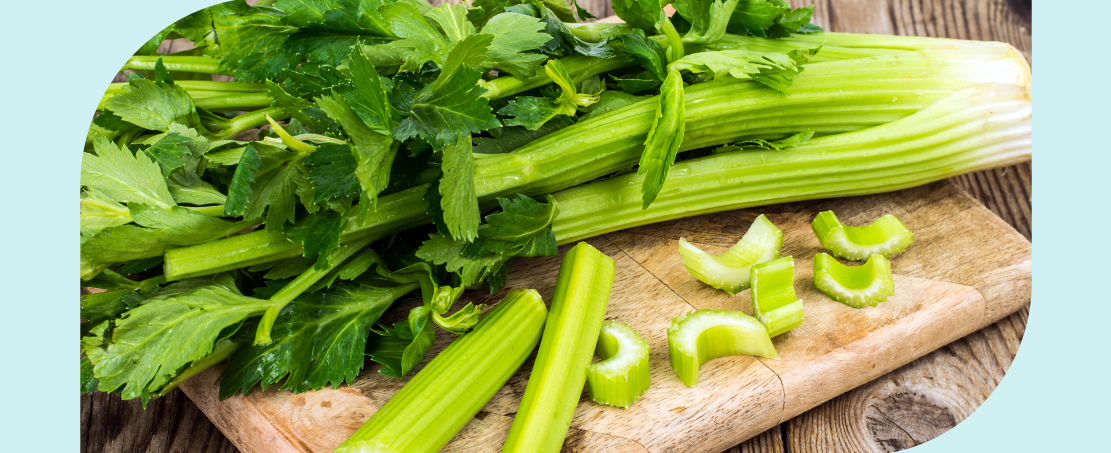
Celery is often hailed as a superfood, but for those managing diabetes, the form matters. While the celery glycemic index is naturally low, the choice between stalks and juice impacts postprandial glucose levels significantly. Choosing whole vegetables over processed liquids is a cornerstone of metabolic health.
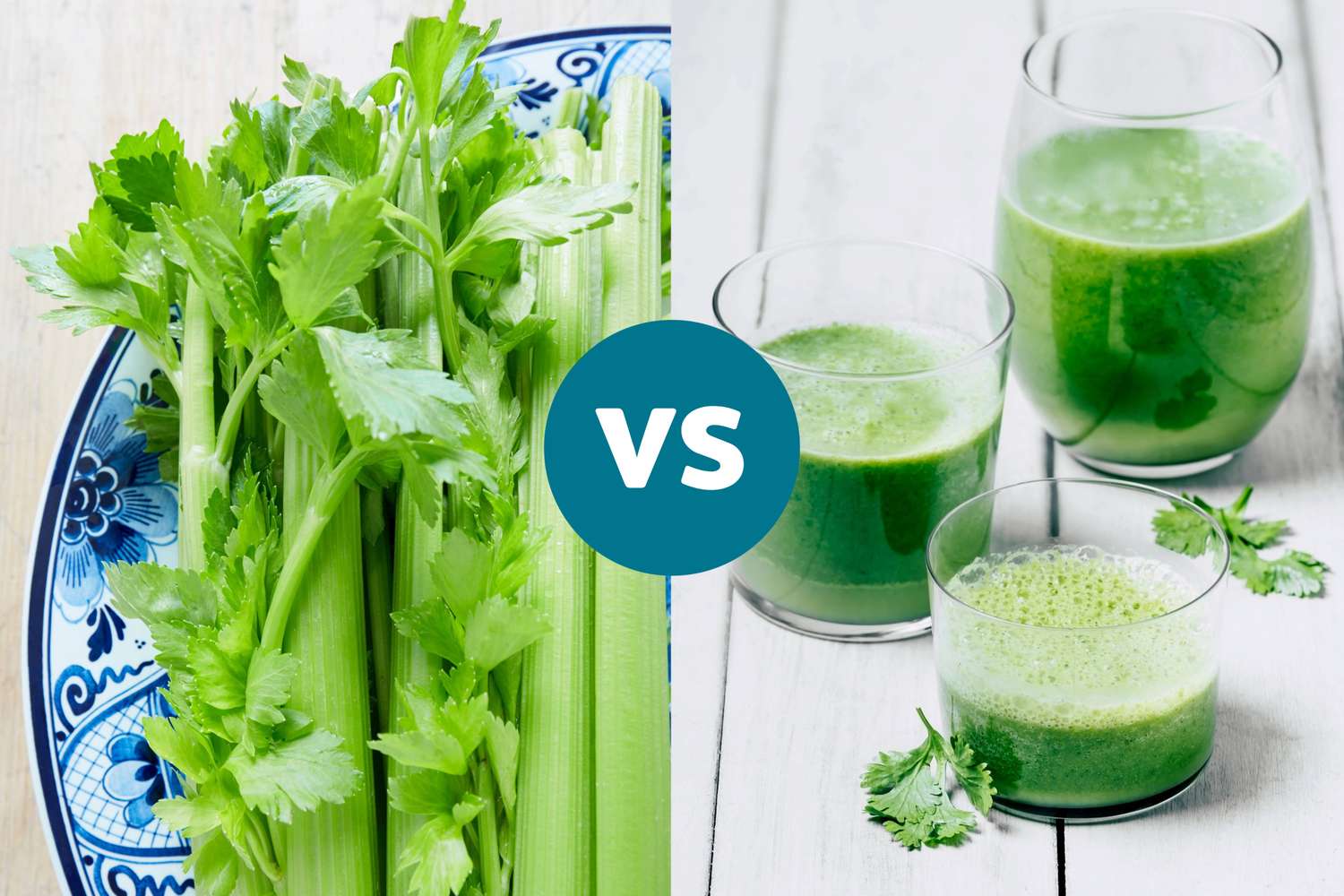
The Glycemic Profile: Celery Stalks vs. Juice
When we look at the metabolic impact of vegetables, we often focus on the glycemic index. For celery, this number is impressively low. Whole raw celery has a very low glycemic index ranging from 15 to 35 and a glycemic load of nearly zero, ensuring a minimal impact on blood glucose levels. However, the way our body processes these carbohydrates changes the moment we put the vegetable through a juicer.
Juicing is essentially a form of mechanical processing that strips away the structural integrity of the plant. In its whole form, celery provides a matrix of insoluble fiber that acts as a physical barrier, slowing down the enzymatic breakdown of natural sugars. When you drink the juice, you remove this barrier. Even though celery is naturally low in sugar, the lack of fiber means the liquid passes through the digestive tract much faster, potentially leading to a quicker postprandial glucose response than if you had eaten the crunchy stalk.
Furthermore, the process of mastication—or chewing—is a critical component of metabolic signaling. Chewing triggers the release of satiety hormones that tell your brain you are full. Drinking your calories, even from a healthy source like celery juice, often bypasses these satiety levels, making it easier to overconsume or feel hungry shortly after. For those dealing with insulin resistance or metabolic syndrome, maintaining high satiety and slow glucose absorption is vital.
| Metric | Whole Celery Stalks | Celery Juice |
|---|---|---|
| Dietary Fiber | 1.6g per 100g | Trace / Minimal |
| Glycemic Index | Approximately 32 | Slightly higher (35-40+) |
| Glycemic Load | Near Zero | Low to Moderate |
| Metabolic Impact | Slow glucose absorption | Faster glucose absorption |
| Satiety Level | High (due to chewing/fiber) | Low (liquid calories) |
Beyond Fiber: Phytochemicals and Insulin Sensitivity
While the fiber story is compelling, the benefits of celery for blood sugar management extend deep into its chemical composition. Celery is a treasure trove of phytochemicals, which are bioactive compounds that help the body manage oxidative stress and inflammation—two major contributors to insulin resistance.
Two specific compounds, apigenin and luteolin, stand out in the research. These flavonoids have potent antioxidant properties that help protect the pancreas and vascular system from damage caused by high glucose. Specifically, luteolin in celery for diabetic neuropathy prevention is a growing area of interest. By reducing neuroinflammation, these compounds may help mitigate the long-term nerve damage often associated with poorly managed diabetes.
Additionally, celery is an excellent source of Vitamin K. Beyond its well-known role in bone health and blood clotting, celery vitamin k benefits for insulin sensitivity are noteworthy. Adequate Vitamin K intake has been linked in several studies to improved glucose metabolism. It helps regulate the protein osteocalcin, which influences insulin secretion and the way our cells respond to that insulin. By keeping your Vitamin K levels optimized through low-calorie, non-starchy vegetables like celery, you provide your body with the tools it needs to keep insulin receptors functioning efficiently.
The bioavailability of these nutrients is also a factor. While juicing might concentrate some vitamins, it often degrades others or removes the compounds that help with their absorption. Eating the whole stalk ensures you get the full spectrum of phytochemicals in their natural state.
Clinical Insights: Seeds, Extracts, and Therapeutic Doses
Evidence-based nutrition requires looking at human clinical trials to see how these foods perform in real-world scenarios. The data on celery is quite promising, particularly for those in the early stages of glucose impairment.
A 100-gram serving of raw celery provides approximately 1.6 grams of dietary fiber, which aids in blood sugar regulation by slowing the absorption of glucose into the bloodstream. This is a foundational benefit for any meal plan designed for glycemic control. But beyond the fiber, the extracts of the plant show even more concentrated effects.
Clinical research involving elderly patients with prediabetes found that those who consumed celery leaf extract experienced a 19.5 percent reduction in postprandial blood glucose levels compared to those who did not. This suggests that the bioactive compounds within the celery leaf and stalk have a direct effect on how the body handles a glucose load. While a whole stalk might not be as concentrated as an extract, the consistent inclusion of celery in the diet contributes to this cumulative effect.
It is also worth noting that the celery glycemic index for diabetes makes it one of the safest "volume foods" available. You can eat a significant amount of celery—adding crunch and hydration—without worrying about the glycemic load of celery juice vs raw celery. For most patients, the goal is to keep the glycemic load of a snack as close to zero as possible, and whole celery achieves this perfectly.

Smart Pairings for Glucose Control
To maximize the celery fiber benefits for glucose management, it is often best to think about how you pair it with other foods. While celery on its own is a great snack, pairing it with healthy fats or proteins can further stabilize your postprandial glucose levels.
Consider these low glycemic index celery snack ideas for diabetics:
- Celery and Almond Butter: The healthy fats and protein in almond butter further slow down digestion, making this an excellent mid-afternoon snack to prevent a late-day energy crash.
- Celery and Hummus: Chickpeas provide additional fiber and protein, creating a satisfying snack that keeps blood sugar stable for hours.
- Celery in Tuna Salad: Use chopped celery for crunch in a tuna or chicken salad. the protein from the fish or meat combined with the fiber in the celery makes for a metabolic win.
Regarding the best time to eat celery for blood sugar control, including it as an appetizer or a "starter" to your meal is highly effective. Eating fiber-rich vegetables before consuming carbohydrates can significantly flatten the glucose curve of the entire meal. This "food sequencing" strategy is a simple but powerful way to use celery to your advantage.
FAQ
Does celery lower blood sugar levels?
Celery does not "lower" blood sugar in the same way medication does, but it helps manage it significantly. Its high fiber content and specific phytochemicals like luteolin can reduce the speed of glucose absorption and improve insulin sensitivity over time. Clinical studies have shown that celery leaf extract can reduce postprandial glucose levels by nearly twenty percent.
Is celery good for people with diabetes?
Yes, celery is an ideal vegetable for those with diabetes. It is a non-starchy vegetable with a very low glycemic index and glycemic load. It provides essential nutrients like Vitamin K and antioxidants without adding significant calories or carbohydrates to the diet, making it perfect for maintaining stable glucose.
Does celery juice cause blood sugar spikes?
While celery juice is unlikely to cause a massive spike in healthy individuals because it is naturally low in sugar, it can cause a faster rise in blood sugar than whole stalks. This is because juicing removes the fiber that normally slows down digestion. For someone with severe insulin resistance, drinking large amounts of celery juice on an empty stomach might lead to a more noticeable glucose fluctuation.
What is the glycemic index of celery?
The glycemic index of raw celery is approximately 32, which is considered very low. Its glycemic load is nearly zero. This makes it an excellent choice for anyone following a low-GI diet to manage diabetes or weight.
Is it better to eat whole celery or drink celery juice for blood sugar?
It is generally better to eat whole celery stalks. Whole celery retains all of its insoluble fiber, which is crucial for slowing down the absorption of sugar into the bloodstream. Fiber also promotes satiety and supports gut health, both of which are important for long-term blood sugar management.
Can celery help lower A1C levels?
While no single food can lower A1C on its own, incorporating low-GI, high-fiber foods like celery into a balanced diet can help. By reducing the frequency and severity of post-meal blood sugar spikes, celery contributes to better overall glucose control, which is eventually reflected in a lower A1C level over several months.
Conclusion
When navigating the debate of celery juice vs whole stalks nutrition, the science consistently points toward the whole food. While the "celery juice craze" has brought attention to this humble vegetable's nutrient density, the removal of fiber is a significant drawback for anyone concerned with their celery blood sugar response.
By choosing whole stalks, you leverage the power of fiber, the benefits of chewing for satiety, and a host of phytochemicals that protect your metabolic health. Whether you are using it as a crunchy snack or a pre-meal appetizer, celery remains one of the most effective, evidence-based tools in a diabetic-friendly kitchen. Always remember to track your own postprandial response, as individual biology can vary, but for most, the crunch of a whole celery stalk is the ultimate metabolic win.