Quick Facts
- Standard Age: 45 years is the current benchmark for average-risk individuals to begin screening.
- Cancer Reduction: Undergoing the procedure can lead to a 31% decrease in developing colorectal cancer.
- Mortality Impact: High-quality screening results in a 50% reduction in cancer-related deaths.
- Survival Rate: Early detection through screening leads to a 90% five-year survival rate.
- Procedure Time: Most exams are completed in less than 60 minutes under comfortable sedation.
- Primary Advantage: It is the only tool that allows for the immediate removal of precancerous polyps during the exam.
A colonoscopy is considered the gold standard for digestive health because it allows a gastroenterologist to identify and remove adenomatous polyps before they develop into cancer. Unlike stool-based tests, which primarily detect signs of existing cancer, this procedure is both diagnostic and preventative. By providing high-definition imaging of the gastrointestinal tract and the ability to perform tissue biopsies, it significantly reduces colorectal cancer mortality through early detection.
2026 Screening Guidelines: Why Age 45 is the New Milestone
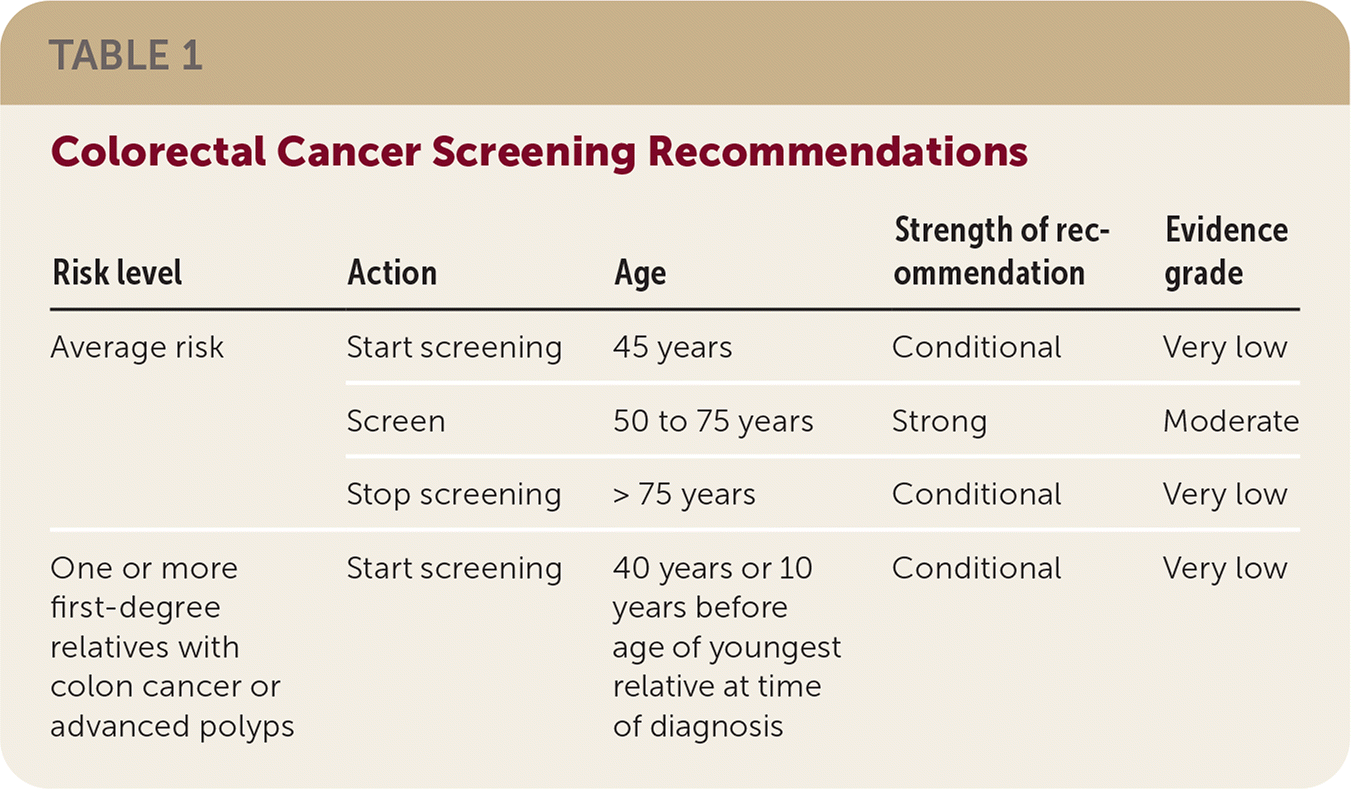
For decades, age 50 was the standard starting point for colon cancer screening. However, recent trends have shown a concerning rise in young-onset colorectal cancer among men and women in their 40s. In response, medical authorities and the 2026 Washington University updates have solidified the importance of colonoscopy by lowering the recommended starting age to 45 for those at average risk.
This shift is not arbitrary. It is a proactive measure to catch precancerous changes in a demographic that was previously overlooked. According to the Centers for Disease Control and Prevention, approximately 68% of colorectal cancer deaths could be prevented through increased screening, with colonoscopy being one of the most effective tools for detection.
While age 45 is the general milestone, colonoscopy screening guidelines dictate that some individuals must start even earlier. If you have a family history of colon cancer or a personal history of inflammatory bowel disease, such as Crohn’s disease or ulcerative colitis, your doctor may recommend screening in your 30s or even your 20s. Following the colonoscopy screening age guidelines for 45 and older is essential for the general population, but personalized screening guidelines for people with a family history of colon cancer are vital for high-risk groups to prevent early-stage malignancies from progressing.
Preventive vs. Detective: The Dual Power of a Colonoscopy
When discussing colon cancer prevention benefits, many patients ask about the difference between a colonoscopy and stool-based tests like FIT or Cologuard. The distinction is critical: stool tests are primarily detective, while a colonoscopy is preventative.
A stool test looks for DNA changes or blood that might indicate cancer is already present. In contrast, the benefits of early colon cancer detection through screening with a colonoscopy allow a physician to find adenomatous polyps—small growths on the lining of the colon—and remove them right then and there. By preventing colon cancer by removing precancerous polyps, the procedure stops the disease before it even starts.
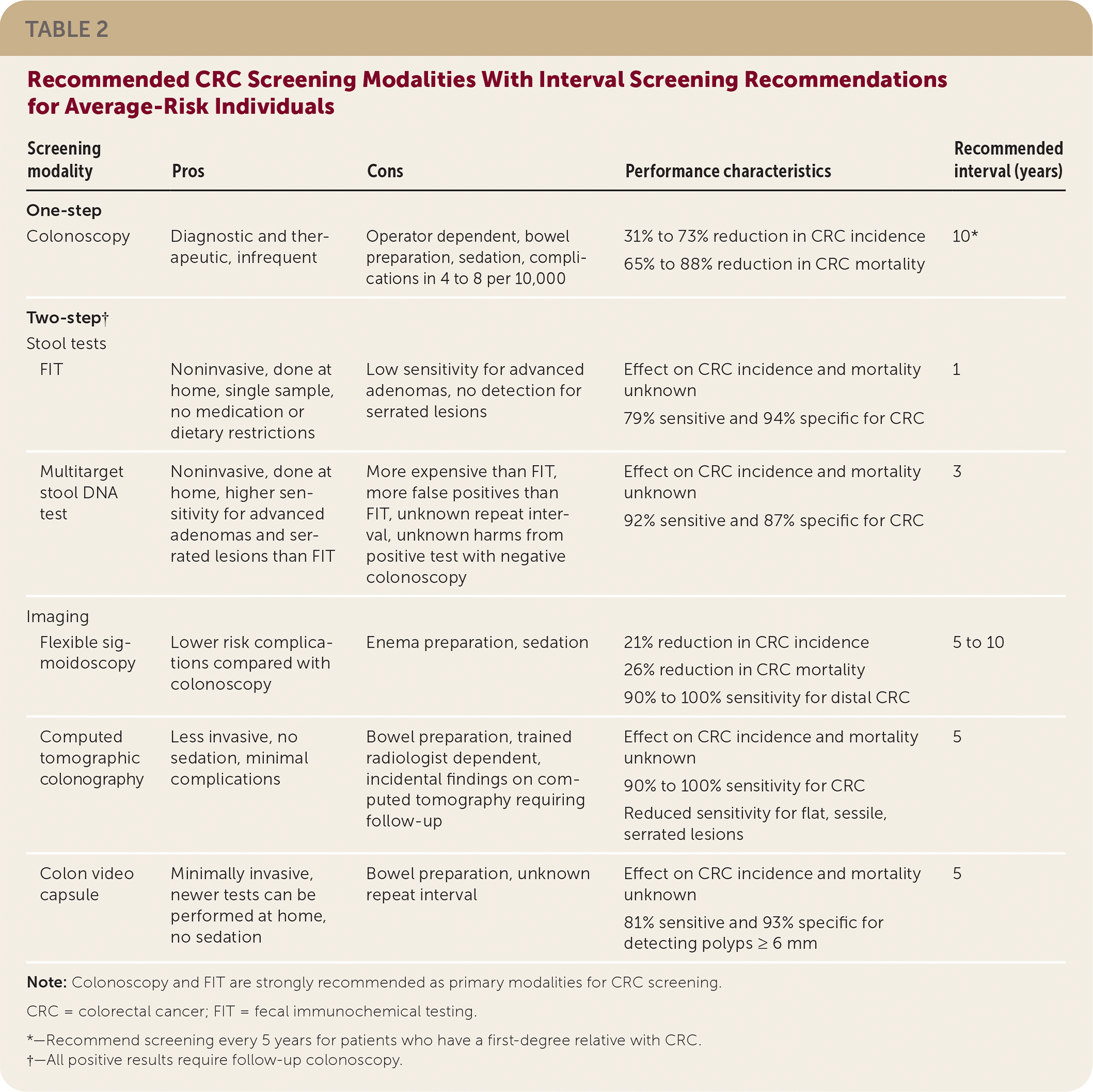
Research indicates that undergoing a screening colonoscopy can reduce the risk of developing colorectal cancer by approximately 31% and the risk of dying from the disease by 50%. This is why a colonoscopy is more effective than stool tests for long-term survival; it doesn't just find cancer, it prevents it. If a stool test comes back positive, you will still need a colonoscopy to find the cause, making the colonoscopy the ultimate destination for definitive answers.
Diagnostic Red Flags: When Symptoms Require Immediate Action
While screening is performed on patients with no symptoms, a diagnostic colonoscopy is used to investigate specific health concerns. Knowing the difference between screening and diagnostic colonoscopy is important for both medical clarity and insurance purposes. A diagnostic procedure is triggered when "red flags" appear, indicating that the gastrointestinal tract needs a closer look.
If you experience any of the following quantitative metrics of distress, you should consult a gastroenterologist immediately:
- Unexplained Weight Loss: A loss of 10 lbs or more without changes in diet or exercise.
- Chronic Diarrhea: Persistent loose stools lasting 28 days or longer.
- Rectal Bleeding: Any instance of bright red blood or dark, tarry stools.
- Abdominal Pain: Persistent, unexplained cramping or discomfort in the lower abdomen.
- Anemia Signs: Laboratory results showing ferritin levels at or below 45 ng/mL, which may suggest internal blood loss.
In these cases, the procedure is used for the early detection of digestive diseases such as diverticulosis, ulcerative colitis, or Crohn's disease. Colorectal cancer has a five-year survival rate of 90% when the condition is caught and treated in its early stages during procedures such as a colonoscopy. Waiting for symptoms to "go away" can be a dangerous gamble with your longevity.
Ensuring Quality: Metrics Every Patient Should Know
Not all colonoscopies are created equal. As a patient, you have the right to ensure you are receiving a high-quality exam. When choosing a gastroenterologist, you can ask about their specific performance metrics, which are indicators of how thoroughly they examine the colon.
Two key metrics to look for include:
- Adenoma Detection Rate (ADR): This measures how often a physician finds at least one precancerous polyp in patients. A higher ADR generally correlates with a lower risk of "interval" cancers appearing between screenings.
- Cecal Intubation Rate: This is the percentage of time the physician successfully reaches the start of the colon (the cecum). A quality benchmark is a 95% cecal intubation rate for screening exams.
- Withdrawal Time: This refers to how long the doctor spends looking for polyps as they remove the scope. A minimum 9-minute withdrawal time is the gold standard for a thorough inspection using modern endoscopic imaging.
By focusing on these quality indicators, you ensure that the preventative healthcare you receive is as effective as possible.
The Patient Journey: Prep, Procedure, and Recovery
The biggest hurdle for most men isn't the procedure itself—it's the bowel preparation. However, prep has improved significantly in recent years. Modern low-volume preps are much easier to tolerate than the "gallon of salty water" of the past. The goal of bowel preparation is to clear the colon completely so the gastroenterologist has a clear view of the tissue.
On the day of the procedure, you will likely receive conscious sedation. This is not the same as general anesthesia; you remain breathing on your own, but you are in a "twilight" sleep where you feel no pain and usually have no memory of the exam. The procedure itself typically takes 30 to 45 minutes.
Recovery is swift. Most patients are awake and alert within 30 minutes of the scope being removed. While you will need someone to drive you home due to the sedation, most men are back to their normal diet and light activities by the evening. It is a one-day commitment that provides years of peace of mind.
Surveillance Roadmap: Determining Your Follow-Up Interval
Once the procedure is over, your doctor will provide a roadmap for your future gastrointestinal health. These surveillance intervals are determined by what was found (or not found) during the exam and your specific risk factors.
| Finding During Colonoscopy | Recommended Follow-Up Interval |
|---|---|
| Normal result, no polyps, no family history | 10 years |
| 1-2 small (under 10mm) low-risk adenomas | 7–10 years |
| 3-4 small adenomas | 3–5 years |
| Large polyps (over 10mm) or high-risk tissue | 1–3 years |
| History of Inflammatory Bowel Disease | 1–2 years (variable) |
A tissue biopsy of any removed polyps will provide the definitive data needed to set this schedule. If your doctor finds adenomatous polyps, they are essentially resetting your clock by removing the threat before it can evolve.
FAQ
Why is a colonoscopy considered so important?
It is the only screening method that can both find and prevent cancer simultaneously. By removing polyps before they turn into malignant tumors, it directly lowers the incidence of colorectal cancer and significantly improves long-term survival rates.
At what age should you have your first colonoscopy?
Current medical guidelines recommend that individuals at average risk begin screening at age 45. However, if you have a family history of colorectal cancer or certain digestive symptoms, you may need to start much earlier.
How often should a person get a colonoscopy?
For those with a normal, clear result and no high-risk factors, the procedure is typically repeated every 10 years. If polyps are found, the frequency increases to every 3 to 5 years depending on the size and type of polyp.
What are the main benefits of a colonoscopy?
The primary benefits include the prevention of cancer through polyp removal, high-definition visualization of the entire colon, the ability to perform biopsies, and the early detection of other conditions like inflammatory bowel disease or diverticulosis.
Can a colonoscopy prevent colon cancer?
Yes. Most colon cancers start as benign polyps. Because a gastroenterologist can remove these polyps during the procedure, the colonoscopy effectively stops the progression of cancer, reducing the risk of developing the disease by 31%.
Taking the Next Step for Longevity
Maintaining your vitality as you age requires more than just a clean diet and a consistent gym routine; it requires a proactive approach to preventive healthcare. The importance of colonoscopy cannot be overstated in a modern wellness strategy. Colorectal cancer is one of the few cancers that is almost entirely preventable through regular screening.
If you are 45 or older, or if you have been experiencing unexplained digestive changes, do not delay. A single day of preparation and a brief procedure is a small price to pay for a lifetime of digestive health. Contact a specialist today to ensure your internal health matches your external strength.