Quick Facts
- The Threshold: Clinical hypertension is now defined as any reading consistently at or above 130/80 mmHg.
- The Silent Crisis: An estimated 1.4 billion adults aged 30 to 79 worldwide live with this condition, but approximately 44% are unaware they have it.
- Mortality Data: High blood pressure was a primary or contributing cause of 664,470 deaths in the United States in 2023.
- The Global Burden: Hypertension accounts for approximately half of all heart disease and stroke-related deaths globally.
- The Mechanism: Untreated pressure causes endothelial dysfunction, leading to arterial wall thickening and restricted blood flow.
- The Emergency: A reading of 180/120 mmHg or higher is considered a hypertensive crisis and requires immediate medical intervention.
High blood pressure risks often go unnoticed because hypertension typically has no outward symptoms. Known as the silent killer, this condition causes progressive hypertension heart damage by increasing vascular resistance and promoting arterial wall thickening. Understanding the hidden symptoms of hypertension you should not ignore is critical for preventing heart failure and ischemic strokes.
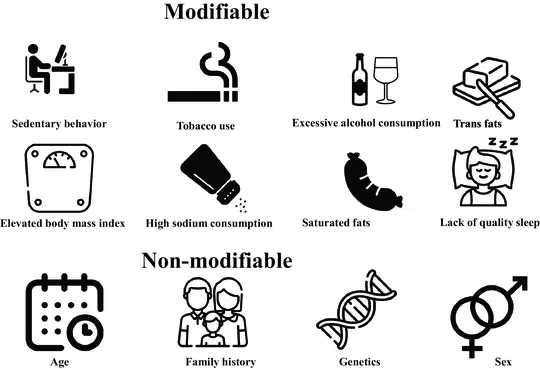
The Heart Under Pressure: Hypertension Heart Damage
When we talk about longevity and vitality, the conversation always returns to the pump. Your heart is a remarkably resilient muscle, but it is not invincible. High blood pressure risks are primarily driven by the constant, excessive force of blood pushing against the walls of your arteries. Over time, this force creates microscopic tears in the delicate lining of the blood vessels, a condition known as endothelial dysfunction.
As the body attempts to repair these tears, it triggers a cascade of negative events. These repairs lead to atherosclerosis development, where plaque builds up and hardens the arteries. This is the foundation of arterial aging, making the vessels less flexible and more prone to rupture or blockage. To compensate for this increased vascular resistance, your heart must pump harder to circulate blood throughout the body.
The most common result of this extra workload is left ventricular hypertrophy. This is a condition where the muscle of the heart’s main pumping chamber thickens. While a thicker muscle might sound like a benefit in a gym setting, in the heart, it is a disaster. A thickened heart muscle becomes stiff and less efficient, eventually losing its ability to pump enough blood to meet the body’s needs. This process marks the beginning of heart failure progression. By focusing on preventing left ventricular hypertrophy through blood pressure control, men can significantly extend their healthspan and maintain their athletic capacity well into their later decades.
Systemic Impact: Why It Risks Your Brain and Kidneys
The damage rarely stops at the heart. Because the circulatory system is a closed loop, the impact of high blood pressure risks is systemic. The brain is particularly vulnerable. High pressure can cause the small, fragile blood vessels in the brain to burst or become blocked by clots. This makes hypertension the leading controllable factor in ischemic stroke prevention.
Beyond the brain, your kidneys serve as the body's filtration system, relying on a complex network of tiny blood vessels to function. Chronic high pressure damages these vessels, leading to a decline in kidney function and, eventually, renal failure. We often see a strong correlation between hypertension and metabolic health markers like insulin resistance and high cholesterol. These factors work together to accelerate damage across all organ systems.
Perhaps the most startling statistic is that 75% of those affected globally lack awareness of the systemic damage occurring inside their bodies. Because there are so few visible signs, many men assume they are healthy until a major event like a heart attack or stroke occurs. This is why we must prioritize screening and look for the complications of untreated high blood pressure on heart health before they become irreversible.
Modern Diagnosis: Using the PREVENT Risk Calculator
The days of relying solely on a once-a-year reading at the doctor's office are over. Many men suffer from White Coat Hypertension, where the stress of a clinical setting spikes their numbers, or Masked Hypertension, where their clinic readings look fine but their daily averages are dangerously high. To get a true picture of your health, consistent home blood pressure monitoring is essential.
Modern diagnostic criteria have shifted toward a more holistic assessment. While the numbers on the monitor—your systolic and diastolic readings—are important, they are only part of the story. I recommend that my readers use the role of the PREVENT risk calculator in cardiovascular assessment. This tool, recently introduced by major cardiac associations, looks at your 10-year risk for heart disease and stroke by factoring in your blood pressure, age, cholesterol, and kidney function.
By tracking your numbers at home and using these advanced risk calculators, you move from a reactive stance to a preventive one. It allows you to identify the hidden symptoms of hypertension you should not ignore, such as frequent headaches or mild shortness of breath, which might otherwise be dismissed as signs of aging or stress.
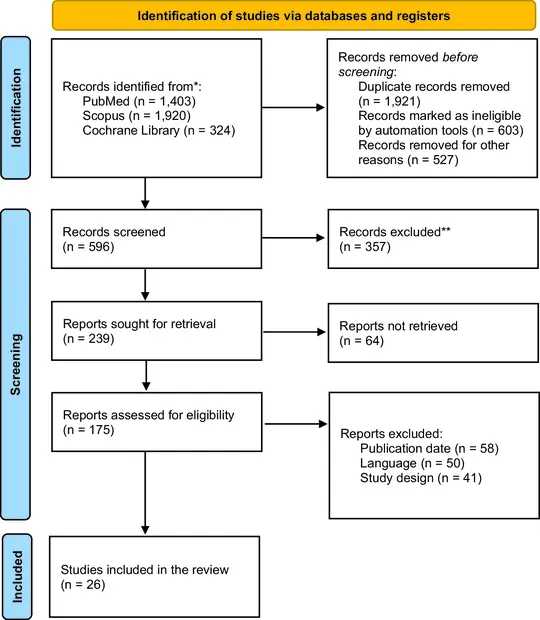
| Blood Pressure Category | Systolic (Top Number) | Diastolic (Bottom Number) | Action Required |
|---|---|---|---|
| Normal | Less than 120 | Less than 80 | Maintain healthy habits |
| Elevated | 120 – 129 | Less than 80 | Lifestyle changes |
| Hypertension Stage 1 | 130 – 139 | 80 – 89 | Lifestyle + possible meds |
| Hypertension Stage 2 | 140 or higher | 90 or higher | Medication management |
| Hypertensive Crisis | Higher than 180 | Higher than 120 | Immediate ER visit |
Actionable Management: Lifestyle and Clinical Pathways
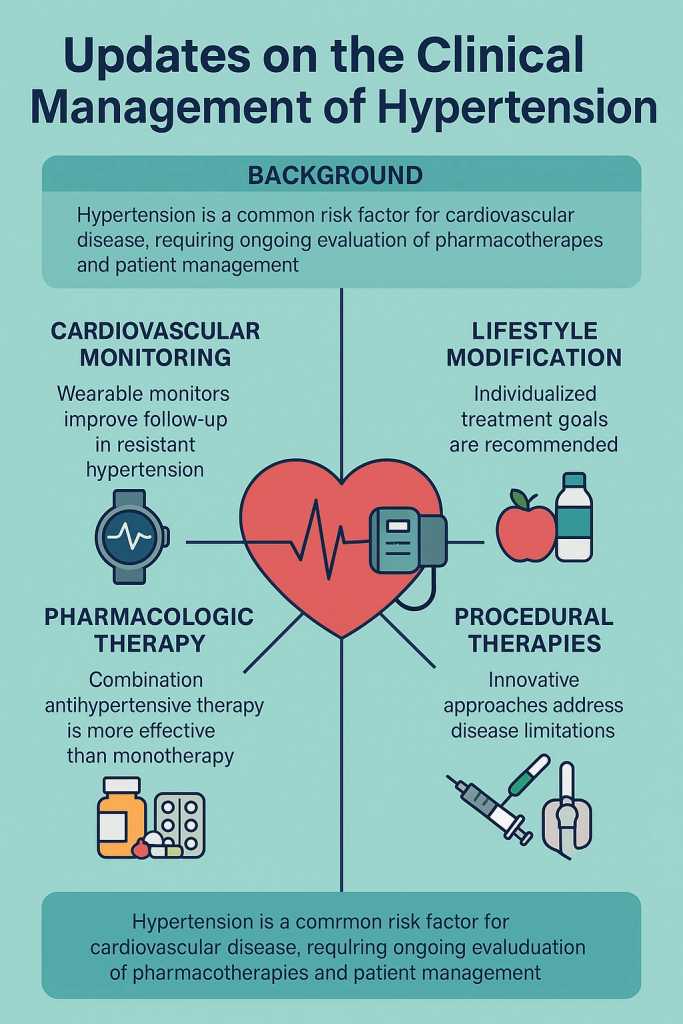
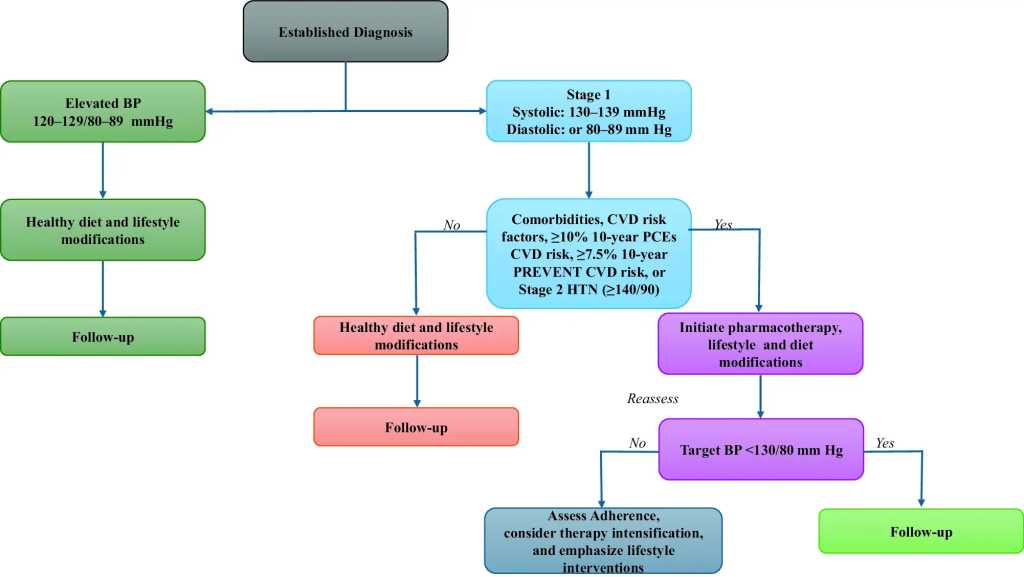
If your numbers are creeping into the Elevated or Stage 1 categories, the first line of defense is lifestyle changes for high blood pressure. These are not just suggestions; they are clinically proven interventions that can be as effective as some medications.
First, let’s talk about nutrition. Lowering blood pressure through dash diet principles is one of the most effective strategies available. The DASH diet focuses on high-potassium foods like leafy greens and bananas while emphasizing sodium intake reduction. Most men consume far more than the recommended 1,500mg of sodium per day, which causes the body to retain water and increases pressure on the arterial walls.
Physical activity is the second pillar. Engaging in the best aerobic exercises for lowering blood pressure—such as brisk walking, cycling, or swimming—helps strengthen the heart and improves endothelial function. Aim for at least 150 minutes of moderate-intensity exercise per week to see a measurable impact on your readings.
However, lifestyle changes alone aren't always enough, especially if genetics play a role. When readings stay consistently above 130/80 mmHg, clinical guidelines for hypertension medication management suggest starting pharmacologic therapy. Modern protocols often favor ACE inhibitors and beta-blockers, which help relax blood vessels or slow the heart rate. One of the biggest shifts in recent years is the move toward dual low-dose therapy. Research shows that combining two different types of blood pressure medications at lower doses is often five times more effective and has fewer side effects than simply doubling the dose of a single drug.
Myth vs. Science: Addressing Hypertension Hype
In the world of longevity, it is easy to get distracted by the latest "biohack" or supplement. I see a lot of marketing for specialized peptides and herbal blends that claim to "cure" high blood pressure naturally. While some supplements, like magnesium or omega-3s, can support cardiovascular health, they are not a replacement for medical-grade treatment in cases of Stage 2 hypertension.
The safety gap between unregulated supplements and FDA-approved clinical treatments is significant. If you have high blood pressure risks, your primary goal should be reaching a stable, healthy range using methods backed by rigorous clinical trials. Don't fall for the hype of expensive "heart-health" powders if you haven't yet mastered the basics of sodium reduction and regular exercise. Preventive cardiology is about doing the boring things consistently, rather than looking for a magic pill.
FAQ
What are the long-term effects of untreated high blood pressure?
Over time, untreated pressure leads to permanent damage including vision loss, chronic kidney disease, and cognitive decline. It significantly increases the risk of heart failure and aortic aneurysms, which are life-threatening complications of untreated high blood pressure on heart health.
Can high blood pressure cause a stroke?
Yes, it is the primary risk factor for stroke. High pressure can cause a vessel in the brain to burst (hemorrhagic stroke) or lead to a blockage (ischemic stroke) by accelerating the buildup of plaque in the carotid arteries.
How does hypertension affect the heart?
It forces the heart to work harder, leading to muscle thickening and reduced efficiency. This eventually causes the heart to enlarge and weaken, a process that defines the progression toward heart failure and arrhythmias like atrial fibrillation.
What are the risks of high blood pressure to the kidneys?
The kidneys are packed with delicate blood vessels that filter waste. High pressure scars these vessels, preventing the kidneys from cleaning the blood effectively. This can lead to a dangerous buildup of toxins and the eventual need for dialysis.
Are there warning signs for the risks of hypertension?
Most of the time, there are no symptoms, which is why it is called the silent killer. However, in extreme cases or long-term neglect, some people may experience chest pain, shortness of breath, or persistent headaches. You should never wait for these signs to appear before seeking treatment.
The most important step you can take today is to know your numbers. Purchase a high-quality home blood pressure cuff, record your readings for one week, and take that data to your next appointment. Discuss your PREVENT risk score with your doctor to determine if you need to adjust your lifestyle or begin a clinical management plan. Your heart’s longevity depends on the actions you take while it is still "silent."