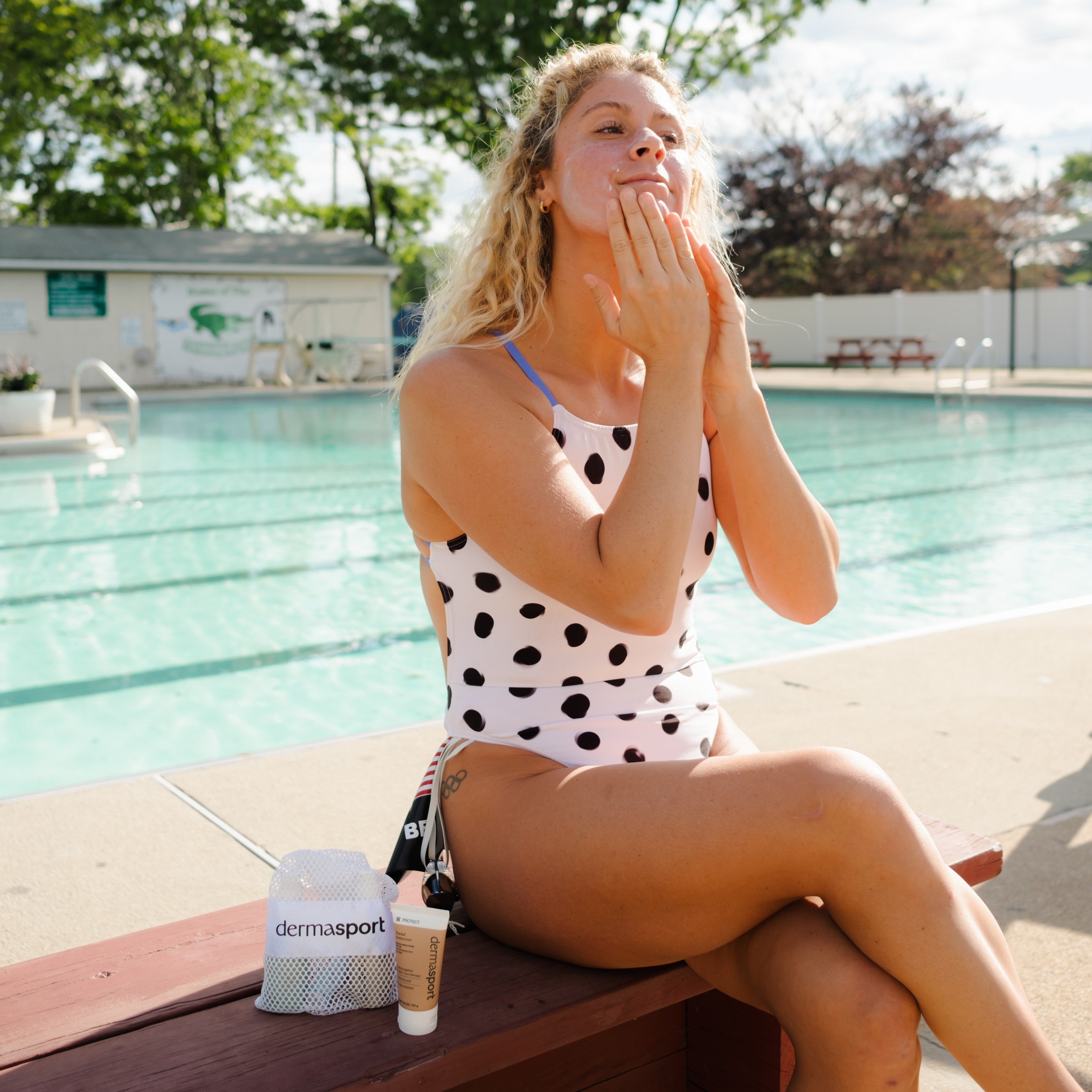
Quick Facts
- Skin Protocol: Rinse immediately for at least 15 minutes with lukewarm fresh water to remove sodium hypochlorite.
- Dechlorination Strategy: Use a specialized dechlorinating body wash or a DIY vitamin C spray to neutralize residual chemicals on the skin.
- Eye Care: Flush eyes with sterile saline or clean water for 15 minutes and follow with lubricating drops.
- Respiratory Action: If a chlorine cough develops, move to a well-ventilated area or higher ground immediately, as chlorine gas is heavier than air.
- Safety Standards: The Centers for Disease Control and Prevention recommends maintaining a free chlorine concentration of at least 1 part per million in swimming pools and at least 3 parts per million in hot tubs.
- Emergency Threshold: Contact Poison Control (800-222-1222) if symptoms like chest tightness or persistent wheezing occur.
Chlorine exposure treatment involves immediate rinsing with fresh water and neutralizing residuals. For skin, use a dechlorinating body wash and thick moisturizers to repair the skin barrier. For eyes, a 15-minute saline flush is essential. If you experience respiratory distress or chlorine cough, move to fresh air immediately.
Emergency Action If you or someone else has inhaled concentrated chlorine fumes or splashed undiluted pool chemicals in the eyes, call the National Poison Control Center at 800-222-1222 immediately. If the person is struggling to breathe, call 911.

Identifying Symptoms: Is it Chlorine Exposure?
As a specialist in preventive care, I often see swimmers who view dry skin and red eyes as a "badge of honor" for their laps. However, these are often early signs of irritant contact dermatitis or respiratory stress. Chlorine is a powerful oxidant, often added to water as sodium hypochlorite to eliminate pathogens. While it keeps us safe from bacteria, it can react with organic matter—like sweat and skin oils—to create chloramines, which are the true culprits behind that distinct "pool smell" and physical irritation.
Recognizing chlorine poisoning symptoms early can prevent long-term damage to your body’s delicate surfaces. For most, the irritation is localized. You might notice your skin feeling tight, itchy, or developing a red, bumpy rash. This occurs because chlorine strips away the natural lipids that maintain your skin barrier function. When this barrier is compromised, the chemical can penetrate deeper, causing inflammation.
In more significant cases, particularly in poorly ventilated indoor pools, you may experience systemic issues. These signs of chlorine poisoning from swimming pools include a persistent tickle in the throat, sneezing, and watery eyes. If the concentration is high enough, the chemical reacts with the moisture in your lungs to form a mild hydrochloric acid, leading to what athletes often call a chlorine cough. In a study of a chlorine emission accident, acute respiratory symptoms were reported in 66.7% of adults and 71.6% of children, highlighting how sensitive our mucous membranes are to this element.
Immediate First Aid: Eyes and Lungs
If you finish your swim and find your vision blurry or your chest feeling tight, immediate action is required. For relief for chlorine eye irritation, the first step is always decontamination. You must remove your contact lenses immediately, as they can trap chemicals against the cornea, exacerbating the irritation.
Health and poison control authorities recommend that individuals experiencing direct eye or skin irritation should irrigate the affected area with clean water for at least 15 minutes to reduce discomfort and remove residual chemicals. For the eyes, use a gentle stream of lukewarm tap water or, ideally, a sterile saline solution. Tilt your head so the affected eye is lower, allowing the water to flow from the inner corner to the outer corner. This prevents the irritants from washing into the other eye.
When it comes to the lungs, treating chlorine cough and respiratory irritation requires fresh air and hydration. Because chlorine gas is denser than air, it tends to settle near the surface of the water or the floor of the pool deck. If you feel short of breath, leave the pool area immediately. Seek higher ground or an outdoor space with good air circulation. Sipping water can help soothe the mucous membranes in the throat. While home remedies for chlorine eye irritation like cool compresses can help after flushing, respiratory distress always requires professional monitoring if it does not resolve within minutes of reaching fresh air.
The Prevent-Cleanse-Recover Protocol for Skin
To keep your skin healthy while maintaining a rigorous swimming routine, I recommend a three-pillar approach. This holistic cycle ensures that you are not just treating damage, but actively preventing it.
Prevent: Building the Barrier
Before you even touch the water, your goal is to minimize direct chemical contact. Rinse your body with fresh water first; a saturated skin barrier is less likely to absorb chlorinated pool water. Applying a hydrophobic barrier cream or a thin layer of petroleum jelly can create a physical shield. If you are swimming outdoors, using a mineral-based sunscreen can also provide a layer of protection while preventing chlorine skin rash caused by the combination of UV rays and chemicals.
Cleanse: The Art of Neutralization
Learning how to get chlorine off skin after swimming is about more than just a quick rinse. Standard soaps often fail to break the bond between the chemical and your skin proteins. I suggest using a specialized dechlorinating body wash or a simple vitamin C neutralization spray (a mix of ascorbic acid and water) to chemically deactivate the chlorine. This stops the oxidation process immediately.
Recover: Restoring the Lipids
The final step is rebuilding what was lost. The best moisturizer for chlorine damaged skin is one that contains ceramides, glycerin, or hyaluronic acid. These ingredients mimic the skin barrier function, locking in moisture and keeping irritants out. If you already have a visible rash, applying water-resistant emollients or over-the-counter topical corticosteroids can help reduce inflammation and itching.
Diagnostic Clarity: Chlorine Rash vs. Swimmer’s Itch
It is a common mistake to confuse a chemical reaction with a biological one. Understanding the difference is vital for choosing the correct chlorine exposure treatment.
| Feature | Chlorine Rash (Irritant Contact Dermatitis) | Swimmer’s Itch (Cercarial Dermatitis) |
|---|---|---|
| Cause | Chemical reaction to sodium hypochlorite/chloramines | Parasitic larvae from snails in natural bodies of water |
| Location | Often under the swimsuit where water is trapped against skin | Typically on exposed skin not covered by a swimsuit |
| Timing | Can appear immediately or up to 48 hours later | Usually appears within minutes to days after swimming |
| Sensation | Burning, stinging, or dry itching | Intense, prickly itching |
| Appearance | Red, flaky, or dry patches; sometimes small bumps | Red, pimple-like spots or small blisters |
While preventing chlorine skin irritation before swimming focuses on barriers, avoiding swimmer's itch requires towel-drying vigorously immediately after leaving lake water to prevent parasites from burrowing. If your rash is chemical, the Prevent-Cleanse-Recover protocol is your best path to relief.
When to Seek Emergency Medical Care
Most cases of pool-related irritation are minor and manageable with lifestyle adjustments and proper skin care. However, chlorine is a toxic chemical, and there are "red flags" that indicate a more serious systemic reaction.
If you experience chest tightness, wheezing, or difficulty drawing a full breath, this could indicate acute respiratory distress. The study cited earlier found that symptoms persisted in approximately 30% of those affected for up to 30 days after a significant exposure event. This suggests that even "minor" lung irritation can have a lingering impact on your health.
Furthermore, if you are attempting how to treat chlorine rash at home and the skin begins to ooze, develops a crust, or feels hot to the touch, you may have developed a secondary bacterial infection. In these instances, professional medical evaluation is necessary to prescribe antibiotics or stronger topical treatments. Always monitor children closely, as their smaller lung capacity and thinner skin make them more susceptible to the adverse effects of poor pool water chemistry.
FAQ
What are the immediate symptoms of chlorine exposure?
The most common early signs include stinging or red eyes, itchy and dry skin, and a frequent need to cough. Some individuals may also experience sneezing or a runny nose as the mucous membranes react to the chloramines in the air and water.
What is the first aid for chlorine on the skin?
The priority is to rinse the skin with fresh, lukewarm water for at least 15 minutes. Use a gentle, pH-balanced cleanser or a dechlorinating body wash to remove chemical residues. Following the rinse, apply a thick emollient to restore the skin barrier.
How do you flush chlorine out of your eyes safely?
Tilt your head to the side and pour a steady, gentle stream of clean water or sterile saline over the eye for 15 minutes. Ensure the water flows away from your unaffected eye. Do not rub your eyes, as this can cause corneal abrasions.
When is chlorine exposure considered a medical emergency?
It becomes an emergency if the individual experiences severe respiratory distress, such as gasping for air, persistent wheezing, or chest pain. Additionally, if concentrated pool chemicals are swallowed or splashed in the eyes, you should contact emergency services or poison control immediately.
What are the signs of chlorine exposure in the lungs?
Common indicators include a dry, hacking cough, a feeling of tightness in the chest, and shortness of breath. In indoor environments, these symptoms often worsen if the ventilation is poor, leading to a buildup of irritating gases just above the water level.