Quick Facts
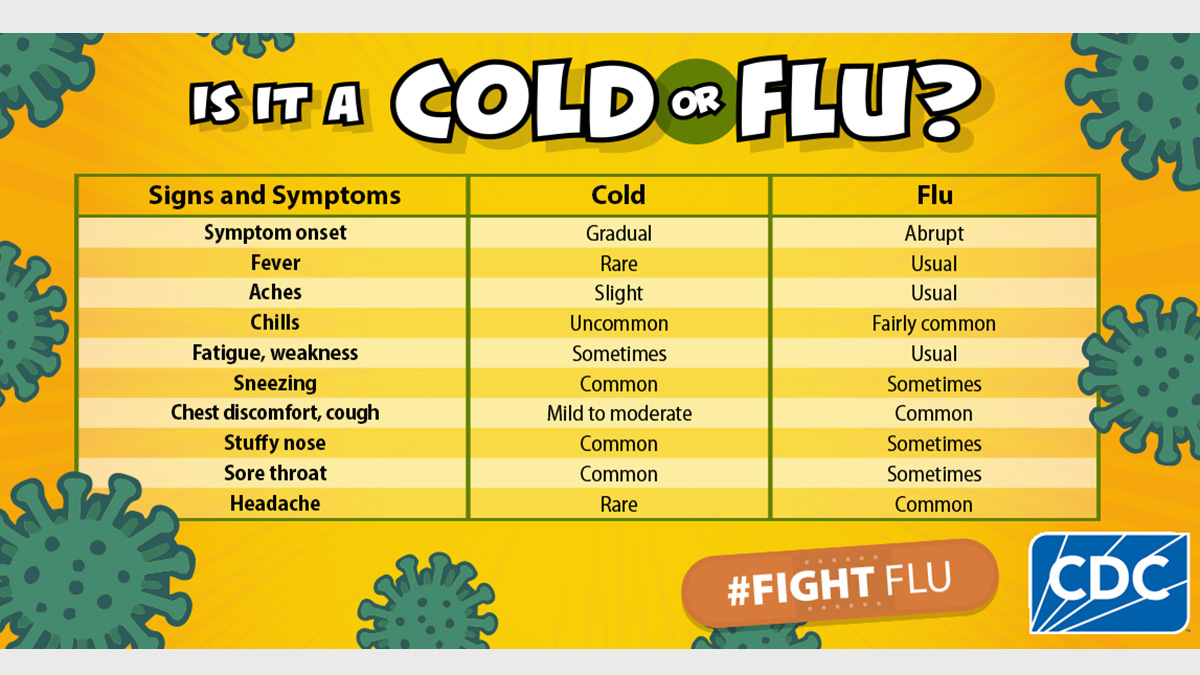
- Onset Speed: Flu is sudden, appearing in hours; Cold is gradual, building over days.
- Fever: Flu typically features high fever between 100°F and 104°F; Cold fevers are rare or very mild.
- Fatigue: Flu causes bone-deep exhaustion that can last weeks; Cold fatigue is mild and manageable.
- Localization: Colds are usually neck up (sinuses/throat); Flu is systemic (chest, muscles, whole body).
- 2026 Peak: The H3N2 subclade K strain is expected to peak between December and February.
- Treatment: Antiviral treatment is most effective when started within 48 hours of influenza onset.
Identifying whether you have a cold vs flu is critical for treatment timing. While a cold develops gradually, influenza hits suddenly with high fever and severe fatigue. This guide breaks down the 2026 symptom markers to help you decide between home rest and urgent care.
The primary difference between a cold and the flu is the speed and intensity of symptoms. A cold typically develops gradually over several days with mild congestion and sneezing. In contrast, influenza symptoms usually appear suddenly within hours, often featuring a high fever between 100°F and 104°F, severe body aches, and extreme fatigue.
As a preventive care editor, I often see patients mistake the two, which can lead to delayed treatment for the more serious influenza virus. In the most recent data for the 2024-2025 season, the CDC estimated there were approximately 51 million flu-related illnesses and 710,000 hospitalizations in the United States. Understanding these nuances isn't just about comfort; it is about knowing when your body needs medical intervention to prevent complications like pneumonia.
The Suddenness Scale: Influenza Symptoms Onset
When evaluating your health, the first question I always ask is: "How fast did this happen?" A common cold is like a slow-moving tide; you might feel a scratchy throat on Monday, a runny nose on Tuesday, and a slight cough by Wednesday. It is a slow build-up of malaise.
The flu, however, is more like a tidal wave. The influenza symptoms onset is famously abrupt. You might feel perfectly fine during your morning coffee and find yourself unable to get out of bed by lunchtime. This sudden fever and body aches flu vs cold differentiator is your first major clue. In the 2026 season, we are seeing a particular prevalence of the H3N2 subclade K strain, which is characterized by an even faster "crash" than previous years.
Early warning signs of flu before fever often include a sudden wave of deep muscle aches and a feeling of being completely drained of energy. While a cold might make you want to slow down, the flu makes it nearly impossible to keep up with your daily routine. This systemic impact is due to the intense immune response triggered by the influenza virus compared to the milder rhinovirus or coronavirus strains that cause the common cold.
2026 Strain Alert: H3N2 Subclade K Current surveillance indicates that the H3N2 subclade K strain is the dominant viral infection this season. This specific strain is noted for causing more severe respiratory symptoms in younger adults and a higher incidence of sudden-onset high fevers compared to the milder H1N1 variations seen in previous years.

Localization: The 'Neck Up' Rule
In the world of holistic wellness, we use the "Neck Up" rule to help triage respiratory issues. This rule states that if your symptoms are primarily located above the neck—think nasal congestion, sneezing, and a sore throat—you are likely dealing with a common cold. These viral infections stay localized in the upper respiratory tract.
When symptoms move below the neck, the risk of it being influenza increases significantly. While a cold often involves a stuffy or runny nose and a productive cough, the flu is characterized by a dry cough and significant chest discomfort. You might feel a heaviness in your lungs that makes deep breathing uncomfortable.
Severe fatigue symptoms cold versus influenza are also distinct in their "weight." Cold fatigue is annoying; flu fatigue is debilitating. Patients often describe the flu as feeling like they have been hit by a truck, experiencing deep muscle aches that radiate through the back and legs. If you are wondering is a dry cough a sign of flu or cold, remember that while both can have a cough, the flu cough is usually dry, persistent, and more likely to lead to chest soreness.
| Feature | Common Cold | Influenza (Flu) | COVID-19 (2026 Strains) |
|---|---|---|---|
| Onset | Gradual (2-3 days) | Abrupt (Hours) | Variable (2-14 days) |
| Fever | Rare / Low-grade | High (100°F-104°F) | Common / Persistent |
| Cough | Productive / Mild | Dry / Severe | Dry / Persistent |
| Body Aches | Slight | Severe / "Bone-deep" | Common |
| Duration | 7-10 days | 1-3 weeks | Variable |
Recovery and Timing: The 48-Hour Critical Window
Timing is everything when it comes to managing the flu. Unlike a cold, which is managed solely with over-the-counter medicine and patience, influenza can be treated with prescription antiviral treatment. However, there is a catch: these medications are most effective when started within 48 hours of the first symptom appearing.
This is why recognizing how to tell the difference between cold and flu symptoms early is so vital. If you experience that sudden crash, check your thermometer readings. While cold symptoms typically develop gradually over two to three days, flu symptoms often appear abruptly and can include high fevers ranging from 100 to 104 degrees Fahrenheit. If you see that high number on the thermometer along with sudden malaise, contact your healthcare provider immediately.
The flu vs cold recovery time in 2026 also shows a significant gap. A cold usually resolves within 7 to 10 days. Influenza, however, has a much longer tail. You might recover from the acute fever and respiratory droplets shedding within a week, but the lingering fatigue can last for three weeks or more. This is your body’s way of signaling that it has been through a significant physiological event.

Triage: When to Visit Urgent Care
While most healthy adults can manage a cold or flu at home with aggressive hydration and rest, certain red flags require professional medical intervention. Knowing when to go to urgent care for flu symptoms can prevent a secondary bacterial infection from becoming dangerous.
Seek Immediate Medical Attention If You Experience:
- Trouble breathing or shortness of breath.
- Persistent chest pain or pressure.
- Sudden confusion or dizziness.
- Signs of dehydration risk, such as not urinating for several hours.
- A fever that goes away but then returns with a worse cough (a classic sign of secondary pneumonia).
For most, virtual care is an excellent first step. It allows you to receive an antiviral treatment prescription without leaving your bed and exposing others to respiratory droplets. However, if your symptoms include a persistent high fever that does not respond to over-the-counter medicine, a physical visit to urgent care is recommended.
Preventive care is about listening to your body. If the exhaustion feels "different" or "deeper" than any cold you have had before, treat it with the respect the influenza virus demands. Stay home until you have been fever-free for at least 24 hours without the use of fever-reducing medication to prevent further viral shedding in your community.
FAQ
How can you tell the difference between a cold and the flu?
The main differentiator is the speed of onset and the intensity of systemic symptoms. A cold builds slowly over several days and stays mostly in the nose and throat. The flu hits suddenly within a few hours and causes whole-body symptoms like high fever, severe muscle aches, and extreme exhaustion.
Is a fever more common with a cold or the flu?
Fever is very common with the flu, typically reaching between 100°F and 104°F. In contrast, adults with a common cold rarely run a fever, or if they do, it is usually very mild and short-lived.
How long does a cold last compared to the flu?
A common cold typically lasts about 7 to 10 days. While the acute symptoms of the flu (like fever) may subside after 5 to 7 days, the total flu vs cold recovery time is much longer for the flu, with fatigue and a lingering cough often persisting for two to three weeks.
What are the first signs of the flu?
The first signs are usually a sudden, dramatic drop in energy levels and the onset of deep muscle aches, often followed quickly by a dry cough and a rising fever. Unlike a cold, which might start with a simple runny nose, the flu often starts with these systemic, "whole-body" feelings of illness.
When should you see a doctor for flu-like symptoms?
You should consult a healthcare provider if you experience high-risk symptoms like difficulty breathing, chest pain, or signs of dehydration. It is also important to contact a doctor within the first 48 hours of symptoms if you suspect the flu, as this is the window when antiviral medications are most effective at shortening the illness.