Quick Facts
- Protocol Verdict: Use cold water immersion for acute pain (0-24h) and whole body cryotherapy for later performance recovery (48-72h).
- Hypertrophy Rule: Athletes focused on muscle growth must wait 4-6 hours after lifting before applying cold to avoid blunting gains.
- Thermal Speed: Water conducts heat 25 times faster than air, making cold plunges more efficient than air-based chambers for core temperature reduction.
- Safety Threshold: Maintain immersion temperatures between 50°F and 59°F; never exceed 15 minutes of exposure.
- Biomarker Impact: Cryotherapy significantly reduces Creatine Kinase and C-reactive protein, the primary indicators of muscle damage and systemic inflammation.
- Performance Gain: Effective cold protocols can restore athletic performance in 71% of cases by stabilizing the autonomic nervous system.
Cryotherapy for recovery works by inducing vasoconstriction and reducing inflammatory biomarkers such as C-reactive protein. Whole-body cryotherapy and cold water immersion are particularly effective for alleviating delayed-onset muscle soreness and restoring autonomic nervous system balance. Research indicates these interventions provide the most significant benefits during the moderate-to-late recovery phases, typically 24 to 72 hours after intense physical activity.
The Physiology of Cold: How Cryotherapy Works
When you step into a sub-zero chamber or a freezing tub, your body immediately enters survival mode. This is the foundation of cryotherapy for recovery. The first physiological response is massive vasoconstriction. Your blood vessels tighten, shunting blood away from your extremities and toward your core to protect vital organs. This process serves as a natural pump; as you warm up later, nutrient-rich, oxygenated blood rushes back into the muscle tissue, flushing out metabolic waste.
Beyond simple blood flow, cold exposure triggers a sophisticated chemical cascade. The sudden drop in skin temperature stimulates the production of cold shock protein and increases the release of norepinephrine by up to 300%. This neurotransmitter acts as a powerful anti-inflammatory agent, helping to mitigate exercise-induced muscle damage (EIMD). By lowering the temperature of the muscle tissue, you reduce the activity of inflammatory enzymes and dampen the pain signals sent to your brain.
The reduction in systemic inflammation is not just a feeling; it is measurable. Studies have shown that cold application lowers biomarkers like IL-6 and Creatine Kinase, which are often elevated after a heavy training session. This physiological "reset" helps you move from a state of breakdown to a state of repair much faster than passive rest alone. For the dedicated athlete, this means more high-quality training sessions per week and less time spent sidelined by extreme soreness.
Timing Your Chill: Post-Workout Protocols for Hypertrophy vs. Endurance
Timing is the most misunderstood variable in cryotherapy. If you are a marathon runner or a triathlete, your post-workout cold therapy timing can be immediate. For endurance athletes, the goal is to reduce core temperature and restore autonomic nervous system balance as quickly as possible. This allows you to return to your baseline heart rate variability and begin the recovery periodization process for the next day's aerobic load.
However, if your goal is muscle hypertrophy or absolute strength, the rules change. Immediate cold exposure can actually hinder your progress. Cold suppresses the inflammatory pathways and satellite cell recruitment necessary for muscle protein synthesis. Research suggests that icing or plunging immediately after a heavy lifting session can blunt the mTOR signaling pathway by 10% to 20%. This is known as the hypertrophy interference effect.
To maximize your results, follow this training goal matrix:
| Training Goal | Optimal Timing | Primary Benefit |
|---|---|---|
| Endurance / HIIT | 0–30 minutes post-session | Lowers core temp, restores ANS balance |
| Hypertrophy / Strength | 4–6 hours post-session (or rest days) | Preserves protein synthesis while reducing DOMS |
| Multi-Day Competition | Immediate | Maximum pain suppression for next-day performance |
| Injury Rehabilitation | As directed by PT | Edema control and localized pain relief |
By respecting the 4 to 6 hour window, you allow the natural inflammatory process to kickstart the muscle-building process before using cryotherapy for recovery 24 hours after training to manage the secondary wave of soreness. This strategic approach ensures you get the benefits of cryotherapy for muscle soreness without sacrificing the hard-earned adaptations of your resistance training.
Modality Showdown: Cryotherapy vs. Cold Plunge
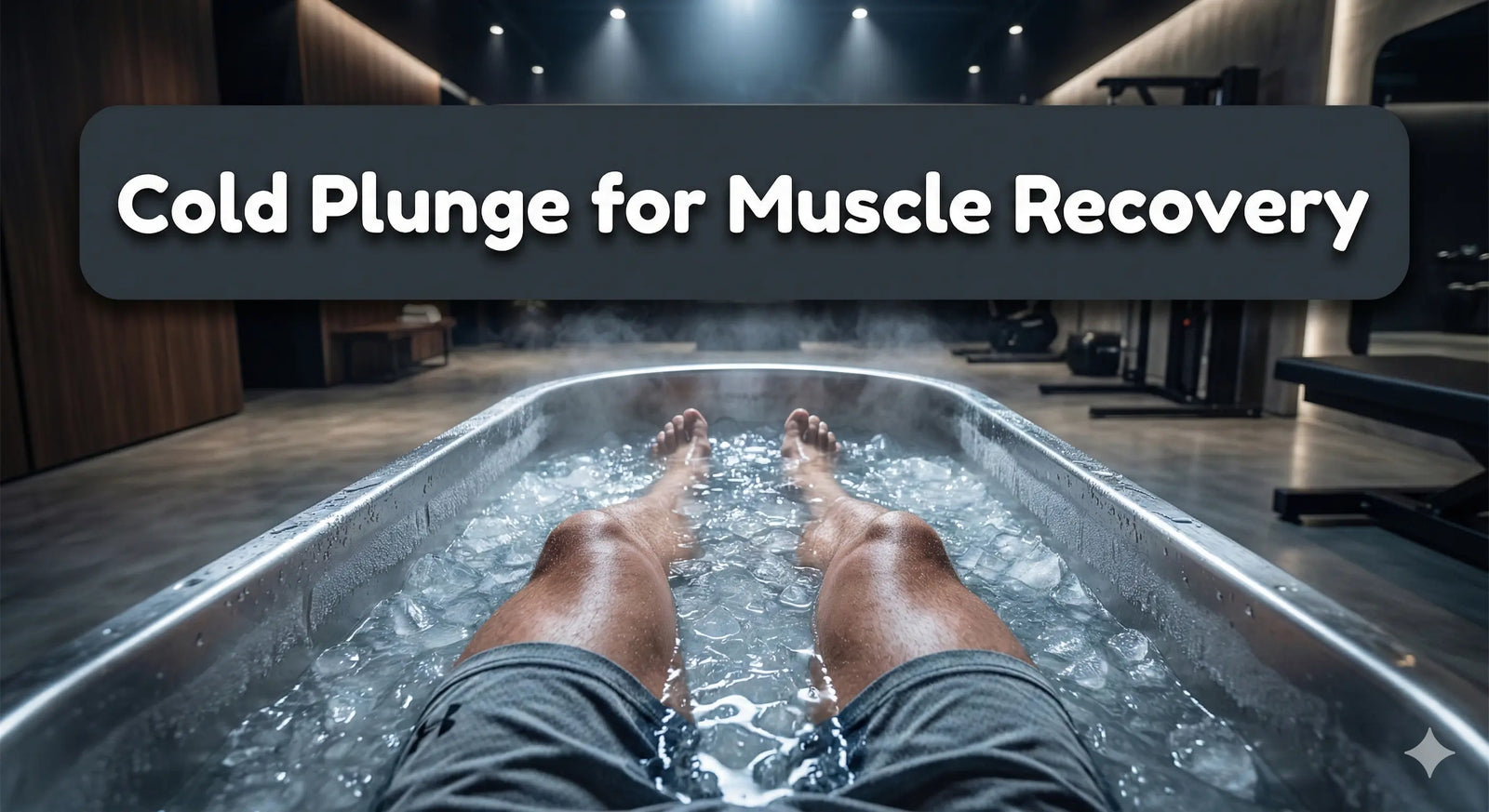
Athletes often ask which is better: the high-tech nitrogen chamber or the classic ice bath. While Whole Body Cryotherapy (WBC) is flashy and fast, Cold Water Immersion (CWI) often provides a more intense physiological stimulus due to the thermal conductivity of water. Water is significantly more effective at extracting heat from the body than air, meaning a 55°F plunge often feels colder and has a deeper impact on muscle temperature than a -200°F dry air chamber.
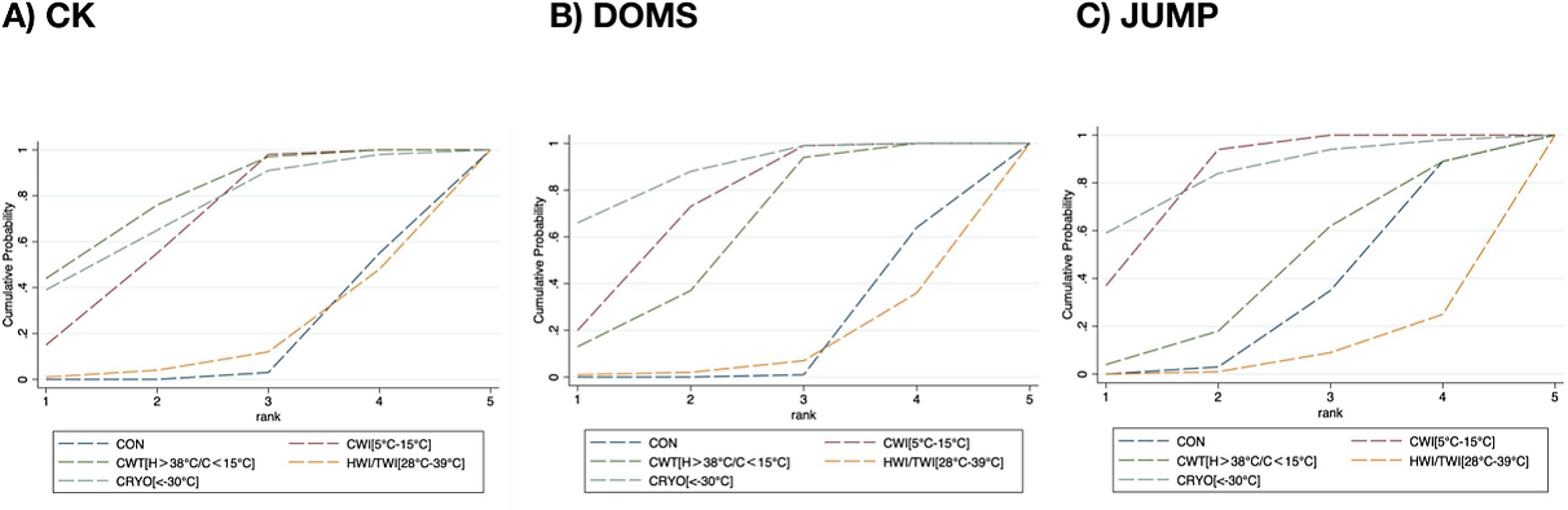
A meta-analysis of 13 randomized controlled trials found that cold-water immersion was significantly more effective than whole-body cryotherapy at reducing delayed onset muscle soreness within the first 24 hours post-exercise, with a reported mean difference of 1.07. This is likely due to hydrostatic pressure. When you submerge in water, the pressure helps move interstitial fluid, further reducing swelling in a way that dry air cannot.
| Feature | Whole Body Cryotherapy (WBC) | Cold Water Immersion (CWI) |
|---|---|---|
| Medium | Dry Nitrogen or Refrigerated Air | Water / Ice Slurry |
| Temperature | -160°F to -220°F | 50°F to 59°F |
| Duration | 2–3 minutes | 10–15 minutes |
| Primary Driver | Skin temperature shock | Core and muscle cooling |
| Pressure | Atmospheric | Hydrostatic (22–60 mmHg) |
| Accessibility | Commercial facilities | Home-based or gym setups |
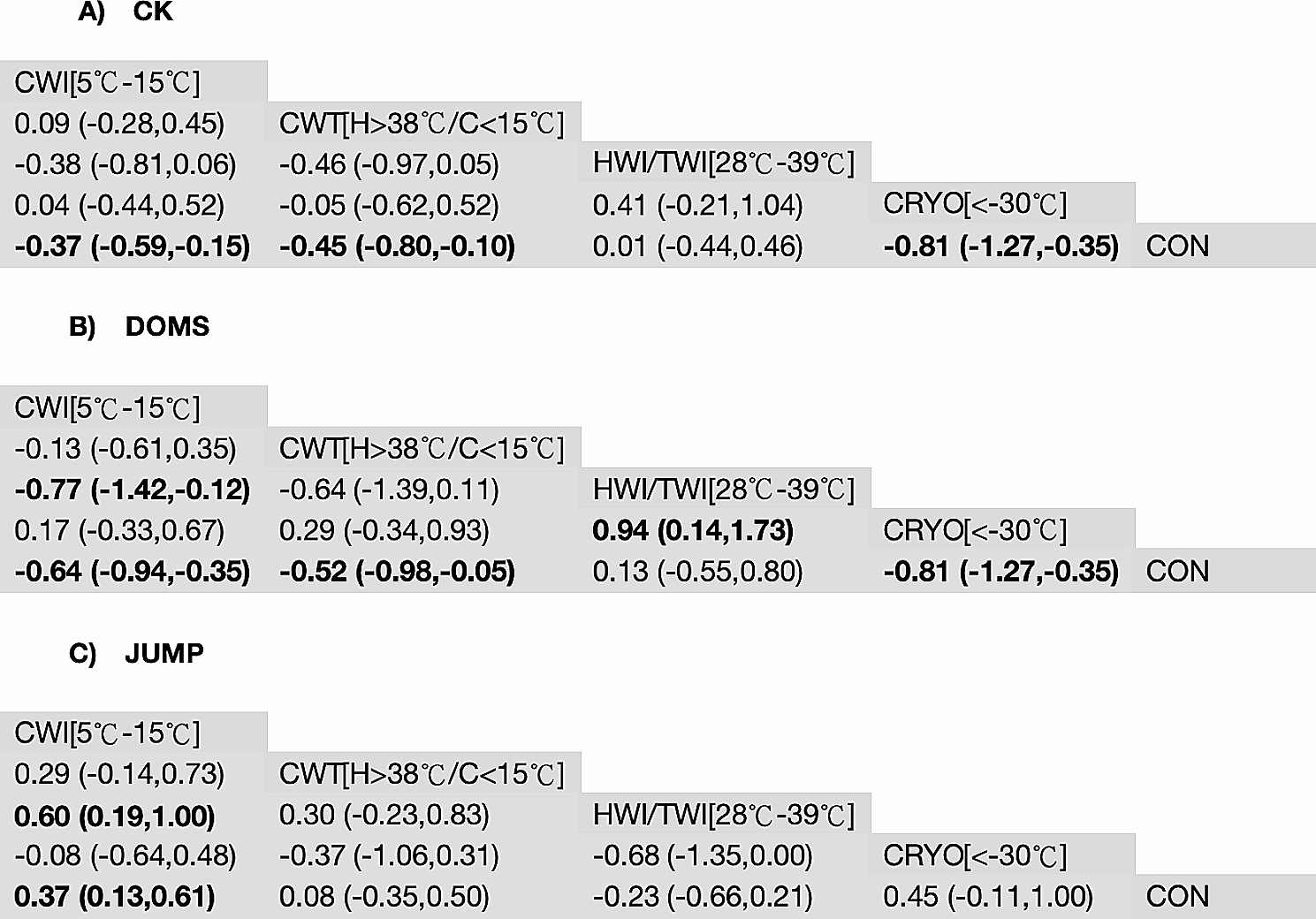
While CWI wins for early recovery, WBC is an excellent tool for those who cannot tolerate water or need a quick systemic anti-inflammatory boost without the "heavy" feeling that sometimes follows a long soak. A systematic review of 16 studies on whole-body cryotherapy indicates that the treatment reduces muscle pain in 80% of cases and restores athletic performance in 71% of controlled trials by decreasing systemic inflammation and muscle cell damage.
Safety Protocols and Progressive Exposure
Cold exposure is a powerful stressor, and like any training stimulus, it requires a progressive approach. You wouldn't attempt a 500-pound deadlift on day one; you shouldn't jump into 40°F water without preparation. The risk of cold shock response is real—it can cause a sudden spike in heart rate and gasping, which can be dangerous if you are alone or exhausted.
For those wondering how to progress cold therapy exposure safely, start with temperatures between 57°F and 59°F. Limit your first few sessions to 1 or 2 minutes. As your body adapts, you can gradually lower the temperature to the optimal temperature for cold water immersion recovery, which usually sits between 50°F and 55°F.
Safety Thresholds to Remember:
- Blood Pressure: Do not use cryotherapy if your resting blood pressure is above 160/100 mmHg.
- Duration: Never exceed 15 minutes in a cold plunge; longer durations increase the risk of hypothermia without adding recovery benefits.
- Exit Immediately: If you experience chest pain, numbness that does not resolve, or extreme confusion, get out and warm up slowly.
Implementing these safety precautions for cold water immersion after exercise is vital. Always have a "spotter" nearby if you are pushing the limits of your cold tolerance, and ensure you have a warm towel and dry clothes ready for immediate use afterward. If you have pre-existing cardiovascular conditions, seek medical clearance before starting any cold exposure protocols for athletes.
FAQ
Does cryotherapy actually help muscle recovery?
Yes, it works by inducing vasoconstriction and lowering the temperature of the muscle tissue, which reduces the activity of inflammatory markers and enzymes. By managing the secondary damage caused by inflammation, cryotherapy helps athletes return to their training baselines faster than passive recovery.
How long should you wait after a workout to do cryotherapy?
For endurance and aerobic training, you can use cryotherapy immediately. For strength and hypertrophy training, you should wait at least 4 to 6 hours. This delay ensures that the initial inflammatory signaling required for muscle growth is not prematurely suppressed.
Is it better to do cryotherapy before or after exercise?
Most benefits are realized after exercise when the goal is recovery and inflammation management. However, some athletes use very brief cold exposure before a workout to increase alertness and norepinephrine levels. For most people, post-workout is the more effective choice for performance adaptation.
How long do the recovery benefits of cryotherapy last?
The acute effects of cryotherapy, such as reduced pain and swelling, are most prominent in the first 24 to 72 hours after exercise. However, the systemic improvements in autonomic nervous system balance and overall inflammation levels can support better training quality throughout the entire week.
Are there any risks or side effects to cryotherapy?
Potential risks include cold shock, skin irritation, and, in extreme cases, frostbite or hypothermia if protocols are not followed. Those with Raynaud’s disease, severe hypertension, or cardiovascular issues should avoid cryotherapy unless cleared by a physician.
Optimize Your Recovery Journey
Mastering cryotherapy is about more than just enduring the cold; it is about strategic application. Whether you are using a state-of-the-art chamber or a portable tub in your backyard, the best cryotherapy protocol for delayed onset muscle soreness is the one you can perform consistently and safely. Focus on the timing that aligns with your specific goals—wait for the gains after a lift, but jump in early after a long run.
Integrating these tools into your routine will transform your recovery from a passive period of waiting into an active phase of performance adaptation. Start slow, respect the science of thermogenesis, and listen to your body’s signals. As you become more resilient to the cold, you will likely find that your capacity for intense training grows alongside it.