
Quick Facts
- Primary Habit: Consistent use of broad-spectrum SPF 50+ to reduce aging by 24%.
- The Texture Rule: Always apply products from thinnest consistency (essences) to thickest (creams).
- AM Focus: Urban defense against pollution and UV-induced photo-damage.
- PM Focus: Double cleansing and cellular regeneration via 1450nm diode lasers.
- Product Life: Vitamin C oxidizes in 3 months; SPF containers last roughly 8 weeks.
- Barrier Health: Avoiding over-exfoliation is the #1 rule for maintaining the acid mantle.
A successful daily skincare routine consists of a defensive morning sequence and a restorative evening sequence. By following dermatologist recommended facial habits such as pH-balanced cleansing and consistent sun protection, you can maintain your skin's lipid layer and prevent long-term damage.
Core Principles: The Foundation of Long-Term Health
In my years as a preventive healthcare editor, I have seen countless trends come and go, but the most resilient complexions belong to those who treat their skin as a living ecosystem rather than a surface to be scrubbed. Achieving long-term facial health starts with skinimalism—the practice of using fewer, high-quality products that support the natural biological functions of the skin. Instead of chasing high-percentage acids that can strip your protection, we focus on daily habits to strengthen skin barrier and microbiome health.
The first rule of any effective skincare regimen for skin health is protecting the acid mantle. This thin, slightly acidic film on the surface of the skin acts as the primary defense against bacteria and environmental threats. When we use harsh, high-pH cleansers, we disrupt this barrier, leading to trans-epidermal water loss and chronic inflammation. A preventive approach prioritizes pH balancing and moisture retention to ensure the skin remains resilient against external stressors.
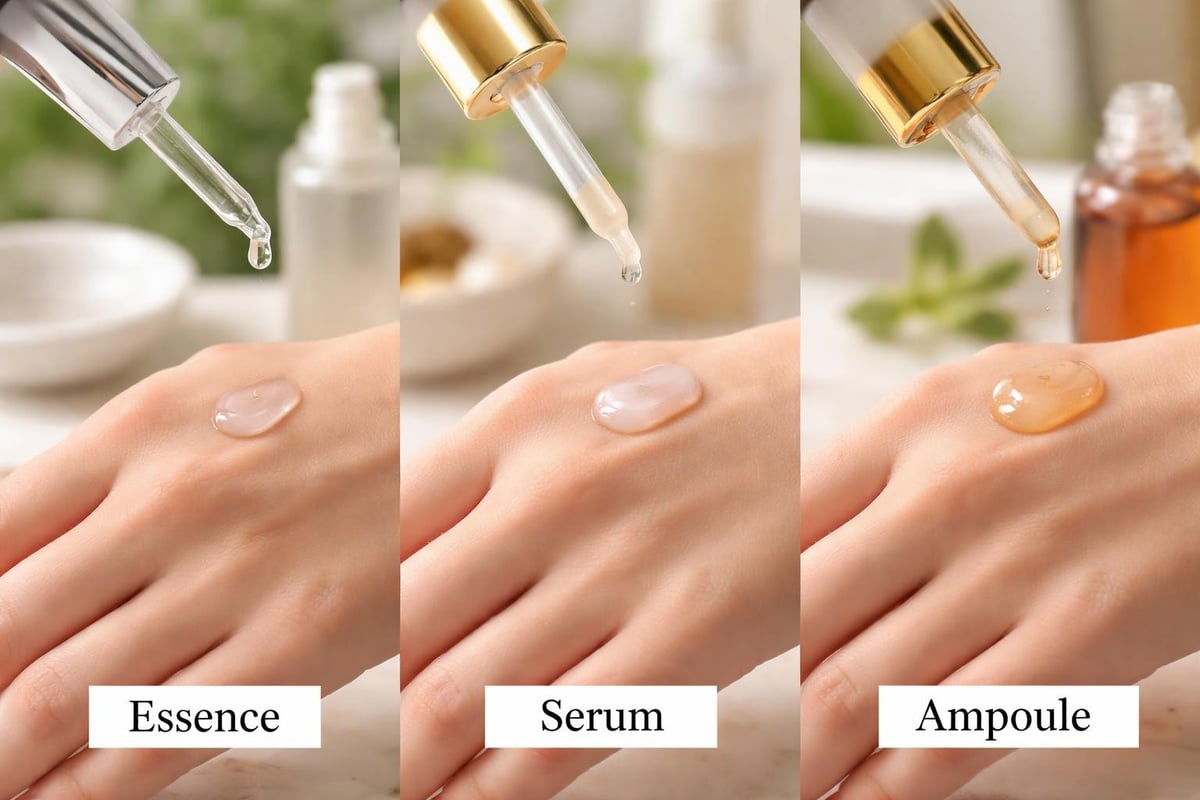
To maximize the efficacy of your products, you must master the Texture Rule. This is a simple but clinical approach to layering: always apply products from the thinnest consistency to the thickest. This ensures that water-based actives like essences and serums can penetrate the dermis before being sealed in by lipid-rich creams and oils.

Research indicates that individuals who maintain a consistent daily skincare routine report approximately 45% fewer skin concerns than those with irregular or inconsistent habits. This consistency allows the skin microbiome to stabilize, reducing the likelihood of adult acne, sensitivity, and premature aging.
Morning Routine: The Urban Defense Habit
The primary objective of a morning daily skincare routine is defense. While you sleep, your skin works on repair; once you step outside, it faces an onslaught of UV rays, urban pollution, and blue light from digital devices. Your AM steps should be viewed as an urban defense formulas strategy designed to neutralize free radicals before they cause cellular damage.
- Gentle Cleansing: Start with a non-foaming, amino-acid-based cleanser. The goal is not to "strip" the skin of the oils it produced overnight, but to refresh the surface while keeping the lipid layer intact.
- Antioxidant Defense: Apply a high-stability Vitamin C serum. This is your primary shield against photo-damage prevention. Vitamin C works synergistically with your sunscreen to neutralize oxidative stress caused by the sun and city smog.
- Niacinamide Hydration: Follow with a lightweight toner or essence containing niacinamide. This active helps in sebum-regulating actives management and strengthens the skin's barrier function throughout the day.
- Sun Protection: The final and most critical step is a broad-spectrum SPF 50+. A long-term clinical study found that individuals who used broad-spectrum sunscreen almost daily for four and a half years experienced 24% less visible skin aging, such as wrinkles and texture changes, compared to those who used it only occasionally.
When executing this step by step facial skincare sequence for morning hydration, remember that blue light protection is becoming increasingly important in our 2026 digital landscape. Look for formulas that include iron oxides or specialized smart polymers that create a physical barrier against HEV (High Energy Visible) light emitted by screens.
Evening Routine: The Restorative Repair Habit
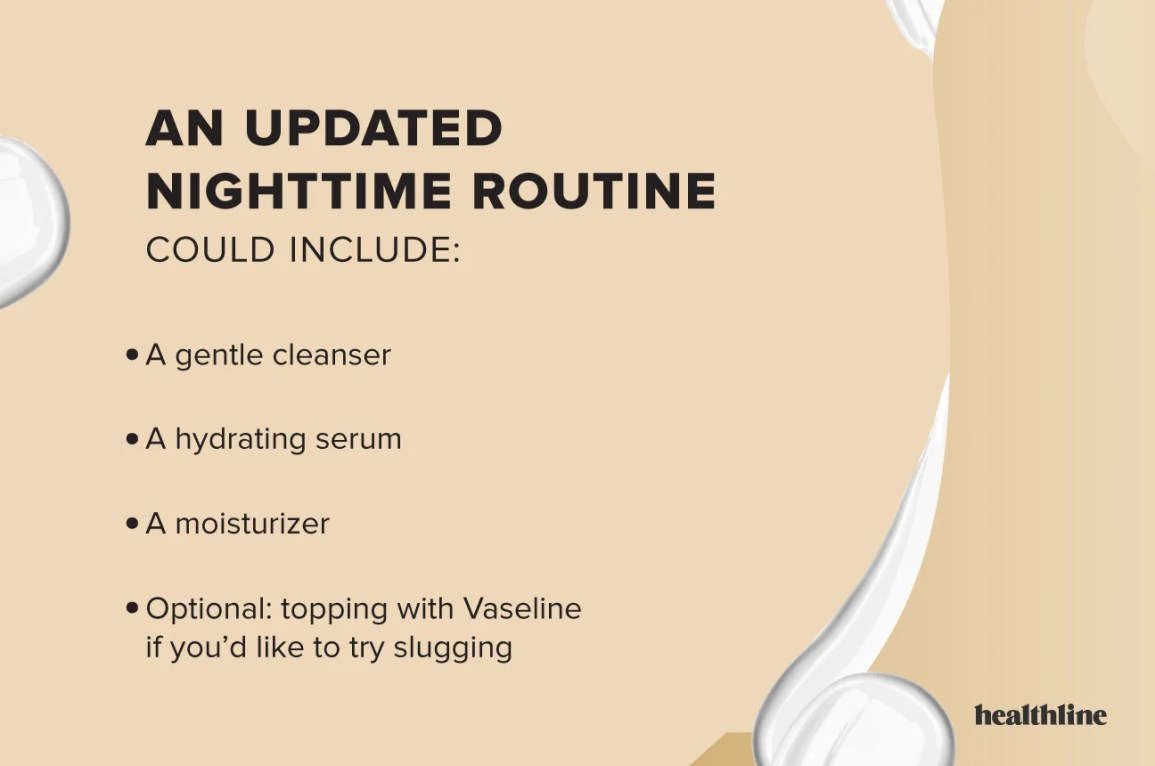
If the morning is about protection, the evening is dedicated to restoration. Your nightly skincare habits should align with the body’s natural circadian rhythm. At night, blood flow to the skin increases, and cellular regeneration peaks. This is the optimal time to introduce more intensive morning and evening skin care steps that require a "rest and digest" period for the skin.
The evening process must begin with a double cleanse. The first step involves an oil-based cleanser or balm to dissolve long-wear sunscreen and makeup. The second step is a water-based cleanser to remove sweat and environmental pollutants. Failure to remove these particles can lead to chronic low-grade inflammation, which accelerates collagen breakdown.
Once the skin is clean, we move into the treatment phase. This is where we incorporate non-irritating exfoliation using polyhydroxy acids (PHAs). Unlike traditional AHAs, PHAs have a larger molecular size, meaning they exfoliate the surface gently without penetrating too deeply and causing irritation. This promotes healthy cell turnover while drawing moisture into the skin.
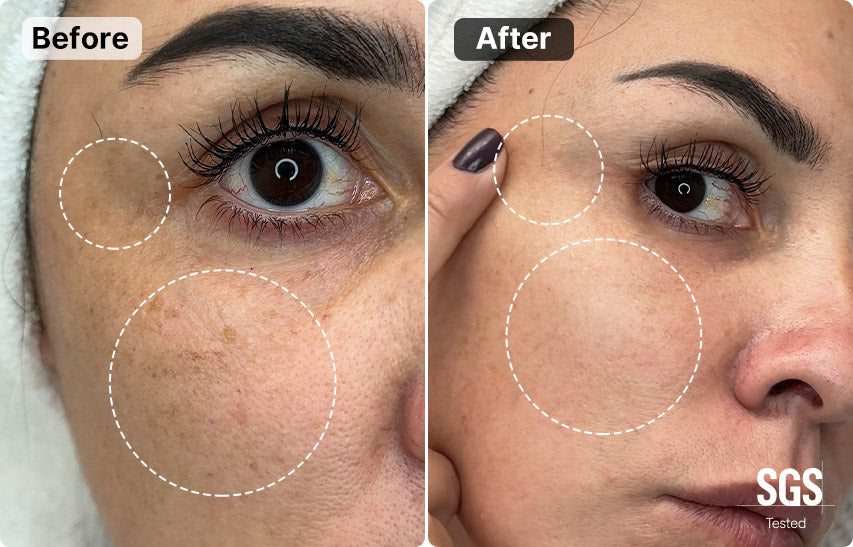
A significant advancement in 2026 skincare is integrating at home light therapy into nightly skincare habits. Utilizing localized 1450nm diode lasers has become a gold standard for stimulating collagen synthesis and facilitating dermal remodeling. These devices target the deeper layers of the skin to improve texture and density without the downtime associated with clinical procedures.
Clinical trials have demonstrated that the regular daily application of broad-spectrum sunscreen can reduce the risk of certain skin cancers by approximately 40%. While the sunscreen is applied in the morning, the evening repair phase is when the skin fixes the minor DNA damage that inevitably occurs throughout the day, making your PM moisturizer—rich in ceramides and fatty acids—the final "seal" on your health efforts.
Maintenance & Logistics: When to Replace and Refine
Building a daily skincare routine for beginners 2026 requires more than just buying the right bottles; it requires managing the "logistics" of your vanity. Active ingredients are sensitive to light and air. If you are using a Vitamin C serum that has turned dark orange, it has oxidized and may actually cause more oxidative stress than it prevents.
| Product Type | Active Life After Opening | Warning Signs |
|---|---|---|
| Vitamin C Serums | 3 Months | Change in smell (metallic) or dark color |
| Sunscreen (SPF) | 8-12 Weeks | Separation of texture or "off" scent |
| Retinoids/PHAs | 6 Months | Loss of efficacy or yellowing |
| Moisturizers | 12 Months | Separation of oils or change in consistency |
Seasonal adjustments are also vital. In winter, you may need to add occlusive oils to prevent trans-epidermal water loss in dry heating. In summer, you might focus more on sebum-regulating actives to manage increased oil production.

Remember that your skin's needs change based on your stress levels and sleep quality. No amount of expensive cream can replace the cellular repair that happens during deep sleep. As a lifestyle editor, I always remind my readers that skincare is the final step of a wellness routine that starts with hydration and rest.
FAQ
What order should skincare products be applied?
The standard rule is to apply products based on their viscosity, moving from the thinnest to the thickest. Typically, this sequence starts with a cleanser, followed by a toner or essence, then treatment serums (like Vitamin C or Retinoids), then a moisturizer, and finally, a sunscreen during the day or a face oil at night. This ensures that lighter, water-based ingredients can be absorbed before thicker creams create an occlusive barrier.
Should morning and night skincare routines be different?
Yes, they serve two distinct biological purposes. Your morning routine should focus on antioxidant defense and protection against UV rays and pollution. Your evening routine should prioritize thorough cleansing and restorative treatments like chemical exfoliation or light therapy to support cellular regeneration while you sleep. Using a heavy night cream in the morning may cause congestion, while skipping protective serums in the morning leaves you vulnerable to photo-damage.
How long does it take to see results from a new routine?
While some hydrating products offer immediate gratification, true structural changes in the skin take time. Skin cell turnover typically takes about 28 to 40 days. Therefore, you should commit to a consistent routine for at least six to eight weeks before evaluating its effectiveness. For long-term goals like collagen synthesis or pigmentation reduction, it may take three to six months to see visible improvements in dermal remodeling.
What are the three essential skincare steps?
If you want to maintain a minimalist but effective approach, the three non-negotiable steps are cleansing, moisturizing, and sun protection. Cleansing removes pollutants and excess oil, moisturizing prevents trans-epidermal water loss and maintains the lipid layer, and broad-spectrum sunscreen protects against the primary cause of premature aging and skin cancer.
Can you overdo your daily skincare?
Absolutely. One of the most common mistakes I see is over-exfoliation. Using too many active acids or mechanical scrubs can compromise the acid mantle, leading to redness, sensitivity, and breakouts. If your skin feels tight or stings when you apply a simple moisturizer, it is a sign that you have overdone your routine and need to scale back to basic hydration to allow the barrier to heal.