Quick Facts
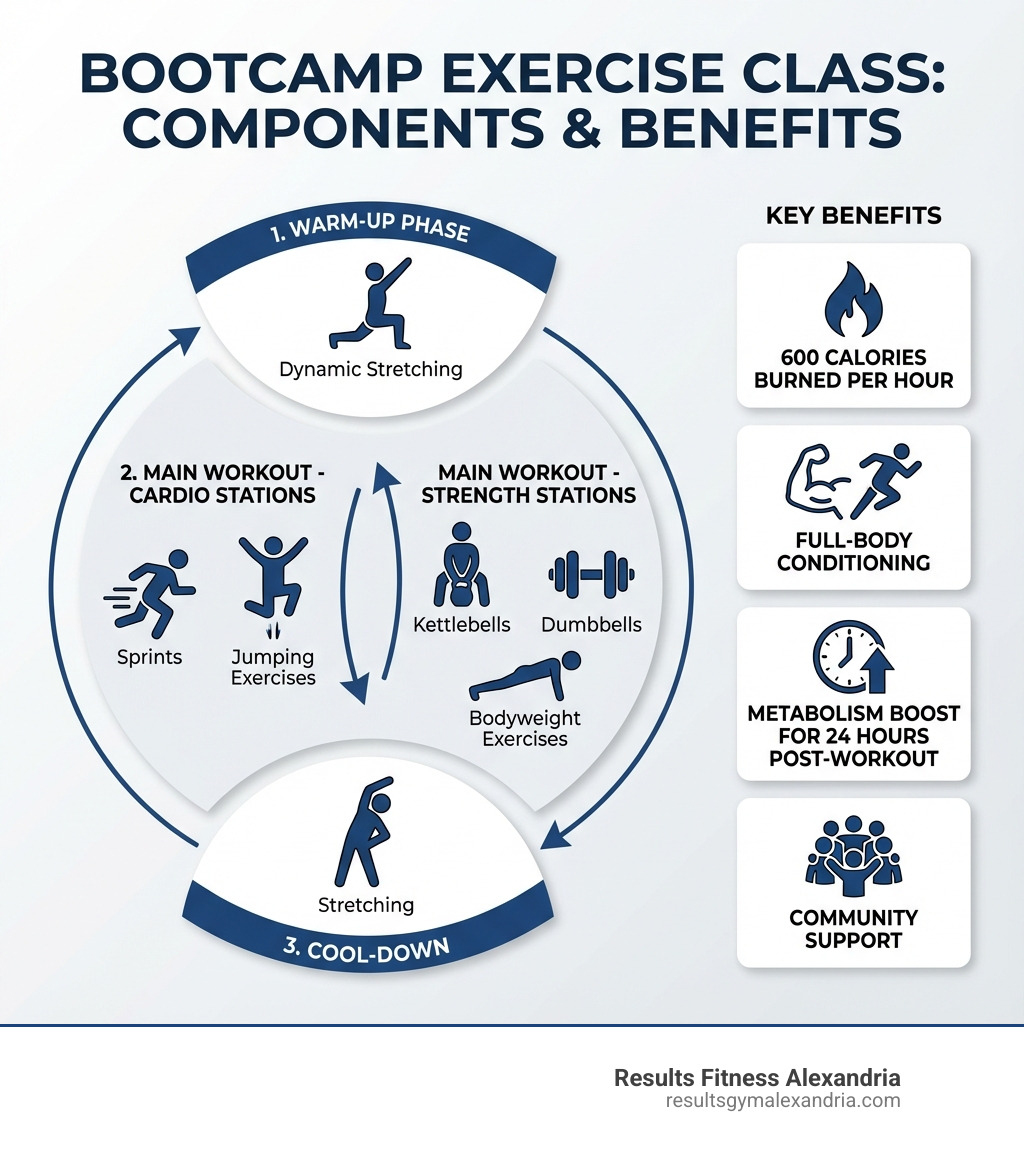
- Calories Burned: Approximately 600 calories per hour
- Intensity: Reaches up to 91% of max heart rate
- Metabolic Impact: EPOC effect lasts up to 24 hours post-workout
- Target Goal: Boost VO2 max and anaerobic threshold
- Required Space: Minimal; ideal for small space cardio routines
- Best For: Fat loss and functional movement patterns
Home bootcamp cardio combines high-intensity interval training with functional movements and strength exercises to improve cardiovascular health and metabolic conditioning. These workouts focus on boosting VO2 max, burning calories through excess post-exercise oxygen consumption, and building endurance. By utilizing bodyweight exercises or minimal equipment, participants can effectively transform their fitness within a small home space.
The Science of Home Bootcamp: Why It Works
When you step into a bootcamp session, you are doing more than just sweating. You are engaging in a sophisticated metabolic challenge. The primary driver behind the effectiveness of home bootcamp cardio is the concept of excess post-exercise oxygen consumption, or EPOC. This is often called the afterburn effect. Because these workouts are so intense, your body requires more oxygen and energy for hours after the session to return to its resting state. This means your metabolism stays elevated long after you have put away your yoga mat.
The intensity levels in these sessions are backed by rigorous data. Research by the American Council on Exercise found that a typical boot camp workout burns an average of 9.8 calories per minute, which totals nearly 600 calories per hour. This is significantly higher than most steady-state cardio activities. Furthermore, science shows that during these sessions, participants' heart rates average approximately 77 percent of their maximum, frequently reaching peaks as high as 91 percent during high-intensity intervals.
By pushing toward your anaerobic threshold, you force your heart and lungs to adapt. This improves your cardiovascular conditioning and overall muscular endurance. Unlike a casual jog, at-home bootcamp cardio vs HIIT differences lie in the structured variety of movements. While HIIT is often focused purely on work-to-rest ratios, bootcamp incorporates more functional movement patterns that challenge your balance, coordination, and strength simultaneously.
Setting Up Your Small Space Workout
You do not need a massive garage gym to see results. One of the biggest advantages of home bootcamp cardio is that it is designed for efficiency. Whether you are in a studio apartment or a small bedroom, you can create a high-intensity environment. The key is focusing on movements that maximize vertical and lateral space rather than requiring a long runway.
To optimize small space cardio routines, focus on agility drills that use a small footprint. Lateral movements like side-to-side shuffles or skaters are excellent for building stability without needing much room. You should also prioritize core stabilization exercises that keep you grounded while your heart rate climbs. When space is limited, the intensity of your effort matters more than the distance you travel.
Ensure your floor is clear of obstacles and that you have a stable surface. If you are worried about noise for neighbors, focus on beginner-friendly home bootcamp cardio routines that emphasize controlled, low-impact movements like deep squats and slow mountain climbers before moving into explosive plyometrics.
| Feature | Home Bootcamp Cardio | Steady-State Running |
|---|---|---|
| Calorie Burn | High (~600/hr) | Moderate (~400/hr) |
| Muscle Engagement | Full Body | Lower Body Dominant |
| Time Efficiency | Very High | Moderate |
| Metabolic Afterburn | High (EPOC) | Low |
| Space Required | Minimal | High (Outdoors/Treadmill) |
The 30-Minute Home Bootcamp Circuit
Efficiency is the name of the game. This 30-minute high-intensity bootcamp circuit for fat loss is designed to push your limits using nothing but your own body weight. We use a combination of AMRAP sets (As Many Reps As Possible) and EMOM workouts (Every Minute on the Minute) to keep your mind engaged and your heart rate soaring.
Phase 1: The Warm-Up (5 Minutes)
Start by preparing your joints and raising your core temperature.
- Jumping jacks: 60 seconds
- Bodyweight squats: 60 seconds
- Arm circles and shoulder rolls: 60 seconds
- Alternating lunges: 60 seconds
- Inchworms to plank: 60 seconds
Phase 2: The Main Circuit (20 Minutes)
Perform each of these no-equipment bootcamp cardio exercises for home for 45 seconds, followed by 15 seconds of rest. Repeat the entire circuit four times.
- Burpees: The ultimate full-body movement for cardiovascular conditioning. Focus on explosive plyometrics as you jump toward the ceiling.
- Mountain Climbers: Keep your hips low and drive your knees toward your chest. This is a primary movement for core stabilization and heart rate spikes.

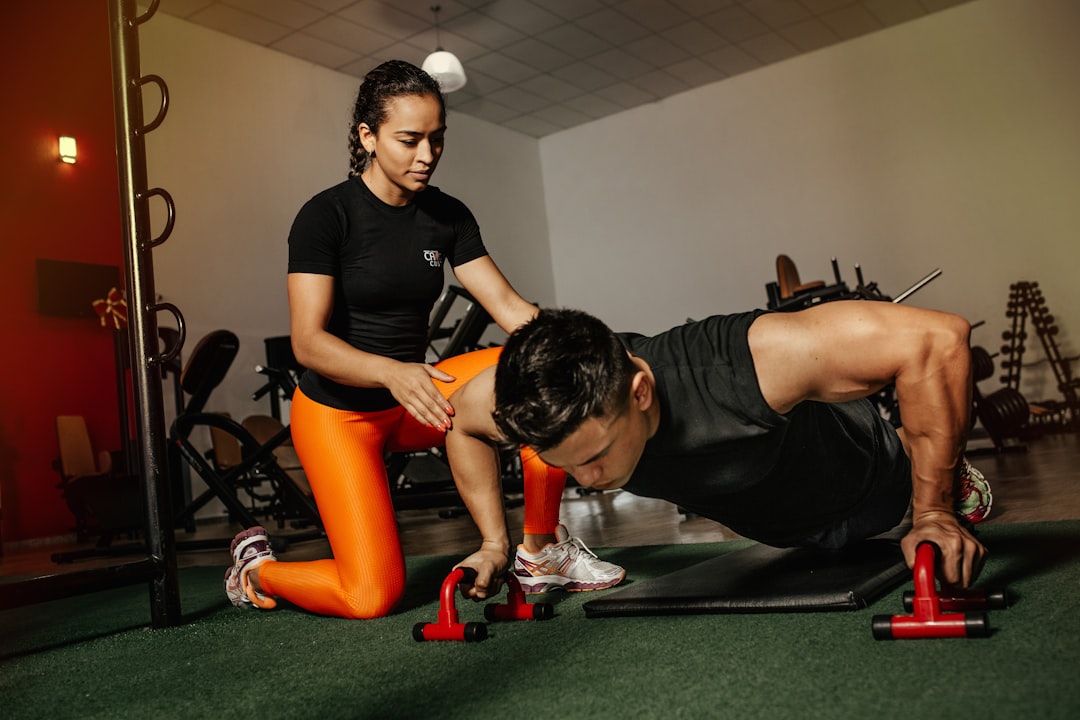
- Push-Ups: Focus on a rigid spine and full range of motion to build muscular endurance in the upper body.
- Lateral Skaters: Jump from side to side, landing softly on one leg. This targets the glutes and improves agility in small space cardio bootcamp workouts.
- Bear Holds with Shoulder Taps: Stay in a tabletop position with knees hovering an inch off the ground. Tap your opposite shoulder without letting your hips rock.
Phase 3: Tabata Finisher (Optional)
If you have energy left, finish with 4 minutes of Tabata intervals (20 seconds work, 10 seconds rest) using high knees.
Phase 4: Cool-Down (5 Minutes)
Lower your heart rate slowly with static stretching focusing on the hip flexors, hamstrings, and chest.
Scaling Your Progress: Equipment vs. Bodyweight
As you get stronger, your body will adapt to bodyweight bootcamp exercises. To continue seeing results and pushing your anaerobic threshold, you need to introduce new forms of resistance. While many small space cardio routines remain equipment-free, adding a few key tools can change the dynamic of your workout.
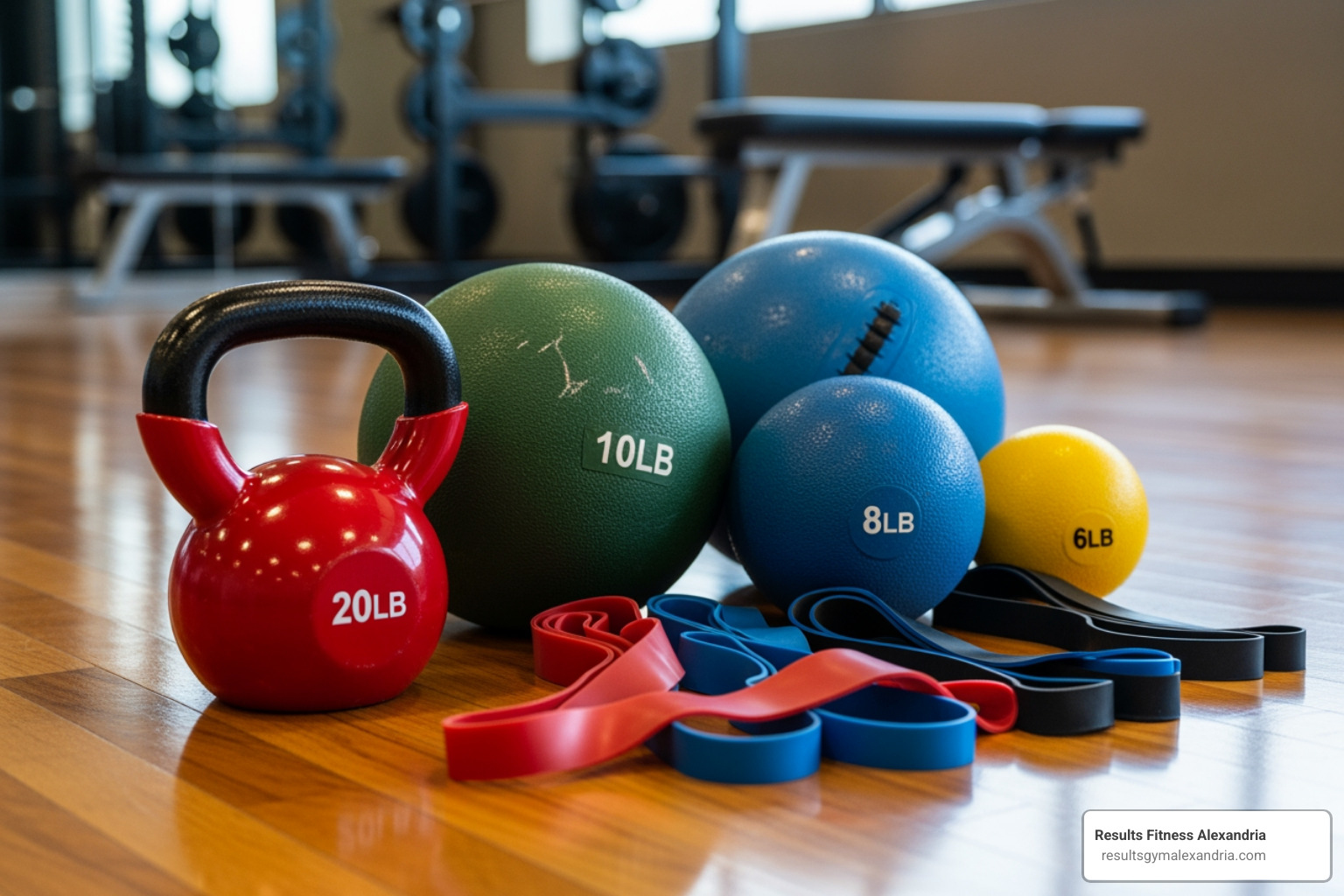
If you have mastered the basics, consider dumbbell and kettlebell bootcamp cardio sequences. A single kettlebell can turn a standard squat into a high-powered goblet squat or a kettlebell swing, which drastically increases the demand on your posterior chain. Resistance bands are another excellent option for small spaces, providing tension throughout the entire range of motion without the bulk of heavy weights.
For those just starting out, remember that low-impact bootcamp cardio alternatives for beginners are just as valid. You can swap burpees for step-backs or replace jumping jacks with side-steps. The goal is to keep moving. Use active recovery during your rest intervals—like walking in place—to keep your heart rate from dropping too low. Consistency is the primary driver of change in body composition and insulin sensitivity.
FAQ
What is a home cardio bootcamp workout?
A home cardio bootcamp workout is a high-intensity training session that blends aerobic exercise with strength and functional movements. It typically uses circuit-style formats, such as AMRAP or EMOM, to maximize caloric burn and improve overall fitness within a residential setting.
Can you do bootcamp at home without equipment?
Yes, bootcamp is highly effective without any equipment. By using bodyweight bootcamp exercises like push-ups, squats, and burpees, you can achieve significant cardiovascular and muscular conditioning. These routines rely on gravity and high-repetition intervals to create resistance.
Is cardio bootcamp effective for weight loss?
Bootcamp is exceptionally effective for weight loss due to its high caloric expenditure and the EPOC effect. Because it maintains a high average heart rate, it helps create the energy deficit necessary for fat loss while simultaneously building lean muscle mass.
What is the difference between HIIT and bootcamp workouts?
While both involve high intensity, HIIT is strictly defined by specific work-to-rest ratios aimed at heart rate peaks. Bootcamp is broader, often incorporating a wider variety of functional movements, agility drills, and strength exercises designed to improve total-body athleticism rather than just pure cardiovascular output.
Is home bootcamp cardio suitable for beginners?
Absolutely. Most home bootcamp cardio routines can be scaled to any fitness level. Beginners can start with low-impact versions of the movements and longer rest periods, gradually increasing the intensity and complexity of the exercises as their endurance improves.
Take Action Today
The beauty of home bootcamp cardio is its simplicity. You don't need a fancy membership or an hour of commuting to get a world-class workout. All you need is thirty minutes and the willingness to push your limits. I recommend starting with a 3-day-per-week schedule to allow for proper recovery.
As you progress, start using heart rate monitoring to ensure you are hitting those peak zones. Tracking your data is the best way to stay motivated and see the tangible results of your hard work. Clear a small space in your living room, set your timer, and let's get after it.