Quick Facts
- Performance Verdict: Fed training is superior for sessions exceeding 60 minutes or 65% VO2 max.
- Fat Oxidation: Training in a fasted state can increase fat burning by up to 48% higher than in a fed state, though total daily calorie burn remains similar.
- Muscle Risk: High-intensity fasted sessions can lead to elevated cortisol levels and increased muscle protein breakdown without proper fueling.
- Women's Health: Female athletes are significantly more susceptible to hormonal disruption and Low Energy Availability (LEA) when training without fuel.
- The Caffeine Hack: Consuming 3-6 mg/kg of caffeine can boost fat metabolism by approximately 8% even when you are in a fed state.
- Strength Outcomes: Research shows no significant differences in muscle strength or hypertrophy between fasted and fed resistance training when daily protein intake is matched.
Fed exercise generally leads to better athletic performance compared to fasted training. Consuming a meal or snack two to three hours before a workout provides the necessary glycogen and fuel to maintain higher intensities during both endurance and strength training. This increased energy availability allows for greater total work output and improved muscle protein synthesis compared to exercising on an empty stomach.
Fasted vs Fed Exercise: The Performance Verdict
Should you eat before your workout or head to the gym on an empty stomach? The debate between fasted vs fed exercise is often centered on fat loss, but for those prioritizing performance, the science is clear: fuel matters. While fasting may boost acute fat oxidation, it often comes at the cost of intensity and recovery.
When we look at the underlying physiology, the choice depends on the metabolic switch. After you eat, insulin levels rise, which naturally suppresses lipolysis—the breakdown of fats—for about three hours. In contrast, when you train fasted, the body shifts from relying on glucose to tapping into fatty acids and ketones. This sounds ideal for weight loss, but there is a trade-off. Without readily available blood glucose, your body relies heavily on glycogen depletion. Once those internal carbohydrate stores run low, your ability to maintain high-intensity output drops significantly.
For most people, the performance benefits of a fed state far outweigh the marginal increase in fat burning seen during fasted cardio. Training with fuel allows you to push harder, lift heavier, and sustain effort longer, which ultimately leads to a higher energy expenditure over the course of the day.
Endurance Training: Is Fasted Cardio Better for Runners?
For the endurance community, the discussion around exercising fasted vs fed for endurance runners often focuses on metabolic flexibility. This is the body's ability to efficiently switch between burning carbohydrates and burning fat. While some elite runners use fasted sessions to "teach" the body to spare glycogen, this strategy is best reserved for Low-Intensity Steady State (LISS) training.
Once your intensity climbs above 65% VO2 max, your body’s demand for carbohydrates becomes non-negotiable. Evidence suggests that pre-exercise feeding significantly enhances performance in prolonged aerobic exercise lasting more than 60 minutes. Without fuel, runners often experience "bonking" or early fatigue, which ruins the quality of a high-intensity session.
Furthermore, training on an empty stomach can lead to a spike in cortisol levels. While cortisol is necessary for energy mobilization, chronically high levels can lead to systemic inflammation and a suppressed immune system. For those looking at the benefits of fasted cardio for weight loss, it is important to note that while fat oxidation fasted vs fed state is higher during the run, it may cause increased hunger later in the day, leading to a higher caloric intake that negates the workout's impact.
What This Means for You: The Endurance Athlete If your goal is a long-distance run or a high-intensity interval session, opt for a fed state. Aim for a small, carb-rich snack 30 to 60 minutes before your run to maintain electrolyte balance and prevent the catabolic state that leads to muscle wasting.
Strength & Muscle Gain: Should You Lift Fasted?
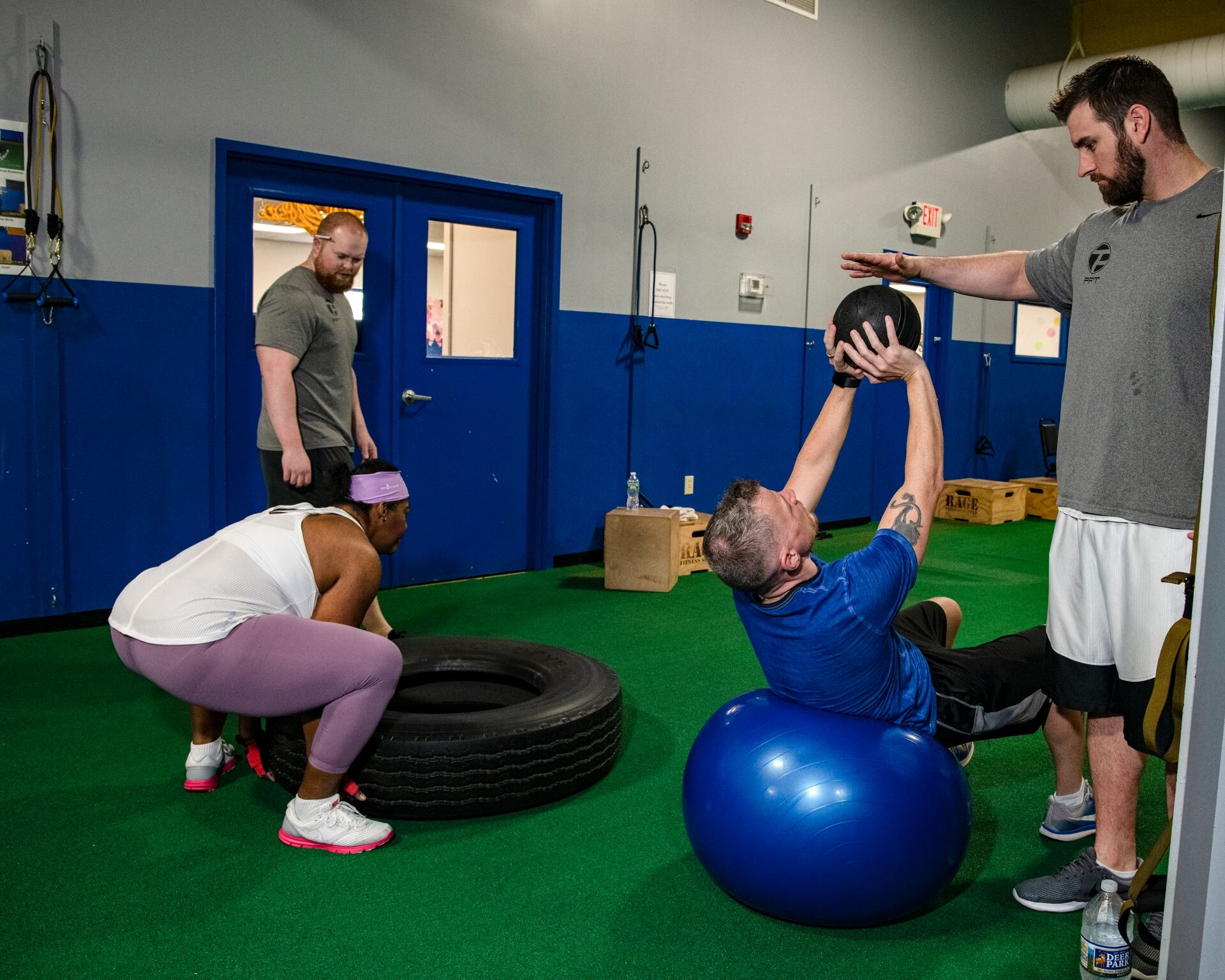
When it comes to the weight room, the stakes are different. Many lifters worry about fasted vs fed training for muscle gain. The good news is that if your total daily protein and caloric intake are sufficient, training fasted likely won't prevent you from building muscle. Systematic reviews show that for resistance training, there are no major differences in muscle hypertrophy or fat-free mass between those who eat before lifting and those who don't.
However, "no difference in muscle gain" is not the same as "no difference in performance." Lifting weights requires explosive energy derived from phosphocreatine and glycogen. Training in a fasted state can limit the number of repetitions you can perform at a high load. Over weeks and months, this reduction in total work output can hinder your overall strength progress.
Muscle protein synthesis is also a key factor. Training in a fasted state increases muscle protein breakdown. While post-workout nutrition for muscle recovery can reverse this, starting your workout with amino acids already in your bloodstream (from a pre-workout meal) provides a more stable anabolic environment.

The Gender Gap: Fasted Exercise and Female Hormones
One of the most critical oversights in fitness research is the application of male-centric data to women. The impact of fasted exercise on female hormones is a significant concern for health editors and clinicians alike. Women are much more sensitive to signals of energy scarcity. Training fasted can trigger the hypothalamus to downregulate reproductive hormones, leading to menstrual irregularities and bone density loss.
This condition, known as Low Energy Availability (LEA), can occur in as little as five days of mismatched fuel and energy expenditure. For women, the stress of a fasted, high-intensity workout can cause cortisol levels to remain elevated for too long, which may actually lead to fat storage around the midsection—the exact opposite of the intended goal.
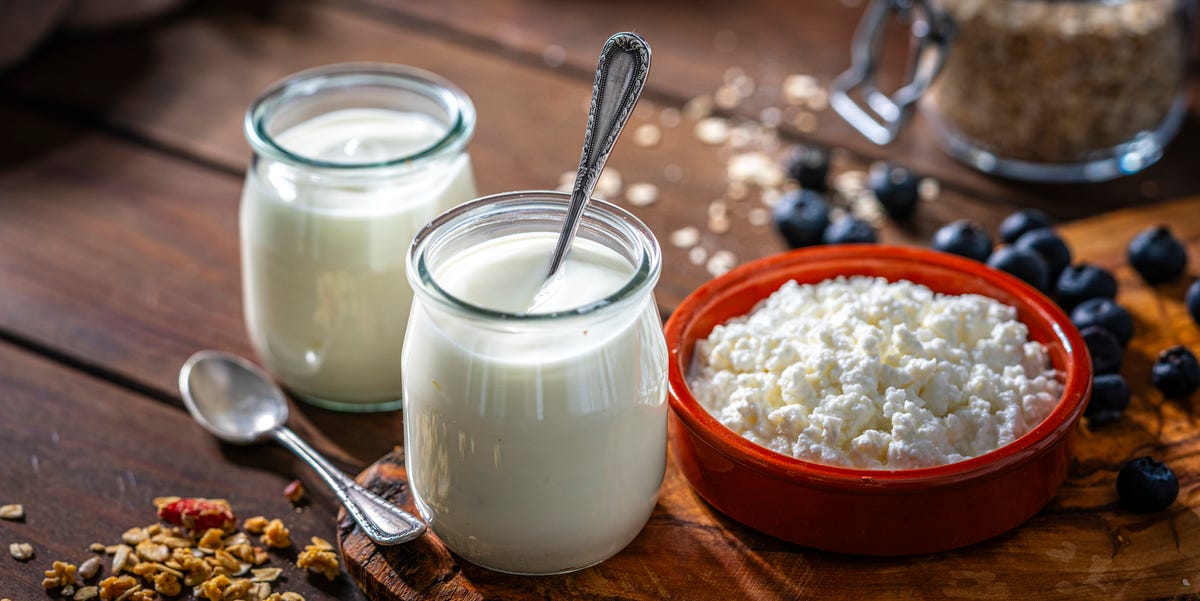
What This Means for You: The Active Woman Prioritize fueling before intense workouts. Even a small snack like a piece of fruit or a yogurt can signal to your brain that the body is in a state of abundance, protecting your metabolic health and hormonal balance.
The Compromise: Caffeine and Strategic Meal Timing
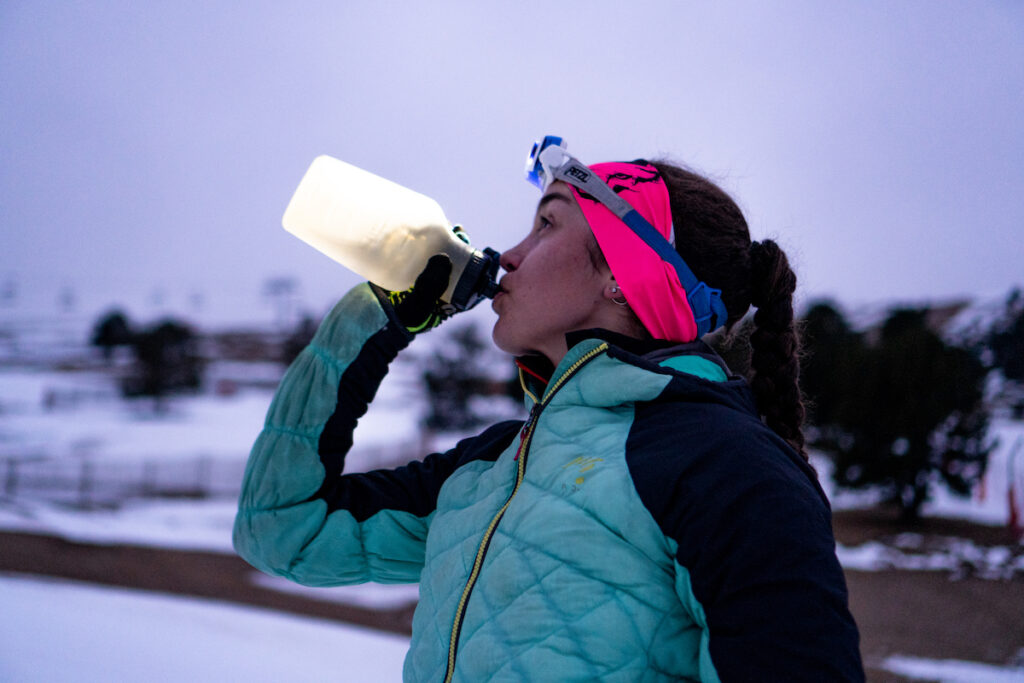
If you are determined to maximize fat burning but don't want to sacrifice performance, there is a middle ground. Research indicates that caffeine use for fat burning in fed state is a highly effective "hack." Taking 3-6 mg/kg of caffeine before a workout can stimulate lipolysis and increase energy expenditure, effectively mimicking some of the fat-burning benefits of a fasted state while you still have the glycogen from a meal to power your workout.
Effective pre-workout meal timing for athletes usually follows a simple rule:
- 2 to 3 hours before: Eat a full meal containing complex carbohydrates and lean protein (e.g., oatmeal with eggs or chicken with brown rice).
- 30 to 60 minutes before: If you haven't had a full meal, choose best foods to eat before high intensity workout that are easy to digest, such as a banana or a slice of toast with honey.
Strategic fueling means matching your food to your training calendar. On active recovery days or for very light walks, a fasted state is perfectly fine. On days involving heavy lifting, sprints, or endurance runs, being in a fed state is your best insurance policy for performance and long-term health.

FAQ
Is it better to workout fasted or fed for weight loss?
For long-term weight loss, a fed state is generally better. While training fasted burns more fat during the session, it often leads to lower overall intensity and increased hunger later in the day. Sustainable weight loss is driven by total daily energy expenditure and calorie balance, which are easier to manage when you are well-fueled and able to perform high-quality workouts.
Does fasted cardio burn more fat than fed cardio?
Yes, acute fat oxidation is typically higher during fasted cardio, sometimes by nearly 50%. However, this does not translate to greater total body fat loss over time. The body compensates by burning more carbohydrates and less fat during the rest of the day, making the net effect on body composition negligible compared to training in a fed state.
Is it safe to exercise on an empty stomach?
For most healthy individuals, it is safe to perform low-to-moderate intensity exercise on an empty stomach. However, those with blood sugar regulation issues, pregnant women, or those prone to dizziness should be cautious. Training fasted at very high intensities can also lead to overtaxing the central nervous system and increasing the risk of injury due to fatigue.
Does fasted exercise lead to muscle loss?
Fasted exercise increases the rate of protein breakdown as the body searches for alternative fuel sources. While this won't cause immediate muscle loss if you eat enough protein throughout the rest of the day, it puts the body in a catabolic state during the workout. To protect your muscle mass, it is safer to have at least a small amount of protein or amino acids before or immediately after your session.
Is it better to lift weights fasted or fed?
It is better to lift weights in a fed state. Resistance training relies heavily on glycogen for power and volume. Training fed allows you to push more weight and complete more sets, which are the primary drivers for strength and muscle growth. While muscle gain is possible in a fasted state, your peak performance and recovery will likely be superior when you are properly fueled.