Quick Facts
- Duration: 30 Minutes
- Equipment: None (Bodyweight only)
- Intensity: 8-9/10 RPE
- Focus: Cardiovascular stamina & Fat oxidation
- Fitness Level: Beginner to Advanced (Modifications included)
- Space Required: Minimal (Small apartment friendly)
An effective at-home HIIT workout focuses on high-intensity intervals followed by short rest periods to improve cardiovascular stamina and VO2 max. A typical routine includes functional bodyweight movements like burpees, high knees, and mountain climbers performed in circuits without specialized equipment.
The Science of Endurance: Why HIIT Works at Home
If you want to transform your fitness without stepping foot in a gym, you need to understand the physiological engine behind a high-intensity interval training session. We aren't just moving to move; we are triggering a specific metabolic conditioning response. When you push your body into 85-95% heart rate zones, you create an oxygen debt. This leads to a phenomenon known as post-exercise oxygen consumption, or EPOC. Essentially, your body continues to burn fuel at an elevated rate for hours after you finish your last set of jumping jacks.
The benefits go far beyond just burning calories. Research shows that high-intensity interval training can produce a 24% improvement in endothelial function, which is twice the 12% improvement typically observed with moderate-intensity continuous exercise. This means your blood vessels become more efficient at delivering oxygen-rich blood to your working muscles. For those focused on long-term heart health and cardiovascular stamina, this efficiency is the holy grail of training.
Furthermore, a meta-analysis of home-based high-intensity interval training (HIIT) found it significantly superior to no exercise for improving cardiorespiratory fitness. By utilizing bodyweight resistance, you are forcing your heart and lungs to adapt to rapid shifts in demand. This is the cornerstone of VO2 max improvement, allowing you to sustain higher levels of effort for longer periods. Whether you are a beginner or looking for advanced at-home HIIT progressions for fitness pros, the science remains the same: intensity breeds endurance.
Phase 1: Dynamic Warm-Up and Preparation
Before we dive into the high-intensity work, we have to prep the engine. A 5-minute dynamic warm-up is non-negotiable. The goal here is to increase your internal body temperature and lubricate the joints. This isn't the time for static stretching; we want movement that mimics the workout ahead.
Start with one minute of jogging in place or marching in place to get the blood flowing. Follow this with large arm circles and leg swings to open up the shoulders and hips. If you are executing this full body HIIT routine for small apartments, focus on staying light on your feet. You don’t need a lot of horizontal space, but you do need to ensure your floor is clear of obstacles.
Dynamic stretching helps transition your nervous system from a resting state to one of performance. By the end of this five-minute block, your heart rate should be slightly elevated, and you should have a light sweat breaking. This preparation ensures that when we hit the first circuit, your muscles are ready for explosive plyometric movements without the risk of strain.
Phase 2: The 30-Minute Full-Body HIIT Routine
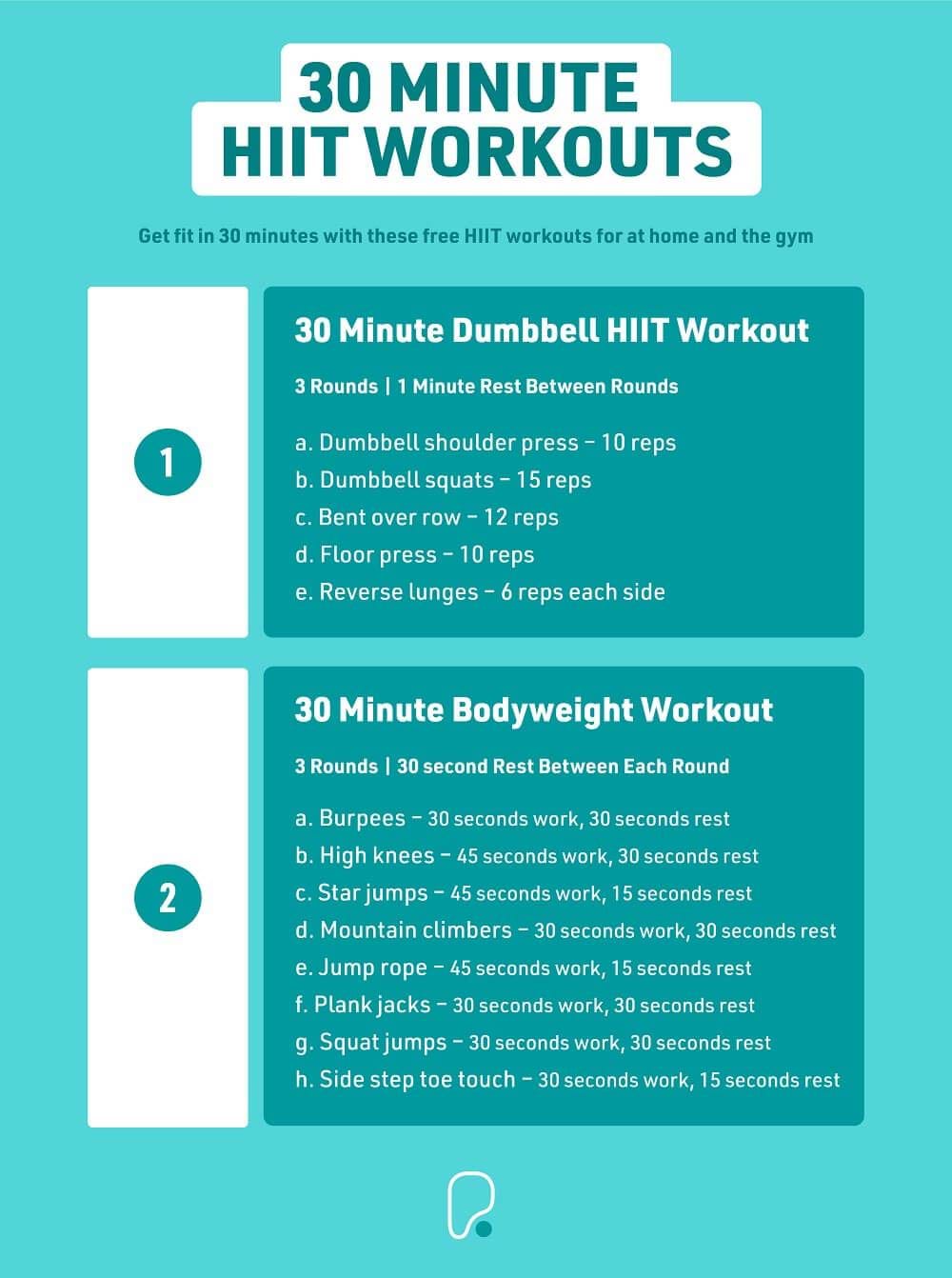
This 30-minute full body HIIT workout no equipment required is designed in a modular circuit format. We will perform three rounds of the following exercises. Each move is performed for 45 seconds of max effort, followed by 15 seconds of rest. This 3:1 work-to-rest ratio is specifically tuned for fat oxidation and anaerobic capacity.
The Power Block
Exercise 1: Burpees (Pro) or Squat-reaches (Beginner) Target: Full body, Glutes, Deltoids Intensity: 9/10 RPE For the pros, the burpee is the ultimate at-home HIIT cardio for endurance training. Drop to a plank, touch your chest to the floor, snap your feet back under you, and explode into a jump. If you need a low impact HIIT exercises for beginners at home, stick to the squat-reach. Perform a deep air squat and reach for the ceiling as you stand up, skipping the jump.
The Core and Cardio Block
Exercise 2: Mountain Climbers Target: Core stability, Hip flexors Intensity: 8/10 RPE Get into a high plank position. Drive your knees toward your chest as fast as possible while keeping your hips level. This move is essential for building core stability while keeping the heart rate in those critical training zones. Focus on keeping your hands directly under your shoulders.
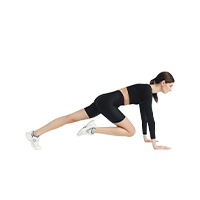
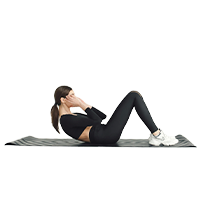
Exercise 3: Bicycle Crunches Target: Obliques, Rectus Abdominis Intensity: 7/10 RPE While this is a floor exercise, it serves as a form of active recovery that maintains metabolic conditioning. Lie on your back and bring your opposite elbow to the opposite knee in a pedaling motion. This ensures your core remains under tension throughout the circuit.
The Plyometric Block
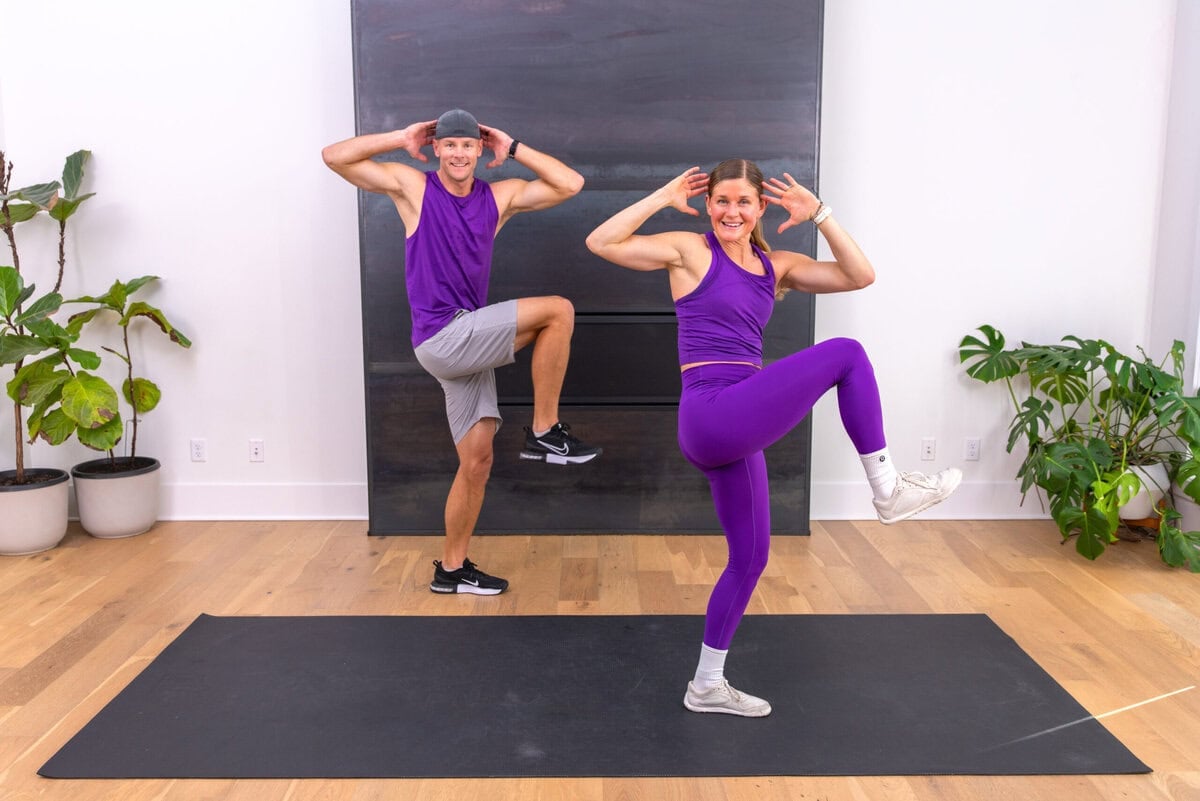
Exercise 4: High Knees or Marching Target: Quads, Cardiovascular system Intensity: 9/10 RPE Run in place, bringing your knees up to hip height. This is where you push for that VO2 max improvement. If you are in a shared living space and need to keep things quiet, perform a fast-paced march, driving your knees up and pumping your arms vigorously.
| Exercise | Duration | Beginner Modification | Target Muscle Group |
|---|---|---|---|
| Burpees | 45 Seconds | Squat-reaches | Full Body |
| Mountain Climbers | 45 Seconds | Slow Step-ins | Core / Shoulders |
| Bicycle Crunches | 45 Seconds | Dead Bug | Core / Obliques |
| High Knees | 45 Seconds | March in Place | Quads / Cardio |
| Stationary Lunges | 45 Seconds | Assisted Lunges | Glutes / Hamstrings |
As you progress, try to minimize the rest time or increase the speed of your repetitions. For those looking for advanced at-home HIIT progressions for fitness pros, consider adding a tuck jump at the end of each burpee or performing mountain climbers with your hands on an unstable surface like a medicine ball if you happen to have one. However, this no equipment cardio workout is fully effective using just your own body weight.
Specific high-intensity interval training protocols, including Tabata, have been shown to increase VO2 max by 18% to 19% over an 8-week period. To see these results, you must maintain the intensity. If you can hold a conversation during the 45-second work interval, you aren't pushing hard enough.
Phase 3: Yoga-Inspired Cool-Down & Recovery
After three rounds of the circuit above, your heart rate will be peaking. You cannot simply sit down on the couch. We need a structured transition into active recovery to help your body clear lactic acid and begin the repair process.
Start by walking around the room for two minutes, letting your breathing slow down naturally. Once your heart rate has dropped, move into a downward dog pose. This yoga-inspired stretch targets the entire posterior chain—the calves, hamstrings, and lower back—which often get tight during high-impact HIIT for endurance training.
Follow this with the pigeon pose on each side. This is one of the most effective ways to release the hip flexors, which do a tremendous amount of work during mountain climbers and high knees. Hold each stretch for at least 30 seconds, focusing on deep, diaphragmatic breathing. This signals to your parasympathetic nervous system that the stress of the workout is over, initiating the recovery phase.

FAQ
What are the benefits of doing HIIT at home?
Doing an at-home HIIT workout offers incredible convenience and efficiency, allowing you to achieve a high-intensity session without a commute or gym membership. It effectively builds cardiovascular stamina, boosts metabolism through EPOC, and requires very little space, making it perfect for busy schedules or small apartments.
Can you do HIIT workouts without equipment?
Absolutely. A full body HIIT routine relies primarily on bodyweight resistance to create intensity. Exercises like burpees, lunges, and plank variations use your own body weight to challenge your muscles and heart rate, proving that a no equipment cardio workout can be just as effective as one using heavy machinery.
How many minutes of HIIT should a beginner do?
A beginner should aim for 15 to 20 minutes of HIIT, including the warm-up. As your cardiovascular stamina improves, you can gradually increase the duration to a 30-minute full body HIIT routine. It is better to perform 15 minutes at high intensity than 30 minutes at a moderate pace where you aren't hitting the required heart rate zones.
Is it safe to do HIIT workouts every day?
It is generally not recommended to do HIIT every single day. Because of the high stress it places on the central nervous system and muscles, you should limit these sessions to 2-3 times per week. Overtraining can lead to injury and burnout, so it is vital to incorporate active recovery or steady-state cardio on off days.
Can HIIT help with losing belly fat?
Yes, HIIT is highly effective for fat loss because it maximizes fat oxidation both during and after the workout. The intense intervals trigger a significant hormonal response and an elevated metabolic rate, which helps reduce overall body fat, including visceral fat, more efficiently than many forms of steady-state exercise.