Quick Facts
- BP Threshold: Stage 1 hypertension begins at 130/80 mmHg, while Stage 2 is diagnosed at 140/90 mmHg.
- Dietary Target: Aim for a sodium-to-potassium ratio that favors potassium, ideally keeping daily sodium under 1,500 mg.
- Weight Metric: Every 1 kg of weight loss is scientifically linked to approximately a 1 mmHg reduction in systolic pressure.
- Exercise Goal: Consistency is key; aim for 150 minutes of moderate-intensity aerobic activity every week.
- Mineral Key: Magnesium and Potassium act as natural vasodilators, helping to reduce vascular resistance and arterial stiffness.
- Risk Reduction: Successful hypertension prevention and management can reduce the risk of stroke by up to 42% and coronary heart disease by 14%.
Hypertension prevention relies on a multi-faceted approach centered on the DASH diet and lifestyle modifications. The DASH eating plan emphasizes fruits, vegetables, whole grains, and low-fat dairy while significantly reducing sodium intake to below 2,300 mg daily. Integrating regular physical activity, such as 150 minutes of moderate-intensity aerobic exercise per week, and maintaining a healthy Body Mass Index (BMI) are critical components for reducing vascular resistance and lowering systolic and diastolic readings.
High blood pressure is often called the silent killer because it frequently presents no obvious symptoms while it quietly damages the cardiovascular system. Globally, an estimated 1.4 billion adults worldwide have hypertension, yet approximately 44% of those affected are unaware they have the condition. In the United States, nearly half of all adults live with high blood pressure, and only about 22.5% of them have successfully brought it under control. These statistics highlight why lifestyle changes to lower blood pressure naturally are not just recommendations but essential life-saving strategies. By understanding how nutrition, movement, and monitoring work together, you can take control of your cardiovascular disease risk before it escalates.
The DASH Blueprint: Nutritional Strategies for Blood Pressure
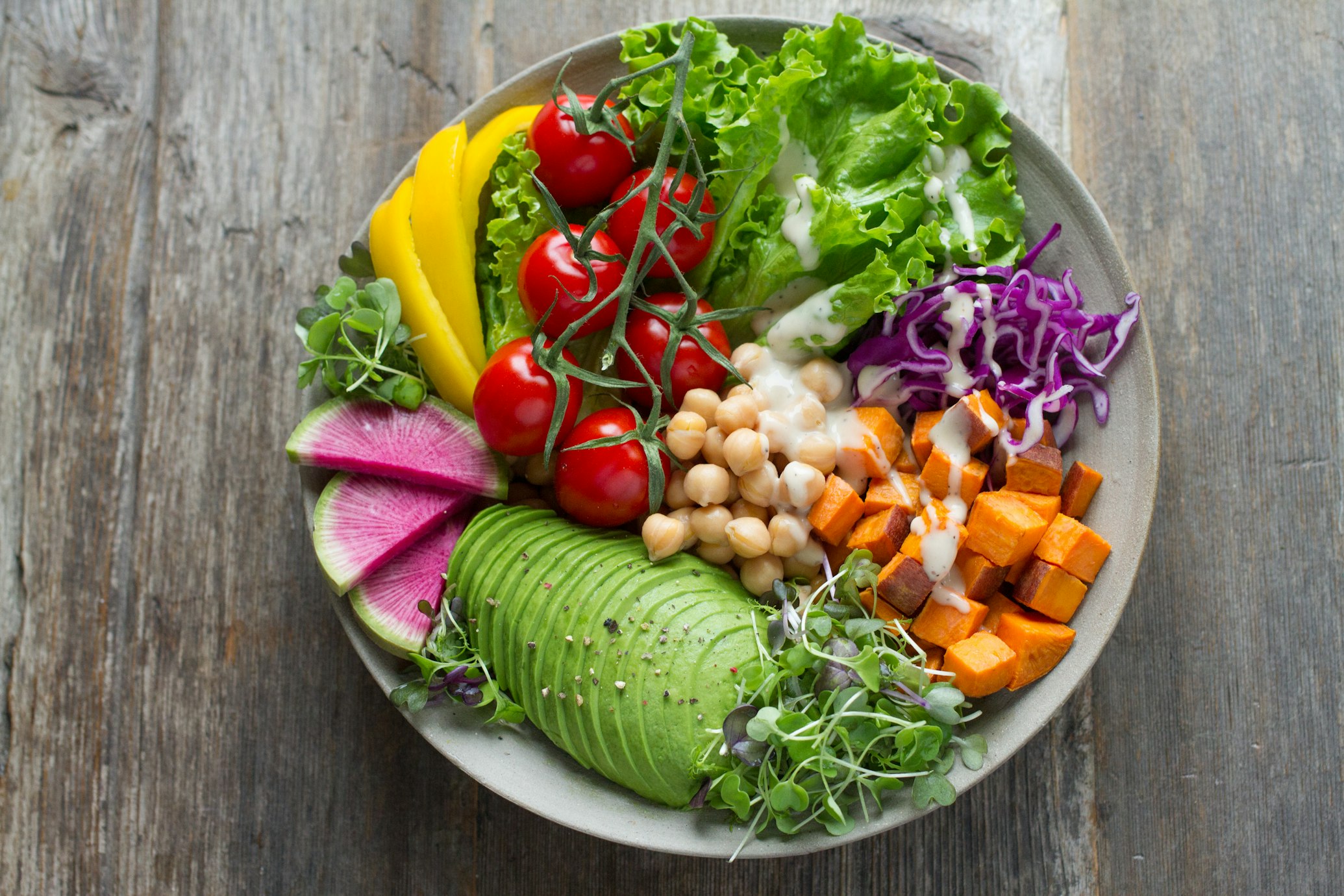
The Dietary Approaches to Stop Hypertension, or DASH, is widely considered the gold standard for nutritional hypertension prevention. Unlike restrictive fad diets, the DASH diet guidelines focus on what to add to your plate rather than just what to remove. The core mechanism involves balancing the sodium-to-potassium ratio. While sodium causes the body to retain fluid, increasing vascular resistance, potassium helps the kidneys excrete excess salt and eases tension in the blood vessel walls.
When starting practical DASH diet meal planning for beginners, the goal is to shift toward whole, unprocessed foods. This eating pattern is naturally rich in magnesium, which acts like a natural calcium channel blocker to relax blood vessels. Following AHA/ACC clinical guidelines, the DASH plan suggests specific daily servings based on a 2,000-calorie diet:
- Whole Grains (6-8 servings): Think oatmeal, brown rice, or quinoa to support heart health and fiber intake.
- Vegetables (4-5 servings): Focus on leafy greens, broccoli, and carrots for their high potassium content.
- Fruits (4-5 servings): Berries, oranges, and bananas provide essential antioxidants and minerals.
- Low-fat Dairy (2-3 servings): Provides calcium and protein without excessive saturated fat.
- Lean Protein (6 or fewer servings): Focus on poultry, fish, and legumes over red meat.
- Nuts and Seeds (4-5 servings per week): A great source of magnesium and healthy fats.
A major hurdle for many is the low sodium lifestyle tips required to see significant results. While the standard DASH limit is 2,300 mg, the greatest benefits occur when lowering intake to 1,500 mg. You can find easy ways to reduce sodium in home cooked meals by replacing the salt shaker with lemon juice, balsamic vinegar, or garlic powder. Sodium acts as a preservative in processed foods, so reading labels for hidden additives is crucial for protecting kidney function and reducing arterial stiffness.
| Sodium Goal | Recommended Limit | Benefit Level |
|---|---|---|
| Standard DASH | < 2,300 mg / day | Significant BP reduction |
| Ideal Prevention | < 1,500 mg / day | Optimal cardiovascular protection |

The Movement Protocol: Exercise for Blood Pressure Management
Physical activity is a powerful tool for maintaining healthy systolic and diastolic readings. When you engage in regular aerobic exercise routines for lowering systolic blood pressure, your heart becomes stronger and more efficient at pumping blood. This reduces the force exerted on your arteries, effectively lowering vascular resistance. Over time, consistent exercise can lower systolic blood pressure by an average of 5 to 8 mmHg, which is comparable to the effect of some medications.
The key to effective exercise for blood pressure management is consistency rather than intensity. The goal is to reach 150 minutes of moderate-intensity activity per week. This might look like 30 minutes of brisk walking five days a week. Activities like swimming, cycling, or jogging help improve heart rate variability and reduce the sympathetic nervous system's "fight or flight" response, which often contributes to chronic hypertension.

Beyond aerobic work, incorporating strength training twice a week can further improve metabolic health and Body Mass Index (BMI). Maintaining a healthy weight is one of the most impactful lifestyle changes you can make. Clinical data shows that for every kilogram of weight lost, systolic pressure can drop by about 1 mmHg. By creating a heart healthy routine for hypertension prevention that combines movement with weight management, you address the root causes of arterial stiffness and systemic inflammation.
Precision Monitoring: SMBP and Weight Control
Prevention is impossible without data. Because blood pressure fluctuates throughout the day based on stress, caffeine, and activity, a single reading at the doctor's office may not provide a complete picture. This is why self-measured blood pressure (SMBP) is a vital part of modern cardiovascular care. Knowing how to ensure accurate home blood pressure readings allows you to track your progress and identify trends early.
To get the most accurate SMBP data, follow this checklist:
- Preparation: Do not smoke, drink caffeine, or exercise for 30 minutes before the measurement.
- Posture: Sit in a chair with your back supported and feet flat on the floor. Do not cross your legs.
- Position: Rest your arm on a flat surface (like a table) so that the cuff is at the same level as your heart.
- Quiet: Stay still and quiet for five minutes before pressing the start button.
- Timing: Take two or three readings one minute apart and record the average.

In addition to monitoring blood pressure, keep an eye on your waist circumference. Even if your BMI is in a normal range, carrying excess weight around the midsection (visceral fat) is a significant risk factor for hypertension. For most men, a waist measurement over 40 inches increases risk; for women, the threshold is 35 inches. Managing these physical metrics, alongside consistent sleep hygiene and stress reduction techniques, creates a comprehensive shield against cardiovascular decline.

FAQ
How can I prevent hypertension naturally?
Natural prevention is built on three pillars: nutrition, movement, and habit modification. Adopting the DASH eating plan to lower sodium and increase potassium is the most effective dietary shift. Pairing this with 150 minutes of weekly aerobic exercise and maintaining a healthy weight creates a powerful synergistic effect. Additionally, limiting alcohol consumption and prioritizing seven to nine hours of quality sleep helps regulate the hormones that control blood pressure.
What are the best foods to eat to prevent high blood pressure?
The best foods are those high in potassium, magnesium, and fiber while being low in sodium. Leafy greens like spinach and kale, berries, bananas, and sweet potatoes are excellent choices. Legumes, nuts, and seeds provide plant-based protein and magnesium, which helps relax blood vessel walls. Whole grains like oats and fatty fish like salmon, which contains omega-3 fatty acids, also support overall vascular health and reduce inflammation.
Can exercise prevent high blood pressure?
Yes, exercise is one of the most effective non-pharmacological ways to prevent hypertension. Regular physical activity makes the heart stronger, allowing it to pump more blood with less effort. When the heart works less to pump, the force on the arteries decreases, lowering blood pressure. Exercise also improves the elasticity of the blood vessels, reducing arterial stiffness that often develops with age or sedentary lifestyles.
How much sodium per day should I have to prevent hypertension?
For optimal hypertension prevention, clinical guidelines recommend a limit of 1,500 mg of sodium per day. While the general recommendation for healthy adults is often cited as 2,300 mg, reducing intake further has been shown to produce more significant drops in blood pressure, especially for those who are salt-sensitive or already at risk for cardiovascular disease.
What habits contribute most to preventing hypertension?
Beyond diet and exercise, the habits that contribute most include consistent self-monitoring through SMBP, effective stress management, and avoiding tobacco. Chronic stress triggers the release of cortisol and adrenaline, which temporarily spike blood pressure; over time, this can lead to permanent damage. Habits like daily meditation, deep breathing exercises, and maintaining a healthy weight through portion control are essential components of a long-term heart-healthy routine.