Quick Facts
- Clinical Definition: Chronic insomnia is diagnosed when sleep difficulties occur at least three nights per week for a duration of three months or more.
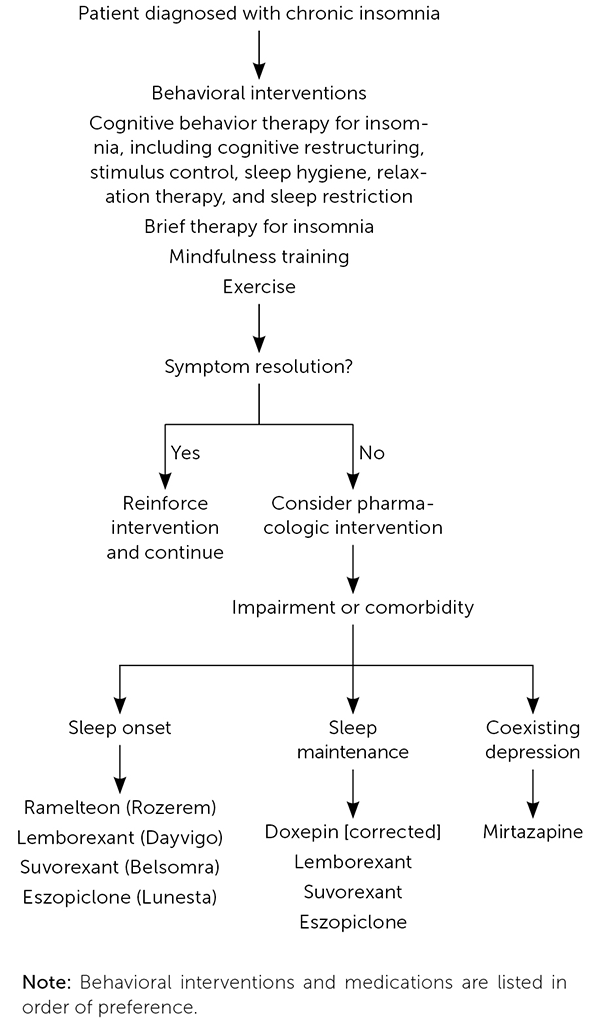
- Gold Standard Treatment: Cognitive behavioral therapy for insomnia is the first-line recommendation for adults, prioritized over sedative medications.
- Success Rates: Approximately 70% to 80% of patients experience significant improvement in sleep quality through behavioral interventions within six months.
- Acute to Chronic Shift: Statistics show that 20% of acute cases transition into long-term chronic insomnia if the initial triggers are not addressed.
- Role of Medication: Pharmacological aids are generally reserved for short-term management of acute distress rather than long-term maintenance.
- Environmental Impact: Proper sleep hygiene practices, such as maintaining a cool, dark room, serve as the foundational support for clinical treatments.
Struggling to sleep? Understanding the right insomnia treatment is the first step toward rest. Whether you are dealing with a few restless nights or long-term issues, managing chronic insomnia requires a science-backed approach. Cognitive behavioral therapy for insomnia (CBT-I) remains the gold standard for long-term relief because it addresses the underlying psychological and behavioral patterns that keep you awake.
Defining Your Struggle: Acute vs. Chronic Insomnia
Sleep is the cornerstone of preventive health, yet for many, it remains elusive. To find the right insomnia treatment, we must first distinguish between the two primary forms of the condition. Acute insomnia is typically a short-term bout of sleep difficulty, often triggered by a specific life event such as job stress, grief, or even jet lag. In contrast, managing chronic insomnia involves addressing a more persistent pattern where sleep disruption becomes a regular part of life.
Clinicians often use the 3-3-3 rule to identify a chronic disorder. If you find yourself lying awake for more than 30 minutes, at least three nights a week, for three months or longer, you are likely dealing with a chronic condition rather than a temporary phase. Current data indicates that approximately 30% of adults experience short-term (acute) insomnia symptoms, while about 10% suffer from chronic insomnia disorder lasting at least three months.
The danger of ignoring short-term sleep loss is the risk of habituation. Research indicates that approximately 20% of acute insomnia cases transition into chronic insomnia if the underlying triggers and early behaviors are not managed effectively. When sleep loss begins to cause significant daytime impairment—such as irritability, brain fog, or a reliance on excessive caffeine—it is a signal that your body needs a structured intervention. Often, these issues are intertwined with psychological comorbidities like anxiety or depression, which can create a frustrating cycle of sleeplessness and stress. Finding effective home remedies for acute insomnia relief early on can prevent this cycle from taking root.

The Gold Standard: Cognitive Behavioral Therapy for Insomnia (CBT-I)
When patients ask for the most effective insomnia treatment, the medical community points toward cognitive behavioral therapy for insomnia. Unlike sleeping pills, which mask the symptoms, CBT-I retrains the brain to associate the bed with rest rather than wakefulness or anxiety. It is a structured program that helps you replace thoughts and behaviors that cause sleep problems with habits that promote sound sleep.
This therapy is built upon five essential pillars:
- Stimulus Control Therapy: This technique aims to strengthen the association between the bed and sleep. The rules are simple but strict: use the bed only for sleep and intimacy. If you cannot fall asleep within 15 to 20 minutes, you must leave the bedroom and engage in a quiet activity in dim light until you feel sleepy.
- Sleep Restriction: It sounds counterintuitive, but limiting the time you spend in bed can actually improve your sleep efficiency ratio. By matching the time spent in bed to the actual amount of sleep you are getting, you build up a sleep drive that makes it easier to fall and stay asleep the following night.
- Cognitive Therapy: This involves identifying and challenging the distorted beliefs you may have about sleep. Many people with insomnia develop a fear of wakefulness, worrying about how they will function the next day. Cognitive therapy helps neutralize these "racing thoughts."
- Relaxation Techniques: Practicing progressive muscle relaxation, deep breathing, or mindfulness can lower your heart rate and prepare your nervous system for sleep onset.
- Sleep Hygiene: This involves the basic environmental and lifestyle habits that support rest, though it is rarely enough to cure chronic insomnia on its own.
For those wondering how to start cognitive behavioral therapy for insomnia at home, the process begins with sleep diary tracking. By recording when you go to bed, how long it takes to fall asleep, and how often you wake up, you can calculate your sleep efficiency and identify patterns that need adjustment. Clinical studies have shown that cognitive behavioral therapy for insomnia has a remission rate of 70% to 80% within a six-month period, making it a powerful tool for long-term health.
Beyond Basics: Advanced Sleep Hygiene Practices
While CBT-I addresses the psychological roots of sleeplessness, sleep hygiene practices provide the necessary foundation. Think of sleep hygiene as the "prep work" for your brain. It is not just about avoiding caffeine in the afternoon; it is about aligning your daily habits with your internal circadian rhythm.
To implement the best sleep hygiene practices for chronic insomnia, you must focus on your body's biological cues. Light exposure is perhaps the most critical factor. Morning sunlight helps set your internal clock, while limiting blue light from screens in the evening encourages natural melatonin production. As your core body temperature naturally drops in the evening to prepare for rest, keeping your bedroom cool (around 65°F or 183°C) can assist in this transition.
Environment optimization is equally important. Your bedroom should be a sanctuary—dark, quiet, and free from work-related stress. This means removing televisions and laptops from the sleeping area. Restricting the use of the bedroom to sleep and intimacy helps the brain associate the space with relaxation, which significantly improves sleep latency. By fine-tuning these environmental factors, you create a supportive ecosystem that allows other insomnia treatment methods to be more effective.

Medication vs. Behavioral Therapy: Long-Term Strategies
A common question in preventive care is whether to choose a pharmacological approach or a behavioral one. When we compare non-pharmacological treatment for chronic insomnia vs medication, the evidence strongly favors the former for long-term success. While medications like Z-drugs or newer classes like DORAs (dual orexin receptor antagonists) can provide immediate relief during a crisis, they do not address why the insomnia started in the first place.
| Feature | Cognitive Behavioral Therapy (CBT-I) | Pharmacological Agents (Sleep Meds) |
|---|---|---|
| Primary Goal | Addresses root causes and behaviors | Temporary symptom relief |
| Duration of Benefit | Long-lasting (years) | Typically ends when medication stops |
| Side Effects | Minimal to none | Drowsiness, Z-drug side effects, dependency |
| Ease of Use | Requires time and effort | Convenient but potentially habit-forming |
| Clinical Status | First-line treatment | Second-line or short-term bridge |
Long term strategies for managing chronic insomnia disorder should view medication as a temporary bridge rather than a destination. Relying on sleep aids indefinitely can lead to tolerance, where higher doses are needed to achieve the same effect, and can sometimes result in rebound insomnia if discontinued abruptly. For those managing chronic insomnia, the goal is to build a self-sustaining sleep habit that does not require external chemical assistance.
Safety First: When to Seek Professional Treatment
There are moments when self-care and home-based strategies are not enough. It is vital to know when to seek professional treatment for persistent insomnia, especially when sleep loss begins to impact your safety or the safety of others. If you find yourself struggling to stay awake while driving or operating machinery, professional intervention is no longer optional—it is a necessity.
In some cases, insomnia is a symptom of another underlying condition. Obstructive sleep apnea, restless leg syndrome, or certain hormonal imbalances can mimic simple insomnia but require very different treatments. Red flags include loud snoring, gasping for air during the night, or an uncontrollable urge to move your legs.
Furthermore, some medications and sleep aids carry gender-specific risks. For instance, the FDA has previously issued warnings regarding lower dosages for women for certain sedative-hypnotics due to the way they are metabolized. A healthcare provider can help navigate these risks and ensure that your insomnia treatment plan is tailored to your specific physiology and medical history.
FAQ
What is the most effective treatment for insomnia?
The most effective and scientifically backed method is cognitive behavioral therapy for insomnia. Unlike medication, which provides a temporary fix, this therapy addresses the behavioral and cognitive patterns that sustain sleep problems, leading to long-term improvements in sleep quality.
How can I get rid of insomnia without medication?
You can manage sleep issues without medication by implementing stimulus control, practicing sleep restriction, and optimizing your sleep hygiene practices. These non-pharmacological methods focus on retraining your brain and body to rest naturally by aligning with your circadian rhythm.
When should you see a doctor for insomnia?
You should consult a healthcare professional if your sleep difficulties last longer than three months, cause significant distress, or lead to safety issues like daytime sleepiness while driving. It is also important to seek help if you suspect an underlying condition like sleep apnea.
What is the first-line treatment for chronic insomnia?
Clinical guidelines from organizations like the American College of Physicians name cognitive behavioral therapy for insomnia as the first-line treatment for all adults. It is recommended over pharmacological options due to its superior long-term efficacy and lack of side effects.
Does cognitive behavioral therapy for insomnia really work?
Yes, it is highly effective. Research shows that 70% to 80% of individuals who complete a course of behavioral therapy see significant improvements in their sleep, with many reaching full remission from chronic insomnia symptoms within six months.