
Quick Facts
- Primary Trigger: Structural damage to the hypothalamus and the suprachiasmatic nucleus.
- Statistical Reality: Between 25% and 60% of Alzheimer's patients experience fragmented sleep-wake cycles.
- Stabilizing Hormone: Orexin serves as the biological glue that stabilizes wakefulness and prevents sudden sleep transitions.
- Common Symptoms: Excessive daytime sleepiness, frequent nocturnal awakenings, and uncoupled internal rhythms.
- Treatment Standard: A holistic combination of phototherapy, melatonin receptor agonists, and strict sleep hygiene.
- Diagnostic Gold Standard: The use of actigraphy and detailed sleep logs over multiple weeks to map internal patterns.
Neurological sleep disorders often stem from damage to the hypothalamus and the suprachiasmatic nucleus, which serve as the body's master clock. When these areas are compromised by neurodegenerative diseases, the secretion of melatonin is disrupted, leading to chronic circadian rhythm disruption.
The Biological Master Clock: How the SCN Governs Your Rhythm
At the very core of your brain lies a tiny structure called the suprachiasmatic nucleus, or SCN. Think of the SCN as the master conductor of a grand biological orchestra. It resides within the hypothalamus and is responsible for coordinating every physiological process that follows a 24-hour cycle. This internal pacemaker ensures that your body temperature drops at night, your cortisol spikes in the morning, and your Melatonin secretion begins as the sun goes down.
For most people, this clock is synchronized by external cues known as zeitgebers—German for "time-givers"—such as sunlight and meal times. However, when a patient experiences a neurological injury or a neurodegenerative condition, the SCN can become physically damaged or disconnected from these cues. This leads to a state known as a free-running rhythm, where the body's internal clock fails to align with the standard day-night cycle.
Sleep scientists often describe the drive to sleep through two competing forces: Process C (the circadian rhythm) and Process S (homeostatic sleep pressure). Process S is the buildup of tiredness the longer you stay awake, while Process C is the rhythmic signal from the SCN telling you when it is time to be alert. In many neurological sleep disorders, these two processes become uncoupled. If you have ever wondered how to fix circadian rhythm disruption after neurological injury, the answer usually starts with re-establishing the SCN’s connection to external light cues to retune the master clock.
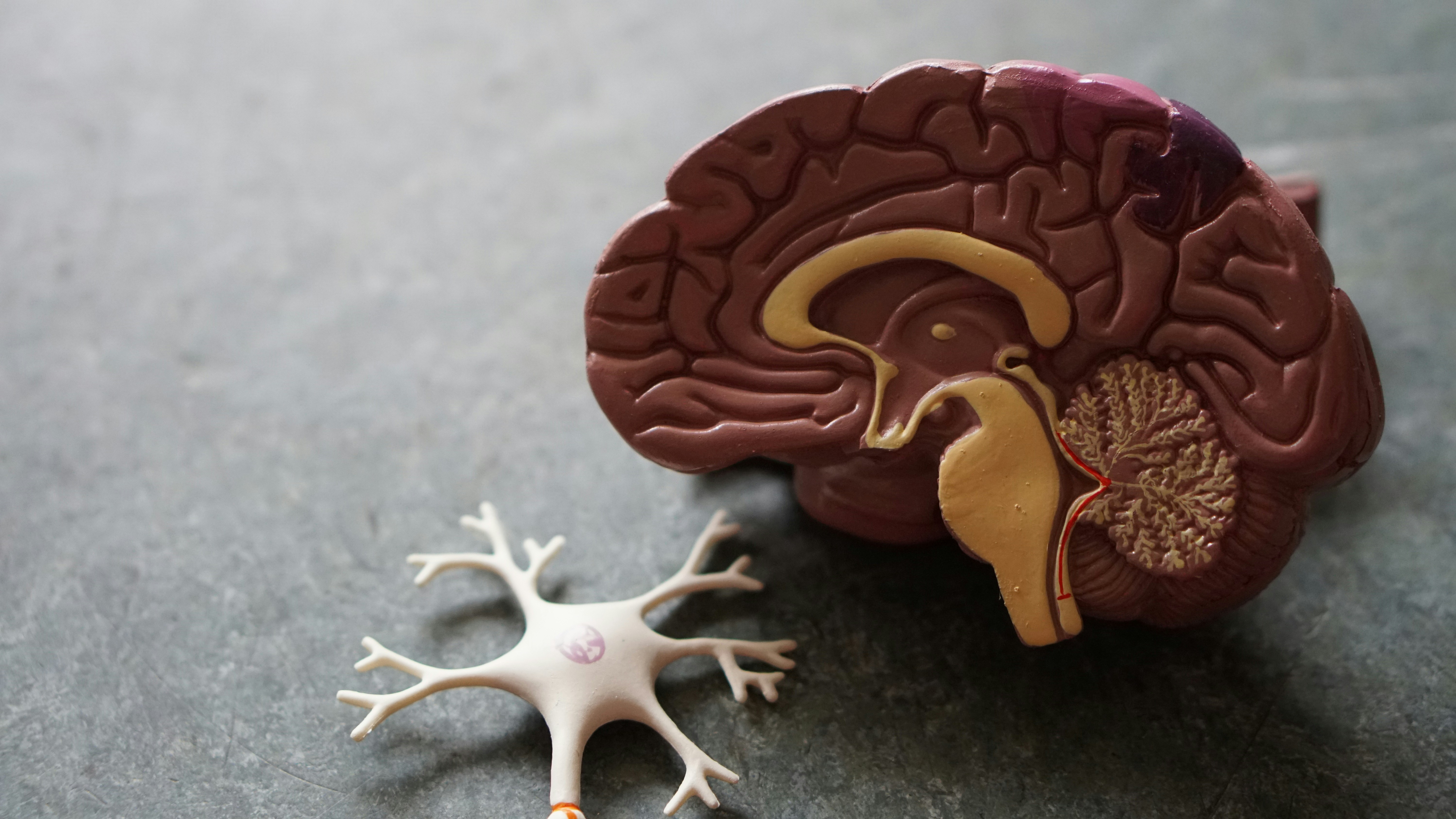
The Flip-Flop Circuit: Why Neurological Damage Destabilizes Sleep
The transition between being awake and falling asleep isn't a slow fade; biologically, it functions more like a light switch. Neuroscientists refer to this as the flip-flop circuit. On one side, you have wake-promoting neurons that use monoamine neurotransmitters and a stabilizing protein called orexin to keep the brain alert. On the other side, GABAergic signaling promotes NREM sleep by inhibiting the wake centers.
In a healthy brain, these two systems mutually inhibit one another—when one is on, the other is firmly off. However, neurological symptoms affecting sleep often arise because this switch becomes "loose" or unstable. When the neurons in the hypothalamus are damaged, they lose the ability to hold the switch in one position. This instability leads to fragmented sleep architecture, where a person may fall into brief bouts of sleep during the day and experience frequent, unexplained awakenings at night.
Common neurological symptoms that affect deep sleep stages often involve the loss of orexin-producing neurons. Orexin acts as the "finger" holding the wake switch in the "on" position. Without it, the brain can slip into sleep without warning, or fail to maintain the deep, restorative stages of NREM sleep required for cognitive health and physical repair.
Chronic Impact: Alzheimer’s, Parkinson’s, and Sleep-Wake Fragmentation
The relationship between neurodegenerative diseases and sleep is a two-way street. While poor sleep can exacerbate cognitive decline, the diseases themselves actively destroy the brain’s sleep-regulating machinery. For instance, sleep abnormalities affect between 25% and 60% of all patients with Alzheimer’s disease, often manifesting as fragmented sleep-wake cycles and a phenomenon known as "sundowning," where agitation increases as evening approaches.
Similarly, more than 75% of individuals with Parkinson’s disease report sleep-related symptoms. In these cases, the loss of dopamine-producing neurons further complicates the sleep-wake balance. For many, this results in non-24-hour sleep-wake disorder management strategies for patients becoming a central part of their care plan, as their internal clocks drift away from the traditional schedule.
In conditions like Huntington’s disease, researchers have observed pathological changes in the hypothalamic suprachiasmatic nucleus that directly disrupt the molecular oscillation of the body's natural cycle. This is not just a matter of "feeling tired"; it is a fundamental breakdown of the brain's ability to track time.
Comparison of Sleep Impacts in Neurological Conditions
| Condition | Primary Sleep Symptom | Biological Mechanism |
|---|---|---|
| Alzheimer’s Disease | Fragmented sleep-wake rhythm | Amyloid buildup in the SCN |
| Parkinson’s Disease | REM Sleep Behavior Disorder | Loss of dopamine and brainstem nuclei |
| Huntington’s Disease | Delayed sleep phase | Degeneration of SCN neurons |
| Traumatic Brain Injury | Post-traumatic hypersomnia | Hypothalamic signaling disruption |

Diagnostic Roadmap: Working with Your Neurologist
If you suspect that a neurological condition is the root cause of your sleep issues, a standard "sleep study" (polysomnography) may not provide the full picture. Neurological sleep disorders require a more longitudinal approach to diagnosis. Managing sleep with neurological conditions often begins with objective data collection over several weeks.
One of the most effective tools is actigraphy, where a patient wears a device similar to a fitness tracker that records movement and light exposure for 14 to 30 days. This data allows a neurologist to see the actual rhythm of your life, identifying if you are suffering from an irregular sleep-wake rhythm or a total loss of circadian alignment.
A critical step for patients is the step-by-step guide to keeping a sleep log for neurologists. You should record not just when you go to bed, but also:
- Exact times of daytime naps (even short ones).
- Timing of meals and caffeine intake.
- Physical activity levels.
- Subjective ratings of alertness throughout the day.
- Medication timing, as many neurological drugs can influence the flip-flop circuit.

Management Strategies: Lifestyle Adjustments and Clinical Care
Managing neurological sleep disorders with daily routine changes requires a blend of clinical intervention and environmental modification. Because the brain’s internal "switch" is compromised, we must use external "anchors" to help the brain understand what time it is.
Phototherapy and Light Regulation
Phototherapy is one of the most powerful tools for resetting a damaged clock. By using a light box that emits 10,000 lux, patients can provide the SCN with a strong signal of "daytime." Conversely, physical environmental adjustments for neurological sleep issues must include evening light restriction. Using red-spectrum bulbs or blue-light-blocking glasses after 8:00 PM can help prevent the suppression of what little natural melatonin the brain is producing.
| Treatment Phase | Intervention | Target Goal |
|---|---|---|
| Morning (8:00 AM) | 10,000 Lux Light Box | Suppress melatonin; trigger alertness |
| Afternoon (2:00 PM) | Short, timed nap (max 20 mins) | Manage homeostatic sleep pressure |
| Evening (8:00 PM) | Red-spectrum lighting | Encourage natural Melatonin secretion |
| Bedtime (10:00 PM) | Melatonin receptor agonists | Artificially signal sleep onset |
Pharmacological Stabilizers
When lifestyle changes aren't enough, doctors may look toward Orexin receptor antagonists. These medications work by blocking the wake-promoting signals that keep the "flip-flop" switch from closing at night. Unlike traditional sedatives, these aim to stabilize the sleep-wake circuit more naturally.

Behavioral Sleep Hygiene
Strict Sleep hygiene is even more vital for those with neurological conditions. This includes keeping the bedroom environment cool and dark, and maintaining a consistent schedule even on weekends. For those with dementia, reducing environmental noise and providing a clear "wind-down" period can prevent the agitation associated with fragmented rhythms.

FAQ
What are the most common neurological sleep disorders?
The most frequent conditions include Insomnia related to neurodegeneration, REM Sleep Behavior Disorder (often seen in Parkinson's), and Circadian Rhythm Disorders like Irregular Sleep-Wake Rhythm Disorder. Many patients also experience excessive daytime sleepiness due to the breakdown of wake-stabilizing neurons in the hypothalamus.
How do doctors diagnose a neurological sleep disorder?
Diagnosis typically involves a combination of clinical history, actigraphy (wearing a motion sensor for weeks), and sometimes a polysomnogram to rule out obstructive sleep apnea. Neurologists may also use specialized blood or saliva tests to measure the timing of melatonin production throughout the night.
What are the warning signs of a neurological sleep issue?
Warning signs include acting out dreams (which can indicate a REM sleep issue), an inability to stay awake during the day despite adequate time in bed, or a "drifting" schedule where you find yourself falling asleep later and later each night. Fragmented sleep where you wake up four or more times per night is also a significant indicator.
Can neurological sleep disorders be treated?
Yes, while the underlying neurological condition may be chronic, the sleep symptoms can often be managed. Treatment usually involves a multi-pronged approach using phototherapy to reset the circadian clock, lifestyle modifications to reinforce sleep hygiene, and specific medications like orexin receptor antagonists or melatonin agonists to stabilize the sleep-wake switch.
Are sleep disorders a symptom of underlying neurological conditions?
In many cases, yes. Chronic sleep disruption is often one of the earliest "prodromal" symptoms of neurodegenerative diseases like Parkinson's or Alzheimer's, appearing years before motor symptoms or significant memory loss. Addressing these sleep issues early is a crucial part of long-term wellness and preventive care.