Quick Facts
- Target Outcome: Following high-quality dietary patterns like the Alternative Healthy Eating Index can lead to an 86% higher chance of healthy aging.
- Movement Standard: Women meeting the World Health Organization guideline of 150 minutes of weekly activity have approximately half the risk of premature death compared to inactive peers.
- Nutrition Hack: Sequence your meals by eating fiber and protein first to stabilize glucose and enhance insulin sensitivity.
- Vitality Metric: Higher cardiorespiratory fitness in midlife is linked to a 12% reduction in chronic conditions later in life.
- Public Health Impact: Increasing moderate-to-vigorous physical activity among adults aged 40 and older could prevent an estimated 110,000 deaths annually.
Effective midlife fitness focuses on progressive strength training to combat sarcopenia and improve body composition. By prioritizing midlife fitness tips like heavy lifting and a protein and fiber first diet, women can maintain bone density and metabolic health long-term.

As we navigate the transitions of perimenopause and menopause, the rules of engagement for our bodies begin to change. For many of my readers, the high-intensity cardio sessions that worked in their 20s suddenly feel draining rather than energizing. This shift isn't a sign of slowing down; it is an invitation to work smarter. Understanding the physiological shifts, particularly the decline in estrogen, allows us to tailor our movement and nutrition to support our changing hormonal landscape.
The Movement Shift: Heavy Lifting and Muscle Mass
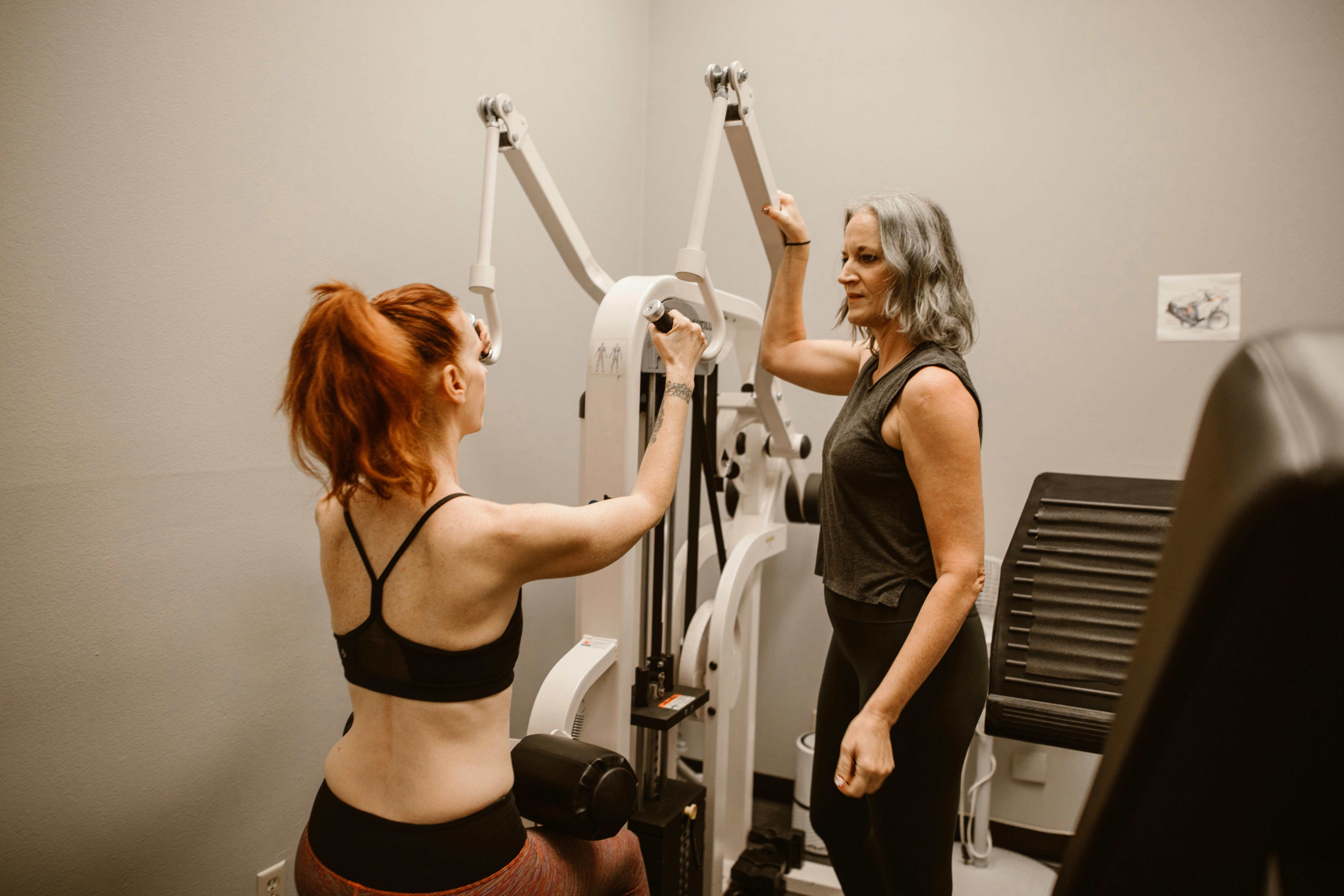
The most significant change women face in their 40s and 50s is the accelerated loss of lean muscle mass, a condition known as sarcopenia. Estrogen plays a vital role in muscle satellite cell function, which helps repair and build muscle fibers. As levels drop, we must provide a stronger stimulus to maintain our metabolic health. This is why perimenopause strength training is no longer optional; it is the foundation of longevity.
Many women are hesitant to lift heavy, fearing bulk or injury. However, the goal is progressive resistance. Research suggests that lifting weights in the 6-12 rep range to near failure is significantly more effective for muscle hypertrophy than doing high-volume repetitions with light weights. This higher intensity triggers the muscle protein synthesis needed to preserve body composition and protect our bone density.
A balanced approach involves balancing heavy lifting with yoga or Pilates to ensure we maintain functional mobility. While lifting builds the engine, mobility work ensures the chassis remains flexible and resilient. I often recommend a 2-day split focused on lower body one day and upper body the next, allowing for focused intensity without overtaxing the central nervous system.

The 8-Week Movement Roadmap
To help you get started, here is a structured progression designed to build strength without burnout:
- Weeks 1-2: Foundations: Focus on form with bodyweight or light resistance. Master the squat, hinge (deadlift), push, and pull patterns. Aim for 2 sessions per week.
- Weeks 3-4: Hypertrophy: Increase weight to a level where 10-12 reps feel challenging. Incorporate functional mobility sessions like yoga on off-days.
- Weeks 5-6: Strength Peak: Reduce reps to 6-8 and increase the weight. This is where perimenopause strength training for muscle mass really takes effect.
- Week 7: Deload: Cut your weights and volume by 50%. This allows your joints and nervous system to recover, preventing chronic cortisol elevation.
- Week 8: Assessment: Return to your week 6 weights. You will likely find they feel significantly lighter, signaling an increase in power and stability.
Nutrient Sequencing: The Protein and Fiber First Strategy
Nutrition in midlife isn't just about calories; it is about glucose management. As estrogen declines, our insulin sensitivity often follows suit, making it easier for the body to store fat around the midsection. A powerful tool in our arsenal is the protein and fiber first diet.
By changing the order in which we eat, we can significantly alter our hormonal response to the meal. Consuming fiber-rich vegetables followed by protein and healthy fats before touching carbohydrates creates a "buffer" in the stomach. This slows down gastric emptying and prevents the sharp insulin spikes that lead to cravings and energy crashes.
I recommend a target of 25-35g of protein per meal. This ensures you are hitting the leucine threshold required to trigger muscle repair. When you pair this with a high protein fiber diet for blood sugar control, you effectively manage satiety signals, making it easier to maintain a healthy weight without the psychological stress of restrictive dieting.
| Food Category | Recommended Sources | Key Benefits |
|---|---|---|
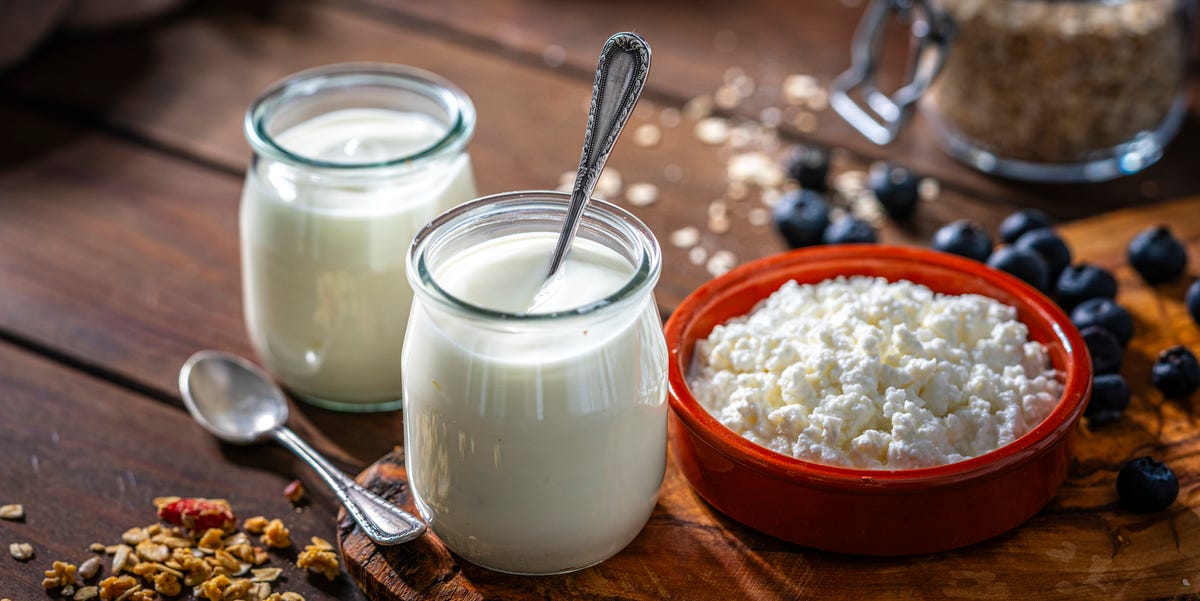
| Protein | Wild-caught salmon, Greek yogurt, Tempeh, Lean grass-fed beef | Muscle repair, metabolic rate support, satiety |
| Fiber | Chia seeds, Brussels sprouts, Raspberries, Lentils | Glucose management, gut microbiome health, digestion |

The benefits of eating protein and fiber first extend beyond weight management. This sequencing helps maintain steady energy levels throughout the day, which is particularly beneficial for women dealing with the brain fog often associated with hormonal shifts.
Smart Recovery: Wearables and Biometric Monitoring
In our 40s and 50s, recovery becomes just as important as the workout itself. Our "stress bucket" fills up faster, and our ability to bounce back from high-intensity exercise slows down. This is where utilizing fitness trackers for recovery monitoring becomes a game-changer.
One of the most important metrics to watch is Heart Rate Variability (HRV). HRV measures the variation in time between each heartbeat and serves as a window into your autonomic nervous system. A high HRV suggests your body is resilient and ready for a hard workout, while a low HRV indicates you are stuck in a sympathetic (fight-or-flight) state and might need a rest day or light yoga instead.
Lifestyle choices also play a massive role in our sleep architecture. Alcohol, even a single glass of wine, can significantly lower HRV and disrupt REM sleep. Since muscle repair and growth happen while we sleep, protecting those hours is vital. If you are struggling with recovering from muscle fatigue in midlife, look at your evening habits first. Reducing alcohol and prioritizing a consistent sleep schedule can do more for your fitness than any supplement ever could.

Many of my clients find that using the best fitness trackers for recovery monitoring helps them give themselves "permission" to rest. It moves the conversation from "I'm being lazy" to "My body is currently repairing," which is a vital mindset shift for the high-achieving women I work with.
The Longevity Blueprint: Measuring Healthy Aging
When we look at the big picture, the goal of these midlife fitness tips is cognitive longevity and a longer healthspan. We aren't just training for the beach; we are training to be independent, sharp, and active in our 80s and 90s.
One of the strongest predictors of long-term health is cardiorespiratory fitness. Maintaining a high VO2 max as we age acts as a powerful buffer against chronic disease. However, this doesn't mean hours of steady-state cardio. Short bursts of high-intensity interval training (HIIT), balanced with plenty of zone 2 (easy) movement like walking, provide the best metabolic health outcomes.
Supplementation can also play a supporting role, but it should be the final piece of the puzzle. When looking at supplements like Omega-3s or creatine—which is highly effective for both muscle and brain health in postmenopausal women—always look for third-party certifications like NSF or Eurofins. These certifications ensure the product contains what it says it does, without harmful contaminants.
Focusing on the Alternative Healthy Eating Index (AHEI) also provides a blueprint for what to put on your plate. This dietary pattern emphasizes whole grains, polyunsaturated fats, and limited red meat, which has been shown to improve the odds of aging without major chronic diseases.
FAQ
How can I get fit in my 40s and 50s?
Getting fit in midlife requires a transition from high-volume, repetitive cardio to a focus on resistance training and metabolic health. Start by incorporating strength training twice a week, focusing on compound movements, and prioritizing protein intake to support muscle repair. Consistency and listening to your body’s recovery signals are more important than intensity at this stage.
What is the best type of exercise for middle-aged adults?
The gold standard is a combination of progressive resistance training to maintain muscle mass and bone density, paired with functional mobility work like yoga or Pilates. Additionally, maintaining cardiorespiratory fitness through a mix of low-intensity walking and occasional high-intensity intervals provides the best protection against chronic disease and cognitive decline.
Is it possible to build muscle after age 45?
Absolutely. While hormonal shifts like declining estrogen make muscle maintenance more challenging, the body remains responsive to resistance training. By lifting heavier weights (6-12 reps to near failure) and ensuring you consume adequate protein (25-35g per meal), you can trigger muscle protein synthesis and successfully build lean mass well into your 50s and beyond.
What are the most important fitness tips for women over 40?
The most critical tips involve shifting your mindset toward preservation and recovery. Prioritize strength training over excessive cardio, sequence your meals to manage insulin sensitivity, and use biometric data like HRV to guide your workout intensity. Protecting your sleep architecture and reducing inflammatory triggers like alcohol are also essential for seeing results.
How much protein do I need for fitness in my 50s?
In your 50s, your body becomes less efficient at processing protein, a phenomenon known as anabolic resistance. To overcome this, aim for 1.2 to 1.5 grams of protein per kilogram of body weight daily. Distributed throughout the day, this usually looks like 25-35g of high-quality protein at each meal to maximize muscle repair and satiety.