
Quick Facts
- Primary Goal: Stabilize the circadian rhythm to establish better sleep habits.
- Ideal Temperature: Keep your bedroom between 60–67°F (15–19°C) to support the deep sleep cycle.
- Screen Buffer: Disconnect from electronic devices 60–90 minutes before bed to protect melatonin production.
- The 6-Minute Rule: Engaging in light reading for just six minutes can reduce stress levels by 50%.
- Consistency: Maintain the same sleep-wake schedule even on weekends to balance hormones and cognitive function.
- Restorative Focus: Prioritize seven to nine hours of rest to support immune health and metabolic function.
Effective sleep hygiene centers on consistency and environmental control. Establish a regular sleep-wake schedule, even on weekends, to stabilize your circadian rhythm and hormonal balance. Ensure your bedroom is dark, quiet, and cool, ideally between 60–67°F (15–19°C). Using blackout curtains and white noise machines can further minimize disruptions, while a supportive mattress tailored to your sleeping position improves physical comfort.
Optimized Sleep Infrastructure: Environment First
When we talk about sleep hygiene, we often jump straight to habits, but the physical environment is the silent foundation of every good night. Our bodies are deeply biological machines that respond to sensory cues. If your bedroom is too bright, too loud, or too warm, your brain remains in a state of low-level alertness, preventing you from entering the deep, restorative phases of the sleep-wake cycle.
Control over light is perhaps the most significant environmental factor. Our internal clocks are governed by the presence or absence of light. Implementing effective light blocking strategies for better sleep hygiene is not just about turning off the lamps; it involves managing the ambient light that seeps in from streetlights or electronic standby lights. High-quality blackout curtains are an essential investment for anyone living in an urban environment. By creating a cave-like atmosphere, you signal to your brain that it is safe to begin melatonin production.
Temperature follows closely behind light as a primary driver of sleep quality. The ideal bedroom temperature for deep sleep cycle is surprisingly cool, generally between 60–67°F. Our core body temperature needs to drop slightly to initiate sleep. If the room is too hot, the body struggles to shed that heat, leading to restlessness and fragmented REM cycle stages.
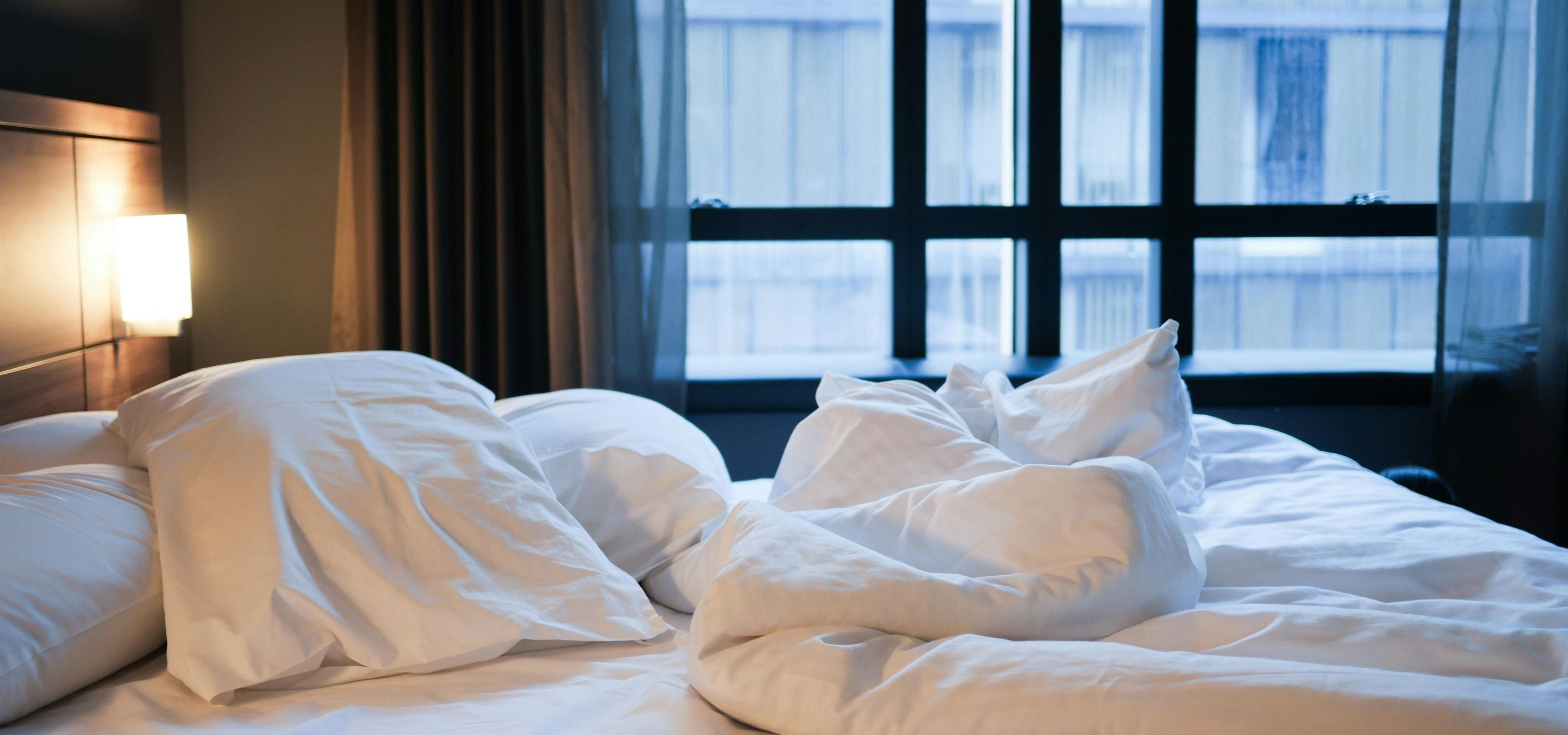
Sound management is the final pillar of sleep environment optimization. While some people prefer total silence, others find that a white noise machine provides a consistent auditory blanket that masks sudden disruptive sounds like a car horn or a neighbor’s footsteps. This sensory control allows the nervous system to shift from a state of vigilance to one of relaxation.
Building Your Low-Stimulation Bedtime Routine
A successful bedtime routine emphasizes low-stimulation activities that signal the body to prepare for rest. Many of us treat sleep like a light switch—we expect to flip it and be out. In reality, sleep is more like a slow-moving train that needs time to decelerate. This is where bedtime routine recommendations become vital. We suggest a phased wind-down that begins at least an hour before you intend to be asleep.
One of the most effective low stimulation bedtime routine ideas for adults is the 6-minute reading rule. Research has shown that reading for just six minutes can lower heart rates and ease muscle tension, reducing stress by up to 50%. This is significantly more effective than scrolling through social media, which provides a constant stream of new information that keeps the brain engaged and alert.

Dietary choices also play a supportive role in your evening transition. While heavy, spicy, or sugary meals can cause indigestion and keep you awake, there are specific best foods to eat for better sleep quality. Incorporating small amounts of tart cherries, which are a natural source of melatonin, or walnuts, which contain sleep-regulating compounds, can provide a gentle nudge to your internal clock. Avoid caffeine after mid-afternoon and limit alcohol, which may help you fall asleep faster but significantly degrades the quality of your REM cycle and restorative rest later in the night.
Technique-based relaxation is another cornerstone of a modern routine. Incorporating evening mindfulness or gentle stretching can help release the physical tension of the day. A warm bath or shower about 90 minutes before bed can also be highly effective. The temporary rise and then rapid drop in body temperature after leaving the bath mimics the natural cooling process the body needs to enter sleep.
Professional & Biological Customization
Achieving better sleep habits requires a personalized approach that accounts for your career demands and your biological makeup. According to 2024 CDC survey data, 30.5% of U.S. adults report sleeping less than the recommended seven hours per night. For many, this is not a choice but a result of high-pressure work schedules and the "always-on" nature of modern professional life.
For those with demanding careers, simple sleep hygiene habits for busy professionals are the most sustainable. One such habit is the 5-minute psychological offload. By writing down a to-do list for the following day or journaling about the day's stressors, you "park" those thoughts on paper rather than carrying them into your dreams. This reduces sleep-related stress and prevents the mind from racing as soon as your head hits the pillow.
It is also important to consider optimizing sleep hygiene based on your chronotype. Are you a natural early bird or a night owl? Forcing yourself into a generic 10:00 PM to 6:00 AM schedule might actually be counterproductive if your biology is wired differently. While most professionals have to adhere to standard work hours, adjusting your peak light exposure and wind-down times to match your internal rhythm can improve your overall cognitive function and mood regulation.
The National Sleep Foundation recommends that adults between the ages of 18 and 64 should get seven to nine hours of sleep per night to maintain optimal mental and physical health. However, data from the National Center for Health Statistics indicates that only 54.8% of Americans wake up feeling well-rested on most days or every day. This gap between the sleep we need and the rest we actually feel highlights the importance of moving beyond passive tracking to active hygiene management.
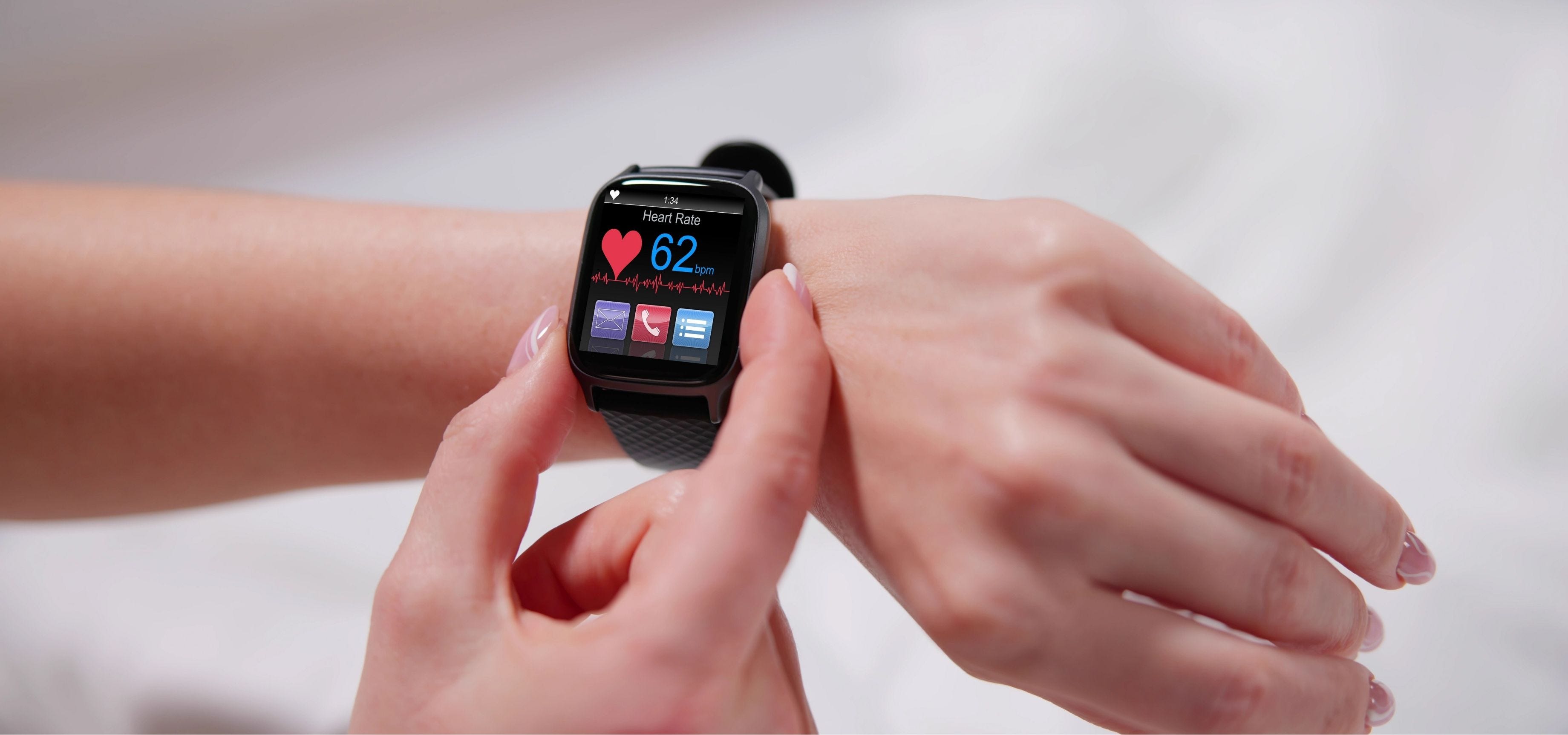
We must also be careful not to fall into the trap of orthosomnia—the obsessive pursuit of perfect sleep. If your sleep tracker shows you didn't hit 100% "sleep score," don't let it cause anxiety. Prioritizing restorative rest over rigid perfection is the most healthy approach. Focus on the consistency of your routine rather than the exact minute-by-minute metrics.

Troubleshooting: The 10-Minute Reset Rule
Even with the best sleep hygiene, there will be nights when sleep remains elusive. The way you handle these moments determines whether a single bad night turns into a week-long struggle. One of the most important aspects of better sleep habits is knowing when to stop trying.
If you find yourself lying awake for more than 20 minutes, feeling increasingly frustrated or anxious, we recommend the 10-minute reset. Leave your bed and go to another room with dim lighting. Engage in a very low-stimulation activity, like folding laundry or a brief session of relaxation techniques, until you feel the physical wave of sleepiness return. The goal is to prevent your brain from forming a negative psychological association between your bed and the state of being wide awake and stressed.
Avoid common pitfalls during these wakeful periods. Do not check your phone or turn on bright overhead lights. Both actions will trigger a blue light filter response in reverse, suppressing melatonin production and signaling to your brain that it is time to wake up for the day. Once you feel that familiar heaviness in your eyes, return to bed and allow the natural sleep-wake cycle to take over.
FAQ
What is the definition of sleep hygiene?
Sleep hygiene refers to the set of behavioral and environmental practices designed to promote regular, high-quality sleep. It encompasses everything from the consistency of your bedtime to the physical conditions of your bedroom, all aimed at supporting the body's natural circadian rhythm.
How can I improve my sleep hygiene?
You can improve your sleep hygiene by establishing a consistent sleep-wake schedule, optimizing your bedroom environment for darkness and coolness, and creating a wind-down routine that excludes electronic devices. Small, sustainable changes like using a white noise machine or dimming lights an hour before bed can have a significant impact.
What are the 4 rules of sleep hygiene?
While many experts have different variations, the four fundamental pillars are: 1) Consistency in your sleep and wake times; 2) Environmental control (cool, dark, and quiet); 3) Avoiding stimulants like caffeine and blue light near bedtime; and 4) Using the bed only for sleep and intimacy to maintain a strong psychological association with rest.
What should I avoid before bed for better sleep?
Avoid high-intensity exercise, heavy or spicy meals, and large amounts of alcohol, which can disrupt sleep architecture. Most importantly, avoid screen time from smartphones and tablets, as the blue light emitted can interfere with the brain's ability to produce melatonin.
How does screen time affect sleep hygiene?
Screen time affects sleep hygiene by exposing the eyes to blue light, which tricks the brain into thinking it is still daytime. This suppresses the natural release of melatonin and increases alertness, making it much harder to fall asleep and reducing the overall quality of restorative rest.