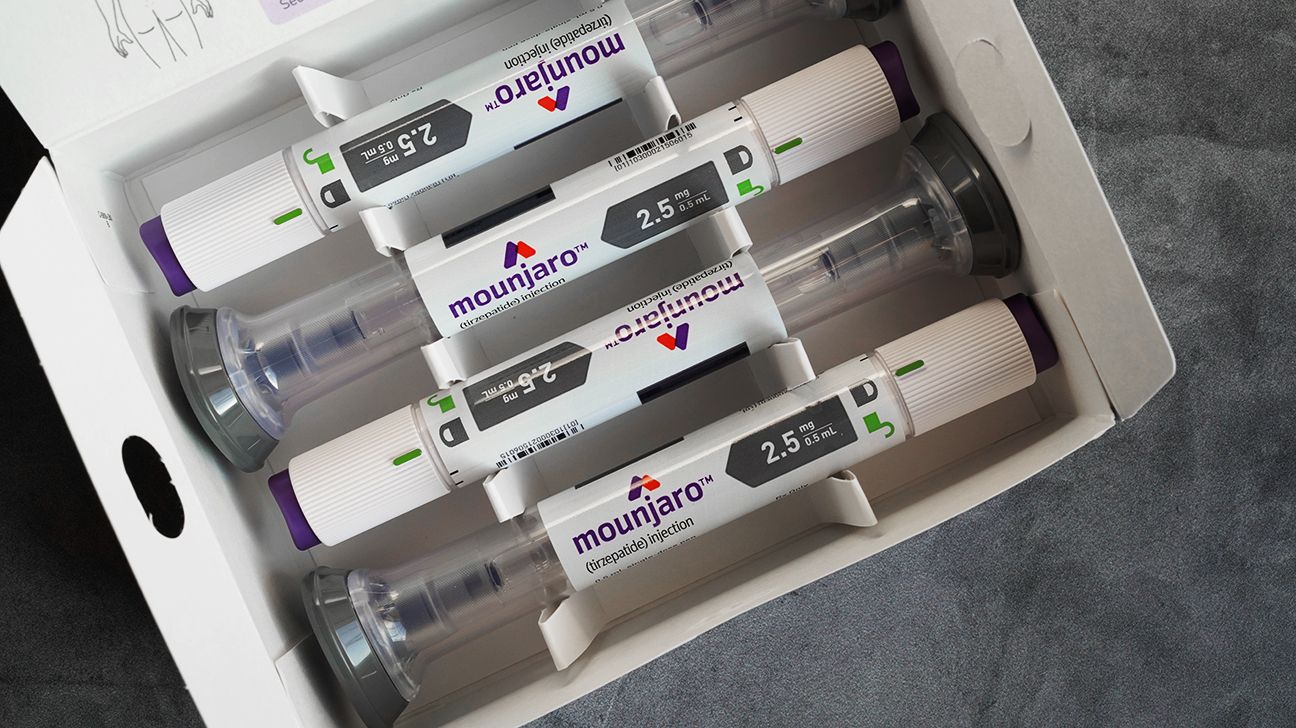
FLASH UPDATE: MAY 2026 The U.S. Food and Drug Administration (FDA) has officially removed tirzepatide from the drug shortage list. All doses of Mounjaro are now categorized as available nationwide. Patients transitioning back to brand-name medication should consult their providers regarding titration schedules.
Quick Facts
- Status: Mounjaro shortage officially resolved as of March 2026.
- Doses Available: Full supply of 2.5mg, 5mg, 7.5mg, 10mg, 12.5mg, and 15mg strengths.
- Primary Action: Patients should transition from compounded alternatives to brand-name Mounjaro for verified safety.
- Price: The list price remains approximately $1,100, though Eli Lilly savings cards can reduce costs to $25 for eligible patients.
- Manufacturing: Over $16 billion committed to new production sites in the U.S. and Europe.
- Safety Alert: Exercise caution regarding counterfeit products; verify batch numbers with your pharmacist.
As of May 2026, the FDA has resolved the tirzepatide shortage, and Mounjaro availability has returned to normal across all dosage strengths from 2.5 mg to 15 mg. While localized supply fluctuations may still occur at individual pharmacies, the systemic disruptions previously impacting type 2 diabetes management have been addressed through expanded manufacturing and supply chain stabilization.
Mounjaro Availability: 2026 Shortage Resolved
For millions of individuals living with type 2 diabetes, the past few years have been a exercise in patience and resilience. The persistent gaps in Mounjaro availability forced many to navigate stressful gaps in their treatment or seek out less-regulated alternatives. However, as we move through 2026, the landscape of metabolic health management has reached a new era of stability.
The resolution of this supply crisis is the result of a massive industrial scale-up. Eli Lilly has committed more than $16 billion to develop new production sites in the United States and Europe to expand manufacturing capacity for its incretin medications. This includes a $9 billion total commitment for its facility in Lebanon, Indiana, which has become a cornerstone of the global supply chain. This Eli Lilly manufacturing surge ensures that the tirzepatide molecule—a powerful GLP-1 receptor agonist—can now be produced at a volume that meets the high global demand.
While the national shortage has ended, the FDA cautioned that patients and healthcare providers may still experience intermittent localized supply disruptions. These are typically not indicative of a lack of medication but rather the logistical time it takes for products to move through the distribution chain to local pharmacies. If your local pharmacist reports a delay, I recommend using the FDA drug shortage database for Mounjaro to verify the national status and confirm that the issue is indeed localized.
Dosage Matrix: Finding Mounjaro 2.5mg to 15mg
Throughout the shortage, certain doses—particularly the higher strengths used for long-term maintenance—were notoriously difficult to find. As of now, the supply chain stabilization has reached all rungs of the dosage ladder. For many, finding Mounjaro 15 mg dose at local pharmacies was the final hurdle, but these high-concentration pens are now arriving at retailers with the same frequency as the 2.5mg starter doses.
| Dosage Strength | Availability Status (May 2026) | Primary Use Case |
|---|---|---|
| 2.5 mg | Fully Available | Initial titration / Starter dose |
| 5 mg | Fully Available | Maintenance / Step-up |
| 7.5 mg | Fully Available | Maintenance / Step-up |
| 10 mg | Fully Available | Therapeutic maintenance |
| 12.5 mg | Fully Available | Advanced maintenance |
| 15 mg | Fully Available | Maximum therapeutic dose |
Maintaining therapeutic continuity is essential for the management of glycemic control. If you have been waiting to step up your dose according to your dosage titration schedule, the current stock levels should allow for a seamless transition. For those on the highest doses who still face minor delays, checking with a mail-order pharmacy or a large hospital-affiliated pharmacy can often yield quicker results than smaller independent shops.
Managing Mounjaro Prescription Refills and Treatment Consistency
From a preventive care perspective, medication adherence is the bedrock of chronic disease management. When Mounjaro prescription refills were uncertain, it created a "yo-yo" effect on blood sugar levels, which is detrimental to long-term metabolic health. Now that supply has stabilized, the focus shifts back to creating a routine that ensures Mounjaro treatment consistency.
To avoid any localized hiccups, I advise my readers to coordinate Mounjaro refills for better treatment consistency by contacting their pharmacy at least five to seven days before their current supply is exhausted. This buffer allows the pharmacist to order stock if it isn't currently on the shelf.
If you have experienced a significant gap in your therapy, you must discuss how to restart Mounjaro after treatment interruption with your physician. Depending on how long you were without the medication, your doctor might suggest restarting at a lower dose to mitigate gastrointestinal side effects, rather than jumping straight back into a 15mg regimen. This gradual re-introduction helps your body re-adjust to the tirzepatide molecule safely.
Editor’s Note: Consistency isn't just about the medication; it’s about the routine. Pairing your weekly injection with a specific "self-care Sunday" ritual can help reinforce the habit and keep your wellness goals front and center.
Transitioning from Compounded Tirzepatide back to Brand Name
During the lean years of the shortage, many patients turned to compounded versions of tirzepatide. While compounding pharmacies filled a desperate void, they do not undergo the same rigorous FDA pre-market review as brand-name Mounjaro. Now that Mounjaro availability is restored, clinical guidelines strongly suggest switching from compounded tirzepatide to brand name Mounjaro.
This transition is about more than just a brand name; it is about safety, potency, and the precision of the delivery device. The FDA-approved pens are designed for precise subcutaneous injection, ensuring you receive the exact intended dose every time. When you make the switch, work closely with your healthcare provider to verify your current dosage titration schedule. It is not always a one-to-one swap, as the bioavailability or concentration in compounded versions can vary. Ensuring you are back on the official Eli Lilly product is a vital step toward long-term type 2 diabetes management and metabolic stability.
Navigating Mounjaro Insurance Coverage in 2026
As we move into the middle of 2026, insurance landscapes continue to shift. While Mounjaro availability has improved, the administrative hurdles of Mounjaro insurance coverage remain. Many pharmacy benefit managers have updated their formularies for the 2026 fiscal year, and some may require updated clinical documentation.
To ensure your access remains uninterrupted, consider these Mounjaro insurance coverage and prior authorization tips 2026:
- Verify Prior Authorization: Even if you have been on the medication for years, your insurer may require a new prior authorization now that the shortage is over.
- Utilize Patient Access Programs: Eli Lilly continues to offer savings cards that can bring out-of-pocket costs down to $25 for those with commercial insurance.
- Review Mail-Order Options: Many insurers offer lower co-pays and more consistent shipping for 90-day supplies through their preferred mail-order partners.
- Clarify Type 2 Diabetes Documentation: Ensure your medical records clearly state your type 2 diabetes diagnosis, as this remains the primary criteria for Mounjaro coverage compared to its weight-loss counterpart, Zepbound.
Navigating these financial barriers is just as important as finding a pharmacy with stock. If you encounter a "denial of coverage," do not be discouraged. Most denials can be successfully appealed with the help of your doctor’s office and the correct diagnostic codes.
Safety Warning: Counterfeits and Adverse Effects
With the high demand for GLP-1 medications, the market has unfortunately seen an uptick in counterfeit products. As a preventive care specialist, I cannot stress enough the importance of sourcing your medication through reputable, licensed pharmacies.
Be particularly vigilant about batch numbers. There have been reports of counterfeit pens circulating under batch D873576. Authentic Mounjaro pens have specific security features, including a unique serial number and a tamper-evident seal. If the packaging looks suspicious or the price seems "too good to be true," report it to the FDA MedWatch program immediately.
Beyond the risks of counterfeits, it is important to maintain an open dialogue with your doctor about potential side effects. While Mounjaro is generally well-tolerated for chronic disease management, patients should be aware of rare but serious risks, such as pancreatitis or changes in vision (NAION). Monitoring your body's response is a key part of your long-term wellness strategy.
FAQ
Is there currently a shortage of Mounjaro?
As of May 2026, the FDA has officially declared that the tirzepatide shortage is resolved. While individual pharmacies may experience short-term delays due to shipping schedules, there is no longer a systemic shortage of the medication in the United States.
When will Mounjaro be back in stock at pharmacies?
Mounjaro is currently back in stock at most major retail and specialty pharmacies. Because Eli Lilly has expanded its manufacturing capacity with multibillion-dollar investments in Indiana and Europe, the distribution pipeline is now stable and capable of meeting patient demand.
How can I check Mounjaro availability near me?
The best way to check local availability is to call your pharmacy directly or use their mobile app. Additionally, the FDA drug shortage database for Mounjaro provides real-time updates on the national supply status, which can help you determine if a delay is local or widespread.
Which dosages of Mounjaro are hardest to find?
During the height of the shortage, the 12.5 mg and 15 mg doses were the most difficult to secure. However, as of early 2026, these higher strengths have stabilized. Currently, all dosages from 2.5 mg to 15 mg are reported as available by the manufacturer and the FDA.
Are there alternatives to Mounjaro during a shortage?
While the shortage is now resolved, patients previously looked to other GLP-1 receptor agonists or compounded versions. Now that supply is consistent, the medical community recommends using the brand-name FDA-approved Mounjaro to ensure medication adherence and safety.
Next Steps for Consistent Access
The end of the Mounjaro shortage marks a turning point for everyone who has struggled with the uncertainty of their diabetes care. We are no longer in a phase of "searching" for medication; we are back in a phase of "managing" our health.
To maintain your progress, your action plan should include a conversation with your healthcare provider to confirm your long-term titration goals. Ensure your refills are scheduled well in advance, and take the time to review your insurance benefits for the remainder of 2026. By combining the stability of the tirzepatide supply chain with a proactive self-care routine, you can focus on what truly matters: your long-term health and vitality.
If you are currently transitioning back to brand-name treatment, stay patient with your body as it adjusts. The path to metabolic health is a marathon, not a sprint, and having consistent access to your medication is the support system you deserve.