Quick Facts
- Immediate Relief: The most effective way to halt a spasm is to gently stretch the muscle in the opposite direction of the contraction.
- Direct Intervention: For a calf cramp, pull your toes upward toward your shin immediately to engage dorsiflexion and force the muscle to release.
- Prevalence: It is estimated that 50% to 60% of healthy adults experience muscle cramps, with the calf being the most common site.
- The Thermal Rule: Use heat to relax an active spasm; use cold packs only to soothe the muscle once the initial cramp has subsided.
- Nighttime Strategy: A nightly stretching routine can significantly reduce the frequency and severity of cramps that disrupt sleep.
- Red Flags: Seek medical attention if a cramp is accompanied by unilateral swelling, redness, or skin that feels warm to the touch.
To achieve immediate muscle cramp relief, especially for a calf charley horse, gently stretch the muscle by pulling your toes upward toward your shin. Standing and pressing your heel into the floor or taking a short walk can also help the muscle relax. Applying heat with a warm towel or heating pad is effective for loosening the contraction, while firm but gentle massage improves circulation to the affected area.
Few things are as jarring as the sudden, agonizing grip of a charley horse. Whether it strikes in the middle of a peaceful night or during your afternoon jog, these involuntary muscle contractions feel like the muscle is tying itself into an impossible knot. As an editor focused on preventive care, I believe understanding why these spasms occur is just as important as knowing how to stop them. Most muscle cramps are harmless, yet they are physically taxing. In fact, research indicates that muscle cramps contribute to sleep disturbances for approximately 55% of individuals who experience them regularly. By mastering a few physical maneuvers and adjusting your daily routines, you can reclaim your comfort and ensure these painful interruptions become a thing of the past.
How to Stop a Charley Horse Immediately: Physical Maneuvers
When a cramp strikes, your immediate goal is to override the signal your nerves are sending to the muscle. The fastest way to achieve muscle cramp relief is to perform a controlled, steady stretch. If the cramp is in your calf—the most frequent location for a charley horse—sit down on the floor or your bed with your legs extended. Reach for your foot and pull the top of your toes back toward your shin. This movement, known as dorsiflexion, manually lengthens the calf muscle, which is currently stuck in a shortened, contracted state.
If you are able to stand, the wall stretch is an excellent alternative. Stand about two feet away from a wall and lean forward, placing your hands flat against it. Keep the affected leg straight with your heel firmly pressed into the floor. This use of body weight provides a deeper stretch that can stop leg cramps fast by forcing the muscle fibers to align. For those wondering how to stop a charley horse in the calf immediately while standing, simply taking a few slow, deliberate steps can also help. Walking shifts your weight and uses the opposing muscles, which can signal the cramped muscle to let go.
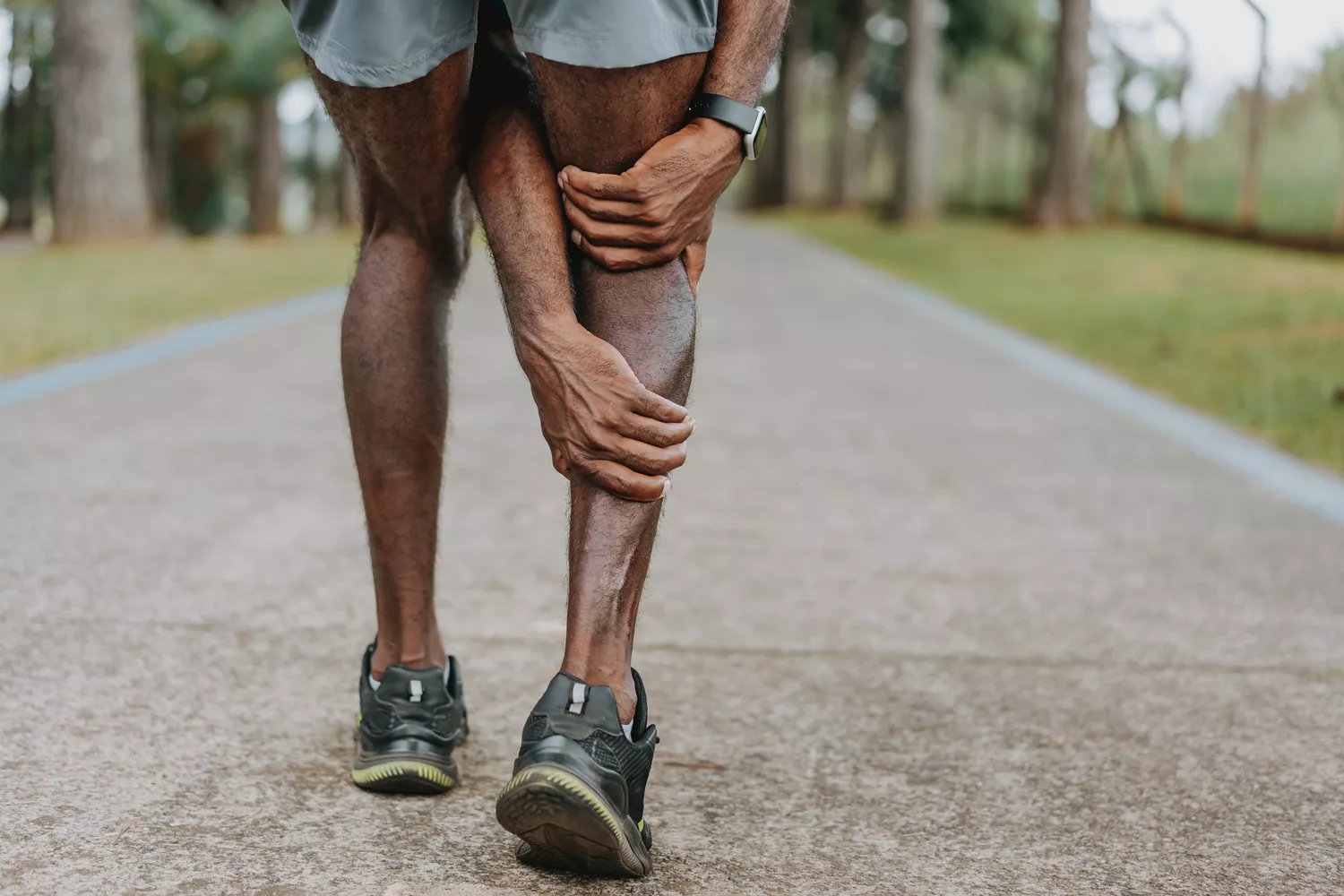
When the cramp is in the hamstring (the back of the thigh) or the quadriceps (the front of the thigh), the approach shifts slightly. For a hamstring cramp, sit and reach for your ankles, keeping your back straight. For a quad cramp, use a chair or wall for balance, reach back to grab your ankle, and pull your heel toward your glutes. The key in all these stretches for muscle cramps is to avoid sudden, jerky movements, which can actually cause the muscle to seize up further. Hold the position for at least 30 seconds, breathing deeply to encourage relaxation.
Home Remedies: Heat, Ice, and Massage
While stretching is the first line of defense, thermal therapy and physical manipulation play a vital role in recovery. Many people are unsure about applying heat or cold for muscle cramp relief, but the rule is quite simple: heat for the spasm, cold for the aftermath.
A warm compress or a heating pad is your best friend during an active contraction. The warmth increases blood flow and helps the tight fibers relax. You can also take a warm shower or bath, letting the water hit the affected area directly. If you find yourself prone to these episodes, keeping a microwaveable heat wrap nearby can provide a quick solution.
Once the intense pain of the cramp has passed, you may be left with a lingering dull ache or tenderness. This is where a cold pack becomes useful. Applying ice for 15 to 20 minutes can reduce inflammation in the muscle tissue that was just under extreme stress.
| Therapy Type | When to Use | Primary Benefit |
|---|---|---|
| Heat | During the active cramp or immediately after | Relaxes muscle fibers and increases circulation |
| Massage | During and after the cramp | Breaks up the "knot" and improves blood flow |
| Cold | 15-20 minutes after the cramp has ended | Reduces post-cramp soreness and inflammation |
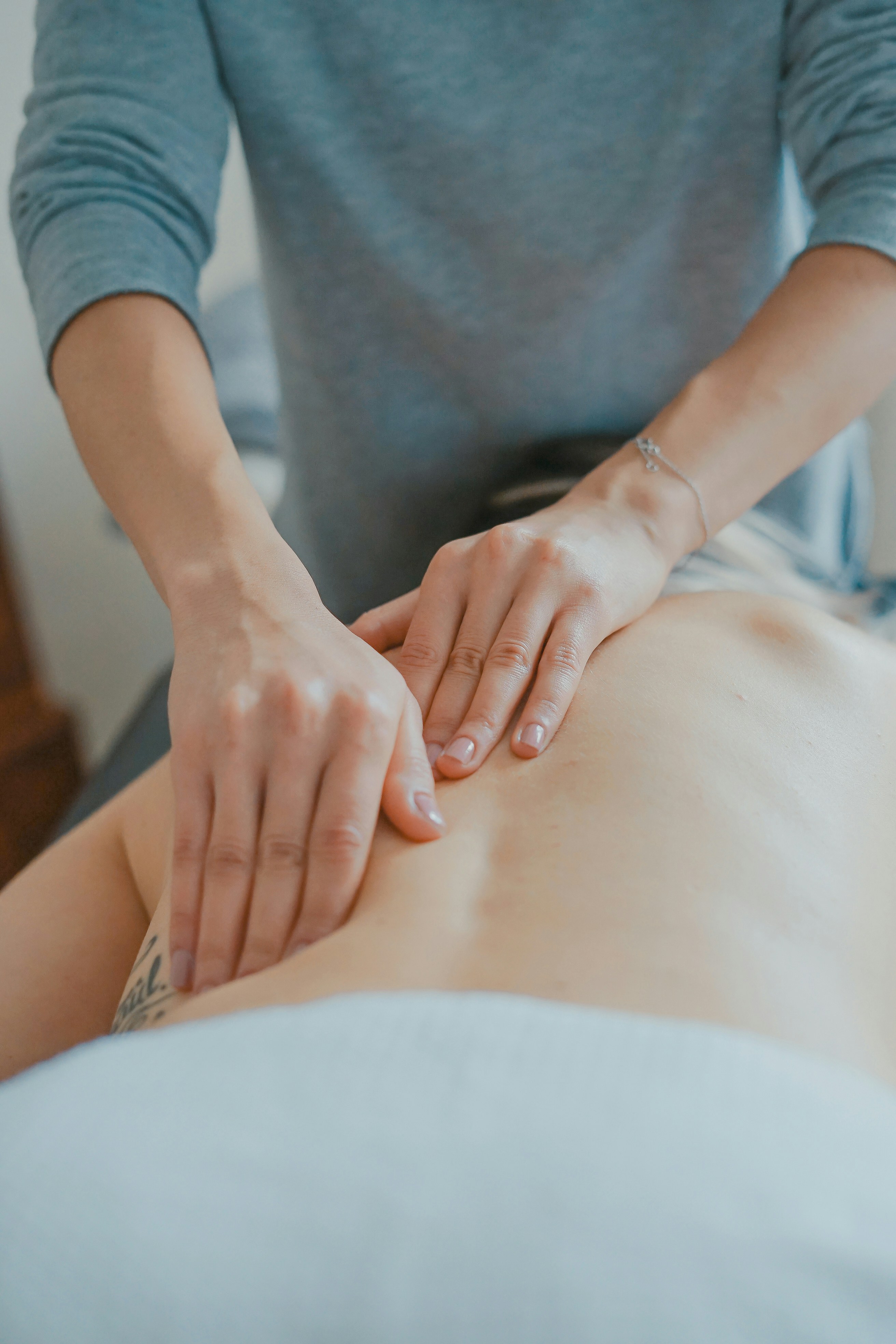
Massage is another powerful tool among home remedies for charley horse. Use your thumbs or the heel of your hand to apply firm but gentle pressure to the center of the cramp. Use circular motions to encourage circulation and help the muscle "melt" back into its relaxed state. If the area is too painful to touch directly, try massaging the muscles surrounding the cramp first to gradually ease the tension.
Preventing Nighttime Leg Cramps and Chronic Spasms
Nocturnal leg cramps are a specific frustration, often waking sleepers with a jolt of pain. This is particularly common among older adults and during pregnancy. In a clinical study of adults over age 55, a nightly pre-sleep stretching routine of the calf and hamstring muscles significantly reduced the frequency and severity of these episodes.
For those seeking safe muscle cramp relief during pregnancy, focusing on gentle movement is key. The added weight and changes in circulation can put extra pressure on leg muscles. Incorporating best bedtime stretches for nighttime leg cramps into your evening wind-down can make a world of difference. Try a simple calf stretch against the edge of a step or use a yoga strap to gently flex your feet while lying in bed.
Sleep hygiene also plays a role. If you sleep with your toes pointed down (plantar flexion), you are essentially pre-contracting your calf muscles, making them more likely to snap into a cramp. Try to keep your sheets loose at the foot of the bed so your feet can rest in a neutral position. For home remedies for chronic charley horses in seniors, consider wearing supportive footwear during the day and ensuring your legs are elevated periodically to prevent fluid buildup, which can contribute to nighttime discomfort.

Nutrition and Hydration: Solving the Root Cause
If you find yourself frequently reaching for muscle cramp relief, it is time to look at your internal environment. Your muscles rely on a delicate balance of minerals to contract and relax properly. An electrolyte imbalance, particularly a magnesium deficiency or low levels of potassium and calcium, can make your muscle spindles hyper-excitable.
Hydration status is the first pillar of prevention. When you are dehydrated, the fluid surrounding your cells shrinks, causing nerve endings to become squeezed and irritated. So, how much water to drink to stop muscle cramps? While the "eight glasses a day" rule is a starting point, you should aim for enough water so that your urine is consistently pale yellow. If you are active or live in a hot climate, you may need more to offset mineral depletion through sweat.
Focusing on electrolyte-rich foods for muscle cramp prevention is a holistic way to support your nervous system. Consider adding these to your daily meals:
- Potassium-rich foods: Bananas, sweet potatoes, avocados, and white beans.
- Magnesium sources: Spinach, kale, pumpkin seeds, almonds, and dark chocolate.
- Calcium-rich options: Greek yogurt, sardines, and fortified plant milks.
A "Pro-Tip" for those who exercise frequently: Don't just drink plain water. Including coconut water or a pinch of sea salt in your water can help maintain the sodium-potassium pump that keeps your muscles functioning smoothly.
Safety Triage: When Is a Cramp a Medical Emergency?
While most charley horses are simply a temporary nuisance, it is vital to know the warning signs of serious leg cramps vs charley horses. A standard cramp should resolve within minutes with stretching and heat. However, some symptoms suggest a more serious vascular or neurological issue.
You should be aware of Deep vein thrombosis (DVT), which is a blood clot in the leg. DVT can mimic the pain of a cramp but requires immediate medical intervention. Check for the following red flags:
- Swelling in only one leg.
- Redness or visible discoloration of the skin.
- The affected area feels significantly warmer than the rest of your body.
- Persistent pain that does not improve with stretching.
- Numbness or profound muscle weakness.
Additionally, some medications can increase the frequency of spasms. Statins (for cholesterol), diuretics (for blood pressure), and certain asthma medications are known to trigger cramps in some patients. If you recently started a new prescription and noticed an uptick in spasms, consult your healthcare professional. Also, be wary of older remedies like quinine; while once common, it is no longer recommended for routine muscle cramp relief due to potential side effects. Nerve compression, such as sciatica, can also cause cramp-like sensations that may require physical therapy rather than just simple home stretches.
FAQ
What is the fastest way to relieve a muscle cramp?
The fastest way to get relief is to immediately stretch the affected muscle. For the most common calf cramp, pull your toes toward your shin or stand and press your heel into the floor. This manual lengthening of the muscle fibers forces the involuntary contraction to break.
How do you stop leg cramps at night?
To stop leg cramps at night, perform a five-minute stretching routine focusing on your calves and hamstrings right before getting into bed. Additionally, ensure you are staying hydrated throughout the day and avoid sleeping with your toes pointed downward, which can trigger a spasm.
When should you worry about muscle cramps?
You should consult a doctor if your cramps are exceptionally frequent, severe, or do not respond to stretching. Seek emergency care if the cramp is accompanied by swelling, redness, or heat in the leg, as these could be signs of a blood clot rather than a simple muscle spasm.
Does magnesium help with muscle cramp relief?
Yes, magnesium plays a crucial role in neuromuscular transmission and muscle relaxation. Many people find that addressing a magnesium deficiency through diet or supplements helps reduce the frequency of chronic cramps, though you should always consult a professional before starting new supplements.
Can stretching prevent recurring muscle cramps?
Consistent stretching is one of the most effective preventive measures. Regular flexibility exercises keep the muscle fibers supple and less reactive to the triggers that cause spasms. A dedicated daily routine is especially beneficial for those who experience regular nocturnal leg cramps.