
Quick Facts
- Recovery Speed: Taking electrolytes within a 30-minute post-exercise window can improve physiological recovery markers by up to 25% compared to delayed intake.
- The Goal: Replenish cellular hydration and neuromuscular signaling to flush metabolic waste and restart ATP production.
- Cramp Prevention: Utilizing carbohydrate-electrolyte beverages can delay the onset of muscle cramps by more than double the time compared to training in a dehydrated state.
- Sleep and Repair: Athletes with optimal magnesium levels see 15% faster muscle recovery and 23% better sleep quality.
- Dosage: For standard training sessions, aim for 200-500mg sodium and 50-100mg magnesium per serving.
Electrolytes like sodium, potassium, and magnesium are essential for muscle recovery as they regulate cellular hydration and neuromuscular signaling. They facilitate the removal of metabolic waste and support ATP production, which is critical for repairing tissue and restoring energy levels after intense physical exertion.
The Physiology of Repair: How Electrolytes Drive Muscle Health
To understand muscle recovery electrolytes, we must look at what happens inside the muscle fiber after a high-intensity session. During exercise, your body loses fluid and minerals through sweat, but the real damage happens at the cellular level. Intracellular fluid balance is the primary driver of muscle health; without it, the body remains in a catabolic state, breaking down tissue rather than building it. Proper hydration maintains osmotic pressure, which is necessary to transport nutrients into the cell and move metabolic waste out.
When you finish a workout, your muscles are depleted of glycogen. Electrolytes act as the spark plugs for glycogen synthesis, allowing your body to store energy for the next session. Furthermore, the role of calcium in muscle recovery and contraction cannot be overstated. While we often think of calcium only for bone health, it is the primary mineral responsible for the mechanical bridge between muscle proteins. Without enough calcium and its partner, magnesium, the muscle cannot fully transition from a contracted state to a relaxed state, leading to involuntary spasms and delayed repair.
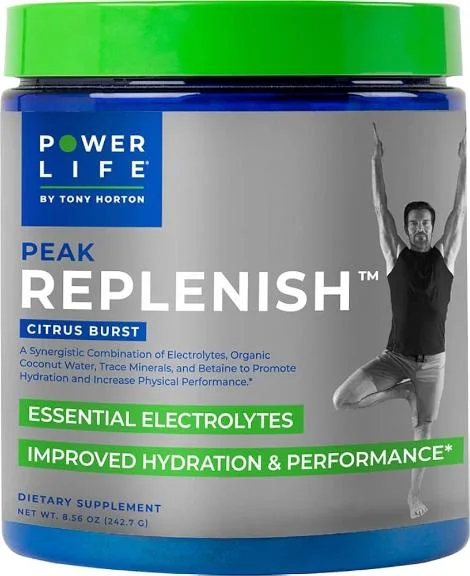
Effective recovery requires the efficient removal of lactic acid and other metabolic byproducts. By maintaining cellular hydration, electrolytes ensure that blood volume remains high enough to circulate these waste products to the liver and kidneys for processing. This internal flushing system is what separates an athlete who is sore for three days from one who is ready to go again in twenty-four hours.
The Mineral Trifecta: Magnesium, Sodium, and Potassium
If you want to optimize your performance, you must understand the specific functions of the big three minerals. Magnesium for muscle soreness is one of the most effective tools in an athlete's kit. It works as a natural calcium blocker, helping muscles relax after the intense contraction of a workout. However, not all forms are equal. When looking for the best magnesium supplements for muscle soreness and repair, prioritize Magnesium Glycinate or Citrate. These forms offer superior bioavailability, meaning your body can actually absorb and use the mineral rather than just passing it through your digestive system.
Sodium is the heavy lifter for fluid retention. It maintains osmotic pressure in the extracellular space, ensuring that the water you drink actually stays in your body rather than being immediately excreted. Potassium works in the opposite direction, maintaining intracellular fluid balance inside the cell. Together, they create the electrical gradient required for neuromuscular signaling. If this balance is off, your brain’s signals to your muscles become "noisy," resulting in poor coordination and increased injury risk.
Most active individuals require a 10-20% magnesium surplus compared to sedentary people. This is because magnesium is a co-factor in over 300 enzymatic reactions, including those that govern ATP production. When your micronutrient density is high, your muscles have the raw materials they need to knit fibers back together.
Optimal Timing: When to Use Electrolyte Replacement After Exercise
Timing is just as important as the minerals themselves. To maximize absorption, consider a 2-hour pre-workout window for magnesium intake. This ensures the mineral is present in the bloodstream when the high-intensity stress begins. During the workout, if you are training for more than 60 minutes, you should be sipping an isotonic solution to prevent the early signs of electrolyte imbalance during muscle recovery, such as dizziness or a sudden drop in power output.
The most critical period, however, is the 30-minute post-workout "Golden Window." This is when cellular membranes are most permeable and the body is screaming for resources to begin the repair process. Using electrolyte replacement after exercise during this window facilitates the rapid transition from catabolism to repair.
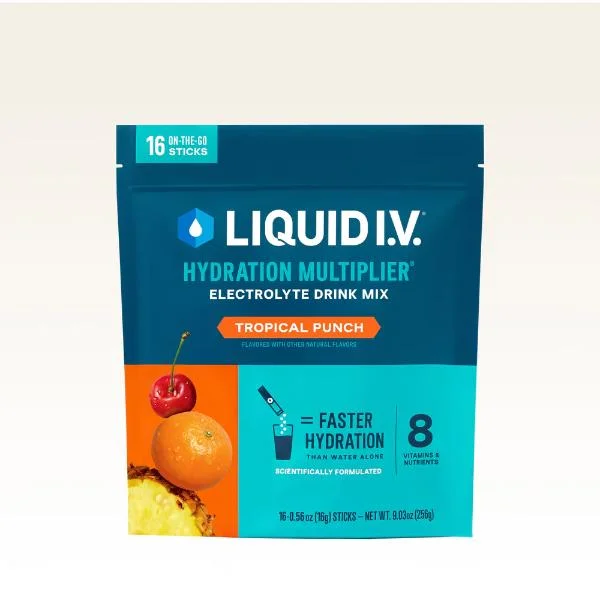
If you wait two or three hours to rehydrate, you have already lost the most productive phase of the recovery cycle. Consistent timing electrolyte intake for optimal muscle recovery ensures that your heart rate variability returns to baseline faster, signaling that your nervous system has shifted from "fight or flight" back to "rest and digest."
Dosage Matrix: Duration-Based Recovery Protocols
Different workouts demand different replenishment strategies. A 45-minute weightlifting session in an air-conditioned gym has different requirements than a two-hour trail run in the humidity. Use the following guide to tailor your intake:
| Session Duration | Sodium Goal | Magnesium Goal | Recommended Source |
|---|---|---|---|
| 45-90 Minutes | 200-500 mg | 50-70 mg | Water + Sugar-free mix |
| 90-150 Minutes | 500-800 mg | 70-100 mg | Isotonic drink (with carbs) |
| 150+ Minutes | 800-1200 mg | 100 mg+ | High-sodium concentrate |
For those focused on body composition or insulin sensitivity, sugar-free electrolytes for muscle hydration and endurance are the gold standard. They provide the necessary minerals without the blood sugar spike. However, for extreme endurance (over 2 hours), a small amount of glucose can actually assist in the transport of sodium across the intestinal wall.
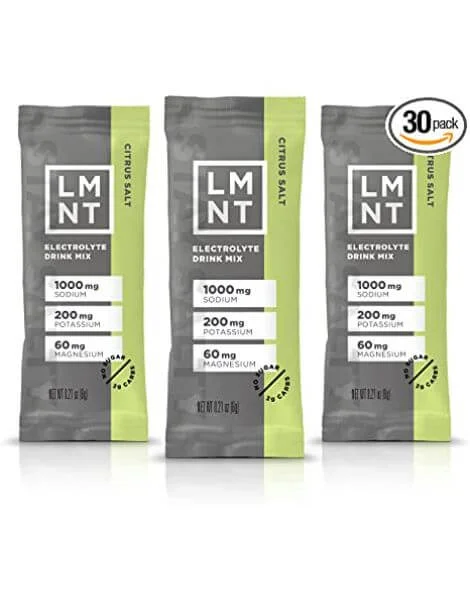
While supplements are convenient, don't ignore natural electrolyte sources for post-workout muscle health. Coconut water is an excellent source of potassium, while pumpkin seeds and dark leafy greens are packed with magnesium.
When choosing a product, keep an eye out for electrolytes for muscle cramps specifically. These usually have a higher sodium-to-potassium ratio to compensate for the high salt loss experienced by "salty sweaters." If you see white streaks on your gym clothes after a workout, you are likely losing more sodium than average and should adjust your dosage upward.
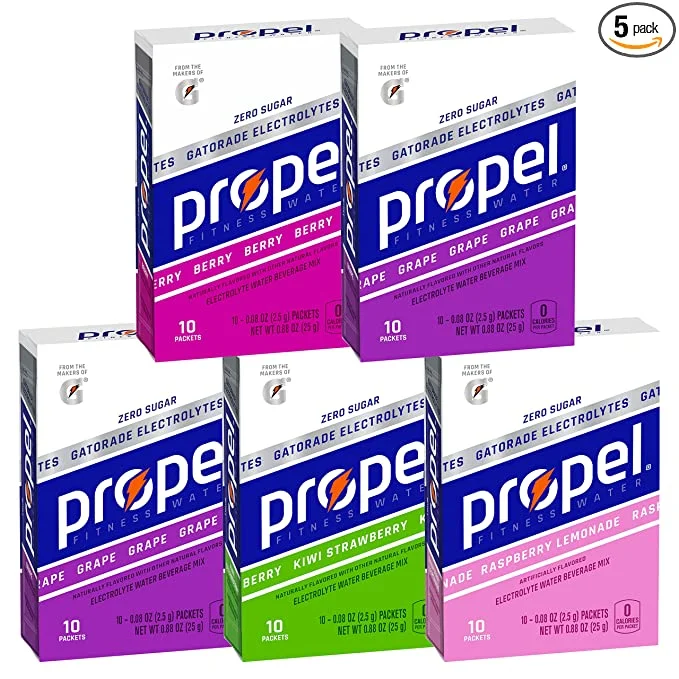
What to Look for in a Supplement:
- Chelated minerals (like Magnesium Glycinate) for better bioavailability.
- A minimum of 200mg of sodium per serving.
- No artificial colors or excessive fillers.
- Potassium levels around 100-200mg to balance the sodium.
FAQ
Do electrolytes help with muscle recovery?
Yes, electrolytes are vital for recovery as they manage cellular hydration and the transport of nutrients into damaged muscle tissue. By balancing fluids, they help the body flush out metabolic waste products like lactic acid and initiate the repair process.
Which electrolyte is best for muscle repair?
Magnesium is often considered the most important electrolyte for actual tissue repair and relaxation. It is a key factor in protein synthesis and ATP production. However, it must work alongside sodium and potassium to maintain the electrical balance required for muscle function.
How long does it take for electrolytes to help muscle soreness?
When taken within the 30-minute post-workout window, electrolytes can begin working immediately to rehydrate cells. While they won't stop soreness instantly, they can reduce the duration and intensity of Delayed Onset Muscle Soreness (DOMS) over the following 24 to 48 hours.
Should I take electrolytes before or after a workout for recovery?
For the best results, you should do both. Taking electrolytes before a workout ensures your muscles are primed and hydrated, while post-workout intake is essential for replacing what was lost through sweat and kickstarting the recovery phase.
Does drinking electrolytes prevent muscle cramps?
Research suggests that maintaining proper electrolyte balance can significantly delay or prevent exercise-associated muscle cramps. Sodium and magnesium are particularly important for preventing the neuromuscular "misfiring" that causes muscles to seize up during or after exertion.