Quick Facts
- Primary Use: Naloxone is for emergency overdose reversal, while naltrexone is for long-term recovery maintenance.
- Timing: Naloxone works within 2 to 3 minutes; naltrexone requires 7 to 10 days of opioid-free sobriety before the first dose.
- Duration: Naloxone effects last 30 to 90 minutes; naltrexone lasts 24 hours (oral) or up to 30 days (injectable).
- Medication Type: Both are classified as an opioid antagonist medication guide, but they serve different clinical stages.
- Survival Data: Research shows that approximately 93.5% of individuals survived an opioid overdose when naloxone was administered by emergency medical services.
- Accessibility: Naloxone is widely available over-the-counter or through standing orders; naltrexone requires a prescription and medical supervision.
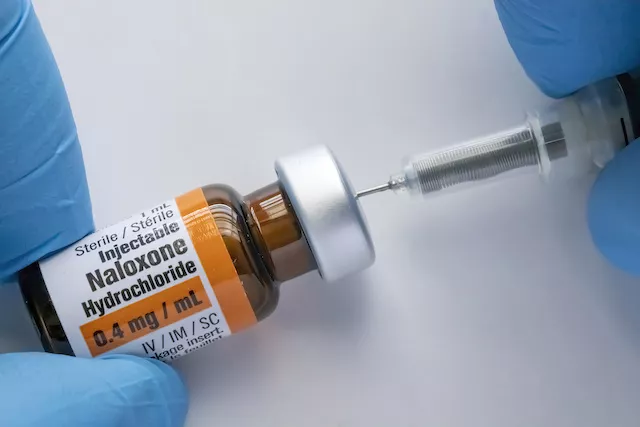
Naloxone vs. Naltrexone serves two distinct roles in the opioid crisis. Naloxone is for emergencies; naltrexone is for recovery. While both medications are part of a comprehensive opioid antagonist medication guide, they are not interchangeable: one saves a life in the moment of a crisis, while the other helps rebuild a life through relapse prevention.
The Life-Saving Difference: (Direct Answer)
When discussing Naloxone vs. Naltrexone, it is helpful to think of them as two different tools in a safety kit. Naloxone is a short-acting emergency medication used for immediate overdose reversal, while naltrexone is a long-acting medication used for maintenance and relapse prevention. Though they both interact with the Mu-opioid receptor in the brain, their timing and clinical goals are opposite. Naloxone is designed to knock opioids off the receptors to restore breathing during a life-threatening event. Naltrexone is designed to sit on those receptors long-term to ensure that if a person does use an opioid, they do not experience a high, thereby reducing the urge to use.
Understanding this distinction is not just a matter of medical terminology; it is a critical component of harm reduction. Using the wrong medication at the wrong time can have devastating consequences. For instance, naltrexone cannot stop an active overdose, and naloxone cannot provide the long-term craving suppression needed for sustained sobriety. By viewing these medications through a holistic lens, we can better appreciate how they work together within the continuum of care for Opioid Use Disorder (OUD).
Naloxone: The Emergency Rescue (The Paramedic)
In the world of preventive healthcare, naloxone is often referred to as the paramedic medication. Its sole purpose is to intervene during a crisis, specifically when someone is experiencing respiratory depression due to an opioid overdose. This medication, often known by the brand name Narcan, has a high affinity for the Mu-opioid receptor. It essentially acts like a stronger magnet, displacing the dangerous opioids and allowing the person to begin breathing again almost immediately.
Because its effects are powerful but temporary, lasting only 30 to 90 minutes, naloxone is considered a temporary bridge to professional medical care. Once the naloxone wears off, any opioids remaining in the individual's system can re-attach to the receptors, potentially leading to a second overdose. This is why it is vital to call emergency services even if the person seems to have fully recovered.
How to use naloxone for emergency overdose reversal
If you suspect someone is overdosing—look for blue lips, pinpoint pupils, and shallow breathing—follow this step-by-step guide to administering naloxone nasal spray:
- Check for responsiveness by shouting the person's name or rubbing your knuckles hard on the center of their chest (sternal rub).
- Call 911 immediately. Tell the operator someone is not breathing or is unresponsive.
- Remove the naloxone nasal spray from the box. Peel back the tab to reach the device.
- Hold the device with your thumb on the bottom of the plunger and your first and middle fingers on either side of the nozzle.
- Gently insert the tip of the nozzle into one nostril until your fingers are against the bottom of the person's nose.
- Press the plunger firmly to release the dose into the person's nose.
- If the person does not respond within 2 to 3 minutes, give a second dose in the other nostril using a new device.
First responders and community members alike have embraced naloxone as a cornerstone of harm reduction. It does not have any potential for abuse and has no effect on someone who does not have opioids in their system, making it a safe tool for bystanders to carry.

Naltrexone: The Recovery Support (The Security Guard)
While naloxone is the paramedic that rushes in during a fire, naltrexone is the security guard that stands at the door to keep the fire from starting again. As a core component of Medication-Assisted Treatment (MAT), naltrexone is one of the most effective opioid relapse prevention medications available today. It does not provide any "high" itself, nor is it addictive. Instead, it blocks the euphoric effects of opioids and alcohol.
For many individuals in recovery, the fear of relapse is a constant weight. Naltrexone helps lift this weight by chemically blocking the rewards of substance use. If a person on naltrexone takes an opioid, they simply won’t feel the expected effects. Over time, this helps extinguish the psychological craving for the drug. It is also unique because it is one of the few medications approved for both Opioid Use Disorder (OUD) and alcohol use disorder, as it reduces the "buzz" associated with drinking.
Choosing between injectable and oral naltrexone
Patients typically have two options when starting naltrexone:
- Oral Naltrexone (ReVia): This is a daily pill. It is effective but requires a high level of daily commitment. If a person skips a dose, the protective barrier on the brain's receptors begins to fade.
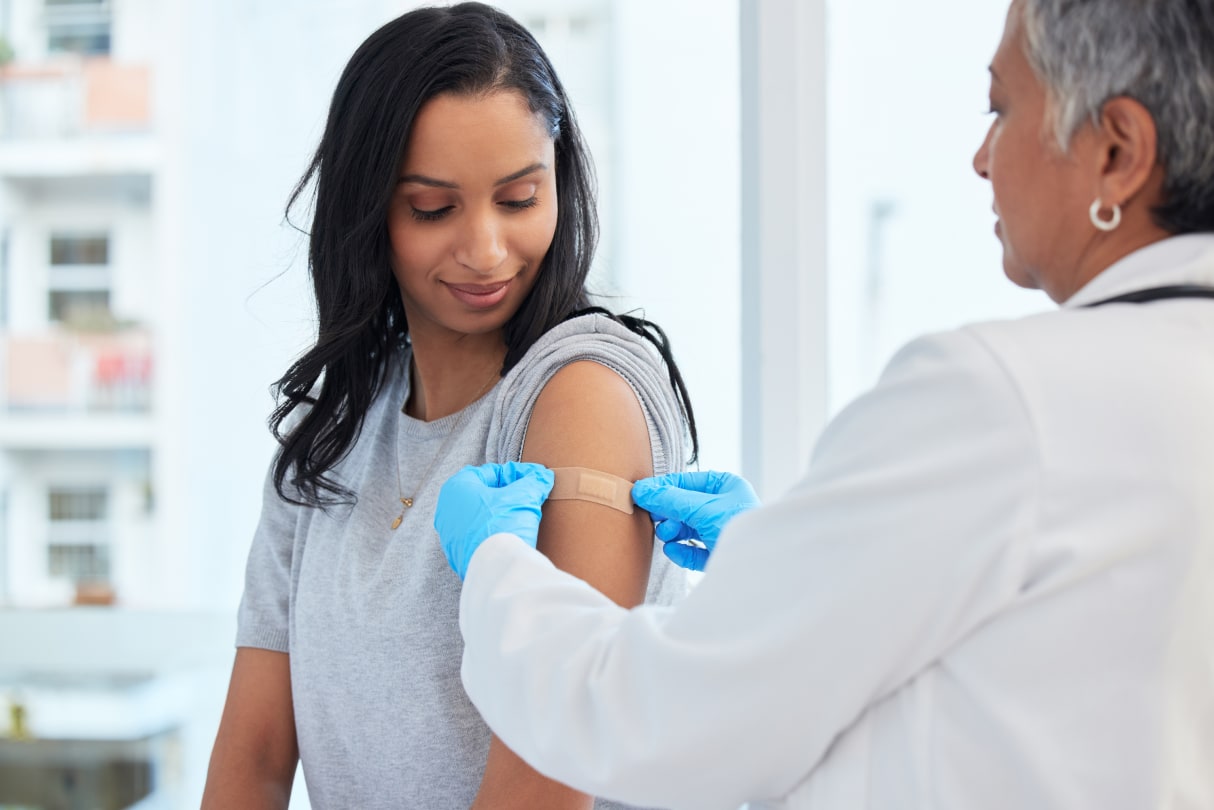
- Injectable Naltrexone (Vivitrol): This is an extended-release formula given as an intramuscular injection once a month. Many healthcare providers prefer this method because it removes the "daily decision" to stay sober, providing a full 28 to 30 days of protection.
Choosing between these options depends on the individual’s lifestyle, support system, and history of treatment adherence. A holistic recovery plan often involves naltrexone alongside counseling and lifestyle changes like sleep optimization and stress reduction to address the root causes of addiction.

Critical Safety: The 7-Day Rule and Precipitated Withdrawal
One of the most dangerous mistakes a person can make is starting naltrexone too soon after using opioids. This leads to a medical emergency known as precipitated withdrawal. Unlike standard withdrawal, which happens slowly as drugs leave the system, precipitated withdrawal is immediate, intense, and physically grueling.
This happens because naltrexone is so effective at its job. If there are still opioids in the body, naltrexone will violently rip them off the receptors all at once. To avoid this, clinical guidelines emphasize why you must wait 7 days before starting naltrexone (and up to 10 to 14 days for long-acting opioids like methadone).
Symptoms of precipitated withdrawal include:
- Severe nausea and vomiting
- Intense muscle aches and cramping
- Extreme anxiety and agitation
- Rapid heart rate and sweating
The detoxification process must be complete before the first dose. Healthcare providers will often perform a "naloxone challenge" or a urine drug screen to ensure the body is clear of all opioids. This waiting period is a difficult but necessary step in naltrexone vs naloxone for long-term recovery maintenance.
Emergency Resources & Consultation
If you or a loved one are struggling with substance use, knowing how to access naloxone without a prescription is a vital first step in preventive care. Most states in the U.S. have standing orders, which allow pharmacists to dispense naloxone to anyone who asks, even without a personal script from a doctor. You can simply walk into most major pharmacies and request Narcan.
For those looking to transition from emergency safety to long-term stability, finding a provider who specializes in Medication-Assisted Treatment (MAT) is essential. They can guide you through the transition from detoxification to naltrexone therapy, ensuring you have the medical and emotional support needed to navigate the 7-day waiting period safely.
FAQ
What is the main difference between naloxone and naltrexone?
The main difference lies in their purpose and duration. Naloxone is a short-acting medication used to reverse an active opioid overdose in an emergency. Naltrexone is a long-acting medication used to prevent relapse in people who have already gone through detoxification and are in recovery.
Is naloxone used for long-term recovery?
No, naloxone is not used for long-term recovery maintenance. It only stays in the body for about 30 to 90 minutes. Its only role is emergency intervention to restore breathing during an overdose. Long-term recovery is usually managed with medications like naltrexone, buprenorphine, or methadone.
Can naltrexone stop an active overdose?
No, naltrexone cannot be used to stop an active overdose. In fact, giving naltrexone to someone who is overdosing could be dangerous because it does not work fast enough to restore breathing and could cause immediate, severe withdrawal symptoms once they stabilize. Only naloxone should be used in an overdose emergency.
How do naloxone and naltrexone work in the body?
Both medications are opioid antagonists, meaning they bind to the Mu-opioid receptor in the brain. Naloxone acts quickly to displace existing opioids and reverse their effects. Naltrexone binds more permanently to the receptors, creating a shield that prevents other opioids from attaching and producing a "high."
Which medication is used for alcohol use disorder?
Naltrexone is the medication used for alcohol use disorder. It helps reduce alcohol cravings and the pleasurable feelings associated with drinking. Naloxone has no approved use for treating alcohol use disorder and is strictly for opioid overdose reversal.
How long do the effects of naloxone last compared to naltrexone?
Naloxone is very short-lived, with effects wearing off in 30 to 90 minutes. Naltrexone is much longer-lasting; the oral tablet remains effective for about 24 hours, while the Vivitrol injection provides a slow release that lasts for approximately 30 days.