Quick Facts
- Methodology: A 1RM workout program uses 1-repetition max data to set specific intensity zones for every lift.
- Primary Benefit: Research indicates that percentage-based training leads to 4.6% greater improvements in maximal strength compared to traditional repetition targets.
- Best For: Compound movements like the squat, bench press, and deadlift where precision is vital.
- Safety: Beginners should utilize submaximal estimation rather than true maximal testing to prevent injury.
- Testing Frequency: Aim to re-test your numbers every 8 to 12 weeks to keep your program aligned with your progress.
- Recovery Strategy: Systematic deload weeks are programmed every 4 to 6 weeks, usually at 65% of your max.
Start optimizing your gains by shifting from guesswork to data. A 1RM workout program uses your one-repetition maximum to calculate precise training intensities, ensuring every set drives progress. This data-driven approach utilizes your absolute maximum strength capacity to prescribe precise training loads. By calculating percentages of this figure, you can systematically apply progressive overload to optimize weekly training for strength or hypertrophy.
Establishing the Baseline: Formulas and Estimation
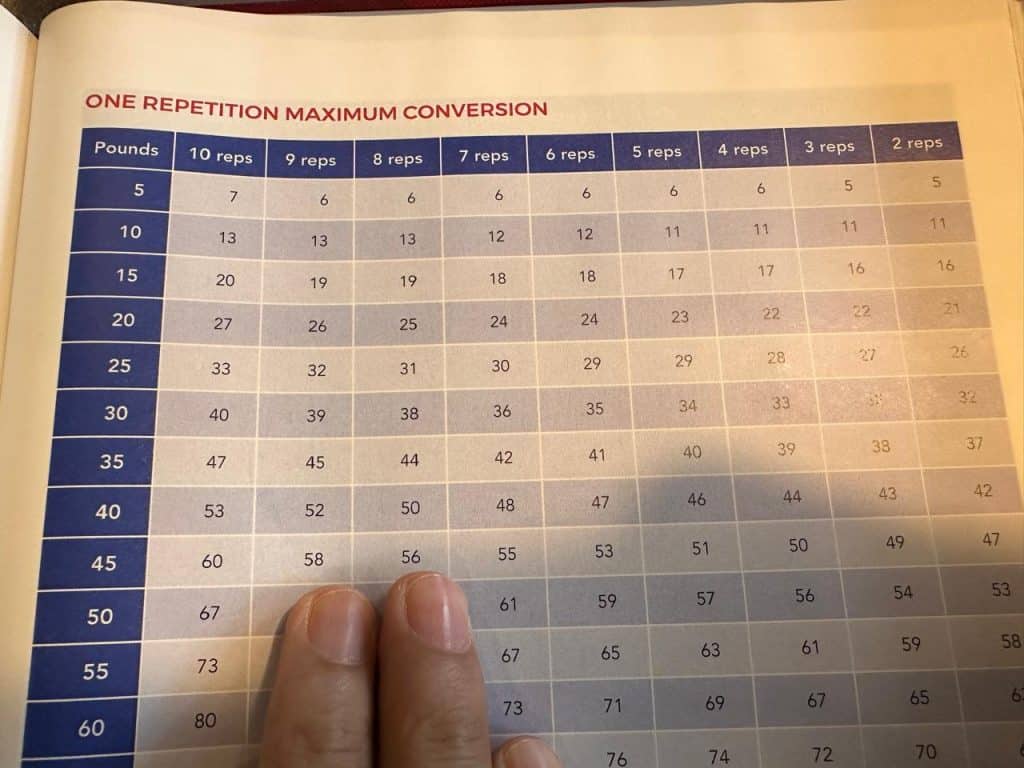
The foundation of any successful 1RM workout program is an accurate baseline. While a true one-repetition maximum test involves lifting the heaviest weight possible for a single rep, this isn't always practical or safe for every athlete. For many, especially those just starting, submaximal estimation is a far more effective route. This involves performing a set to near-failure with a lighter weight and using a mathematical formula to predict your max.
The most widely accepted method is the Epley equation: 1RM = Weight × (1 + 0.0333 × Reps). Another popular choice is the Brzycki Formula. Both provide a reliable starting point without the extreme central nervous system fatigue associated with true max-out sessions. When you are adjusting training intensity levels for 1RM bench press or other compound lifts, these formulas allow for a safer transition into high-intensity blocks.
If you choose to perform a physical 1RM test, preparation is everything. You must treat the session with the respect it deserves. Start with several warm-up sets, gradually increasing the weight while decreasing the reps. Ensure you take a full 3 to 5 minutes of rest between your heaviest attempts. This allows for full ATP restoration and ensures that your neuromuscular adaptation is peaked for the final lift. Accurate data here is the only way to ensure your percentage based training guide remains effective throughout the cycle.
Programming by Goal: Intensity Zones for Strength and Growth
Once you have your numbers, you need to map them to your specific physiological goals. Not every set should be a grinder. In fact, most of your training volume accumulation should occur at submaximal levels to avoid burnout. A common mistake in a 1RM workout program is staying in the "red zone" too long. Instead, you should categorize your lifts into specific intensity zones.
To build absolute strength training intensity levels, you must spend significant time in the 85% to 90% range. This level of load forces the nervous system to recruit the maximum number of motor units. However, if your goal is calculating percentage based training for muscle hypertrophy, the sweet spot is typically 67% to 85% of your 1RM. This range allows for enough volume to trigger metabolic stress and muscle damage, the two primary drivers of growth.
It is also important to recognize that different muscle groups have varying capacities. For instance, individuals typically able to complete 13.1 repetitions at 80% of 1RM for the leg press compared to just 8.8 repetitions for the bench press. This highlights why structuring a 1RM workout program for powerlifting requires a nuanced approach that accounts for exercise-specific repetition reserve.
| Goal | Intensity (% of 1RM) | Repetitions | Sets | Rest Period |
|---|---|---|---|---|
| Maximal Strength | 85% - 100% | 1 - 5 | 3 - 5 | 3 - 5 min |
| Hypertrophy | 67% - 85% | 6 - 12 | 3 - 6 | 60 - 90 sec |
| Muscular Endurance | < 67% | 12 - 20+ | 2 - 3 | 30 - 60 sec |
The 5-Week Progressive Overload Template
The secret to a 1RM workout program isn't just the intensity of a single day; it’s the progression over a month. To keep making gains, you must use a progressive overload lifting routine that systematically increases the demand on your body. A popular and effective way to manage this is through block periodization, where you focus on specific traits over a five-week cycle.
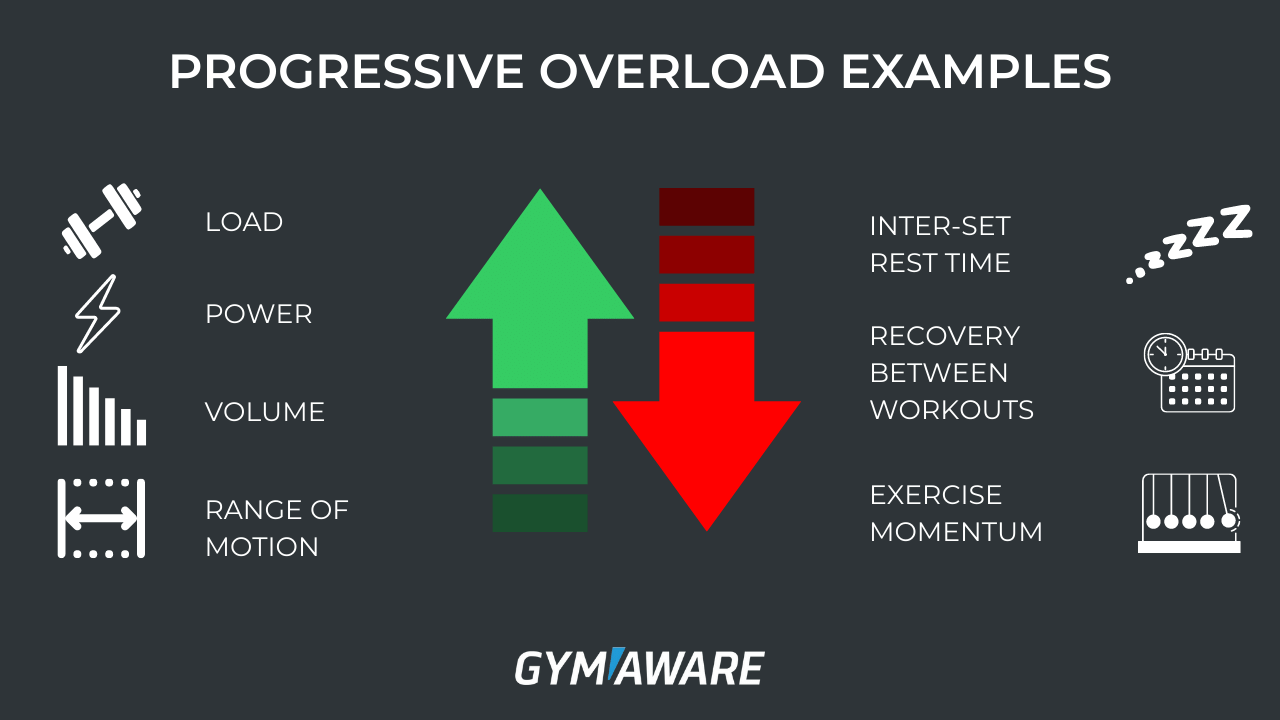
This template shows how to use 1RM for weekly strength training by toggling volume and load:
- Week 1: Accumulation Phase. Set your lifts at 70% of 1RM. Focus on perfect form and explosive concentric movements. This builds the technical foundation for the heavier weeks to come.
- Week 2: Intensification Phase. Bump the load to 75% of 1RM. You are starting to feel the weight now, but repetitions in reserve (RIR) should still be around 2-3 per set.
- Week 3: Peak Loading. This is the hardest week. Perform your main lifts at 80% to 85% of 1RM. You are pushing the limits of your current strength levels.
- Week 4: Deload Phase. Reduce the weight to 60% to 65% of 1RM. This is non-negotiable. It allows for CNS recovery and joint health, ensuring you don't hit a wall.
- Week 5: Realization/Test Phase. Attempt 85% to 90% for higher reps than before, or test a new 1RM. This is where you apply progressive overload techniques using 1 rep max data to set your new baselines for the next cycle.
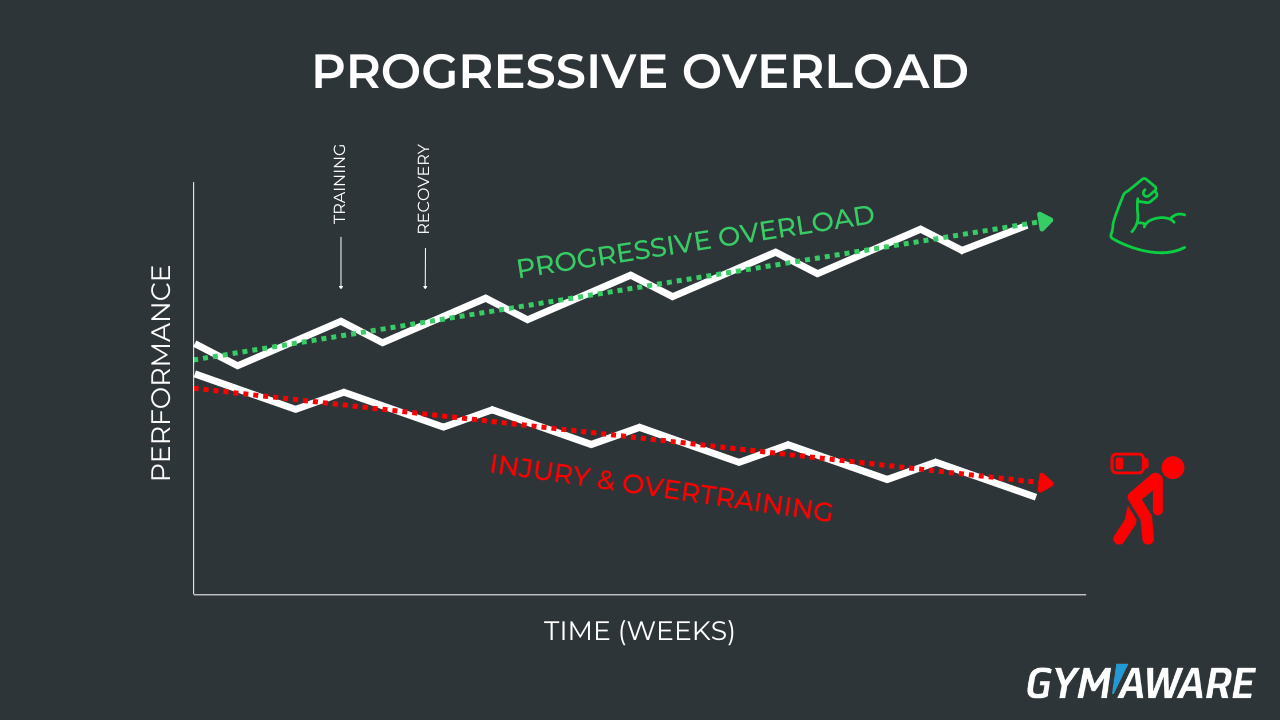
A great trigger for progression is the 2-for-2 rule. If you can perform two additional repetitions over your target in the final set of an exercise for two consecutive workouts, it is time to increase the load by 2.5% to 5% for the next session.
Advanced Refinement: Autoregulation and VBT
While a 1RM workout program provides a rigid structure, elite athletes often use autoregulation to account for daily fluctuations in performance. Your strength isn't a static number; it varies based on sleep, nutrition, and stress. This is where the RPE scale (Rate of Perceived Exertion) comes in. If a prescribed 80% lift feels like a 10/10 effort when it should be an 8/10, you may need to scale back that day to prevent overtraining.
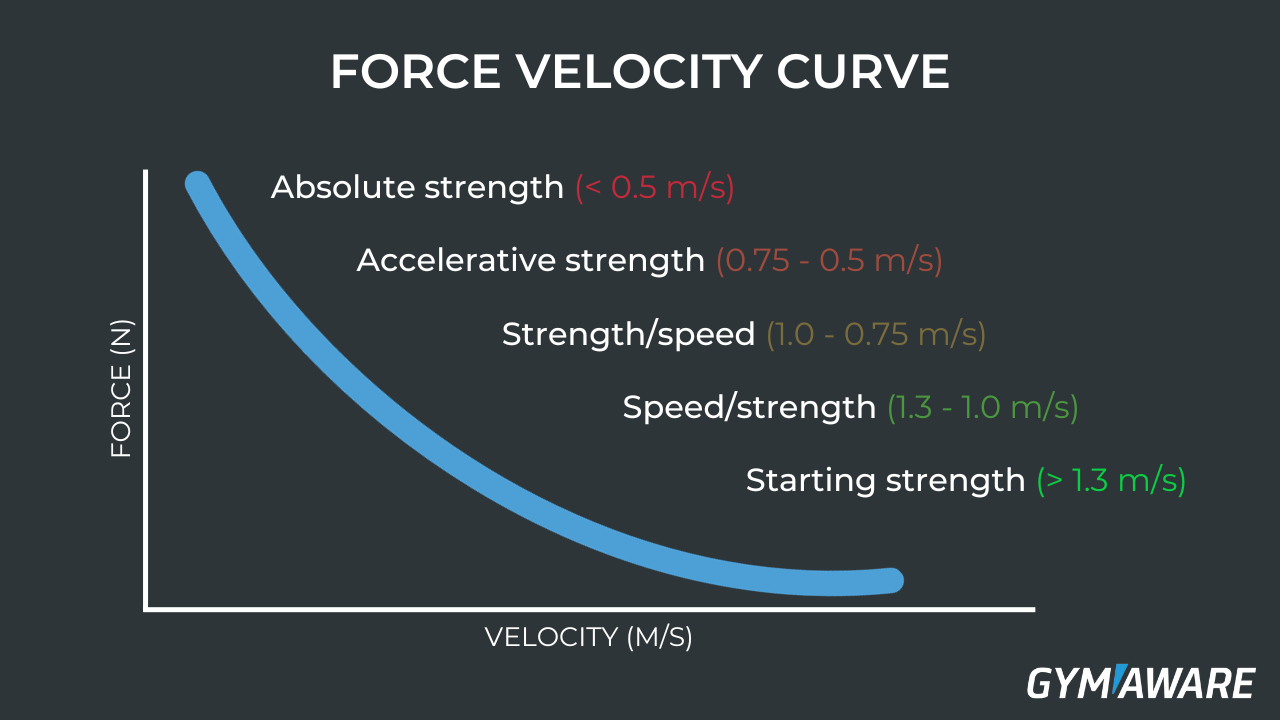
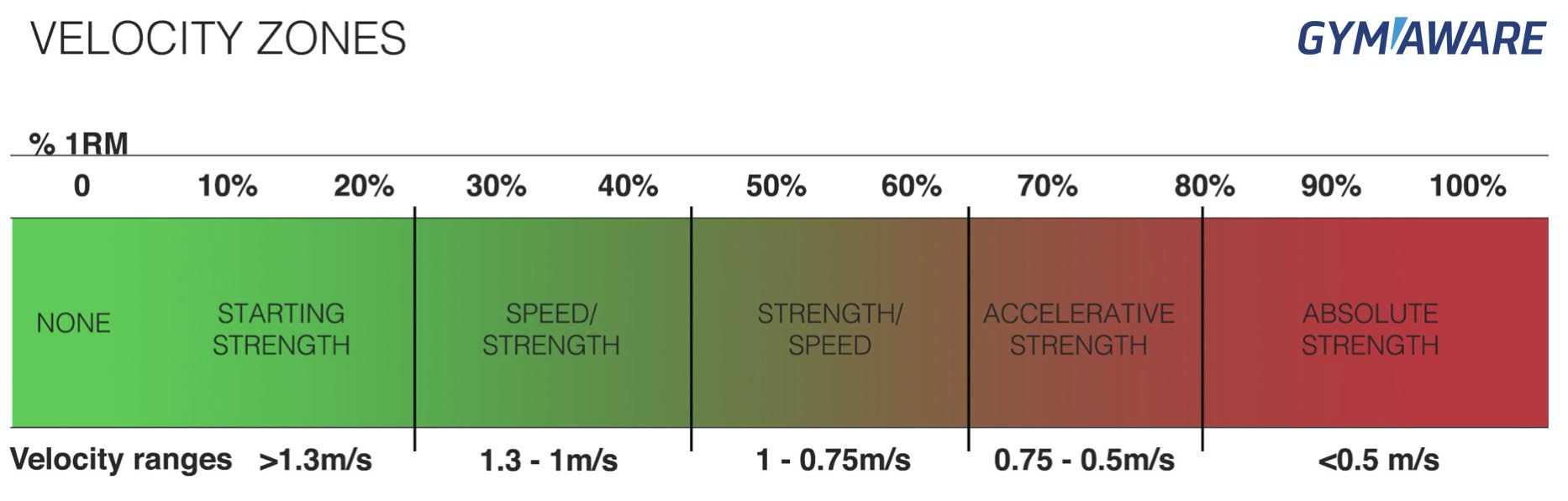
The cutting edge of this field is Velocity Based Training (VBT). By using sensors to monitor bar speed, you can determine exactly how much fatigue your nervous system is carrying. If the bar is moving significantly slower than your established load-velocity profile for that percentage, it’s a sign that your CNS recovery is incomplete. Balancing strength training intensity levels with real-time feedback ensures that you are always training at the optimal stimulus for that specific day.
Regarding the frequency of 1RM testing in a long term program, it is generally best to avoid testing every month. True maximal efforts are taxing. By using VBT or RPE to guide your submaximal work, you can stay on track for months before needing a formal re-test to reset your percentages.
FAQ
How do I calculate my 1RM without testing it?
You can use a submaximal estimation formula like the Epley or Brzycki equations. Perform a set of an exercise with a weight you can lift for 3 to 10 repetitions until you are near failure. Plug the weight and the number of reps into the formula (Weight x (1 + 0.0333 x Reps)) to find your predicted maximum. This method is safer for most lifters than an absolute max test.
How often should you test your one-rep max?
For most intermediate and advanced athletes, testing every 8 to 12 weeks is ideal. Testing too frequently can lead to excessive fatigue and injury. If you are a beginner, you may find that your strength increases so rapidly that testing every 6 to 8 weeks is necessary to keep your training percentages challenging.
Is a 1RM program effective for building muscle?
Yes, a 1RM workout program is highly effective for hypertrophy. By knowing your 1RM, you can ensure you are working in the 67% to 85% range, which is the most effective zone for muscle growth. It removes the guesswork, ensuring that your "moderate" sets are heavy enough to actually stimulate protein synthesis.
Can beginners follow a one-rep max training program?
Beginners can certainly benefit from percentage-based training, but they should avoid performing actual one-rep max attempts. Because beginners lack the technical proficiency and neurological efficiency to handle maximal loads safely, they should use estimated maxes based on 5-rep or 8-rep sets to set their initial training zones.
What is the difference between 1RM training and powerlifting?
1RM training is a methodology used by many different athletes to track and prescribe intensity. Powerlifting is a specific sport centered around the 1RM of three specific lifts: the squat, bench press, and deadlift. While all powerlifters use 1RM data to program, many other athletes (like football players or Olympic lifters) also use a 1RM workout program to improve their general athletic performance.