Our Top Picks
- Best for Weight Loss: Premier Unlimited — Essential for hitting the 3 to 4 sessions per week required to trigger consistent metabolic changes.
- Best for Supplementing: Elite (8 classes) — Perfect for runners or lifters who want to add two days of high-intensity metabolic conditioning to their existing routine.
- Best for Beginners: Basic (4 classes) — A low-stakes entry point to learn the movements and heart rate technology without a heavy financial commitment.
In 2026, Orangetheory Fitness memberships range from $59 to $209 per month depending on the tier and location. Based on this Orangetheory fitness review, the investment is highly worth it for those seeking data-driven accountability and metabolic afterburn, provided you attend at least three times weekly to justify the Orangetheory membership cost.
The Science: Splat Points and EPOC
The entire Orangetheory philosophy is built on a physiological concept known as excess post-exercise oxygen consumption or EPOC. In the fitness industry, we often call this the afterburn effect. Most people go to a regular gym and burn calories only while they are moving. Orangetheory is designed to keep your metabolism elevated for up to 24 to 36 hours after you leave the studio.
To achieve this, the program utilizes Orangetheory heart rate monitoring technology to track your effort across five color-coded zones. The Grey and Blue zones represent light activity, while the Green zone is your steady-state aerobic pace. The magic happens in the Orange Zone and Red Zone. These represent 84% to 100% of your maximum heart rate.
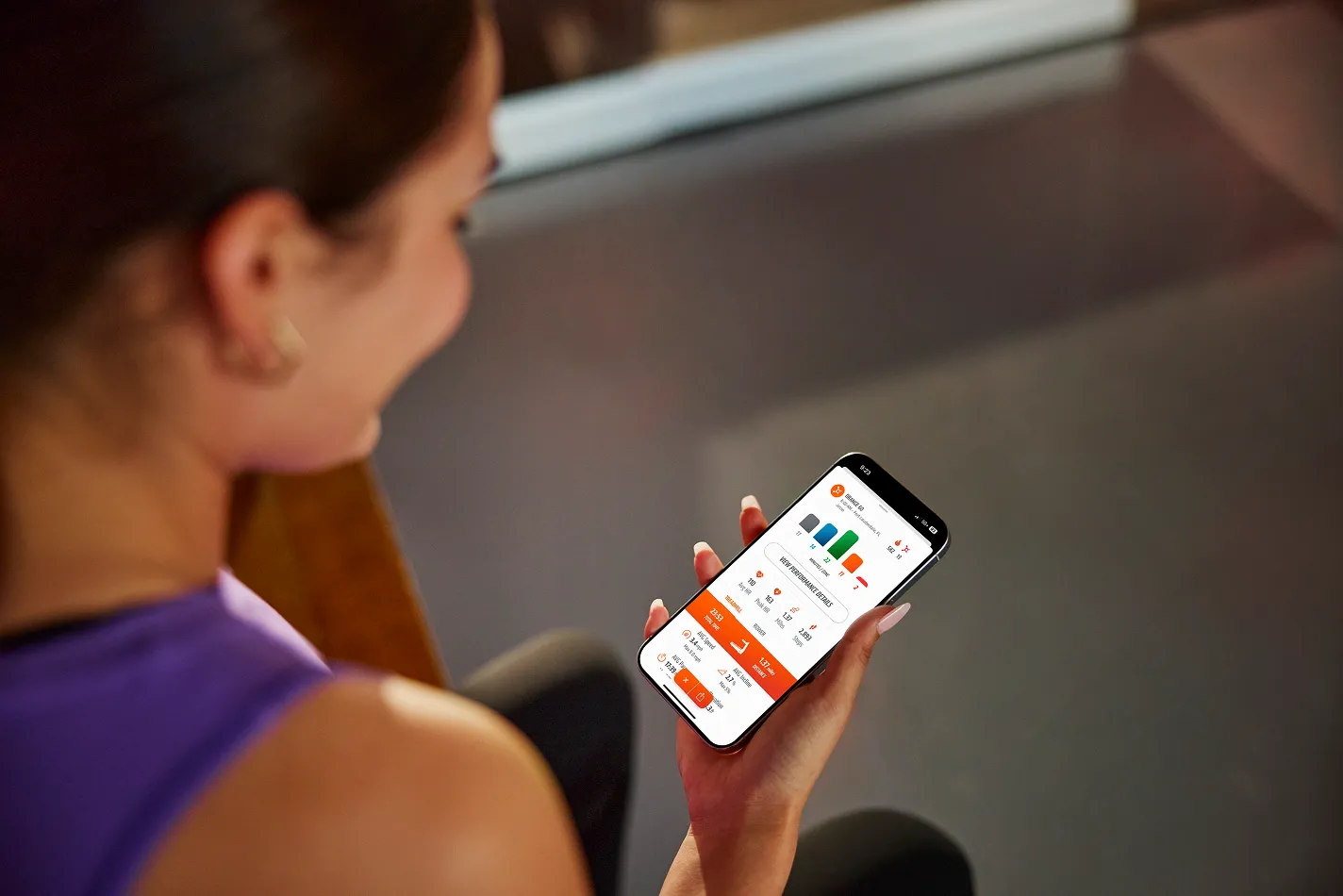
Your goal in every 60-minute session is to earn at least 12 Splat points. Each of these points represents one minute spent in the Orange or Red heart rate zones. When you hit that 12-minute threshold, you trigger the metabolic afterburn that characterizes the Orange Effect. The studios use the OTbeat Burn monitor, a wearable device that syncs to large screens throughout the room, providing real-time feedback on your performance. This transparency removes the guesswork from your training; you know exactly when to push harder and when to recover.

The 60-Minute Workout Structure
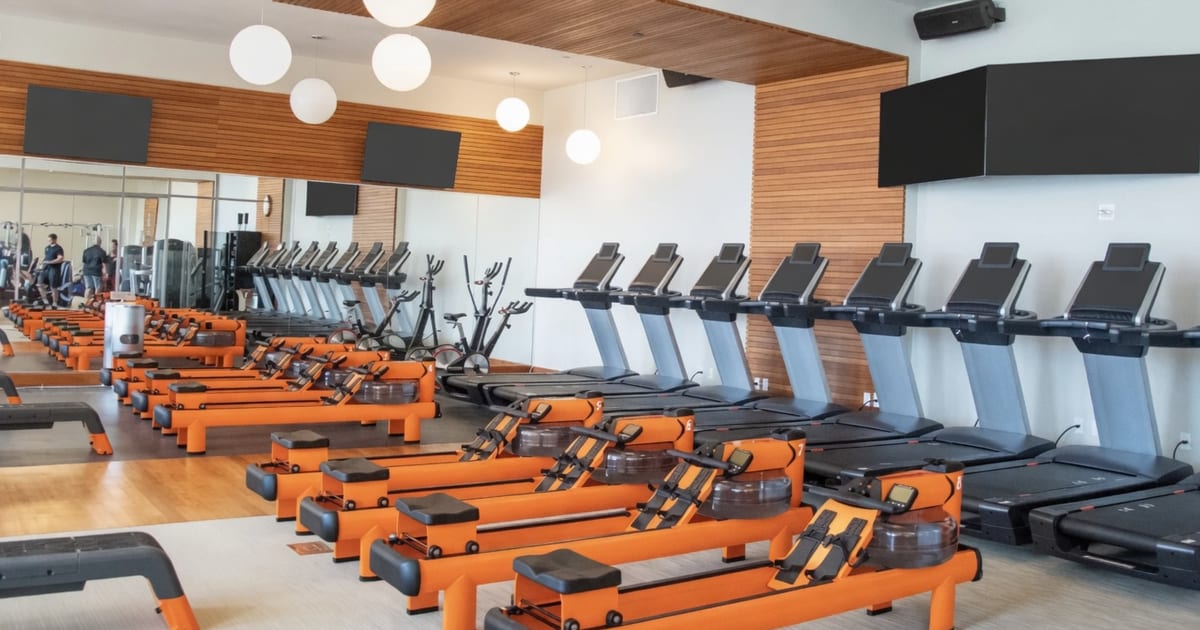
Every session is a masterclass in high-intensity interval training. The Orangetheory workout structure is generally a 50/50 split between cardiovascular endurance and functional strength training. When you walk in for your first class, you will receive a 15-minute orientation where a coach explains the equipment and the heart rate zones.
The treadmill portion of the workout is where most of the cardiovascular gains happen. Coaches use three specific intensity levels: Base pace, Push pace, and All-out effort. Base pace is something you could maintain for 20 to 30 minutes—challenging but doable. Push pace takes you into the Orange Zone, creating a significant oxygen debt. All-out effort is a maximal sprint that should leave you gasping for air by the end of the interval.
While half the class is on the treads, the other half is on the floor and the indoor rowing machines. The floor portion focuses on functional strength training using TRX suspension trainers, free weights, benches, and BOSU balls. Unlike a traditional bodybuilding gym, the goal here is total-body stability and power. The rowing blocks are equally intense, serving as a low-impact way to drive your heart rate into the Red Zone while engaging 85% of your body's muscles.

2026 Pricing and Membership Tiers
Understanding the Orangetheory membership cost 2026 breakdown is vital before signing a contract. Pricing has remained relatively stable but varies significantly based on your geography.
| Membership Tier | Monthly Cost (Standard) | Class Allowance | Best For |
|---|---|---|---|
| Basic | $59 – $89 | 4 Classes | The occasional visitor |
| Elite | $99 – $139 | 8 Classes | Twice-a-week consistency |
| Premier | $159 – $209 | Unlimited | Daily results-seekers |
Select Studio Surcharge: If you live in a high-cost-of-living area like New York City, Chicago, or London, you are likely visiting a Select Studio. These locations typically add a $20 to $50 monthly surcharge to the standard rates listed above.
Beyond the monthly dues, there is an initial investment in the Orangetheory heart rate monitoring technology. The OTbeat Burn monitor typically costs between $79 and $119. While some studios allow you to rent a monitor for $5 to $10 per class, buying your own is the smarter financial move if you plan to stick with the program for more than two months.
In terms of market growth, Orangetheory continues to dominate the boutique space. In 2024, the brand opened 31 new studios, bringing its total global footprint to nearly 1,500 locations. This expansion makes it easier for members to use their "reciprocity" benefits, allowing you to work out at almost any studio in the world, though Select Studio surcharges may still apply if you are visiting a premium market.
The Verdict: Results and Value
Is Orangetheory worth it for weight loss? The short answer is yes, but only if your attendance is consistent. Because of the focus on EPOC and metabolic afterburn, you are burning more calories per hour than you likely would on your own at a big-box gym. However, you need to consider how many Orangetheory classes per week for results are actually necessary. Most coaches and physiological data suggest that attending two to four classes per week is the sweet spot for body composition changes and cardiovascular endurance.
When comparing Orangetheory vs F45 for functional fitness, Orangetheory wins on cardiovascular data and individual tracking, whereas F45 leans more toward team-based circuit training with less emphasis on the treadmill. If you thrive on seeing your stats on a screen and competing against your own previous heart rate data, the Orangetheory model is superior.
One area where members must be cautious is the Orangetheory cancellation policy and notice period. Most studios require a strict 30-day notice for membership cancellation. If you decide to quit on the 1st of the month, you will likely still be charged for one final month. Additionally, there is an 8-hour "late cancel" window for individual classes. If you cancel a session less than eight hours before it starts, you will lose that class credit or be charged a fee (usually $12 to $15) if you are an unlimited member.
The value proposition also includes access to the InBody scan technology at many locations. These scans provide a detailed breakdown of your muscle mass, body fat percentage, and water retention, which is a much better metric for progress than the number on a standard bathroom scale.
Data from 2024 shows that foot traffic at Orangetheory studios increased by 7.8% compared to the previous year. More importantly, frequent visitors—those attending multiple times a week—accounted for 63% of all visits. This suggests that once people start, the community and the results keep them coming back.
FAQ
Is Orangetheory worth the membership cost?
It depends on your self-motivation. If you are someone who pays for a $20 gym membership but never goes, Orangetheory is worth the cost because the scheduled classes and coach-led environment provide the accountability you lack. The data-driven results usually justify the higher price point for those who attend at least twice a week.
How many times a week should you do Orangetheory to see results?
To see significant improvements in weight loss and endurance, you should aim for three to four classes per week. Attending once a week is fine for maintenance, but it is rarely enough to trigger the long-term metabolic adaptations most people are looking for.
Can you lose weight by just doing Orangetheory?
You can lose weight through Orangetheory because it creates a significant caloric deficit, but exercise is only one half of the equation. For the best results, you must pair the high-intensity interval training with a protein-rich, calorie-controlled diet. The InBody scan can help you determine your specific caloric needs based on your muscle mass.
What happens during a typical Orangetheory class?
A typical class is 60 minutes long and begins with a warm-up. You will spend roughly half the time on the treadmill performing intervals of Base pace, Push pace, and All-out effort. The other half is spent on the weight floor using free weights and TRX straps, or on the rowing machines for power blocks.
Is Orangetheory better than a regular gym?
It is better for people who want a programmed workout and real-time data. A regular gym gives you more freedom to do specific bodybuilding or powerlifting movements, but it lacks the professional coaching, communal atmosphere, and scientific tracking that make Orangetheory so effective for general fitness and fat loss.
What should I wear to my first Orangetheory workout?
Wear standard athletic moisture-wicking clothing and supportive running shoes. Since you will be moving between the treadmill, the floor, and the rower, avoid overly baggy clothes that could get caught in the equipment. Bringing a water bottle and a small towel is also highly recommended.