Quick Facts
- Primary Goal: Repairing the linea alba and strengthening the transverse abdominis to restore core integrity.
- Safety Check: Always monitor for abdominal doming or coning, which indicates excessive intra-abdominal pressure.
- Timeline: Generally 6 weeks for vaginal birth and 12 weeks for C-section recovery before starting structured routines.
- Pre-requisite: Obtaining medical clearance from a healthcare provider is essential before beginning any exercise program.
- Key Technique: Mastering diaphragmatic breathing and 360-degree rib cage expansion to manage internal pressure safely.
- Core Benefit: Postpartum Pilates is significantly more effective than traditional Kegels for reducing urinary incontinence and strengthening pelvic floor muscles.
Postpartum Pilates is a transformative method for rebuilding core strength after delivery. Unlike high-impact workouts, it focuses on deep core stabilizers to repair the linea alba and prevent abdominal doming. Whether you are 6 weeks or 6 months postpartum, understanding how to activate your transverse abdominis and pelvic floor is the key to functional recovery.
Understanding the Postpartum Core: Anatomy and Diastasis Recti
To understand why Postpartum Pilates is so effective, we first need to look at what happens to the female body during pregnancy. The abdominal wall undergoes significant stretching to accommodate a growing baby. The primary muscle involved in core stability is the transverse abdominis, often called our natural corset. This deep layer of muscle wraps around the torso, providing support for the spine and internal organs.
During pregnancy, the connective tissue that runs down the center of the abdomen, known as the linea alba, thins and widens. For many women, this results in diastasis recti, a condition where the two sides of the rectus abdominis (the six-pack muscles) separate. Research shows that diastasis recti affects approximately 60% of women during the postpartum period.
If you suspect you have this separation, you can perform a simple self-assessment. Lie on your back with knees bent, and gently lift your head while pressing your fingers just above the belly button. If you feel a gap of more than two finger-widths, or if you see a ridge or "dome" forming, you are likely dealing with diastasis recti. Pilates for diastasis recti focuses specifically on generating linea alba tension and transverse abdominis activation to close this gap and restore function rather than just appearance.
A clinical study involving primiparous postpartum women found that a four-week Pilates program, performed 50 minutes per day for five days a week, significantly reduced inter-recti distance and improved abdominal muscle endurance compared to a control group. This reinforces that consistent, targeted movement is the gold standard for healing.
The Recovery Roadmap: When to Start and Birth-Specific Timelines
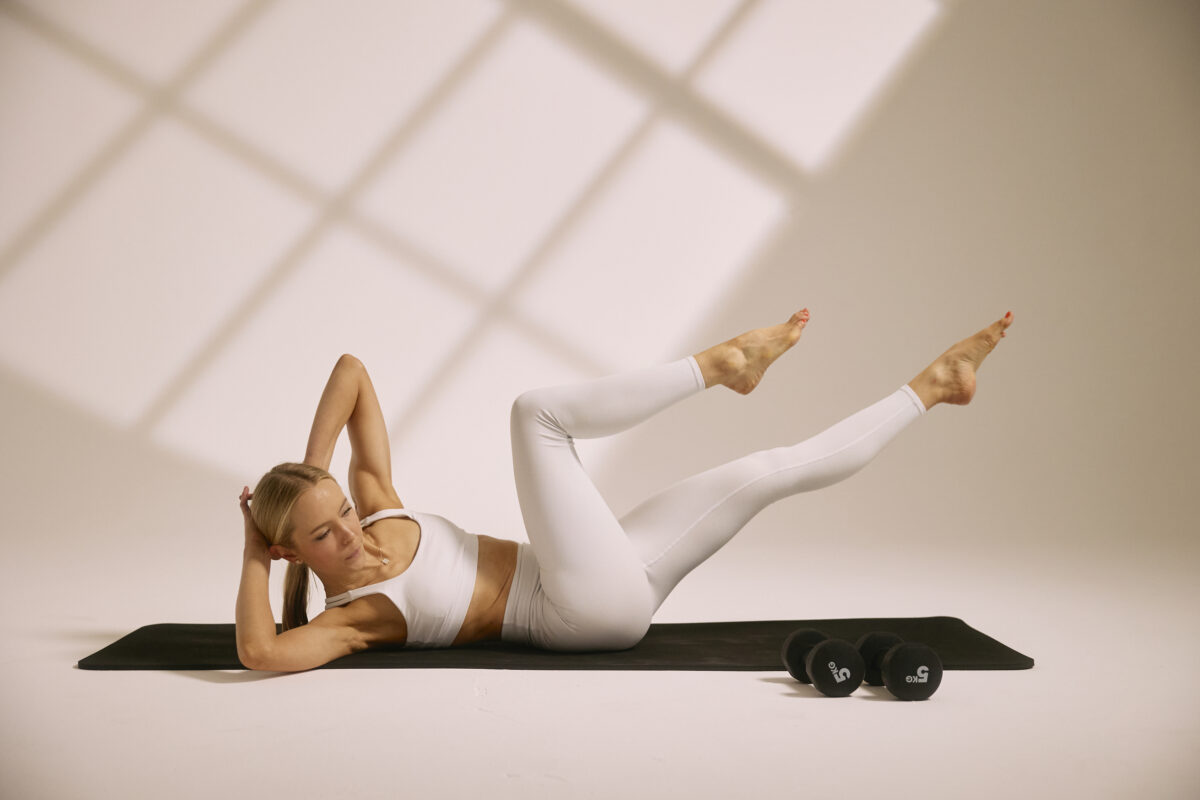
One of the most frequent questions I receive as an editor is "How soon is too soon?" The answer depends heavily on your birth experience and your individual healing process. Postpartum core strengthening is a marathon, not a sprint.
For those who had a vaginal delivery, the standard wait time for medical clearance is typically 6 weeks. However, the first few weeks after birth should be dedicated to neuromuscular reconnection rather than physical exertion. This means your "workout" might simply be lying in bed and connecting with your breath.
For mothers who delivered via C-section, the timeline is longer. Because a C-section is a major abdominal surgery, the fascia and muscle layers require more time to heal. Most providers recommend waiting at least 10 to 12 weeks before starting any structured Postpartum Pilates routines safe after C-section. It is vital to wait until the incision is fully closed and you have no lingering sharp pains in the pelvic region.
| Delivery Type | Initial Connection (Breathing) | Structured Pilates Start | Full Impact/Dynamic Movement |
|---|---|---|---|
| Vaginal Birth | 1–2 Weeks | 6 Weeks (with clearance) | 3–4 Months |
| C-Section | 2–4 Weeks | 10–12 Weeks (with clearance) | 5–6 Months |
Phase 1: Connection and Breathwork (0-6 Weeks Post-Delivery)
In the initial weeks, your focus should be on diaphragmatic breathing and pelvic floor activation. This isn't about burning calories; it is about re-teaching your brain how to talk to your core muscles after they have been stretched and moved.
Diaphragmatic breathing, often called 360 breathing, involves expanding the ribs in all directions—front, sides, and back—as you inhale. As you exhale, you gently draw the pelvic floor up and the navel toward the spine. This creates a natural pump that helps manage intra-abdominal pressure.
Research comparing exercise methods indicates that Pilates training can be more effective than traditional Kegel exercises in reducing urinary incontinence and strengthening pelvic floor muscles in postpartum mothers. This is because Pilates integrates the pelvic floor into total body movement rather than isolating it.
During this phase, try these Postnatal Pilates core exercises without equipment:
- Pelvic Tilts: Gently rocking the pelvis to find a neutral spine.
- Heel Slides: Extending one leg at a time while maintaining a stable pelvis.
- Supine Diaphragmatic Breathing: Focus on the expansion of the lower ribs.
Phase 2: Functional Strength and Posture (6-12 Weeks Post-Delivery)
Once you have received medical clearance, you can transition into a Strength-based postnatal workout. This phase is about preparing your body for the physical demands of motherhood—lifting a car seat, carrying a growing baby, and leaning over a crib.
Functional fitness for mothers is the priority here. We move from lying on the floor to movements that challenge stability. This is also the time to address postural realignment. Many new mothers develop "mom slouch" (kyphosis) from nursing and carrying infants. Pilates exercises help open the chest and strengthen the upper back to counteract this.
Key exercises in this phase include:
- Bird-Dog: Reaching opposite arm and leg while keeping the torso still to build cross-body stability.
- Modified Toe Taps: Lowering one foot toward the floor from a tabletop position to challenge the lower abdominals.
- Side-lying Leg Series: Strengthening the glutes and hips, which provide essential lumbar support.
Using strength-based Pilates for postnatal core rebuilding during this window helps prevent long-term lower back pain by ensuring the deep core is doing the work rather than the spine.
Phase 3: Intermediate Progressions (3-6 Months and Beyond)
By three to six months postpartum, most individuals have established a baseline of stability and are ready for Intermediate postpartum Pilates for 3 to 6 months post-delivery. This phase introduces more dynamic movements and increased resistance.
If you have been consistent, your neuromuscular reconnection should be strong enough to handle exercises that involve more leverage. You might incorporate light weights, resistance bands, or the Pilates magic circle. The goal is to continue building deep core stabilizers so that you can eventually return to high-impact sports or heavy weightlifting if that is your goal.
During this time, pay close attention to how your body feels. You may find that some days you feel incredibly strong, while other days (perhaps after a night of poor sleep), you need to scale back to Phase 1 movements. This flexibility is what makes Postpartum Pilates such a sustainable recovery tool.
Red Flags: Movements to Avoid During Recovery
In my years as an editor, I have seen many well-meaning fitness enthusiasts cause more harm than good by jumping back into their old routines too quickly. To ensure abdominal doming prevention, there are several movements you should avoid until your core is fully rehabilitated.
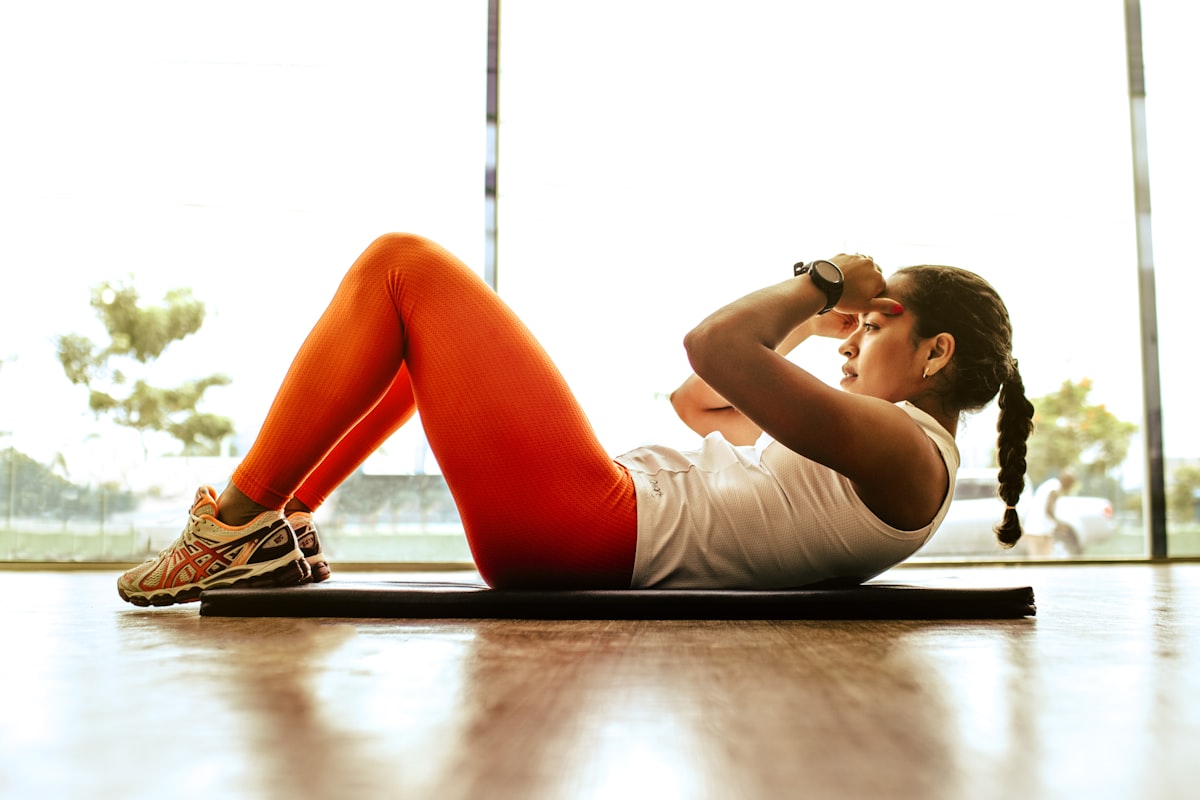
Traditional crunches and sit-ups are often the biggest culprits. These exercises create high levels of intra-abdominal pressure that pushes outward against the weakened linea alba. This can actually widen a diastasis recti gap and lead to pelvic floor dysfunction. Similarly, heavy twisting movements or full planks should be avoided until you can maintain a flat abdominal wall without coning.
Safety Checklist for Core Exercises:
- Visual Check: Look at your midline during every exercise. If you see a "bread loaf" or "conical" shape rising up, stop the movement.
- Physical Sensation: Do you feel pressure pushing down on your pelvic floor? If so, the exercise is too advanced.
- Pain: Any sharp pain in the pelvis, back, or at a C-section incision site is a signal to stop and consult a professional.
By avoiding these red flags, you prioritize long-term health over a quick "bounce back."
FAQ
When can I start Pilates after giving birth?
Most women can begin gentle breathwork and pelvic floor engagement within days of a vaginal delivery, but structured Postpartum Pilates usually requires waiting until the 6-week postnatal check-up. For C-section births, this wait is often extended to 10–12 weeks to allow for surgical healing.
Is postpartum Pilates safe after a C-section?
Yes, but it must be modified. Postpartum Pilates routines safe after C-section focus on gentle mobilization of the scar tissue and avoiding movements that strain the lower abdominal incision. It is crucial to have medical clearance and work with an instructor who understands surgical recovery.
How does Pilates help with postpartum recovery?
Pilates helps by targeting the deep muscles that were stretched during pregnancy. It improves posture, reduces back pain, and strengthens the pelvic floor. Unlike traditional gym workouts, it focuses on the quality of movement and internal support, which are essential for functional recovery.
Can Pilates help heal diastasis recti?
Absolutely. Pilates exercises for diastasis recti repair are specifically designed to activate the transverse abdominis and manage internal pressure. This helps to create tension in the linea alba, allowing the abdominal gap to close and the core to function as a single unit again.
What are the benefits of postpartum Pilates for the pelvic floor?
Pilates is exceptionally effective for the pelvic floor because it coordinates the "core canister"—the diaphragm, transverse abdominis, and pelvic floor—to work together. This helps resolve issues like urinary incontinence and pelvic organ prolapse more effectively than isolated exercises alone.
Is Pilates better than yoga for postpartum recovery?
Both have benefits, but Pilates is often preferred for core rehabilitation because of its specific focus on spinal alignment and abdominal strengthening. While yoga offers great flexibility and stress relief, Pilates provides a more structured approach to rebuilding the "natural corset" needed for postpartum stability.