Quick Facts
- Prevalence: Raynaud's phenomenon is estimated to affect approximately 5% to 20% of women and 4% to 14% of men, with symptoms most commonly triggered by exposure to cold temperatures or emotional stress.
- Primary vs. Secondary: Primary Raynaud's phenomenon, the most common form accounting for 80% to 90% of cases, typically develops between the ages of 15 and 30 and is more prevalent among individuals living in colder climates.
- The Golden Rule: Use lukewarm water for rewarming. Never use hot water, as it can cause thermal injury to numb skin.
- Clinical Efficacy: A meta-analysis of clinical trials indicates that the use of calcium channel blockers can reduce the severity of Raynaud's symptoms by 33% and decrease the frequency of attacks by an average of 2.8 to 5.0 episodes per week.
- Triggers: Beyond the cold, the main culprits include emotional stress, nicotine, and caffeine.
- The Goal: Focus on maintaining core body temperature and avoiding rapid thermal shifts to stop the vasospasm cycle.
| Do | Don't |
|---|---|
| Wear layered moisture-wicking clothing | Rely on a single heavy coat |
| Choose insulated mittens over gloves | Use piping hot water to warm up |
| Perform arm circles to restore circulation | Rub or massage vigorously during an attack |
| Practice nicotine cessation | Consume high amounts of caffeine before going out |
| Pre-warm your car or home environment | Walk directly from a warm room into the freezing wind |
Effective Raynaud's prevention involves maintaining core body temperature and avoiding rapid thermal shifts. Wear layered moisture-wicking clothing, insulated mittens instead of gloves, and thermal socks to protect extremities. Managing emotional stress and avoiding nicotine are also critical, as both triggers cause vasospasm and restrict blood flow to the fingers and toes.
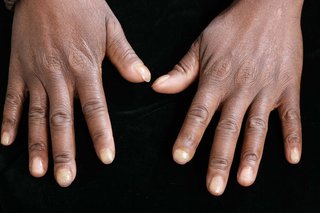
Raynaud's prevention is critical as temperatures drop, affecting up to 20% of the population. Understanding how to manage Raynaud's phenomenon in winter involves more than just wearing gloves; it requires a proactive approach to vasospasm triggers. Effective prevention involves maintaining core temperature through layered moisture-wicking clothing and insulated mittens to prevent the tri-color sequence of oxygen loss and restore microcirculation. When the small arteries in the fingers and toes overreact to the cold, they undergo a vasospasm, which shuts down blood flow. This leads to the classic progression from ghostly white to a dusky blue or purple, and finally a painful red as blood returns. For those living with this condition, winter is not just a season of snow—it is a season of constant vigilance.
1. Upgrade Your Gear: Material Science and Layering
The foundation of Raynaud's prevention is a "Core-First" philosophy. If your chest and torso are cold, your body will naturally pull blood away from your fingers and toes to protect your vital organs. This is why managing Raynaud's phenomenon in winter starts with the right materials.
- The Triple Layer Strategy: Start with a base layer of moisture-wicking fabric like merino wool or synthetic blends. This moves sweat away from the skin so you don't get a "damp chill." Add a middle insulating layer of fleece or down to trap heat, and top it with a windproof and waterproof outer shell.
- Mittens vs. Gloves: For anyone serious about Raynaud's prevention, mittens are the gold standard. By keeping your fingers together, they allow the digits to share body heat. Look for insulated mittens that feature a separate inner liner for extra warmth.
- Advanced Material Science: Modern technology has given us silver-threaded fabrics. Silver is an excellent thermal conductor that reflects your own body heat back toward the skin. Similarly, copper-infused socks can provide a subtle warming effect.
- Electronic Assistance: Rechargeable hand warmers or battery-heated socks and gloves can provide a consistent heat source that traditional gear cannot match. This is particularly helpful for long periods spent outdoors.
When selecting the best winter gloves and socks for Raynaud's, look for thermal insulation ratings and ensure the fit is not too tight. Restricting blood flow with tight elastic bands in socks or gloves can actually trigger the very attack you are trying to avoid.
2. Master Physical Maneuvers for Circulation
When you feel the first signs of numbness or the telltale color change, you need to act quickly to restore microcirculation. Physical movement is one of the most effective ways to encourage vasodilation without needing special equipment.
- The Arm Circle Technique: This is a favorite among outdoor enthusiasts and clinicians alike. Stand with your feet firmly planted and swing your arms in large, fast circles—like a windmill. This uses centrifugal force to literally "throw" blood down into the digital capillaries of your fingertips.
- The Armpit Method: If you are in a situation where you cannot move your arms widely, place your bare hands directly under your armpits. This is one of the warmest parts of the human body and provides immediate, gentle thermal transfer.
- The Toe Curl: To improve circulation in feet, try "towel scrunches" or simply curling and uncurling your toes inside your boots. This muscle contraction helps pump blood through the small vessels.
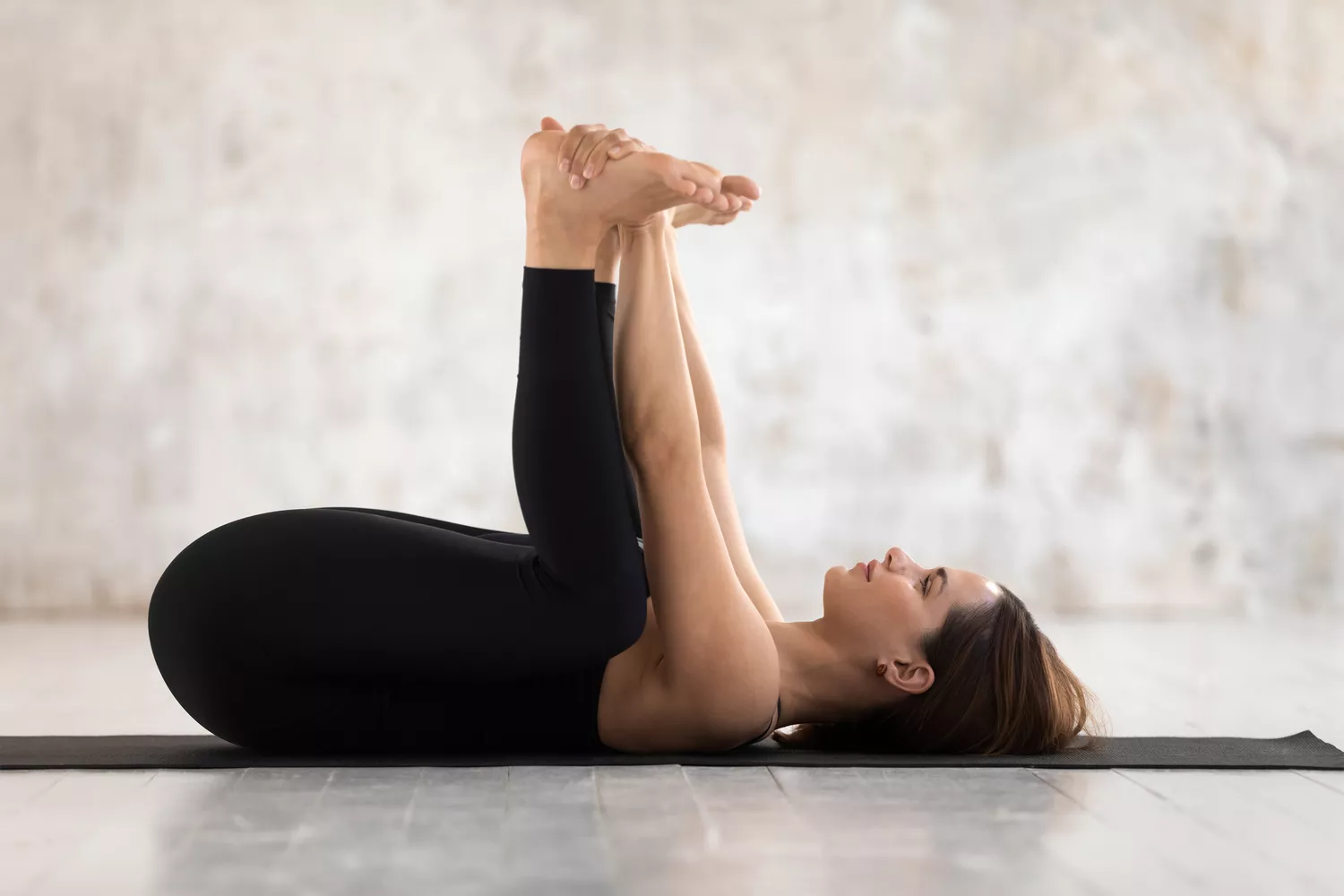
These exercises to improve hand circulation for Raynaud's are most effective when done at the very first hint of a flare-up. Improving circulation in hands and feet is about consistency; don't wait until your fingers are completely white and numb to start moving. Knowing how to stop a Raynaud's attack quickly through these physical shifts can prevent the discomfort of the rewarming phase.
3. Identify and Neutralize Non-Thermal Triggers
While the name is synonymous with the cold, Raynaud's flare-up triggers are often hidden in our daily habits and emotional states. The nervous system plays a massive role in how our blood vessels react.
- Stress Management: Emotional stress triggers the sympathetic nervous system, causing the same vasospasm that cold weather does. Many people find that a high-pressure meeting or a sudden scare can lead to white fingertips even in a warm room. Identifying Raynaud's triggers beyond cold temperatures is the first step toward holistic management.
- Biofeedback Therapy: This is a technique where you learn to control your body’s functions, such as skin temperature. In a clinical setting, biofeedback therapy teaches patients to recognize the subtle signs of a vasospasm and use relaxation techniques to "think" their hands back to a warm state.
- The Chemical Connection: Caffeine and nicotine are both potent vasoconstrictors. Nicotine cessation is perhaps the most significant lifestyle change a person can make for Raynaud's prevention. Even second-hand smoke can cause the blood vessels to narrow, making you more susceptible to the cold.
4. Dietary Habits and Lifestyle Adjustments
Maintaining healthy microcirculation requires a body that is well-fueled and hydrated. While no "miracle food" will cure the condition, certain dietary choices support better blood flow and vascular health.
- Warming Foods: In holistic traditions, foods like ginger, garlic, and cayenne pepper are believed to promote circulation. Adding fresh ginger to tea or meals can provide a gentle warming sensation from the inside out.
- Omega-3 Fatty Acids: Found in fatty fish, flaxseeds, and walnuts, omega-3s are known to improve vascular function and may help reduce the frequency of vasospasms.
- Hydration: Dehydration can lead to lower blood volume and poorer circulation. Drink plenty of water, but be mindful of the temperature—sipping on warm herbal teas is often better for those with Raynaud's than ice-cold water.
- The Importance of Nicotine Cessation: It cannot be overstated—smoking is a direct enemy of healthy vasodilation. If you are struggling with how to prevent Raynaud's attacks in cold weather, quitting nicotine is the single most impactful move you can make for your long-term wellness.
5. Emergency Protocol: The 'Warm, Not Hot' Rule
When a flare-up occurs despite your best efforts at Raynaud's prevention, your goal is a safe and steady recovery. The most common mistake people make is seeking "instant heat."
- Lukewarm Water is Key: If you have access to a sink, soak the affected areas in lukewarm water. This encourages gradual vasodilation. Using hot water is dangerous; because your fingers are numb, you cannot accurately feel if the water is scalding, which can lead to severe burns.
- Gentle Massage: While you should avoid vigorous rubbing (which can damage the delicate skin of the extremities), a gentle massage of the hands or feet can help encourage blood to return to the area.
- Indoor Transition: If you are outdoors, move to a warmer environment as soon as possible. If you are in a car, use the heater but aim the vents toward your core first, rather than directly at your frozen hands.
- Monitor the Recovery: Note how long it takes for the color to return. A typical attack should resolve within 15 to 20 minutes once you are in a warm environment. If the skin remains white or blue for an extended period, it may indicate a more severe vasospasm.
Warming up hands after Raynaud's flare-up is a process that requires patience. Sudden temperature shifts—like placing hands on a hot radiator—can cause the blood to rush back too quickly, leading to intense throbbing, swelling, and pain.
Clinical Path: When to See a Rheumatologist
For most people, Raynaud's is a primary condition that is bothersome but not dangerous. However, if your symptoms start later in life (after age 30), are asymmetrical (affecting only one hand), or if you develop sores or ulcers on your fingertips, you must consult a specialist.
A rheumatologist can perform a nailfold capillaroscopy to look at the tiny blood vessels under a microscope. This helps determine if the condition is secondary to an autoimmune disorder such as Scleroderma or Lupus. In cases of severe or chronic Raynaud's phenomenon, medical intervention may be necessary.
Medications such as calcium channel blockers are often the first line of defense. These drugs help to relax and open the small blood vessels. Alpha-receptors blockers may also be prescribed to counteract the effects of norepinephrine, a chemical that causes vasoconstriction. For the most severe cases where digital ischemia (lack of blood flow to the fingers) puts the tissue at risk, surgery or nerve blocks might be considered to prevent permanent damage.
FAQ
What is the best way to prevent Raynaud's flare-ups?
The most effective strategy is a combination of maintaining a warm core temperature through layering, using moisture-wicking materials, and avoiding rapid temperature changes. Additionally, managing stress and avoiding vasoconstrictors like nicotine and caffeine can significantly reduce the frequency of attacks.
How can I keep my hands and feet warm during winter?
Prioritize insulated mittens over gloves and wear thermal socks made of wool or synthetic blends. Consider using electronic hand warmers or silver-threaded fabrics that reflect body heat. Always pre-warm your car and living space before exposing yourself to the environment.
What are the most common triggers for Raynaud's?
The primary trigger is cold temperature, including air conditioning or reaching into a freezer. However, emotional stress is a major non-thermal trigger. Chemical triggers like nicotine, certain over-the-counter cold medications, and excessive caffeine can also cause the blood vessels to spasm.
Does exercise help improve Raynaud's symptoms?
Yes, regular cardiovascular exercise improves overall circulation and vascular health. During an actual flare-up, specific exercises like the arm circle maneuver use centrifugal force to restore blood flow to the fingertips. Consistent physical activity also helps regulate the nervous system, which may reduce stress-induced attacks.
When should I see a doctor about Raynaud's symptoms?
You should consult a doctor if your symptoms are severe, if you notice skin ulcers or sores on your fingers or toes, or if the attacks are asymmetrical. It is also important to seek medical advice if the condition develops after age 30, as this can sometimes be a sign of an underlying autoimmune disorder like Scleroderma.