Quick Facts
- Best For: Low-impact cardio, joint rehabilitation, and senior mobility.
- Joint Relief: Horizontal pedal plane reduces knee and hip strain.
- Core Support: Built-in lumbar support and wide seating for spinal alignment.
- Noise Level: High-quality magnetic resistance systems operate under 15dB.
- Weight Capacity: Consumer models now support up to 400 lbs.
- Caloric Burn: Approximately 210 calories per 30 minutes for a 155lb individual.
- Who This Is For: Individuals with chronic joint pain, seniors, those in physical therapy, and athletes seeking active recovery tools.
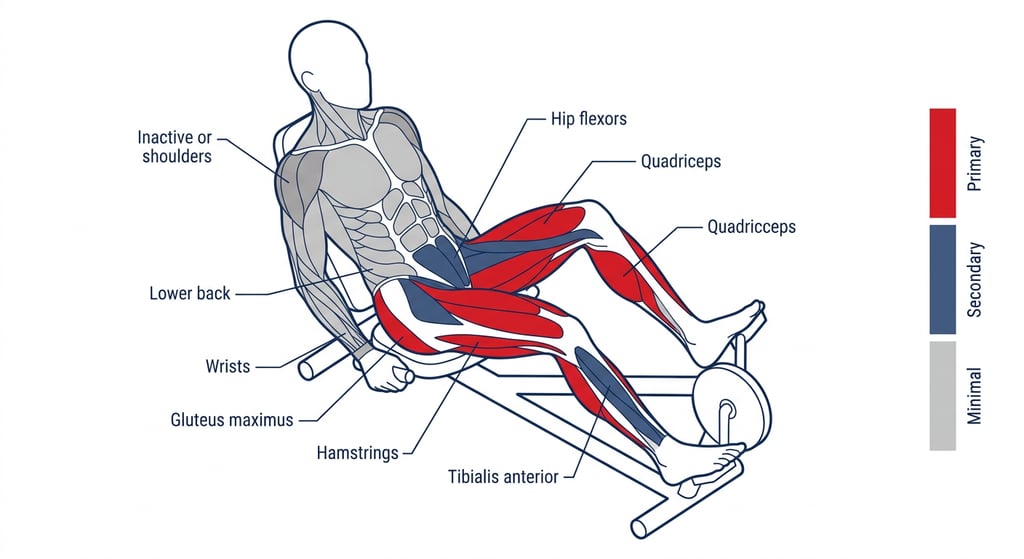
Recumbent exercise bikes provide a low-impact cardiovascular workout that is gentle on the joints, making them ideal for individuals with arthritis or knee pain. The reclined seating position and large backrest offer significant lumbar support, promoting proper spinal alignment and reducing back strain. These machines help strengthen lower body muscles, including the glutes, hamstrings, and quadriceps, while improving overall aerobic conditioning.
Biomechanical Advantages: Why Recumbent is Better for Your Body
When we look at training efficiency, the reclined position of recumbent exercise bikes offers a unique biomechanical advantage. Unlike an upright bike where your body weight rests on a small saddle, a recumbent bike distributes your weight across a much larger surface area. This reduces pressure on the sit bones and eliminates the forward-leaning posture that often leads to neck and wrist fatigue.
For many of my clients, the primary barrier to cardio is discomfort. A stationary bike for joint pain must address the specific mechanics of the hip and knee. On a recumbent machine, the pedals are positioned in front of your body rather than directly beneath it. This horizontal pedaling plane significantly reduces the shearing force on the knee joints, allowing for a fluid range of motion that promotes synovial fluid circulation without the grinding associated with high-impact activities.
The benefits of recumbent cycling extend to the spine as well. A clinical trial involving 50 adults found that eight weeks of regular recumbent cycling resulted in significant improvements in pain control, endurance, and walking ability for participants managing lower back pain. By maintaining proper spinal alignment against a supportive backrest, you can focus entirely on lower body power output. This setup effectively engages the glutes, hamstrings, and quadriceps, ensuring that your aerobic conditioning does not come at the expense of your structural health.
Physical Therapist Insight: Research indicates that exercise in a recumbent position places less strain on the cardiovascular system compared to the forward-leaning orientation of upright cycling. This allows the heart to pump blood more efficiently to the working muscles, helping athletes return to baseline heart rates more effectively during intervals or post-workout recovery.
Specialized Use Cases: Seniors, Rehab, and Weight Loss
Recumbent bikes are the gold standard for specific populations, particularly those prioritizing safety and accessibility. One of the most important design elements is the step-through frame. This allows users to sit down and stand up without having to lift their legs over a high center bar, which is a critical feature for anyone with mobility challenges or balance issues.

There are distinct benefits of recumbent exercise bikes for seniors that go beyond just the seat. The stable, low-to-the-ground design provides a secure base that minimizes the risk of falls. Many models also include hand-grip heart rate sensors located right next to the seat, allowing users to monitor their cardiovascular endurance and intensity levels without reaching forward or losing their balance.
When it comes to weight management, there is a common debate regarding choosing between recumbent vs upright exercise bikes. It is true that, on average, a person burns approximately 20% fewer calories per hour on a recumbent bike than on an upright bike. Specifically, 30 minutes of moderate exercise burns about 210 calories for a 155-pound individual. However, I always tell my readers that the "best" workout is the one you actually finish. Because recumbent bikes are more comfortable, users often stay on them for longer durations, which can lead to higher total caloric expenditure over time. For those seeking effective recumbent bike workouts for weight loss, consistency and session length are your biggest allies.
Recumbent vs. Upright Comparison
| Feature | Recumbent Bike | Upright Bike |
|---|---|---|
| Back Support | Full lumbar support | Minimal to none |
| Joint Impact | Very low (horizontal plane) | Low (vertical plane) |
| Muscle Focus | Glutes, hamstrings, quads | Quads, calves, core |
| Ease of Access | High (Step-through frame) | Moderate (High step-over) |
| Caloric Burn | Moderate (~210 cal/30 min) | High (~260 cal/30 min) |
| Ideal For | Rehab, seniors, back pain | High-intensity intervals |
Buyer’s Guide: Essential Home Recumbent Bike Features
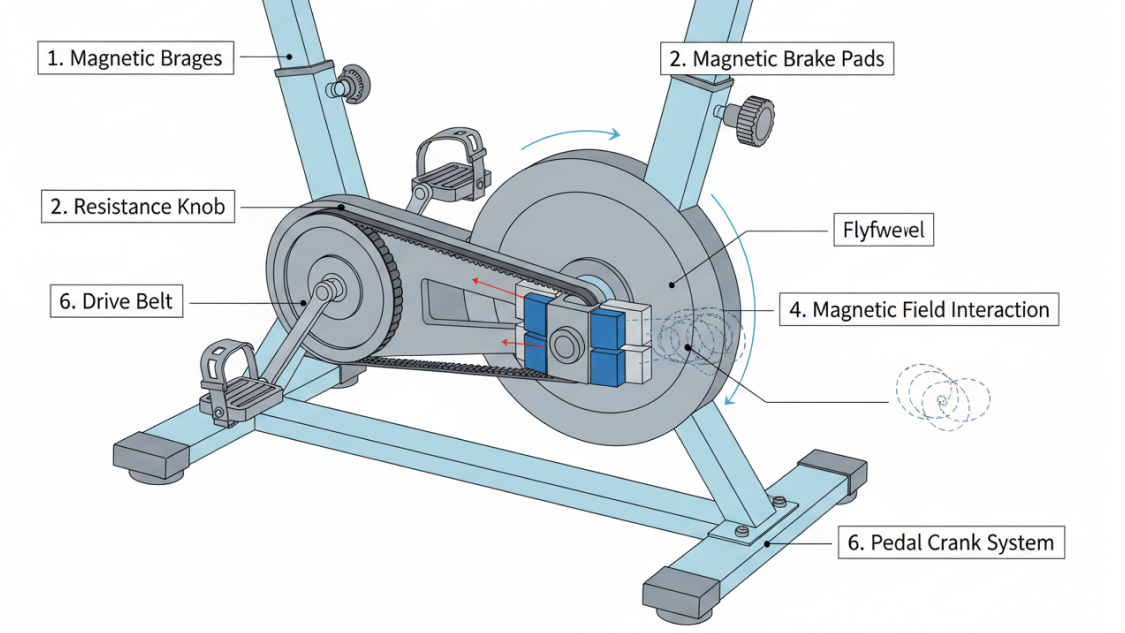
If you are looking for the best recumbent exercise bike for bad knees and back pain, you need to look past the flashy screens and focus on the internal components. The heart of any good home bike is its resistance system. I always recommend prioritizing models with magnetic resistance. These systems use magnets to create tension against the flywheel, resulting in a whisper-quiet operation that is perfect for watching TV or exercising while the rest of the house is asleep.
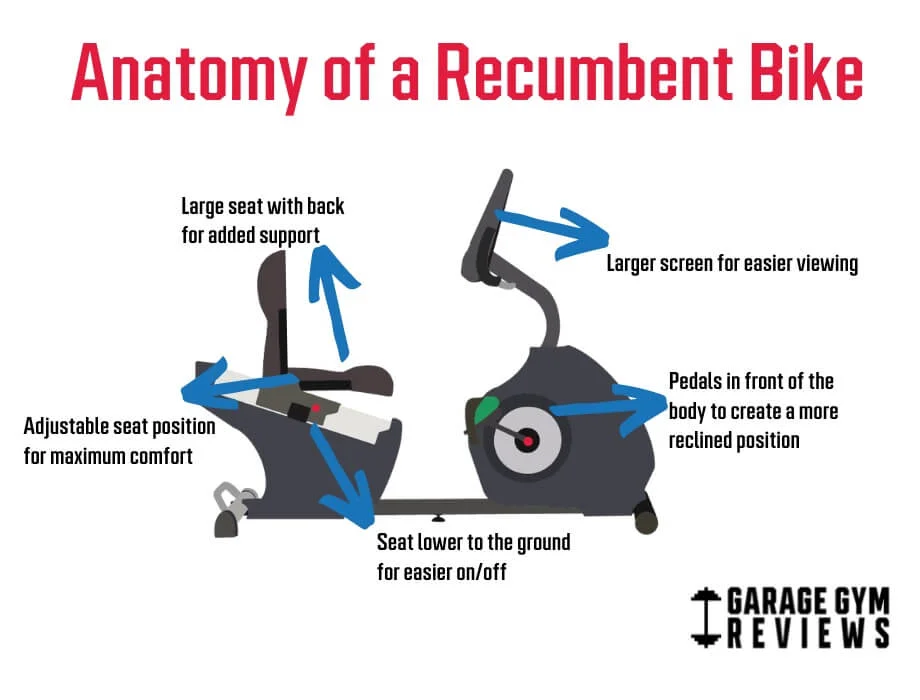
When evaluating home recumbent bike features, consider these essential technical specifications:
- Flywheel Weight: A heavier flywheel (typically over 15 lbs) provides a smoother, more realistic pedaling motion.
- Inseam Adjustability: Ensure the seat can accommodate your height. Look for a range of 26 to 41 inches to ensure proper leg extension.
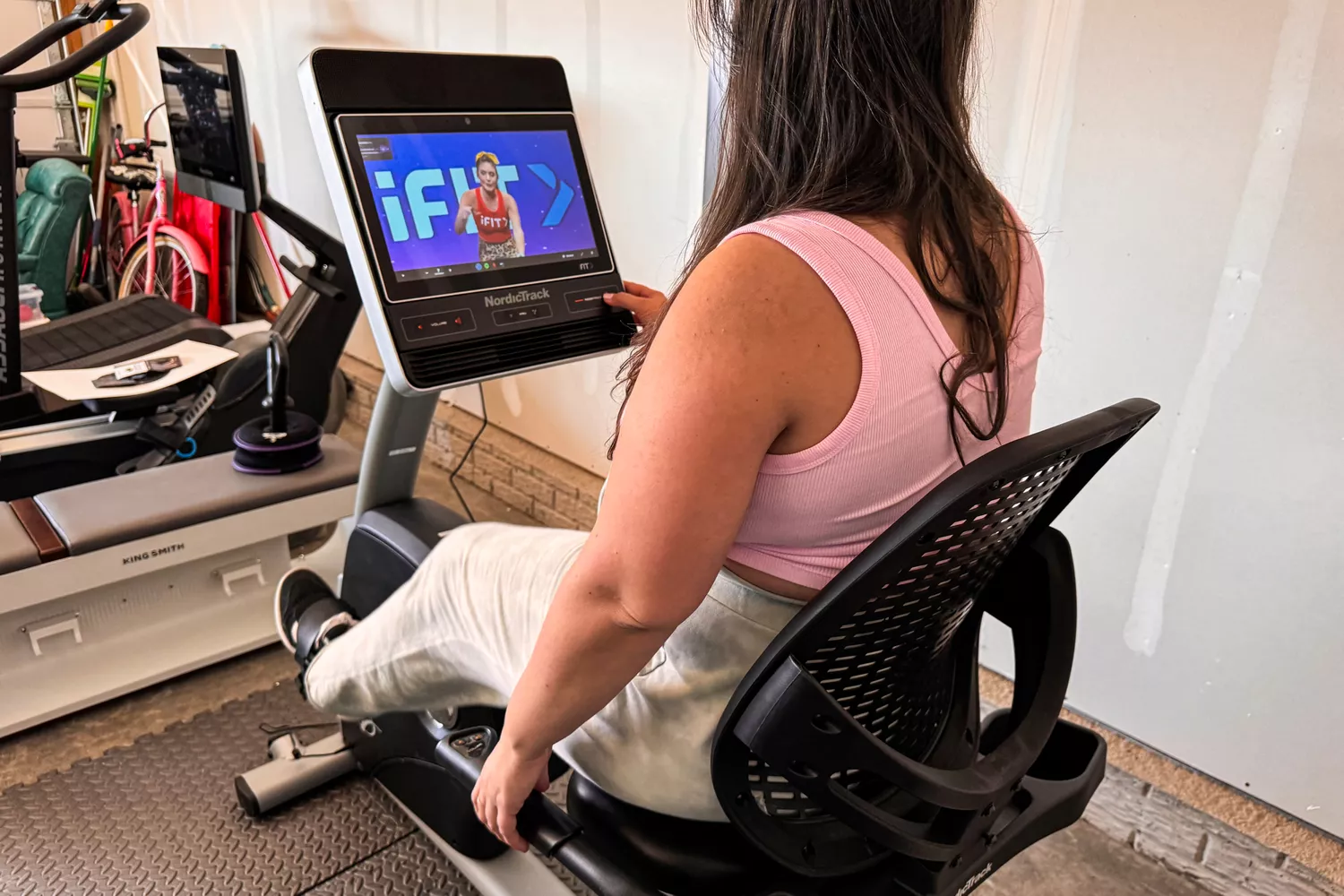
- Console Clarity: You want a clear LCD display that tracks essential metrics like heart rate, distance, and time.
- Connectivity: Advanced options now offer Bluetooth to sync with fitness apps, which can help track your progress and provide virtual riding routes.
Don't overlook the step-through recumbent bike benefits for mobility challenges when shopping. A wide, open space between the console and the seat makes a world of difference for accessibility. Also, check the weight capacity; modern consumer models are built robustly and can often support up to 350 or 400 pounds.
Getting Started: A 15-Minute Entry Strategy
If you are new to the world of indoor cycling, do not feel pressured to start with hour-long sessions. The beauty of these machines is their accessibility. To build your cardiovascular endurance safely, start with this 15-minute introductory routine:
- Warm-up (3 Minutes): Pedal at a very low resistance (Level 1-2). Focus on deep breathing and getting your legs moving.
- Moderate Effort (10 Minutes): Increase the resistance to a point where you can still hold a conversation but feel your heart rate rising. Maintain a steady cadence.
- Cool-down (2 Minutes): Drop the resistance back to the lowest setting. Let your heart rate settle as you slow your pace.
As you become more comfortable, you can increase the duration by five minutes each week. Consistency is the secret sauce to seeing long-term results in both mobility and heart health.
FAQ
What are the main benefits of using a recumbent exercise bike?
The primary benefits include a low-impact workout that protects the joints, exceptional lumbar support that reduces back pain, and a comfortable seated position that encourages longer exercise sessions. It is a highly effective tool for improving cardiovascular endurance while targeting the glutes, hamstrings, and quads.
Is a recumbent bike better than an upright bike for weight loss?
While an upright bike burns about 20% more calories per hour due to the engagement of the core and upper body, the recumbent bike is often better for long-term weight loss consistency. Users who find upright bikes uncomfortable are more likely to stick with a recumbent bike program over several months.
Are recumbent exercise bikes good for people with back pain?
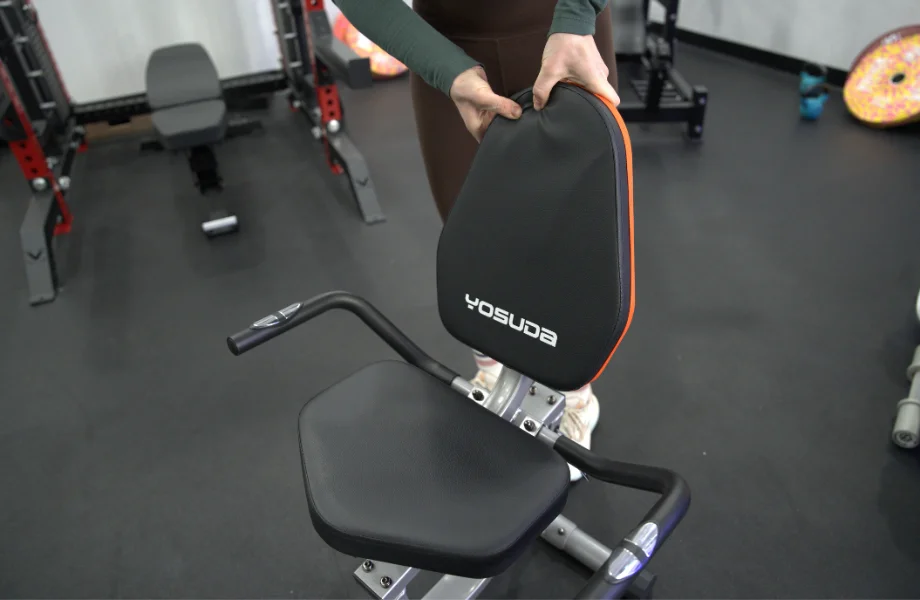
Yes, they are specifically designed for this. The reclined seat and large backrest provide essential lumbar support and promote a neutral spinal alignment. This takes the pressure off the lower back that is often exacerbated by the forward-leaning posture of traditional bikes.
Can you get a good cardio workout on a recumbent bike?
Absolutely. By adjusting the resistance levels and maintaining a high revolutions-per-minute (RPM) count, you can easily reach your target heart rate zones. It provides an effective aerobic workout that strengthens the heart and lungs just as well as other equipment.
Is a recumbent bike easier on the knees than other equipment?
Yes, it is one of the most joint-friendly pieces of cardio equipment available. Because the pedals are in front of the user, the angle of the knee extension is wider and the impact is virtually zero, making it much easier on the knees than a treadmill or even some elliptical trainers.
Are recumbent bikes recommended for seniors?
They are highly recommended for seniors because of their stability, ease of access via the step-through frame, and the reduced risk of falling. They provide a safe way to maintain leg strength and cardiovascular health without putting undue stress on aging joints.
Before starting any new exercise program, especially if you are managing an injury or chronic condition, always consult with a healthcare professional or physical therapist to ensure the movement patterns are appropriate for your specific needs.