Quick Facts
- RDA: 55mcg for adults is the standard daily recommendation.
- Upper Limit: 400mcg per day to prevent toxicity and side effects.
- Core Benefit: Regulates the conversion of T4 to active T3 thyroid hormones.
- Primary Mechanism: Acts through glutathione peroxidase to reduce nighttime oxidative stress.
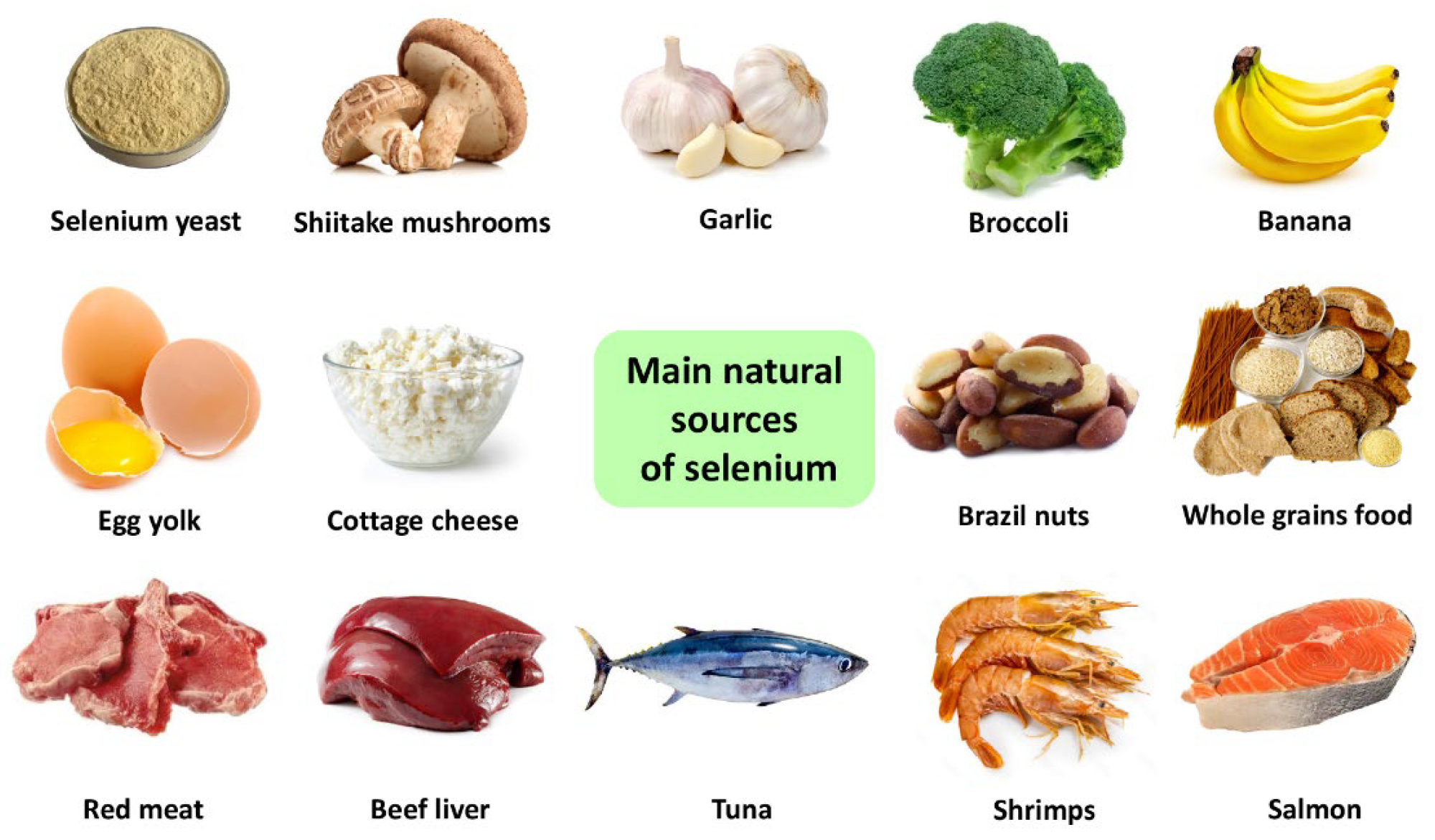
- Top Food Source: Brazil nuts provide more than 100% of the daily requirement in a single nut.
- Study Insight: Higher intake is associated with a 19% increased probability of getting 7–9 hours of sleep.
Selenium for sleep works by reducing oxidative stress through glutathione peroxidase and supporting thyroid health, which is essential for maintaining a healthy circadian rhythm and deep recovery. By regulating thyroid hormone synthesis and protecting the brain from inflammatory damage, this mineral helps the body maintain the endocrine balance required for a consistent and restorative sleep cycle.
Many of my clients come to me exhausted, despite doing everything right by the book. They avoid blue light and keep their rooms cool, yet they still experience short sleep duration of less than seven hours. While we often look at macronutrients, we sometimes overlook the power of essential trace minerals. Using selenium for sleep is a strategy gaining traction in the preventive health community, especially following the 2026-updated NHANES findings. These studies suggest that selenium plays a critical role in cellular repair and metabolic regulation, ensuring that our bodies transition smoothly into restorative rest.
The Science: How Selenium Supports Deep Sleep Recovery
The relationship between selenium for sleep and the quality of our nightly rest is rooted in the endocrine system. The thyroid gland contains the highest concentration of selenium of any organ in the human body. This mineral is a vital component of deiodinase enzymes, which manage thyroid hormone synthesis by converting thyroxine (T4) into its active form, triiodothyronine (T3). When thyroid function is optimal, your metabolism and body temperature follow a natural circadian rhythm regulation, which is the internal clock that tells you when to wake up and when to fall asleep.
Beyond the thyroid, selenium is a key building block for 25 different selenoproteins. The most famous of these is glutathione peroxidase, a powerful internal antioxidant. During the day, our brains accumulate metabolic waste and oxidative stress. As we enter the stages of deep sleep, our bodies use these selenoproteins to perform a cellular repair mechanism that clears out these toxins. Without enough selenium, this "nightly cleanup" is less efficient, which may contribute to a perceived lack of refreshment in the morning.
Clinical evidence reinforces these biological links. A longitudinal study involving 17,176 adults published in Nutrients found that those in the highest tertile of selenium intake had a 19% higher likelihood of achieving the optimal sleep duration of seven to nine hours per day. For those struggling with selenium deficiency and sleep quality, the result is often fragmented rest or difficulty staying asleep, as the body lacks the anti-inflammatory properties needed to keep the nervous system calm throughout the night.
Natural Sources: Selenium Rich Foods for Better Sleep
For most people, the most effective way to improve mineral status is through the diet. Using selenium rich foods for sleep is generally safer than jumping straight into high-dose supplements because the mineral is packaged with other synergistic nutrients like Vitamin E. Soil quality varies globally, which means the selenium content of a vegetable grown in one region may be vastly different from another. However, certain foods are consistently high in this mineral.
Brazil nuts are essentially nature's supplement. They are so potent that using brazil nuts as a natural sleep aid requires caution; eating too many can actually lead to excessive intake. Other excellent sources include seafood and lean meats, where the mineral is highly concentrated. If you are looking for selenium rich foods for better sleep, consider the following table for your meal planning:
| Food Source | Serving Size | Selenium Content (mcg) | % Daily Value (DV) |
|---|---|---|---|
| Brazil Nuts | 1 nut | 68 - 91 | 124% - 165% |
| Yellowfin Tuna | 3 oz | 92 | 167% |
| Halibut | 3 oz | 47 | 85% |
| Sardines | 3 oz | 45 | 82% |
| Grass-fed Beef | 3 oz | 33 | 60% |
| Boneless Turkey | 3 oz | 31 | 56% |
| Whole Wheat Bread | 1 slice | 13 | 23% |
Integrating these essential trace minerals into your dinner can help prime your body for rest. Bioavailability is generally high in animal products and nuts, but pairing these foods with a variety of vegetables ensures you get the micronutrient absorption needed for long-term health. I often recommend a palm-sized portion of halibut or a couple of sardines with whole grains for a sleep-supportive evening meal.
Supplementation: Finding a Safe Selenium Dosage for Sleep
If you cannot meet your needs through diet alone, supplementation can be a helpful bridge. However, the therapeutic window for this mineral is quite narrow, often described as a "U-shaped" risk curve. Both too little and too much can cause health issues. When determining a selenium dosage for sleep, the goal is to reach the Recommended Dietary Allowance (RDA) of 55mcg for adults without exceeding the Tolerable Upper Intake Level (UL) of 400mcg.
Most high-quality supplements use selenomethionine or selenium-enriched yeast, which are forms that mirror how the mineral is found in food. These forms are preferred because they have better absorption rates and are more effective at supporting the endocrine system balance. Taking a safe selenium dosage for sleep can help stabilize cortisol levels, preventing that "wired but tired" feeling that keeps many people awake at 2 AM.
Lily’s Safety Note: More is not better. Signs of selenium toxicity (selenosis) include a garlic-like odor on the breath, hair loss, nail brittleness, and digestive distress. Always consult with a healthcare provider before starting a daily supplement, especially if you already eat Brazil nuts regularly.
Regarding the best time to take selenium for sleep, many experts suggest taking it with your largest meal to enhance absorption and minimize any potential stomach upset. Since it works by supporting long-term thyroid and antioxidant function rather than acting as a sedative, the consistency of your daily intake is more important than the specific hour you take the pill.
Absorption Blockers and Who is at Risk
Even if you are eating the right foods, certain factors can hinder how your body utilizes selenium. For instance, the long-term use of Proton Pump Inhibitors (PPIs) or H2 blockers for acid reflux can change the pH of the gut, potentially reducing micronutrient absorption. People with digestive disorders like Crohn's disease or celiac disease are also at a higher risk for deficiency.
Furthermore, minerals don't work in isolation. The synergy between selenium and magnesium for sleep improvement is a growing area of interest. Magnesium helps with muscle relaxation and GABA regulation, while selenium handles the oxidative and hormonal side of the equation. If you are deficient in one, the other may not be able to perform its job in the cellular repair mechanism effectively. Ensuring a broad spectrum of minerals in your diet is the best way to support your circadian rhythm and achieve that deep, restorative rest we all crave.
FAQ
Does selenium help you sleep better?
Selenium helps you sleep better by acting as a powerful antioxidant and supporting thyroid health. By reducing oxidative stress and ensuring thyroid hormones are properly regulated, it helps the body maintain a steady circadian rhythm and enter deep recovery phases more easily.
How much selenium should I take for sleep?
The standard RDA for adults is 55 micrograms per day. While some supplements offer 200 micrograms, it is important not to exceed the 400 microgram upper limit from all sources, including food, to avoid toxicity.
What is the best time of day to take selenium?
There is no strict rule, but taking it with a meal—ideally breakfast or lunch—can help improve absorption and prevent digestive upset. Since it supports systemic health rather than acting as a direct sedative, consistency is more important than timing.
Can selenium deficiency cause insomnia?
While not a direct cause of clinical insomnia for everyone, low levels are linked to short sleep duration and poor sleep quality. A deficiency can lead to increased oxidative stress and thyroid imbalances, both of which interfere with the ability to stay asleep and feel rested.
Is it safe to take selenium every day for sleep?
It is generally safe to take daily if you stay within the recommended ranges. However, if your diet is already rich in seafood or if you eat Brazil nuts daily, you likely do not need an additional supplement. Chronic over-supplementation can lead to selenosis, so monitoring your total intake is vital.