
Quick Facts
- The Biological Trigger: Sleep deprivation brain fog is primarily caused by the disruption of the glymphatic system, which prevents the brain from clearing metabolic waste like beta-amyloid.
- Intoxication Equivalence: Staying awake for 24 hours creates cognitive impairment comparable to a 0.10% blood alcohol concentration, which exceeds the legal driving limit.
- Performance Hit: Poor rest leads to a 20% increase in task error rates and significantly slower mental processing speeds.
- Memory Consolidation: Sleeping fewer than six hours per night for one week results in a 40% decrease in the brain's ability to consolidate new memories.
- Prevalence: More than one-third of adults fail to get the recommended amount of sleep, reporting daytime sleepiness at least three days per week.
- Recovery Window: While one night of restorative rest can fix acute fog, recovering from chronic sleep restriction requires multiple consecutive nights of 10-hour sleep cycles.
Sleep deprivation triggers brain fog by disrupting the glymphatic system’s ability to clear metabolic waste and hindering the prefrontal cortex. This leads to impaired executive function, slower processing speeds, and increased neuroinflammation, which manifest as persistent mental cloudiness and a significantly reduced attention span.
The Biological Mechanism: Why Sleep Loss Clouds the Mind
When we talk about sleep deprivation brain fog, we are not just describing a feeling of tiredness; we are describing a physiological state where the brain is physically unable to perform its maintenance duties. The most critical player in this process is the glymphatic system. Think of this system as the brain's internal plumbing. During deep, slow-wave sleep, the space between brain cells increases, allowing cerebrospinal fluid to wash away metabolic debris accumulated during the day. When we cut sleep short, this waste—including proteins like beta-amyloid—remains in the neural tissue, leading to neuroinflammation and that heavy, "clouded" sensation.
Furthermore, sleep loss creates a state of prefrontal vulnerability. The prefrontal cortex is the CEO of your brain, responsible for executive function, decision-making, and emotional regulation. This area is the first to go offline when we are sleep-deprived. As adenosine buildup increases—a chemical that creates sleep pressure the longer we stay awake—it interferes with the neural firing in this region. This causes signs your brain fog is caused by poor sleep quality, such as an inability to find the right words, a lack of impulse control, and a total loss of creative flow.
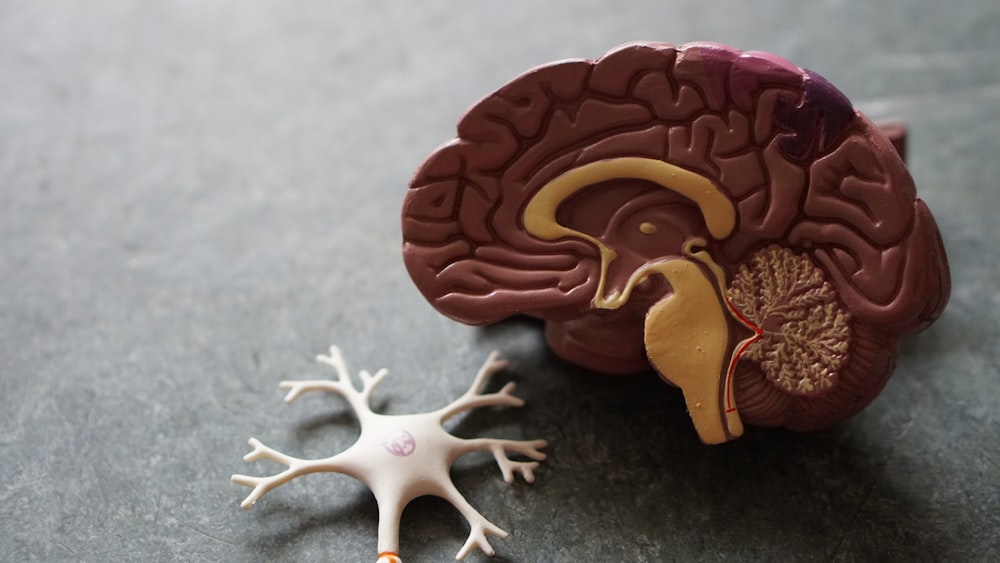
The cognitive impact of sleep loss is compounded by the fact that your neurons literally slow down. Research shows that sleep-deprived neurons have trouble communicating with each other, leading to delayed reactions and mental "glitches." This is why even simple tasks feel like wading through deep water when your sleep habits for mental clarity have fallen by the wayside.
Quantifying the Haze: Sleep Loss vs. Alcohol Intoxication
Many of us try to "power through" a day after four hours of sleep, thinking we are functioning well enough. However, the data tells a much more alarming story. Scientific studies have demonstrated that being awake for 24 hours straight results in a level of cognitive impairment equivalent to a 0.10% blood alcohol concentration. In most parts of the United States, this is well above the legal limit for operating a vehicle. Even if you haven't pulled a full "all-nighter," sleeping only six hours for several nights in a row produces similar deficits in vigilance and reaction time.
| Hours Awake / Sleep Level | Cognitive Equivalent | Typical Performance Impact |
|---|---|---|
| 17-19 Hours Awake | 0.05% BAC | Slower reaction times, minor memory lapses |
| 24 Hours Awake | 0.10% BAC | Major lapses in attention, significant error rates |
| 1 Week of < 6 Hours Sleep | Severe Chronic Impairment | 40% drop in memory consolidation capacity |

This level of impairment affects more than just your mood. When dealing with recovering from chronic sleep restriction cognitive impairment, individuals often experience a 14% increase in task completion time and a terrifyingly high rate of microsleeps—brief moments where the brain shuts down for seconds at a time without the person even realizing it. This loss of neuroplasticity means that not only are you performing worse, but you are also losing the ability to learn from the mistakes you make throughout the day.
How Long to Recover? Chronological Timelines for Clarity
One of the most frequent questions I hear as an editor is: how long to recover from sleep deprivation brain fog? The answer depends entirely on whether your sleep loss is acute or chronic. If you stayed up late one night for a deadline but generally maintain good sleep hygiene, a single "recovery sleep" of eight to nine hours is often enough to reset your baseline. During this catch-up period, your brain will naturally prioritize more time in restorative cycles, specifically deep sleep, to clear out the accumulated adenosine and metabolic waste.
However, if you have been surviving on five or six hours of sleep for weeks, the recovery process is more complex. You cannot "repay" a week of sleep debt with one long Saturday lie-in. Chronic sleep restriction leads to wake-state instability, where your cognitive performance fluctuates wildly even after you think you’ve caught up. Research suggests that it can take two to three consecutive nights of 10-hour sleep cycles to return mental processing speeds and executive function to their normal levels.

During this recovery phase, it is vital to respect your circadian rhythm. Attempting to recover by sleeping until noon can actually worsen the problem by shifting your internal clock, making it harder to fall asleep the following night. The goal is to extend sleep duration while keeping your wake-up time relatively consistent.
Actionable Strategies: Tips for Clearing Brain Fog
If you find yourself in the middle of a "foggy" day after a poor night of rest, there are evidence-based tips for clearing brain fog that go beyond just reaching for another cup of coffee. While caffeine can mask the symptoms of adenosine buildup, it does not actually "clear" the brain. Instead, focus on these holistic strategies to manage the day while preparing for better rest tonight.
- Seek Morning Sunlight: Exposure to natural light within 30 minutes of waking up is the most powerful way to anchor your circadian rhythm. This suppresses melatonin and triggers a healthy cortisol release to help clear initial grogginess.
- Reduce Cognitive Load: A sleep-deprived brain has a limited attention span. Don't try to multitask. Instead, employ a morning routine to clear brain fog after poor sleep by writing down only three essential tasks and tackling them one by one.
- Strategic Hydration and Nutrition: Dehydration mimics and worsens brain fog. Drink a glass of water before your coffee. For meals, focus on healthy fats and proteins—such as avocados or walnuts—which support brain cell membrane health and provide steady energy without the sugar crash.
- Take a "Non-Sleep Deep Rest" (NSDR) Break: If you can't nap, a 10-minute NSDR or Yoga Nidra session can help lower neuroinflammation and calm the nervous system, providing a temporary boost in focus.
- Implement Natural Remedies: Consider natural remedies for persistent brain fog from insomnia such as magnesium glycinate or L-theanine in the evening, which can help transition the brain into the slow-wave sleep needed for waste clearance.

Knowing how to stay focused at work with sleep deprivation is often about managing expectations. Acknowledge that your error rate will be higher. Double-check your emails, avoid making major life decisions, and save the most complex analytical work for a day when your brain is fully recharged.
FAQ
How long does brain fog from lack of sleep last?
For acute sleep loss, brain fog typically lasts until you get a full, restorative night of sleep. However, for chronic sleep debt, the mental haze can persist for several days or even weeks until the sleep debt is sufficiently reduced and the glymphatic system has caught up on waste removal.
How do I clear my head after a sleepless night?
The most effective way to clear your head immediately is through a combination of hydration, immediate exposure to bright morning sunlight, and a cold shower. These actions stimulate the nervous system and help reset your internal clock, though they are temporary fixes until you can sleep again.
What are the symptoms of sleep deprivation brain fog?
Common symptoms include a reduced attention span, difficulty finding specific words, "tip-of-the-tongue" forgetfulness, slower reaction times, and a lack of motivation. You may also experience emotional irritability and a feeling of being disconnected from your surroundings.
How many hours of sleep do you need to avoid brain fog?
Most adults require between seven and nine hours of quality sleep per night. Falling consistently below the seven-hour mark is the most common trigger for persistent cognitive decline and reduced executive function.
Does caffeine help or worsen brain fog from lack of sleep?
Caffeine provides a temporary illusion of clarity by blocking adenosine receptors, but it does not clear the underlying metabolic waste. Over-consuming caffeine, especially late in the day, can worsen brain fog by interfering with the following night’s deep sleep, creating a vicious cycle of exhaustion.