Quick Facts
- Melatonin Trigger: Darkness signals the pineal gland to convert serotonin to melatonin for rest.
- Light Threshold: As little as 8-10 lux of ambient light can disrupt deep sleep cycles.
- Cognitive Boost: Wearing a mask improves memory consolidation and next-day alertness based on 2023 research.
- Ideal Weight: Choose masks weighing 1.5 ounces or less to prevent unnecessary facial pressure.
- Replacement Cycle: Refresh your mask every 3-6 months to maintain hygiene and seal integrity.
- Key Materials: High-quality options include 22-30 momme mulberry silk or contoured memory foam.
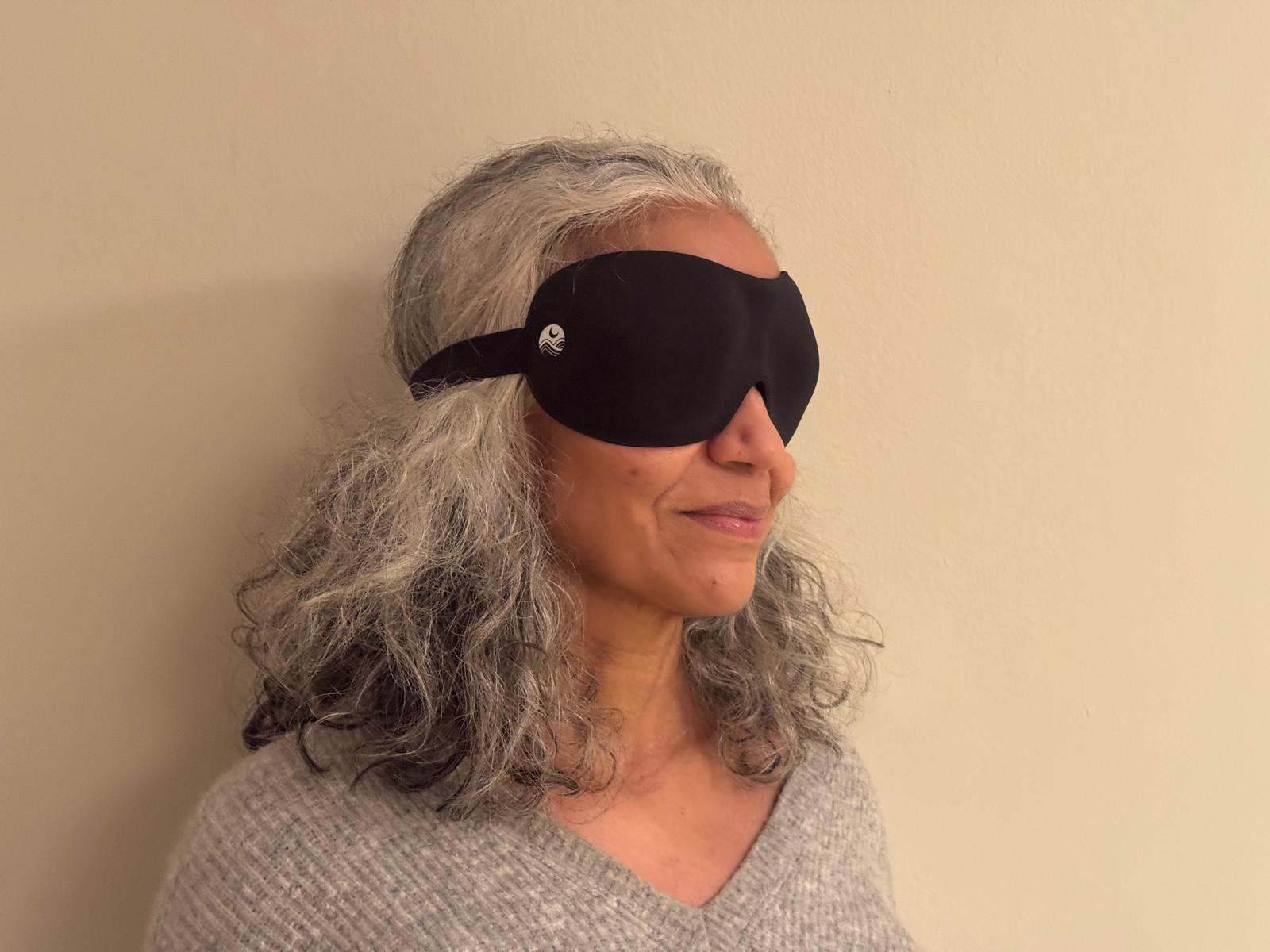
Using a sleep mask provides significant sleep mask benefits by blocking external light to create total darkness for sleep. This environment triggers the pineal gland to increase melatonin and darkness for sleep regulation, ultimately improving deep sleep with masks by minimizing REM disruptions.
The Science of Darkness: Melatonin and the Pineal Gland
In my years as a preventive care editor, I have found that the simplest interventions often yield the most profound health outcomes. The biological relationship between light and the brain is a primary example. Our internal clock, or circadian rhythm, is governed by the pineal gland, a small endocrine gland that responds directly to environmental light cues. When the retina detects a drop in light intensity, it signals the pineal gland to initiate melatonin production. This hormone is the chemical key that unlocks the door to sleep, transitioning the body from a state of high-alert cortisol production into a restorative rest-and-digest mode.
Modern living environments are rarely truly dark. Streetlights, electronic standby lights, and early morning sun can easily exceed the 8-10 lux threshold, which is the point where melatonin suppression begins. Research indicates that wearing an eye mask and earplugs in a simulated disruptive environment can significantly elevate nocturnal melatonin levels (p = 0.002) and increase rapid eye movement (REM) sleep time. By creating total darkness for sleep, a mask acts as a physical barrier that protects this delicate hormonal process from the intrusion of artificial light.
This biological pathway specifically involves the activation of MT1 and MT2 receptors. When these receptors are properly engaged in a dark environment, the body can more effectively regulate its internal temperature and metabolic rate. This is the essence of circadian rhythm regulation; without the proper signal of darkness, our bodies remain in a state of physiological limbo, struggling to initiate the deeper, more restorative stages of the sleep cycle.
Beyond Darkness: Cognitive and Physical Sleep Benefits
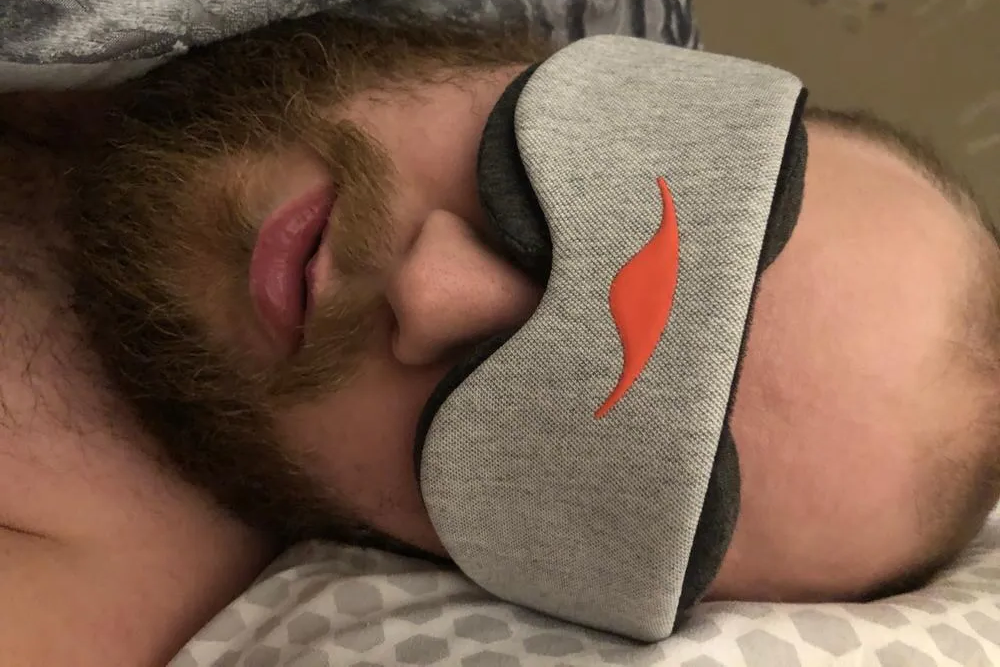
While melatonin production is the headline, the secondary sleep mask benefits extend deep into our cognitive health. We often think of sleep as a passive state, but it is actually an active period of data processing and repair. According to a 2023 study published in the journal Sleep, wearing an eye mask to block ambient light during overnight sleep improves memory, learning, and alertness the following day. This suggests that the benefits of total darkness for melatonin production are directly linked to how our brains consolidate information.
By improving deep sleep with masks, we allow the glymphatic system—the brain's waste clearance pathway—to function at its peak. During REM sleep stages, our brains process emotional experiences and solidify new skills. When light leakage prevention is managed effectively with a mask, these REM cycles are less likely to be fragmented by external stimuli. This is particularly vital for individuals living in urban environments or using a sleep mask for dorm life and travel, where environmental control is limited.
For shift workers and those suffering from the first-night effect while traveling, a mask serves as a portable cue for shift work adaptation. It signals to the brain that it is time to shut down, regardless of the sun's position or the neon signs outside a hotel window. By reducing sleep onset latency—the time it takes to fall asleep—users can maximize their total sleep time even during unconventional hours.
Finding Your Perfect Fit: Material and Design Guide
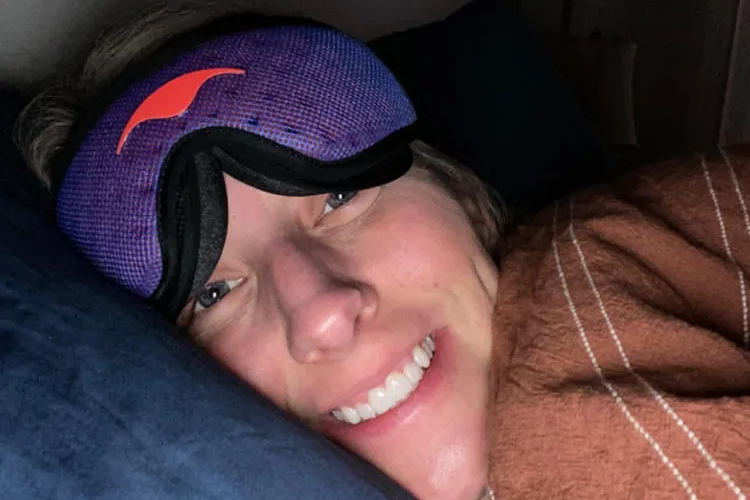
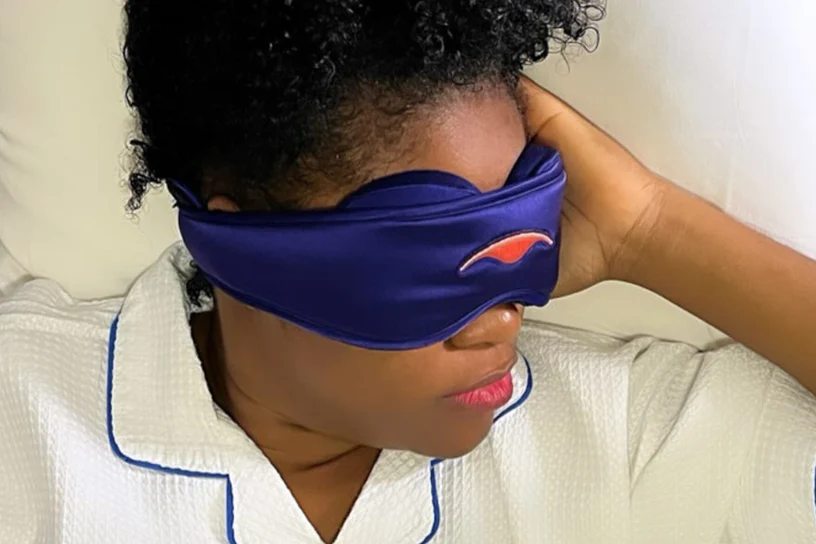
Choosing the right tool is just as important as the practice itself. In the world of sleep hygiene improvements, the debate often centers on silk vs memory foam sleep masks for comfort. Your choice should be dictated by your primary sleeping position and specific skin needs.
Material Comparison: Silk vs. Memory Foam
| Feature | Mulberry Silk (22-30 Momme) | Contoured Memory Foam |
|---|---|---|
| Skin Feel | Extremely smooth, hypoallergenic | Soft, structured, and plush |
| Light Blocking | Excellent (with proper nose bridge) | Superior (due to 3D shape) |
| Breathability | High; ideal for night sweats | Moderate; retains some heat |
| Eye Pressure | Low; flat design | Zero; 3D cups allow blinking |
| Durability | Delicate; requires hand washing | High; usually machine washable |
When looking for the best sleep masks for blocking light 2026, pay close attention to the ergonomic facial fit. A mask that fits perfectly on a back sleeper might slip off for a side sleeper. For those with specific needs, such as eyelash extensions, contoured sleep masks for side sleepers with eyelash extensions are essential. These masks feature deep eye cups that allow for natural eye movement during REM sleep without crushing the lashes.
Who Should Buy This: A Persona Grid
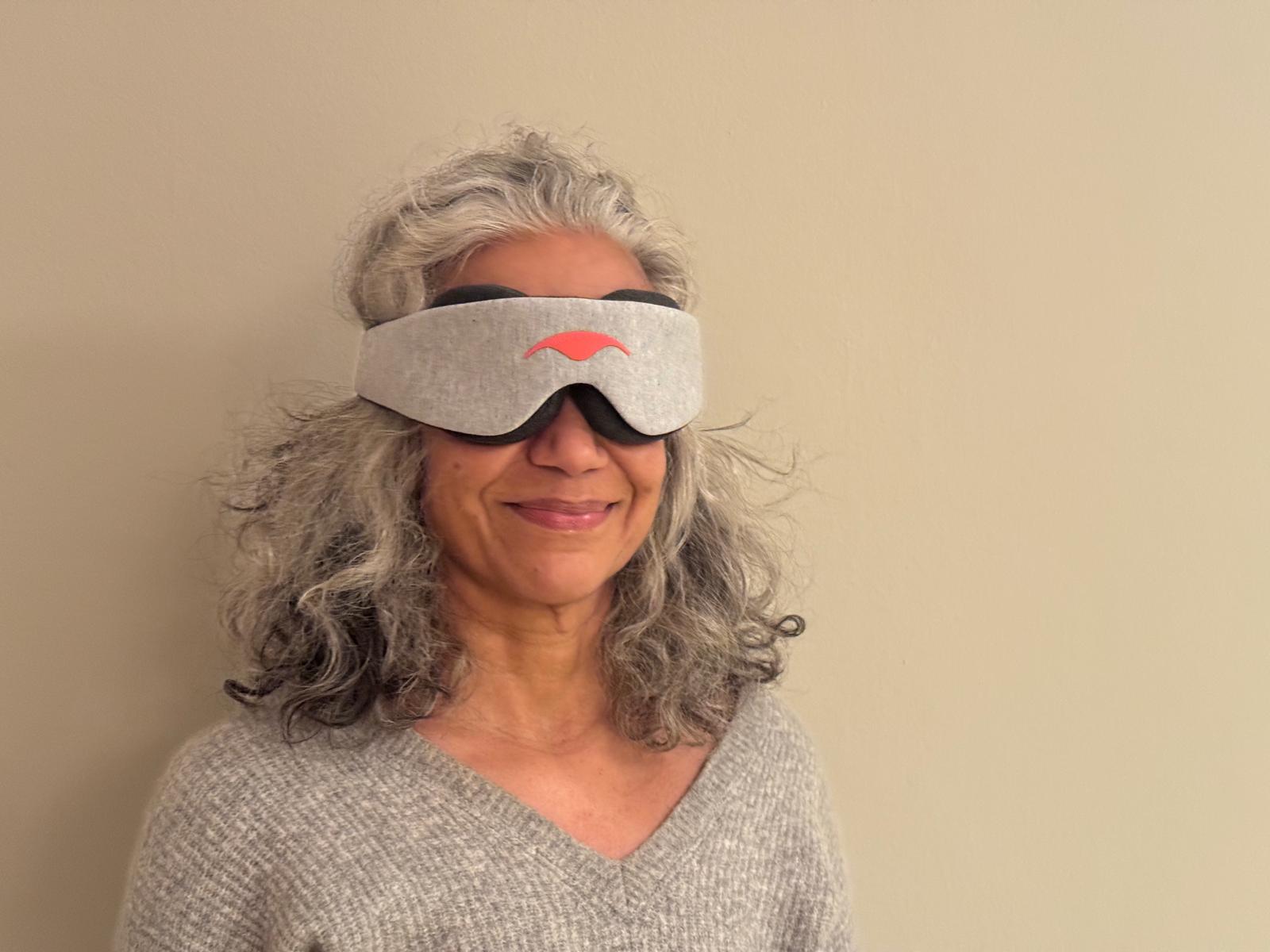
- The Side Sleeper: Look for low-profile, contoured designs with flat side straps to avoid ear discomfort and maintain a seal against the pillow.
- The Hot Sleeper: Prioritize mulberry silk with a lower momme count or bamboo fabrics for maximum breathability and moisture-wicking properties.
- The Traveler/Shift Worker: Seek out total blackout masks with an adjustable nose bridge to ensure no light leaks through the gap around the nostrils.
- The Sensitive Skin Type: Stick to hypoallergenic textiles and undyed organic cotton or silk to prevent contact dermatitis.
Understanding the 3D Contoured Design
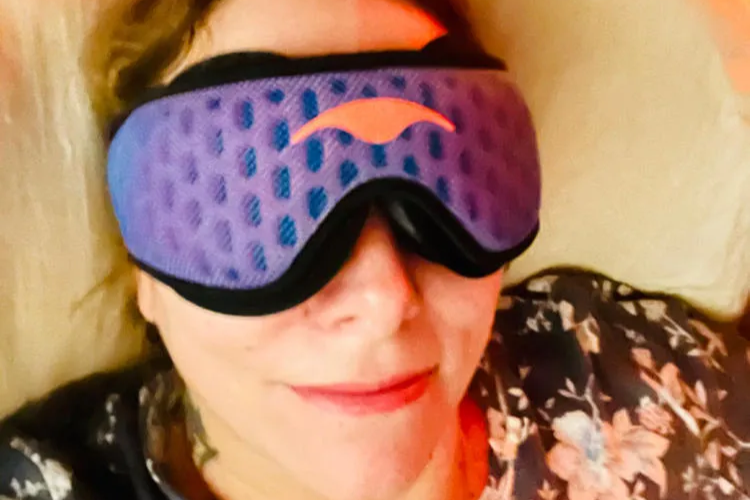
Modern sleep mask technology has moved toward the 3D contoured model. Unlike flat masks, which press against the eyelids, these designs incorporate hollowed-out spaces for the eyes. This is crucial for maintaining the natural blinking reflex during the transition into sleep and protecting the eyes from friction. When learning how to choose a sleep mask for your face shape, look for adjustable velcro or sliding straps that allow you to customize the tension without creating pressure headaches.
Maintenance and Hygiene for Long-Term Health
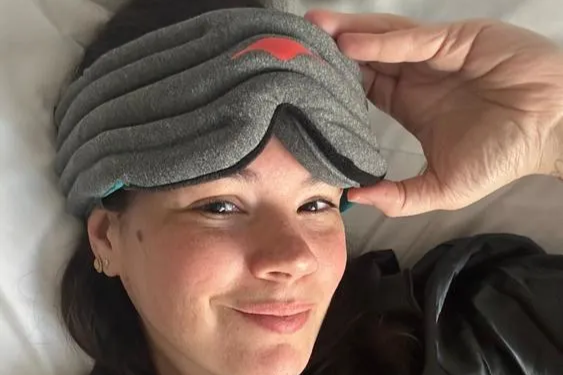
A sleep mask is an intimate accessory that spends 7-9 hours in direct contact with your face every night. This means it can quickly accumulate oils, sweat, and dead skin cells. To avoid breakouts or eye irritation, you must establish a strict maintenance routine.
- The 3-6 Month Replacement Rule: Even the best masks lose their elasticity and structural integrity over time. Once the straps begin to slacken or the light seal is compromised, it is time for a new one.
- How to clean and maintain a silk sleep mask: Silk requires a gentle touch. Hand wash your mask in cold water using a pH-neutral detergent. Avoid wringing the fabric; instead, lay it flat on a clean towel to air dry out of direct sunlight to preserve the fibers.
- Daily Care: Between washes, give your mask a quick shake and let it air out in a well-ventilated area rather than tucking it under your pillow where bacteria can thrive.
FAQ
Is it good to sleep with a sleep mask?
Yes, sleeping with a mask is highly beneficial for most people. It provides a simple, non-pharmacological way to enhance your sleep environment by ensuring total darkness, which is the primary trigger for the production of the sleep hormone melatonin.
What are the main benefits of using a sleep mask?
The primary sleep mask benefits include increased melatonin production, faster sleep onset, and more time spent in the restorative REM and deep sleep stages. Additionally, they provide a physical barrier against dust and can protect the delicate skin around the eyes from friction.
Do sleep masks help you fall asleep faster?
By blocking out distracting ambient light and signaling to the pineal gland that it is time to rest, sleep masks can significantly reduce the time it takes to transition from wakefulness to sleep. This creates a psychological and physiological "darkroom" effect that helps the mind quiet down.
Is a silk sleep mask better than a cotton one?
Silk is generally considered superior for sleep masks because it is less absorbent than cotton, meaning it won't strip the moisture from your skin or eye creams. Silk is also naturally hypoallergenic and has a smoother surface that reduces the risk of sleep wrinkles and irritation.
How does a sleep mask improve sleep quality?
A mask improves sleep quality by preventing light-induced micro-awakenings. Even if you don't fully wake up, small amounts of light can shift you from a deep sleep stage into a lighter one. By maintaining consistent darkness, the mask helps you stay in the deeper, more restorative phases of sleep longer.