Quick Facts
- Space Minimum: A high-performance zone requires as little as 48 square feet of floor space to accommodate essential full-body gear.
- Vertical Storage: Foldable squat racks now feature a folded depth of less than 5 inches, making them ideal for narrow hallways.
- Tech Innovation: New digital resistance units like the Voltra I provide up to 200lbs of tension in a 13lb portable frame.
- Market Growth: The global compact fitness equipment market is surging toward $12.88 billion by 2025 as urban living demands smarter solutions.
- Tenant Safety: Use no-drill pull up bars for small living spaces and high-density floor protection mats to preserve your security deposit.
- Equipment Focus: Prioritize multi-functional tools like the Speediance Gym Monster or adjustable bells of steel cable towers for maximum variety.
To perform a small space workout effectively, prioritize equipment with a vertical footprint or digital resistance. A functional full-body routine can be achieved in as little as 1 square meter using high-volume calisthenics or portable resistance systems like the X3 Bar.
Scenario 1: The Zero-Footprint Studio
Achieving a full-body transformation without a commercial gym footprint is the ultimate goal for the modern urban athlete. When you are dealing with a studio apartment where every square inch is contested, your strategy must pivot toward the apartment friendly full body workout no equipment approach. This is not just about doing a few pushups; it is about high-intensity, high-volume calisthenics that drive hypertrophy and strength without requiring a single permanent fixture.
The beauty of zero-footprint training is that your floor is your only piece of gear. However, for those living in multi-story buildings, you must consider the neighbors. Developing a quiet cardio routine is essential. Instead of high-impact burpees that shake the floorboards, focus on controlled, time-under-tension movements. Slow-tempo mountain climbers, eccentric-focused squats, and isometric holds provide the stimulus you need while maintaining a peaceful environment for the people below you. This minimalist tips philosophy ensures that your fitness journey does not result in an eviction notice.
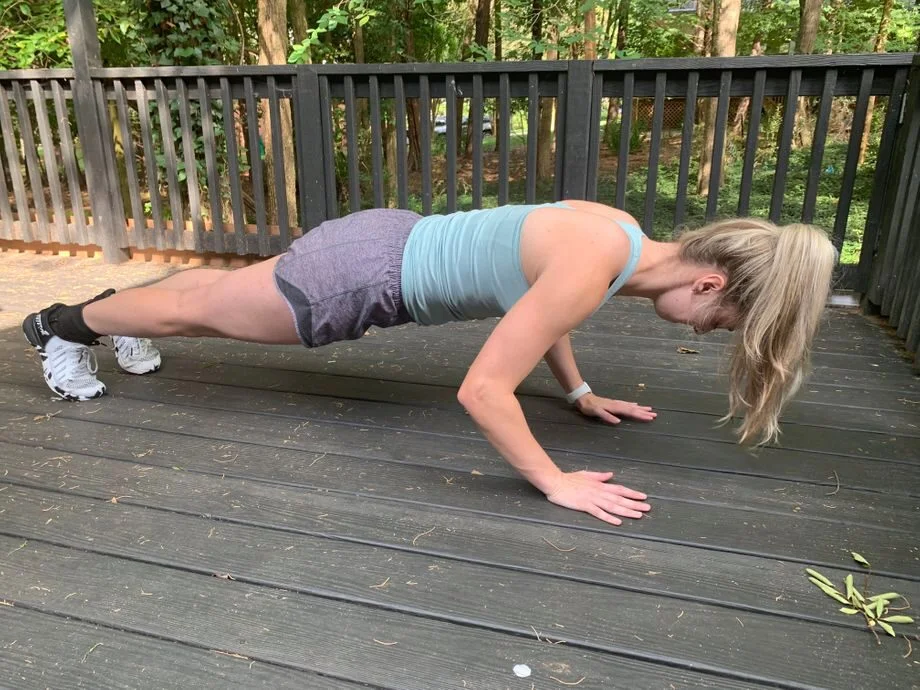
Urban dweller fitness relies on the ability to transition from a living room to a workout zone in seconds. By mastering movements that utilize your own mass, you eliminate the need for equipment storage entirely. Focus on progressions like the pistol squat or the handstand pushup. These movements require significant stability and power but occupy no more space than a standard yoga mat.
Scenario 2: The Modern Minimalist
For those who want more than just bodyweight resistance but refuse to clutter their aesthetic, minimalist strength training with resistance bands and bars is the gold standard. You do not need a 300-pound barbell set to trigger muscle growth. Portable systems like the X3 Bar or the Harambe System utilize heavy-duty latex bands to provide variable resistance that mimics the feel of free weights.
The primary benefit here is the ease of how to store home gym equipment in a small apartment. These systems consist of a ground plate, a reinforced bar, and a set of bands that can be disassembled and tucked into a drawer or a backpack. It is the ultimate expression of a minimalist design aesthetic where the gear only exists when you are using it.
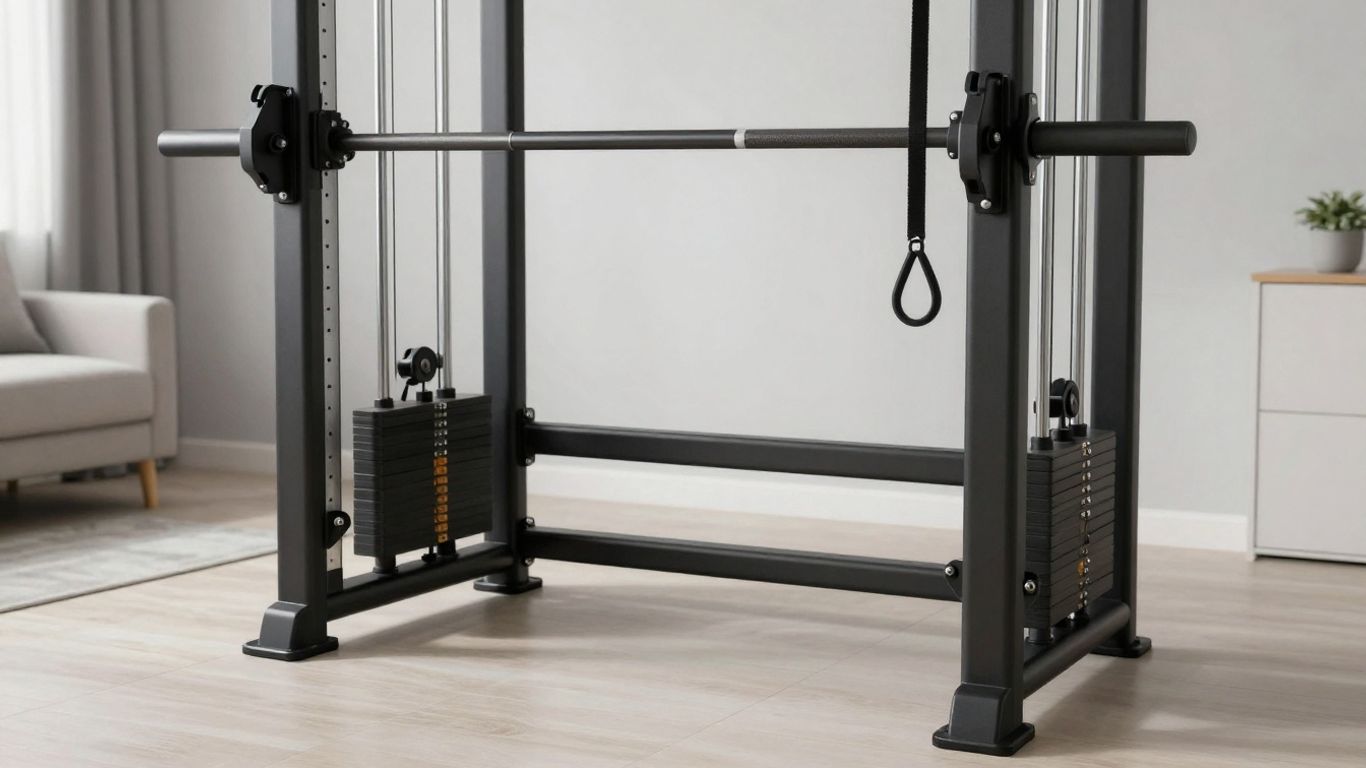
Beyond bars and bands, suspension training systems like the TRX Pro 4 offer incredible versatility. By using a door anchor, you can turn any sturdy doorway into a full-body functional trainer. Because these systems use your body weight at various angles, you can adjust the difficulty level instantly.
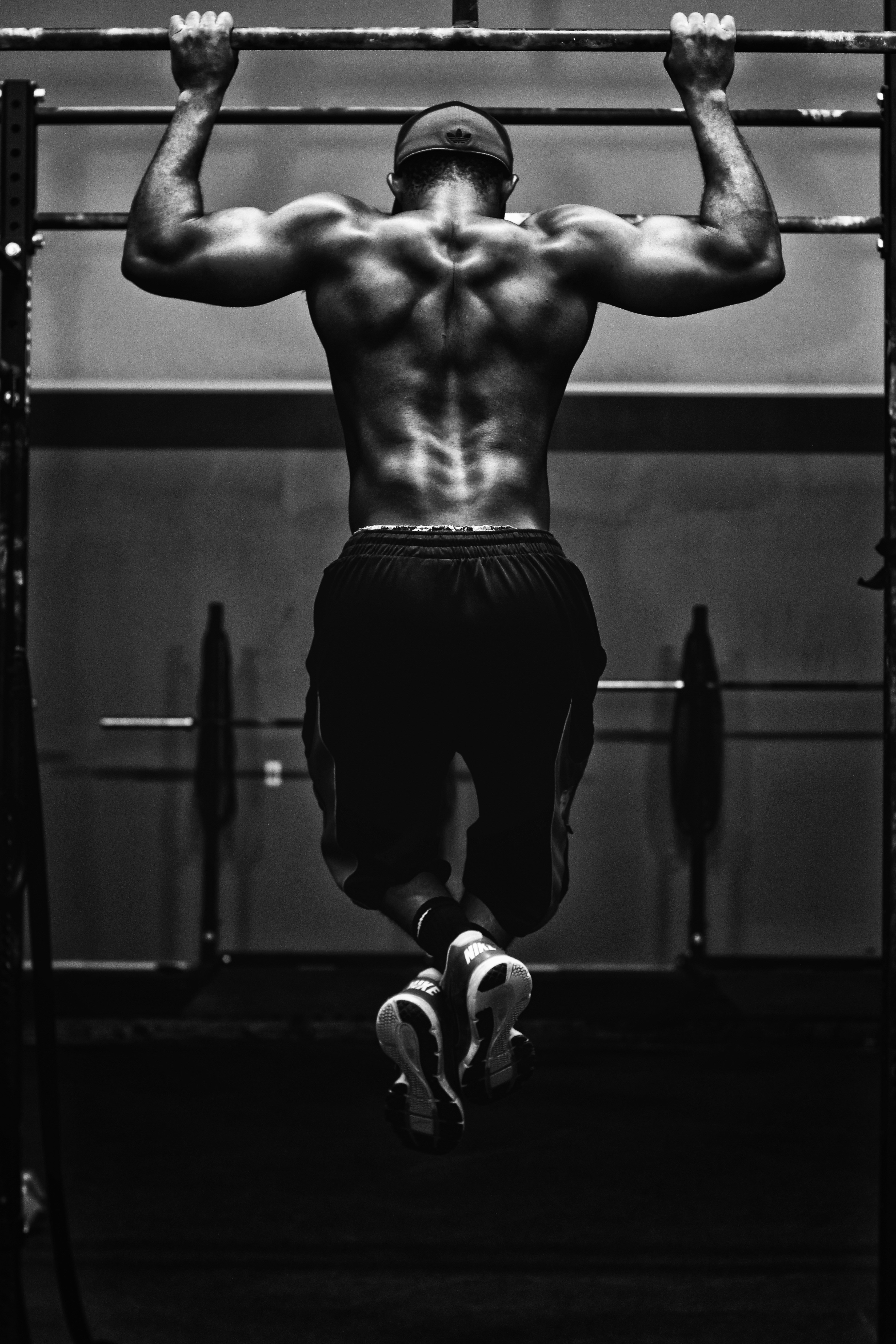
Pro Tip: When using resistance bands, always inspect the latex for small tears before your session. In a small space, a snapping band can cause significant damage to your furniture or yourself. Always anchor to non-moving, heavy objects or use a dedicated ground plate.
Scenario 3: The High-Tech Powerhouse
If you have a small dedicated corner and a larger budget, the world of digital resistance has revolutionized the small space workout. We are moving into an era where 200 pounds of weight fits in the palm of your hand. Devices like the Voltra I are essentially a motorized cable machine that you can mount to any existing rack or even a heavy-duty suction mount. This allows for a comprehensive apartment exercise routine that includes heavy deadlifts and presses without the bulk of iron plates.
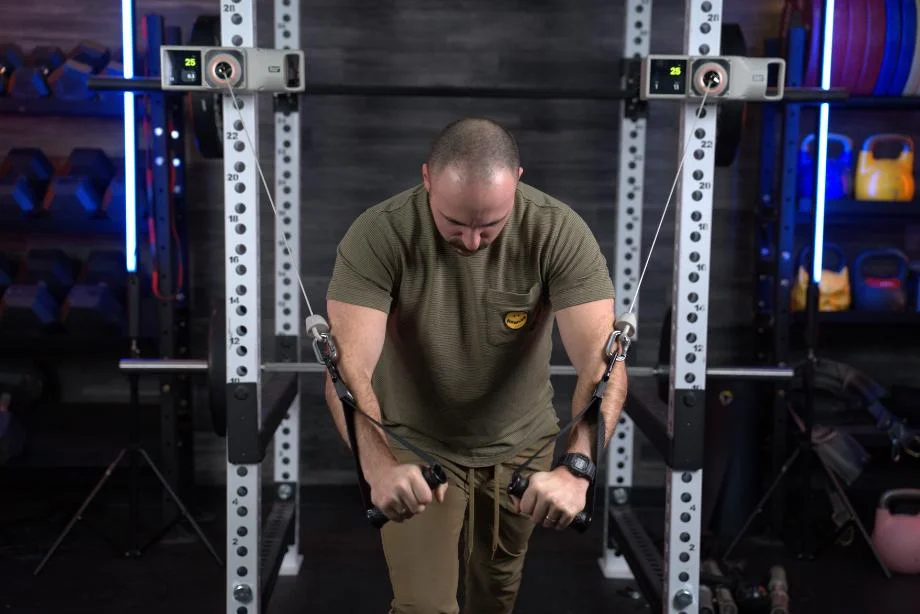
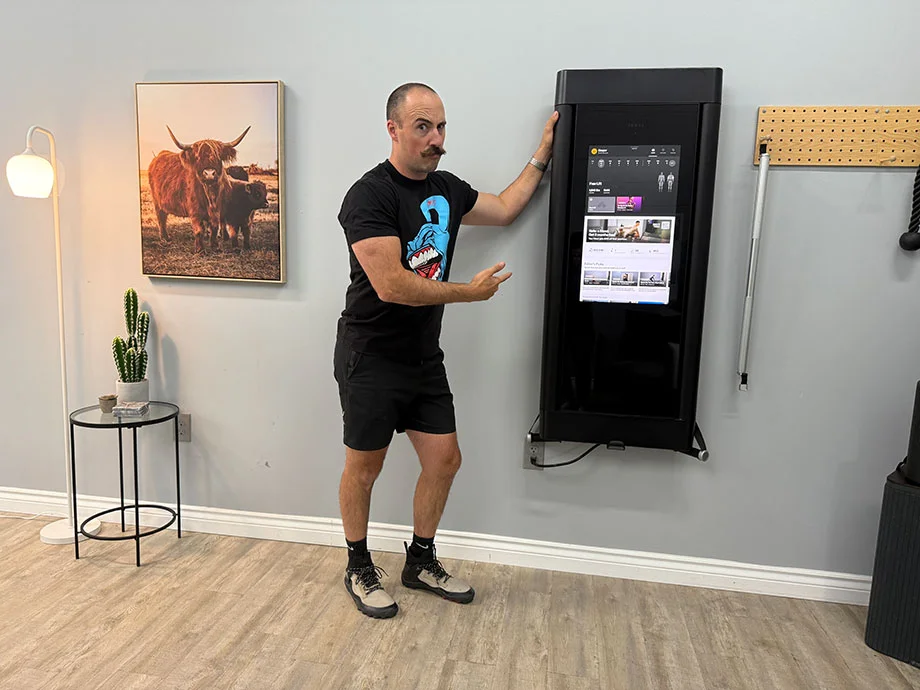
For those who want an all-in-one solution, compact all-in-one home gym machines for studio apartments like the Speediance Gym Monster or Tonal 2 provide a complete digital ecosystem. These units leverage square footage optimization by moving the resistance to the wall.
Specs Callout: High-Tech Solutions
| Equipment | Footprint (Sq Ft) | Folded Depth (Inches) | Ceiling Clearance (Inches) |
|---|---|---|---|
| Voltra I | 0.5 | N/A | Standard |
| Speediance | 3.2 | 12 (Folded) | 85 |
| Tonal 2 | 0 (Wall Mount) | 5.25 | 94 |
| PRx Profile ONE | 4.0 | 4 | 91 - 108 |
When choosing wall-mounted units, structural durability is your number one priority. You must ensure that your walls are made of solid studs or masonry. For many apartment dwellers, a folding squat rack like the PRx Profile ONE is the best middle ground. It provides the stability of a commercial rack but folds up to take up only 4 inches of depth when you are finished.
Digital vs. Traditional Weights for Small Spaces
| Feature | Digital Resistance (Tonal/Voltra) | Traditional (Dumbbells/Kettlebells) |
|---|---|---|
| Space Required | Minimal to Zero floor space | Requires storage rack or corner |
| Weight Range | Up to 200+ lbs digitally | Limited by physical stock |
| Noise Level | Silent motors | Clanging of metal/rubber |
| Installation | Professional or wall-mounting | Zero assembly |
| Portability | High (Voltra) to Low (Tonal) | Low (Heavy to move) |
Logistics: Floor Protection and Tenant Considerations
One of the biggest hurdles for the urban athlete is the rental agreement. You cannot go drilling holes into every wall or dropping heavy kettlebells on hardwood floors. This is where high-quality floor protection mats become mandatory. Look for high-density EVA foam or recycled rubber tiles at least 8mm thick. These mats distribute the weight of your equipment and dampen the sound of your movements, ensuring you do not leave permanent indentations in the carpet or laminate.
Vertical storage solutions are not just for the equipment itself; they are for your entire gym organization. Utilizing a simple utility cart or a dedicated equipment closet can keep your living space looking like a home rather than a CrossFit box.
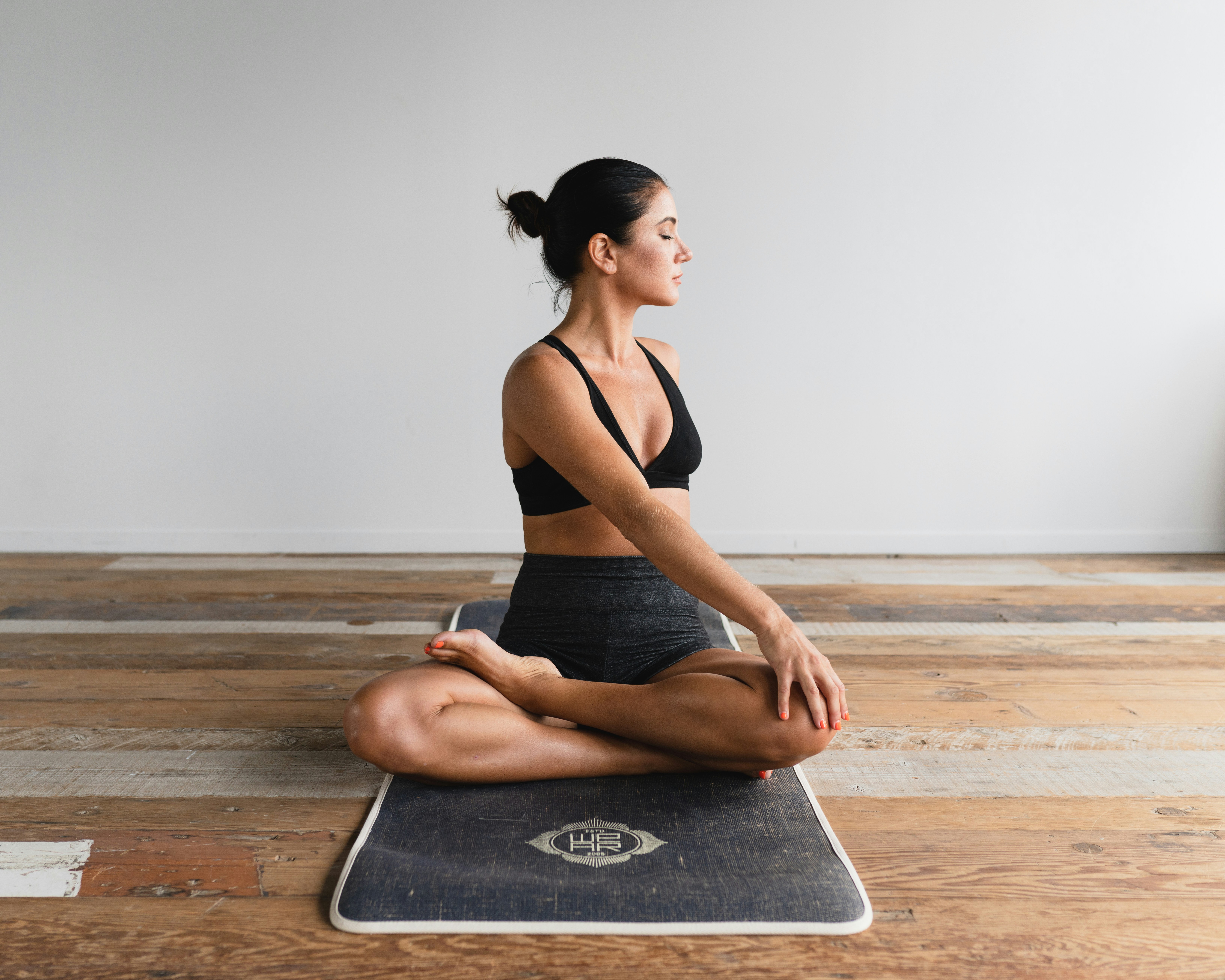
If you are a tenant, prioritize no-drill pull up bars for small living spaces. Modern tension-based bars use wide, non-slip pads that grip the door frame without screws. Pair this with a set of gymnastic rings, and you have a complete upper-body pulling and pushing station that can be removed in ten seconds. Always check your equipment dimensions and clearance before purchasing; measuring your ceiling height is the single most important step before ordering any wall-mounted or folding rack.
FAQ
How do you work out in a very small space?
To work out in a very small space, you must prioritize verticality and multi-functionality. Focus on exercises that require a small footprint, such as lunges, presses, and rows. Use equipment that can be stored easily, such as resistance bands or foldable benches. By keeping your movements controlled and utilizing tools like suspension trainers, you can perform a high-intensity session in an area as small as a yoga mat.
What are the best exercises for a small apartment?
The best exercises for a small apartment are those that generate high muscle tension with minimal lateral movement. Bodyweight staples like the plank, pushup, and air squat are excellent. For added resistance, kettlebell swings and overhead presses require very little floor space. If you have a doorway, pull-ups and chin-ups are the gold standard for upper body development in tight quarters.
How much space is needed for a full-body workout?
While more space is always better, you can perform a comprehensive full-body workout in as little as 48 square feet of floor space. This is roughly a 6x8 foot area, which is enough to accommodate a yoga mat and allow for arm and leg extension. If you are using wall-mounted digital systems, your actual equipment footprint might be zero, leaving the entire area open for movement.
What is the best compact exercise equipment for small spaces?
The best compact exercise equipment for small spaces includes adjustable dumbbells, the X3 Bar for resistance band training, and digital units like the Voltra I. For those who want a permanent setup, a folding wall-mounted squat rack or a slim functional trainer provides the most versatility. If you need something that disappears entirely, suspension training systems are the most space-efficient choice.
How can I exercise quietly in a small apartment?
Exercising quietly requires a focus on eccentric control and low-impact movements. Avoid jumping exercises or dropping weights. Use thick rubber floor protection mats to absorb vibrations. Choose resistance bands or digital cable machines instead of iron plates to eliminate the clanging noise. Focusing on slow, deliberate repetitions not only protects your neighbors' peace but also increases the time under tension for better muscle growth.
Final Word for the Urban Athlete
Don't let a lack of square footage be the reason you miss your gains. Whether you choose the zero-footprint route or invest in a high-tech digital functional trainer, the key is consistency and smart gear selection. Before you buy anything, grab a tape measure. Check your ceiling height, verify your wall stud locations, and map out your 48-square-foot zone. Your home may be small, but your performance doesn't have to be.