Quick Facts
- Direct Link: Chronic stress triggers the sympathetic nervous system, causing the ciliary muscle to tighten involuntarily.
- Key Symptom: Eyelid myokymia, or involuntary twitching, is a primary physical sign of stress induced eye pain.
- Recovery Time: It typically takes 20 minutes of intentional, deep relaxation to reverse adrenaline-induced changes in ocular focus.
- Medication Note: Certain SSRIs used for anxiety can indirectly contribute to dry eye and ocular fatigue by affecting tear production.
- Prevalence: Data shows that 67% of people experience stress on a weekly basis, yet only 42% are aware of the direct impact stress has on their vision.
- Digital Synergy: General population studies indicate that digital eye strain prevalence ranges from 5% to 65%, a condition often made worse by emotional tension.
Stress eye strain occurs when the body's fight-or-flight response triggers pupil dilation and muscle tension, leading to retro-orbital pressure and eye pain. While distinct from digital fatigue, relieving stress-induced eye pain requires targeted relaxation techniques to calm the nervous system.
The Biology of Tension: How Anxiety Causes Eye Muscle Tension
When we think about stress, we often focus on the racing heart or the tight knot in the stomach. However, as a preventive care specialist, I often see how systemic emotional pressure migrates upward. The biology of stress eye strain begins with the sympathetic nervous system. When you are under pressure, your body enters a fight-or-flight state, flooding your bloodstream with adrenaline and cortisol. This hormonal surge is designed to sharpen your senses, but when it becomes chronic, it creates a cascade of ocular issues.
The adrenaline release causes your pupils to dilate, a process known as mydriasis, which allows more light into the eye. While helpful for a hunter-gatherer scanning for predators, for a modern professional, this leads to significant photophobia or light sensitivity. Simultaneously, the ciliary muscle—the tiny ring of muscle that changes the shape of your lens to focus—begins to tighten. This constant state of contraction is a primary reason why anxiety and eye tension are so closely linked.
Furthermore, there is a documented connection between high cortisol and blurred vision. High levels of cortisol can lead to an imbalance in the fluid dynamics of the eye. This can cause the lens to swell slightly or affect the pressure within the globe, leading to a temporary loss of focus. This is a classic example of psychosomatic vision issues where the physical symptoms are a direct manifestation of a psychological state. When the body remains in this adrenal response for too long, the muscles surrounding the eye become fatigued, resulting in a dull, aching sensation that many describe as feeling like their eyes are bruised.
Recognizing Physical Symptoms of Eye Stress
Identifying the physical signs of stress induced eye pain requires a holistic look at how your face and head react to pressure. Unlike a simple infection, stress-related ocular discomfort often moves in clusters. We can categorize these physical symptoms of eye stress into three main areas:
- Ocular Surface and Eyelids: The most common sign is eyelid myokymia, that annoying and persistent twitch that seems to appear out of nowhere during a busy week. This is caused by the hyper-stimulation of the nerves by stress hormones. Additionally, stress reduces our natural blink rate. While a relaxed person blinks 18-22 times per minute, someone under high pressure might only blink 3-7 times, leading to severe dryness and a gritty sensation.
- Accommodative Issues: Stress can cause a "locking" of the eye's focusing mechanism. This leads to accommodation fatigue, where it becomes difficult to switch focus between your phone and the room around you. Some individuals even experience tunnel vision or peripheral dimming during peak moments of anxiety.
- Extraocular and Musculoskeletal: Much of the pain we associate with the eyes actually originates in the brow, temples, and neck. The retro-orbital pressure—the feeling of weight behind the eyes—is often the result of tension in the facial muscles.
When the neck and shoulders stiffen due to emotional load, it restricts blood flow and increases nerve sensitivity in the occipital region. This tension radiates forward, manifesting as sharp eye pain or a persistent tension headache that settles right behind the brow bone.
Distinguishing Digital Eye Strain from Emotional Stress
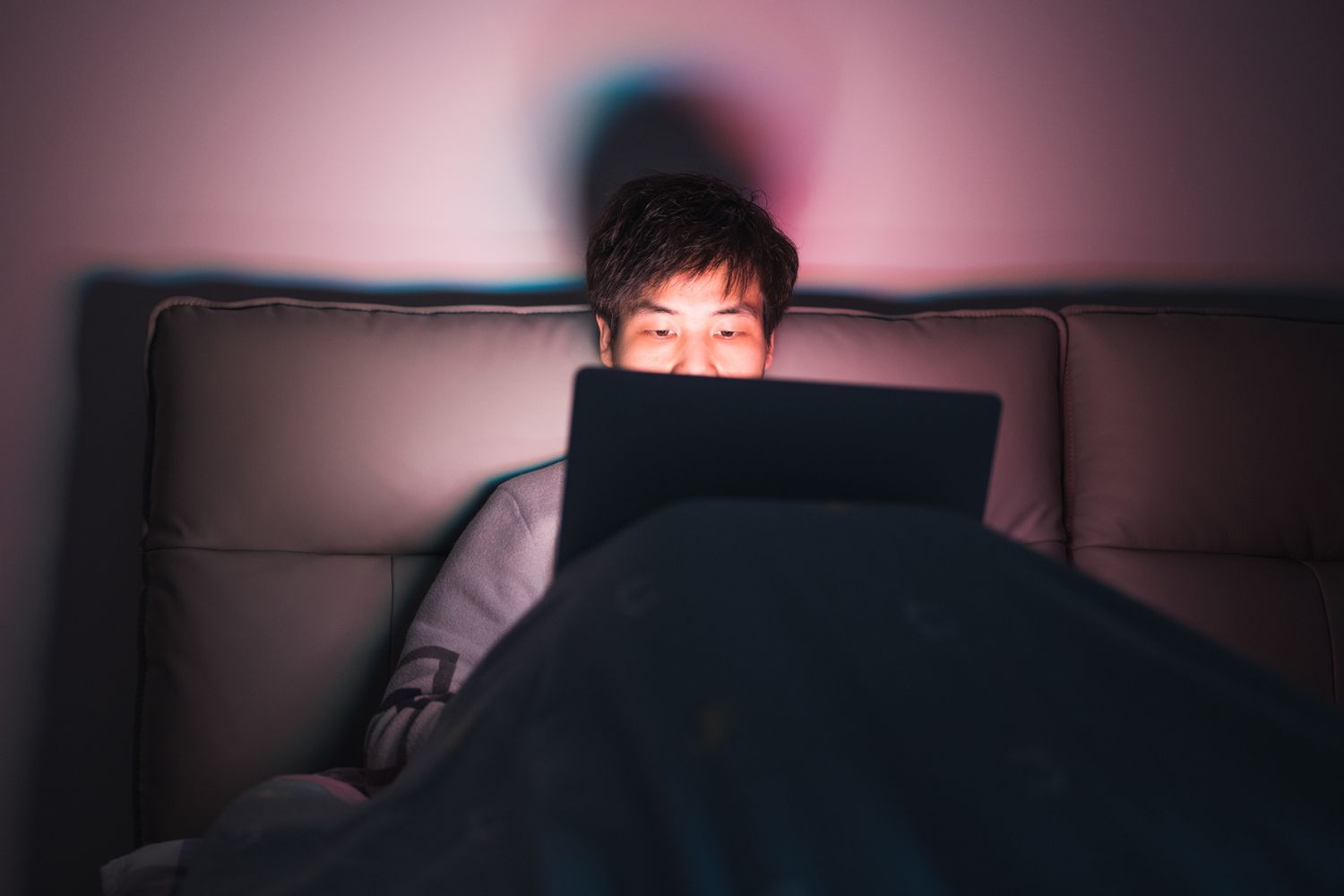
In our modern lives, it is easy to blame every ocular ache on our screens. However, distinguishing digital eye strain from emotional stress is crucial for choosing the right recovery strategy. Digital strain is primarily a mechanical issue. It results from pixels, blue light, and the fixed focal distance of our devices. A 2024 Cochrane review actually found that blue-light glasses do not significantly reduce strain, suggesting that the problem is more about how we use the devices than the light itself.
The key difference lies in the "recovery trigger." Digital eye strain usually improves significantly when you follow the 20-20-20 rule or move your screen to a distance of 20-28 inches. However, stress eye strain is driven by systemic emotional pressure. It often persists even after you have turned off your computer and gone for a walk. If you find yourself in a dark room with your eyes closed and you still feel a throbbing retro-orbital pressure or a twitching lid, you are likely dealing with emotional rather than digital fatigue.
Emotional strain is also more likely to be accompanied by other systemic signs of high cortisol, such as jaw clenching (bruxism) or a shallow breathing pattern. While digital fatigue feels like "tired eyes," stress eye strain feels like a "heavy head."
Red Flags: When Eye Pain Is Not Just Stress
| Symptom | Potential Cause | Urgency |
|---|---|---|
| Severe pain with nausea/vomiting | Acute angle-closure glaucoma | Emergency (See a doctor immediately) |
| Sudden loss of vision or "curtain" falling | Retinal detachment | Emergency (See a doctor immediately) |
| Seeing halos around lights | Increased intraocular pressure | Urgent (Consult optometrist) |
| Persistent double vision | Neurological or muscular issue | Urgent (Consult physician) |
While I advocate for lifestyle-based relief, it is vital to recognize the red flags for stress related vision changes that may actually indicate a medical emergency. If your eye pain is accompanied by a sudden, intense headache, halos around lights, or physical nausea, it may not be stress. These can be signs of acute glaucoma, which requires immediate medical intervention to prevent permanent vision loss.
Furthermore, systemic inflammation can sometimes masquerade as stress. If you have an autoimmune condition, eye pain might be a sign of uveitis or iritis. Always consult a professional if the pain is unilateral (only in one eye) or if there is visible redness and discharge. Stress can certainly cause blurred vision or eye pain, but it should not cause a total loss of sight or severe structural changes.
Relieving Tension: The 20-Minute Recovery Protocol
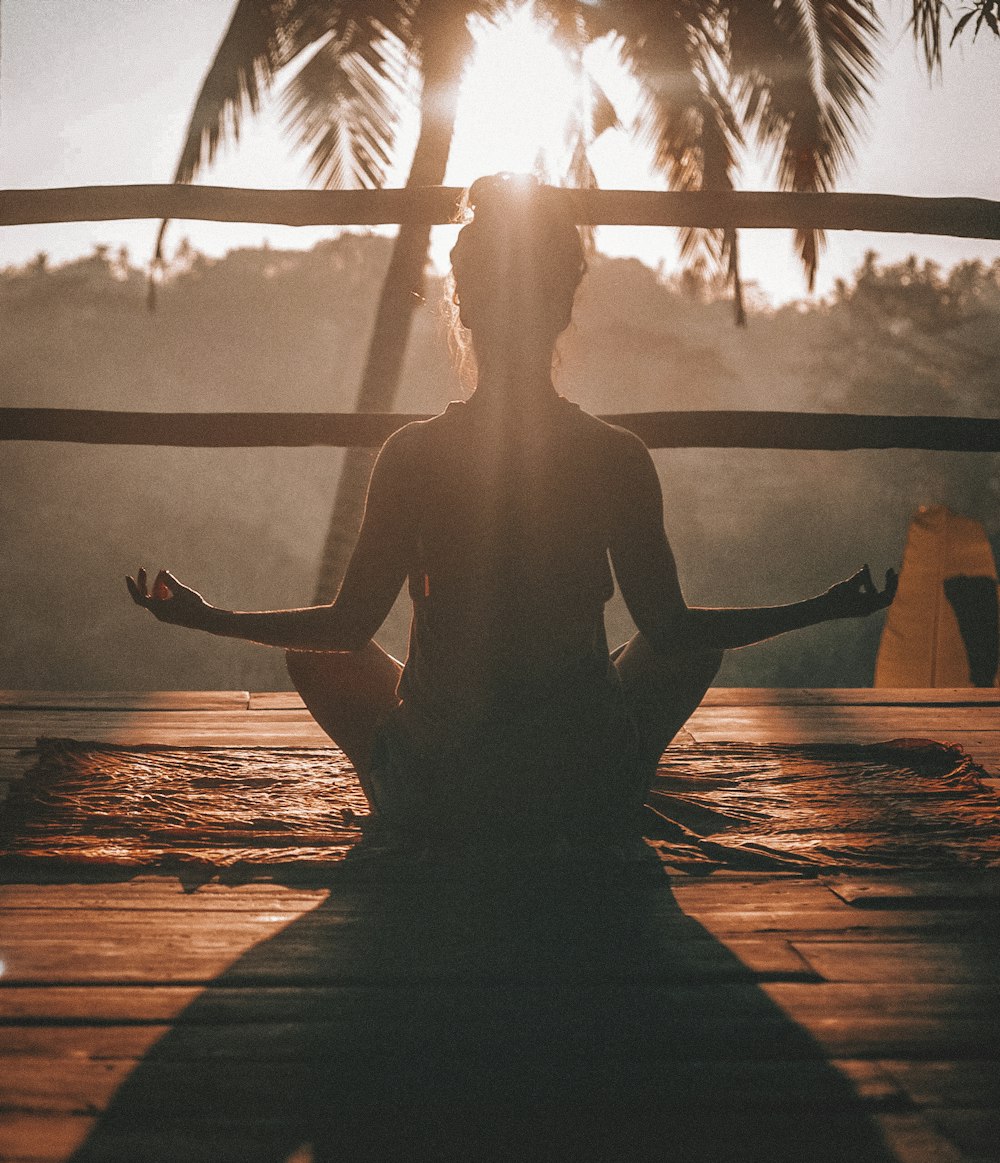
To truly find success in relieving stress induced eye pain, we must move beyond eye drops. We need to address the nervous system. I recommend a 20-minute protocol designed to switch the body from the sympathetic (fight-or-flight) to the parasympathetic (rest-and-digest) state.
- Vagus Nerve Stimulation (5 Minutes): Sit comfortably and place your hands over your closed eyes (palming) to create total darkness. Breathe in for four counts, hold for seven, and exhale for eight. This slow exhalation stimulates the vagus nerve, which tells the brain to lower cortisol levels and allows for ciliary muscle relaxation.
- Progressive Muscle Relaxation (10 Minutes): Starting at your toes and moving up to your face, tense each muscle group for five seconds and then release. When you reach your face, squeeze your eyes shut tightly, scrunch your nose, and clench your jaw. When you release, visualize the tension draining away from the periorbital area. This helps resolve the musculoskeletal components of the pain.
- Targeted Neck and Scalp Release (5 Minutes): Many immediate exercises to relieve stress eye strain focus on the neck. Gently tilt your head from side to side, stretching the levator scapulae muscles. Use your fingertips to massage the base of your skull where the neck muscles meet the head. This reduces the radiating pressure that causes the sensation of "eye strain."
FAQ
Can stress cause eye strain?
Yes, stress is a significant physiological trigger for eye strain. When the body is under emotional pressure, it releases adrenaline which dilates the pupils and causes the muscles around the eyes to tighten. This constant state of tension leads to ocular fatigue, even if you are not looking at a screen.
What does stress-induced eye strain feel like?
It often feels like a heavy, dull ache behind the eyes or a sensation of pressure in the eye sockets. You might also experience light sensitivity, a persistent twitch in the eyelid, or a tension headache that seems to radiate from the brow area down into the neck and shoulders.
How do I get rid of stress eye strain?
The most effective way is to calm the nervous system through deep breathing, vagus nerve stimulation, and progressive muscle relaxation. Reducing environmental stimuli—such as dimming the lights and taking a break from all digital devices—allows the ciliary muscles to relax and the adrenal response to subside.
Can anxiety cause blurred vision or eye pain?
Yes, anxiety can cause blurred vision through several mechanisms. High cortisol can affect the fluid balance in the eye, and hyperventilation during anxiety can change oxygen levels in the blood, leading to temporary visual distortions. The pain is usually a result of the chronic tightening of facial and ocular muscles.
Can stress cause your eyes to twitch?
Eyelid twitching, known medically as eyelid myokymia, is one of the most common physical manifestations of stress. It occurs because stress hormones overstimulate the nerves that control the eyelid muscles, causing them to fire involuntarily. While harmless, it is a clear signal from your body that you need to reduce your current stress load.