Quick Facts
- Primary Goal: Improve neuromotor control and stabilize the medial longitudinal arch.
- Core Technique: The Short Foot Exercise (SFE) is the gold standard for arch activation.
- Timeline: Consistent practitioners often see measurable improvements in foot stability within 2 weeks.
- Frequency: Aim for 3-5 sessions per week, lasting 10-15 minutes each.
- Energy Efficiency: The intrinsic foot muscles provide approximately 8% to 17% of the mechanical energy required for every step.
- Performance Impact: Strengthening the foot core reduces the risk of falls and improves functional outcomes in athletes.
Toe yoga exercises involve controlled movements designed to strengthen the intrinsic foot muscles and improve neuromotor control. Practicing these drills enhances balance, sensory feedback, and postural stability by activating the foot core system. Consistent training helps restore natural toe alignment, which is essential for gait efficiency and preventing common lower extremity injuries.
The Foot Core System: Why Your Feet Need Strength
In the world of strength and conditioning, we talk a lot about the core. Usually, we mean the abs and glutes. But as a training editor, I’ve seen that many athletes overlook the most foundational core of all: the foot core system. This concept, popularized by experts like Dr. Irene Davis, suggests that the foot operates much like the trunk of your body. It has deep intrinsic muscles that stabilize the arch and larger extrinsic muscles that handle big movements.
When we wear cushioned, narrow-toed shoes all day, we essentially put our feet in a cast. This leads to a loss of neuromotor control. The brain loses the ability to "talk" to the individual muscles of the feet, resulting in collapsed arches and poor sensory feedback. By performing toe yoga exercises, you are essentially re-wiring that connection. You are teaching your brain to isolate specific muscles to create a stable base of support for everything from daily walking mobility to heavy squats.
Alignment First: Preparing for Toe Yoga
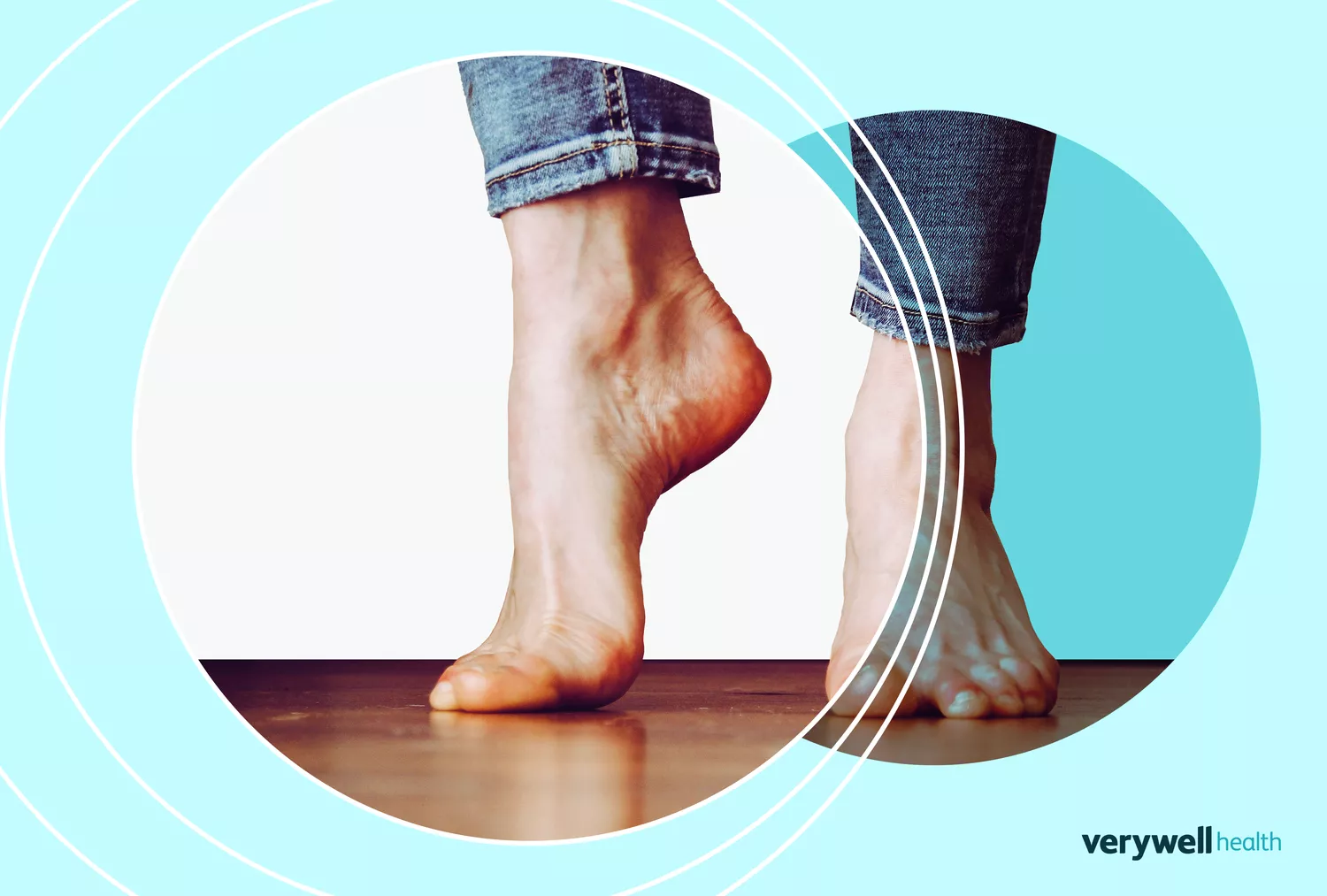
Before you start strengthening, you have to address your toe alignment. Think of it like a car alignment; if the wheels are crooked, driving faster only causes more wear and tear. Many people suffer from hallux valgus (bunions) or scrunched toes because of modern footwear. Strengthening intrinsic foot muscles when the big toe is angled inward can actually reinforce a dysfunctional movement pattern.
To prepare for toe dexterity exercises, I often recommend using toe spacers. These simple tools help restore the natural width of the forefoot and improve metatarsal health. By widening the base, you allow the muscles to fire in their intended anatomical positions. This is the "Alignment Before Strengthening" framework. Once the toes have space to move, the exercises become significantly more effective at improving postural stability and general foot health.
Essential Toe Yoga Exercises for Beginners
If you are new to this, don't be surprised if your toes don't move the way you want them to at first. This is a matter of neuromotor control, not just physical strength. You are building new neural pathways. Here is how to do toe yoga exercises for beginners.
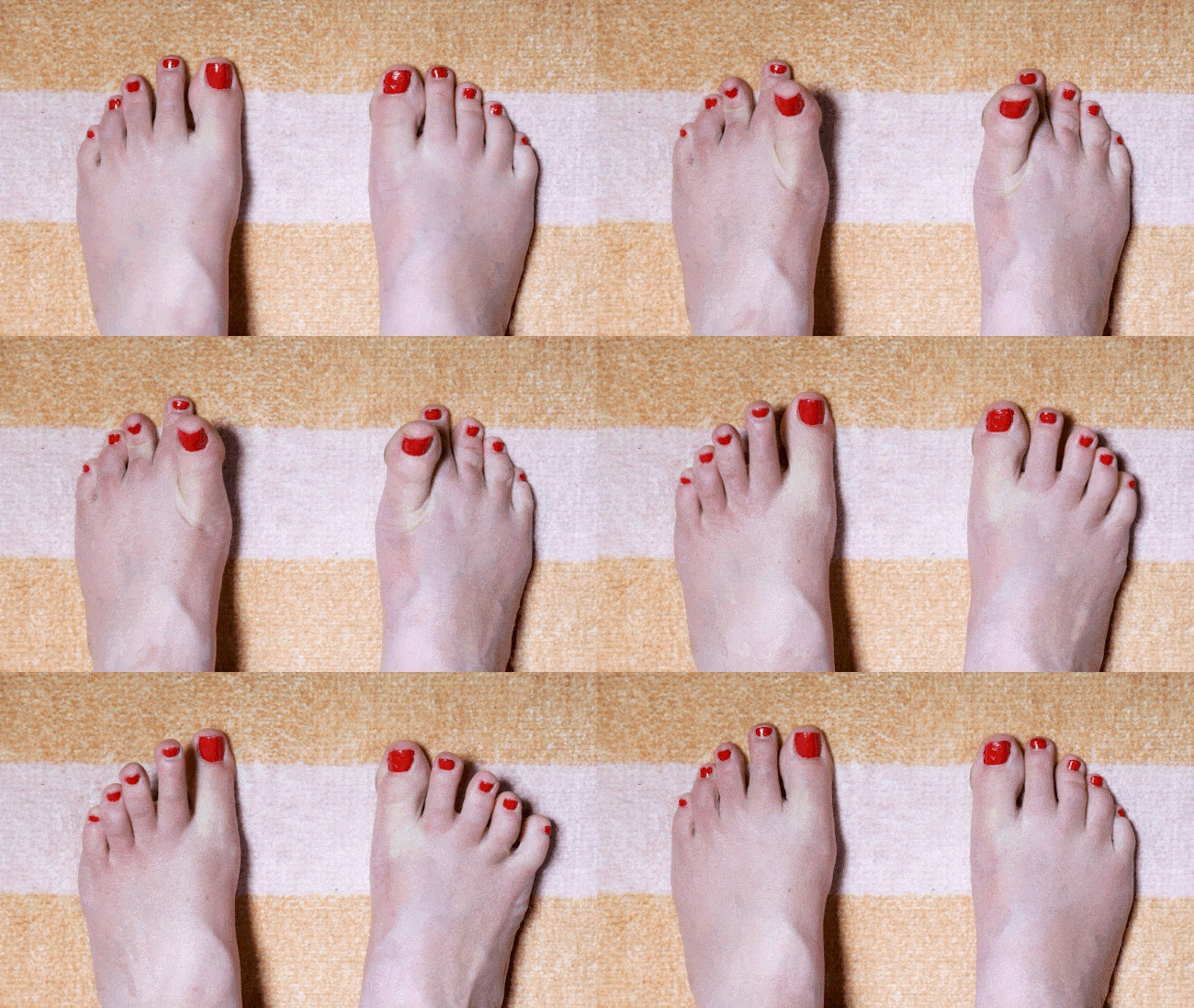
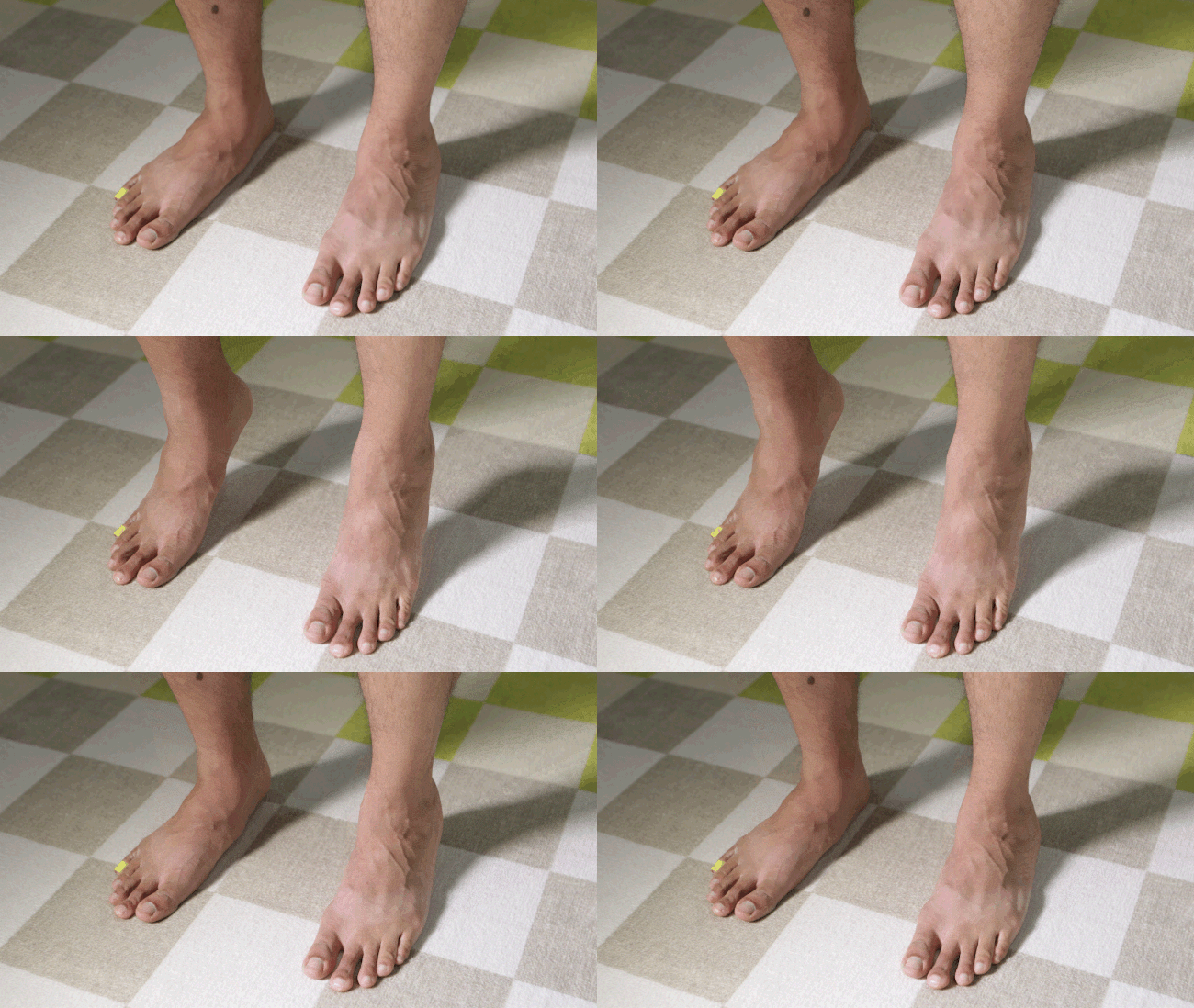
- Big Toe Press (Hallux Isolation): While keeping your four small toes on the ground, try to lift only your big toe. Hold for two seconds, then press it back down.
- Lesser Toe Lifts: This is the opposite. Keep your big toe glued to the floor and lift the four smaller toes. This requires intense focus on the muscles on the top of the foot.
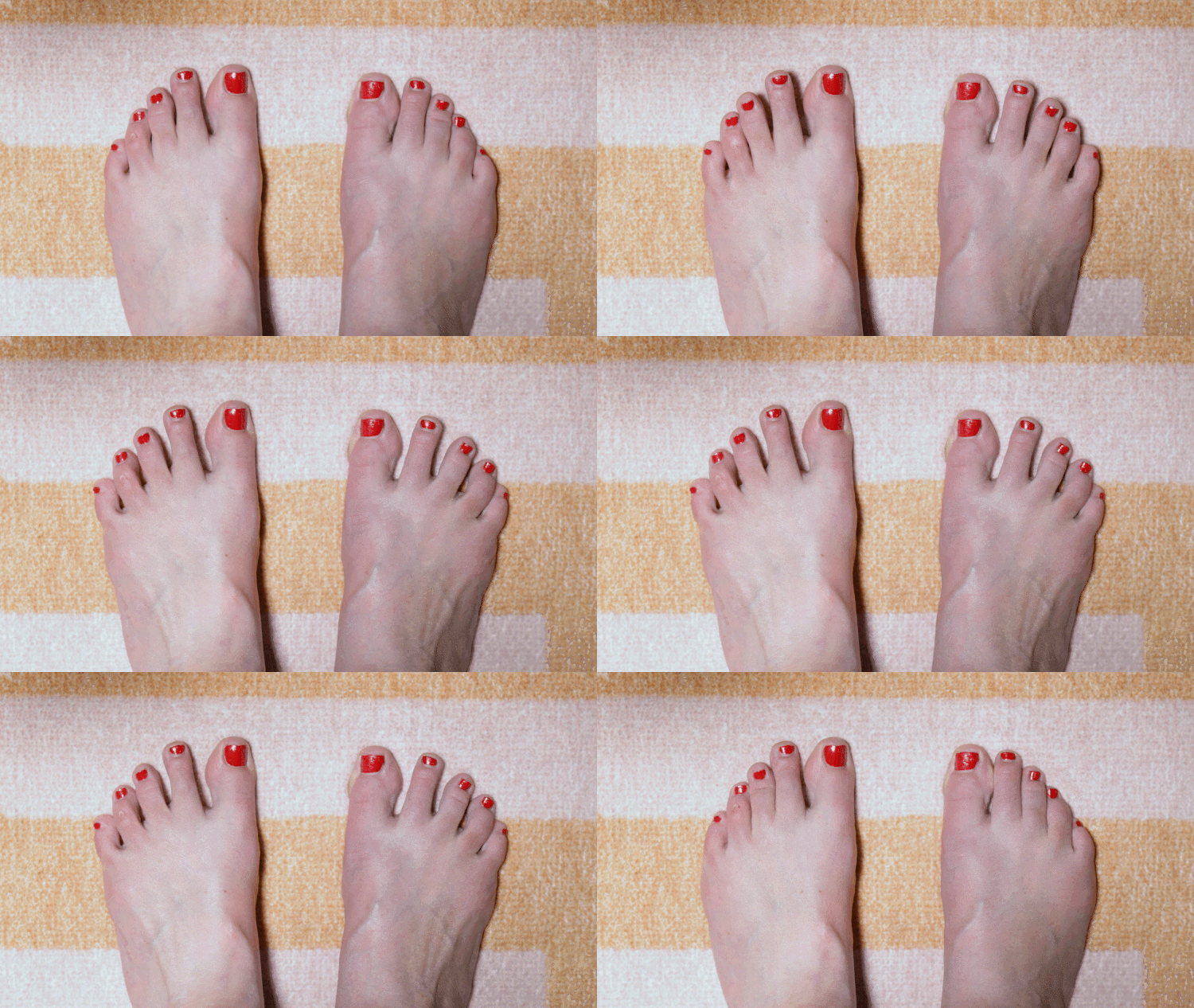
- Toe Spreads (Abduction): Lift all your toes off the floor and try to spread them as wide as possible, creating space between every digit. Try to set them back down while maintaining that width.
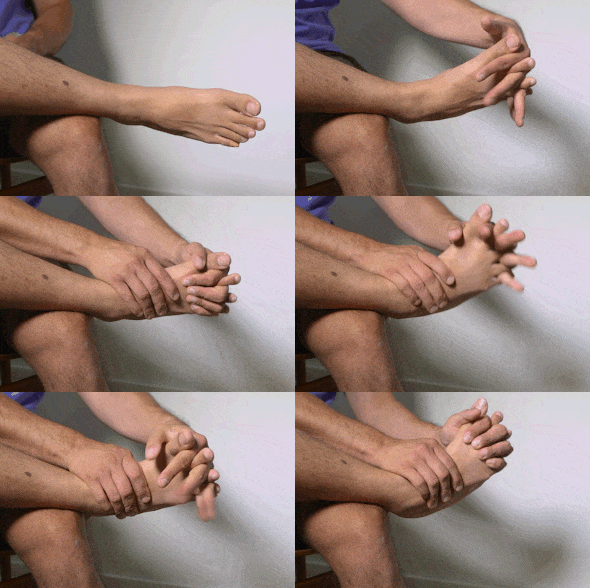
Focus on the mind-muscle connection. If your toes aren't moving, use your fingers to help guide them into position. Over time, your brain will take over the work.
Mastering the Short Foot Exercise (SFE)
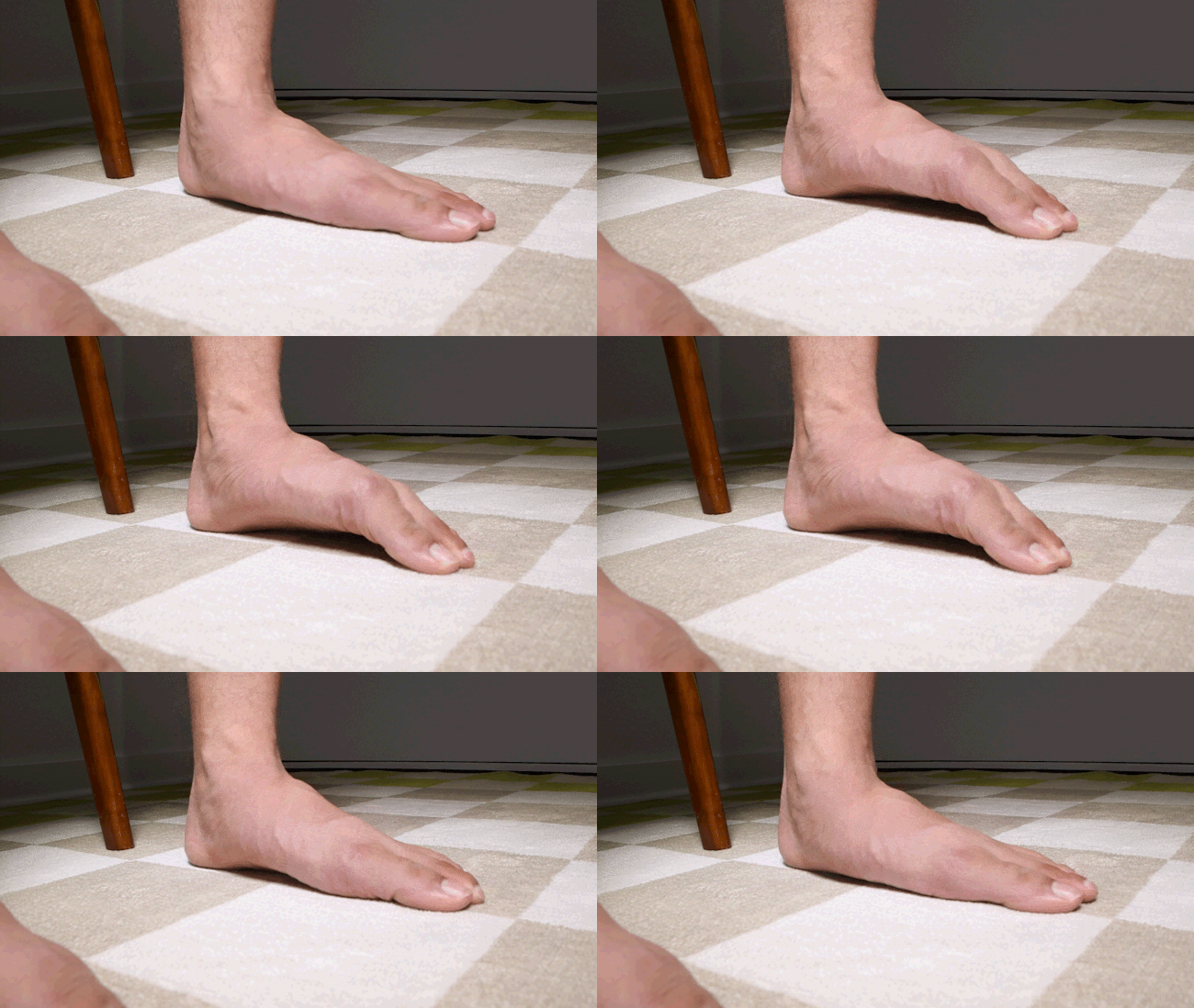
The Short Foot Exercise (SFE) is perhaps the most important movement in the toe yoga repertoire. It specifically targets the abductor hallucis to lift the arch. Research by Jung et al. (2011) suggests that SFE is more effective than traditional towel curls because it activates the arch without involving the long toe flexors.
To perform the short foot exercise correctly, sit in a chair with your feet flat on the floor. Without curling your toes, try to pull the ball of your foot toward your heel. You should see your arch lift or "dome." It is a subtle movement—think of it as making your foot shorter and narrower.
Common Mistakes to Avoid in SFE
- Toes Curling: If your toes are clawing into the ground, you are using the wrong muscles. Keep the toes long and flat.
- Ankle Rolling: Avoid letting your ankle roll outward. The movement should come from the bottom of the foot, not the ankle joint.
- Holding Breath: Maintain steady breathing while holding the isometric contraction for 20-30 seconds.
Recovery and Performance: Who Benefits Most?
Who needs toe yoga? In short, everyone. For the clinical patient, incorporating intrinsic foot muscle training into rehabilitation protocols supports recovery from conditions like chronic ankle instability. In fact, a meta-analysis of five randomized controlled trials found that these exercises have a significant positive effect on balance for those with unstable ankles.
For runners and athletes, strengthening intrinsic foot muscles for better balance and power is a game-changer. Dr. Adam Tenforde of Harvard Medical School notes that a strong foot core improves the "push-off" phase of running, making every stride more efficient. Furthermore, a systematic review involving 1,674 participants showed that these exercises significantly improves toe strength and functional mobility, which is critical for reducing fall risks in older adults.
If you struggle with heel pain, performing toe yoga exercises for plantar fasciitis relief can be highly effective. By strengthening the arch, you take the tension off the plantar fascia ligament, allowing it to heal and function properly.
Daily Habits: Integrating Foot Mobility into Your Routine
You don't need a gym to work on your feet. The best way to see results is through consistency. I recommend daily 5 minute foot mobility drills for athletes and office workers alike. You can practice toe yoga while you are:
- Brushing your teeth in the morning.
- Sitting at your desk during a conference call.
- Waiting for your coffee to brew.
| Feature | Traditional Towel Curls | Modern Toe Yoga (SFE) |
|---|---|---|
| Primary Muscle | Extrinsic Flexors | Intrinsic Arch Stabilizers |
| Toe Position | Curled/Clawed | Long/Flat |
| Main Benefit | Grip Strength | Arch Support & Balance |
| Scientific Backing | Outdated | High (Foot Core System) |
Start with 2-3 sets of 10-15 repetitions of each movement. As you get better at toe yoga for improving daily walking mobility, progress from a seated position to standing. Eventually, try to maintain your arch lift (SFE) while performing single-leg balance drills. This integrates foot strength into total body stability.
FAQ
What are the benefits of doing toe yoga?
Toe yoga strengthens the small muscles inside the foot, leading to better balance, improved arch support, and reduced pain. It also enhances the neural connection between your brain and your feet, which is essential for athletic performance and preventing injuries like ankle sprains.
How do you perform toe yoga exercises?
The most common exercises involve isolating the big toe from the smaller toes. You can lift just the big toe while keeping the others down, or lift the four small toes while keeping the big toe pinned. Another key movement is spreading all toes wide apart and performing the short foot exercise to lift the arch.
Can toe yoga help with bunions?
While toe yoga cannot "cure" a bone deformity, it can help manage the symptoms of bunions. By strengthening the abductor muscles and improving toe alignment, you can reduce the pressure on the joint and prevent the condition from worsening. Using toe spacers alongside these exercises is often recommended.
How often should you practice toe yoga?
For the best results, consistency is key. I recommend practicing for 5-10 minutes at least 3 to 5 times per week. Because these muscles are small and often neglected, they respond well to frequent, short sessions rather than one long workout.
Does toe yoga improve balance and stability?
Yes. Your feet are your only point of contact with the ground. By improving the strength of the intrinsic foot muscles and enhancing sensory feedback, toe yoga allows for better weight distribution and more precise adjustments in posture, which directly translates to better balance.
Are toe yoga exercises good for plantar fasciitis?
Toe yoga is an excellent tool for managing plantar fasciitis. Many cases of plantar fascia pain are caused by a weak or collapsed arch. By performing foot mobility drills and strengthening the arch through the short foot exercise, you reduce the strain on the plantar fascia and promote long-term healing.
The journey to better athletic performance and pain-free movement starts from the ground up. By dedicating just a few minutes a day to your feet, you are investing in a more stable, powerful, and mobile future. Start with the basics today and feel the difference in your very next step.