Quick Facts
- 2026 Lives Saved: Global vaccination programs save more than 4 million lives every year, according to the April 2026 Immunization Agenda report.
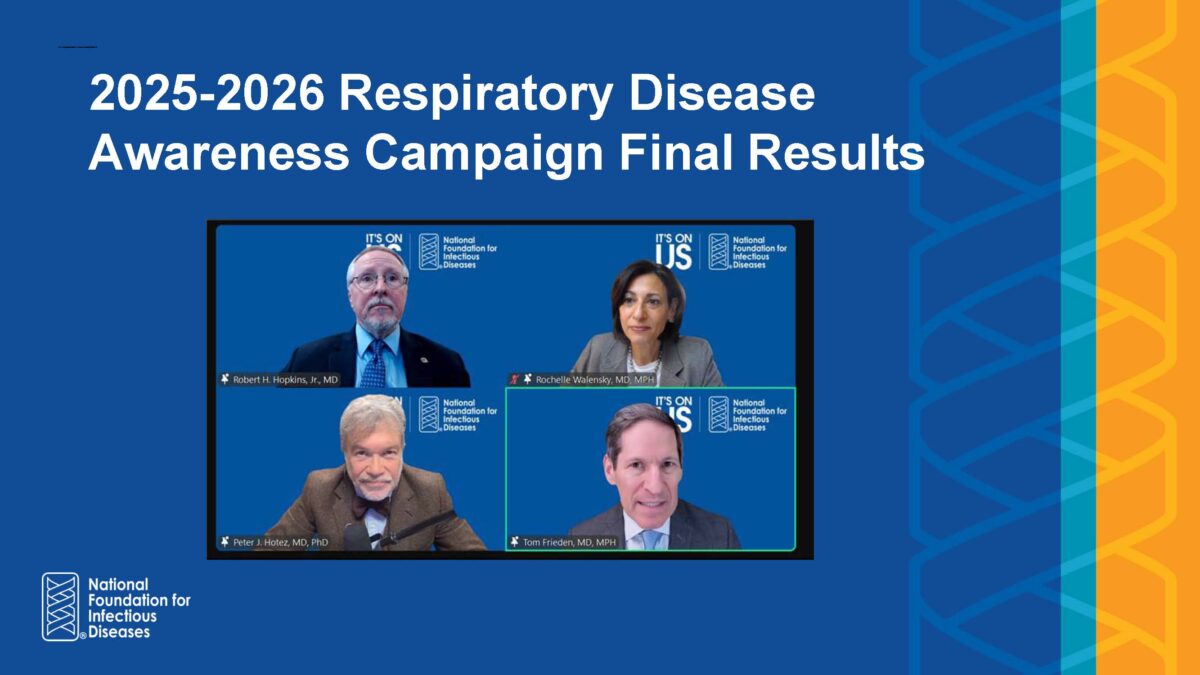
- Current Focus: The 2025-26 Respiratory Campaign targets integrated defense against COVID-19, seasonal flu, RSV, and pneumococcal disease.
- Dominant Strain: Health agencies are closely monitoring Influenza A(H3N2) subclade K, emphasizing the importance of updated seasonal formulas.
- Economic Impact: Consistent immunization is proven to lower how vaccinations reduce household healthcare costs by preventing emergency visits and chronic complications.
- Community Role: Promoting herd immunity remains the most effective way to protect high-risk individuals who cannot receive certain vaccines.
- Long-Term Success: Over the last five decades, vaccines against 14 pathogens have saved an estimated 154 million lives, including 146 million children under five.
Stay protected in 2026 by understanding the latest vaccine benefits. From combating antimicrobial resistance to reducing healthcare costs, discover why following the immunization schedule guide is your best defense against disease.
Vaccine benefits extend beyond individual protection to encompass community-wide health. By stimulating the immune system to recognize pathogens, vaccines effectively prevent serious infectious diseases like polio, measles, and RSV. In 2026, staying updated with recommended immunization schedules helps reduce the risk of outbreaks and mitigates the spread of antimicrobial-resistant infections across the population.
The 2026 Landscape: New Strains and Respiratory Defense
As we navigate the health landscape of 2026, the complexity of seasonal pathogens continues to evolve. Our primary shield this year is the 2025-2026 Respiratory Campaign, a coordinated effort to streamline defense against the "big three": influenza, COVID-19, and Respiratory Syncytial Virus (RSV). This season, public health officials have identified the H3N2 subclade K strain as a particularly persistent variant of influenza. While some may express concern over varying levels of vaccine effectiveness, the data remains clear: even a vaccine with 30% effectiveness can prevent over 71,000 hospitalizations in a single season by tempering the severity of the illness.
The role of mRNA research has become foundational in this fight. The technology that debuted during the pandemic is now being applied to create more agile responses to emerging threats, including highly pathogenic avian influenza (bird flu). By training our immune system response to recognize the molecular signatures of these viruses before we are exposed, we build a proactive barrier that keeps our communities functional and our hospitals manageable.
Preventing respiratory infections with seasonal 2026 vaccines is not just about avoiding a week in bed; it is about preventing the long-term morbidity and mortality associated with viral pneumonia and secondary bacterial infections. The scientific community continues to refine these formulas through rigorous clinical trial data to ensure they meet the specific needs of the current viral mutations.
Life-Stage Protection: From Infancy to Senior Care
Preventive healthcare is not a one-size-fits-all endeavor. Our needs shift as our biological architecture ages, making a life-stage approach to immunization essential. For parents, a vaccination guide for childhood disease prevention is the first step in ensuring long-term wellness. Early immunizations protect against rotavirus and RSV, which remain leading causes of pediatric hospitalization. By following the pediatric immunization schedule, we provide infants with the immune resilience they need during their most vulnerable developmental windows.
As we move into adulthood, the focus shifts toward maintenance and booster doses. The 2026 recommended immunization schedule for adults emphasizes the importance of Tdap boosters and the annual respiratory suite. For many, this is also the time to consider vaccines that prevent chronic illness later in life, such as the HPV vaccine, which significantly reduces the risk of several types of cancer.
In the realm of geriatric medicine, vaccines are a cornerstone of healthy aging. For seniors, essential vaccinations for seniors to maintain health include high-dose influenza shots and the latest pneumococcal conjugates. These are critical for maintaining immune resilience against seasonal pathogens and preventing life-threatening complications that often lead to a loss of independence.
| Age Group | Key 2026 Focus Areas | Recommended Schedule Frequency |
|---|---|---|
| Infants (0-2 years) | RSV, Rotavirus, DTaP, MMR | Follow CDC pediatric milestones |
| Children & Teens | HPV, Meningitis, Annual Flu | Annual check-ups + specific age milestones |
| Adults (19-64) | Tdap boosters, Annual Flu/COVID-19 | Annual + decennial boosters |
| Seniors (65+) | High-dose Flu, Shingles, Pneumococcal | Annual + as recommended by provider |

Beyond Immunity: Fighting AMR and Economic Burden
One of the most overlooked vaccination health advantages is the role immunizations play in the fight against antimicrobial resistance (AMR). When we prevent a viral infection, we simultaneously prevent the complications that often lead to the use—and potential misuse—of antibiotics. By reducing the overall incidence of communicable diseases, we preserve the efficacy of our existing antibiotic arsenal for future generations.
Furthermore, vaccination programs serve as a vital component of our public health infrastructure. From an economic perspective, the return on investment for immunization is staggering. Families who stay updated on their schedules experience fewer missed work days and lower medical bills. Exploring how vaccinations reduce household healthcare costs reveals that prevention is consistently more affordable than treatment, especially when considering the high costs of emergency room visits and long-term care for chronic complications.
The benefits of community immunity for high-risk individuals also cannot be overstated. Herd immunity occurs when a sufficient portion of the population is vaccinated, making it difficult for a pathogen to find a host. This collective shield protects those who are immunocompromised or have severe allergies to vaccine components. It is a profound act of self-care that doubles as an act of community service.
Lily's Insight: Think of vaccines as the "wellness architecture" of your life. Just as you invest in quality sleep and nutrition, keeping your immunization status current is a proactive strategy for long-term health.
Practical Care: Managing Post-Vaccination Side Effects
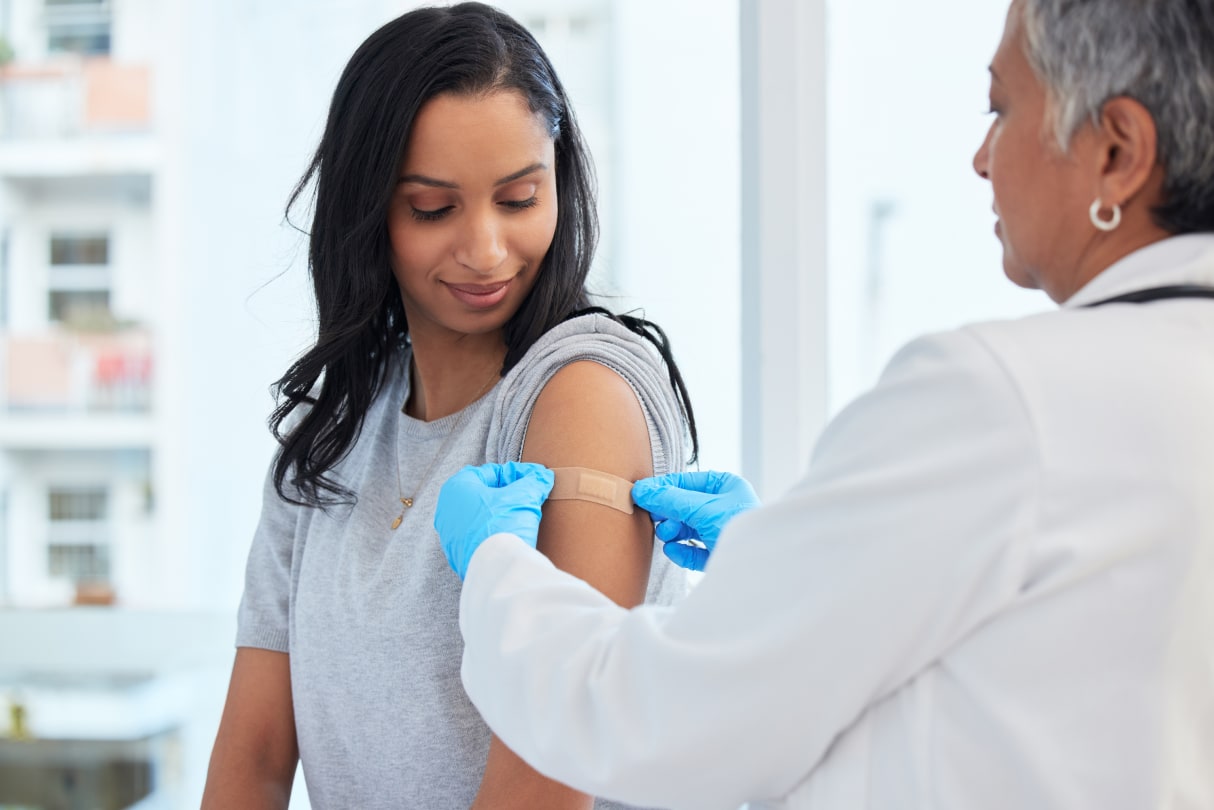
It is natural to experience mild side effects after receiving a vaccine. These are often signs that your immune system is learning and building its defense. To help you stay comfortable, here is a simple guide to managing local reactions at the injection site.
- Identify the Reaction: Most people experience slight swelling, redness, or a dull ache. This is a normal immune response.
- The Warm Compress Method: For localized soreness or a small lump at the site, a warm compress can increase blood flow and soothe the area.
- Dry Compress: Use a heating pad on a low setting or a warm gel pack wrapped in a thin towel.
- Moist Compress: Soak a clean washcloth in warm (not hot) water, wring it out, and apply it to the site for 15-20 minutes.
- Safety First: Always test the temperature of the compress on your inner wrist before applying it to the injection site. The skin at the site may be sensitive, and you want to avoid burns.
- Movement: Gently moving your arm throughout the day can also help disperse the vaccine and reduce stiffness.
By addressing these minor discomforts with practical care, we can move past vaccine hesitancy and focus on the significant long-term health advantages that immunization provides. If you experience a high fever or an unusual rash, always consult your healthcare provider for personalized advice.

FAQ
What are the primary benefits of getting vaccinated?
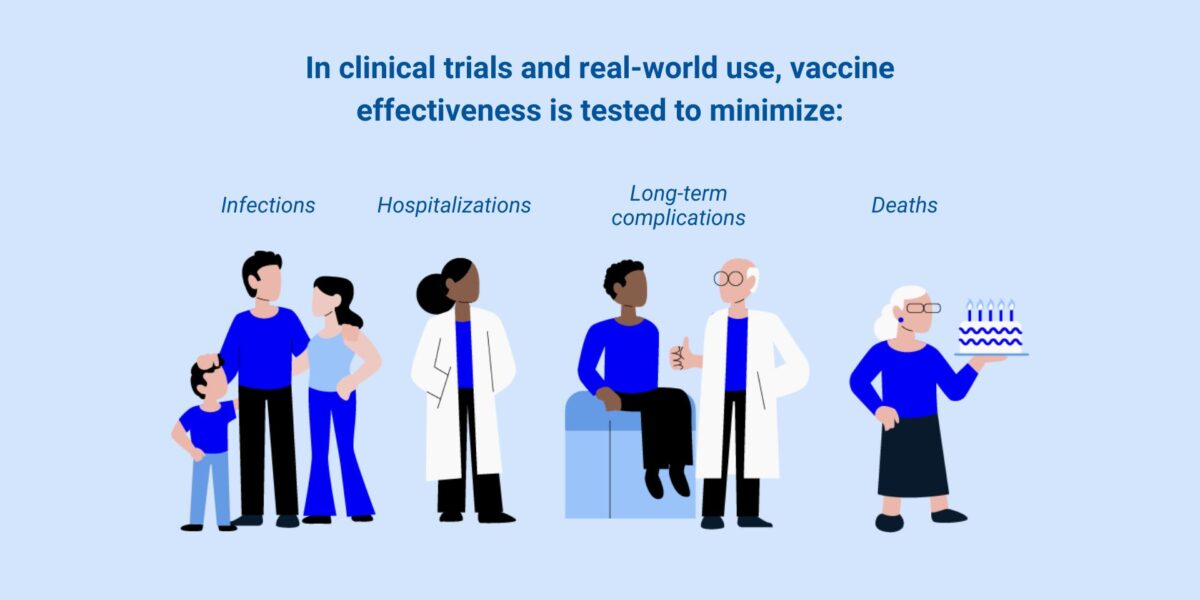
The primary benefits include personal protection against severe illness, hospitalization, and death from infectious diseases. Beyond individual health, vaccines help maintain public health stability and reduce the overall economic burden on families and healthcare systems by preventing outbreaks.
How do vaccines protect the community through herd immunity?
When a high percentage of a population is immunized, the chain of infection is broken. Because the pathogen cannot easily find new susceptible hosts, it stops spreading. This creates a protective "umbrella" for those who cannot be vaccinated due to age or medical conditions, effectively lowering the risk for everyone.
What are the long-term health advantages of vaccination?
Long-term advantages include the prevention of chronic complications related to viral infections, such as shingles-related nerve pain or the various cancers linked to HPV. Additionally, a history of consistent vaccination builds a more resilient immune system that is better prepared for emerging global health threats.
Are vaccines effective at preventing severe complications from diseases?
Yes, vaccines are highly effective at preventing the most dangerous outcomes of disease. For example, while a flu vaccine may not always prevent a mild case of the sniffles, it is exceptionally good at keeping people out of the intensive care unit and preventing secondary bacterial pneumonia.
How do vaccines help strengthen the immune system?
Vaccines act like a training manual for your immune system. They introduce a harmless piece or a blueprint of a pathogen, allowing your white blood cells to practice their defense strategy. This way, if you ever encounter the real virus or bacteria, your body recognizes it immediately and can neutralize it before it causes harm.
Do the benefits of vaccines outweigh the risk of side effects?
For the vast majority of people, the answer is a resounding yes. Most side effects are mild and temporary, such as a sore arm or a low-grade fever. In contrast, the diseases they prevent can lead to permanent disability or death. Medical experts and global health organizations continuously monitor safety data to ensure that the protective value of vaccines far exceeds the risk of adverse reactions.
In 2026, our best defense remains our most prepared one. By staying informed and following the latest immunization schedule guide, you are making a foundational investment in your own wellness and the safety of your community. Next-generation influenza vaccines alone could prevent up to 18 billion cases and save millions of lives in the coming decades. Take the proactive step today to ensure your health architecture is ready for whatever the season brings.