Quick Facts
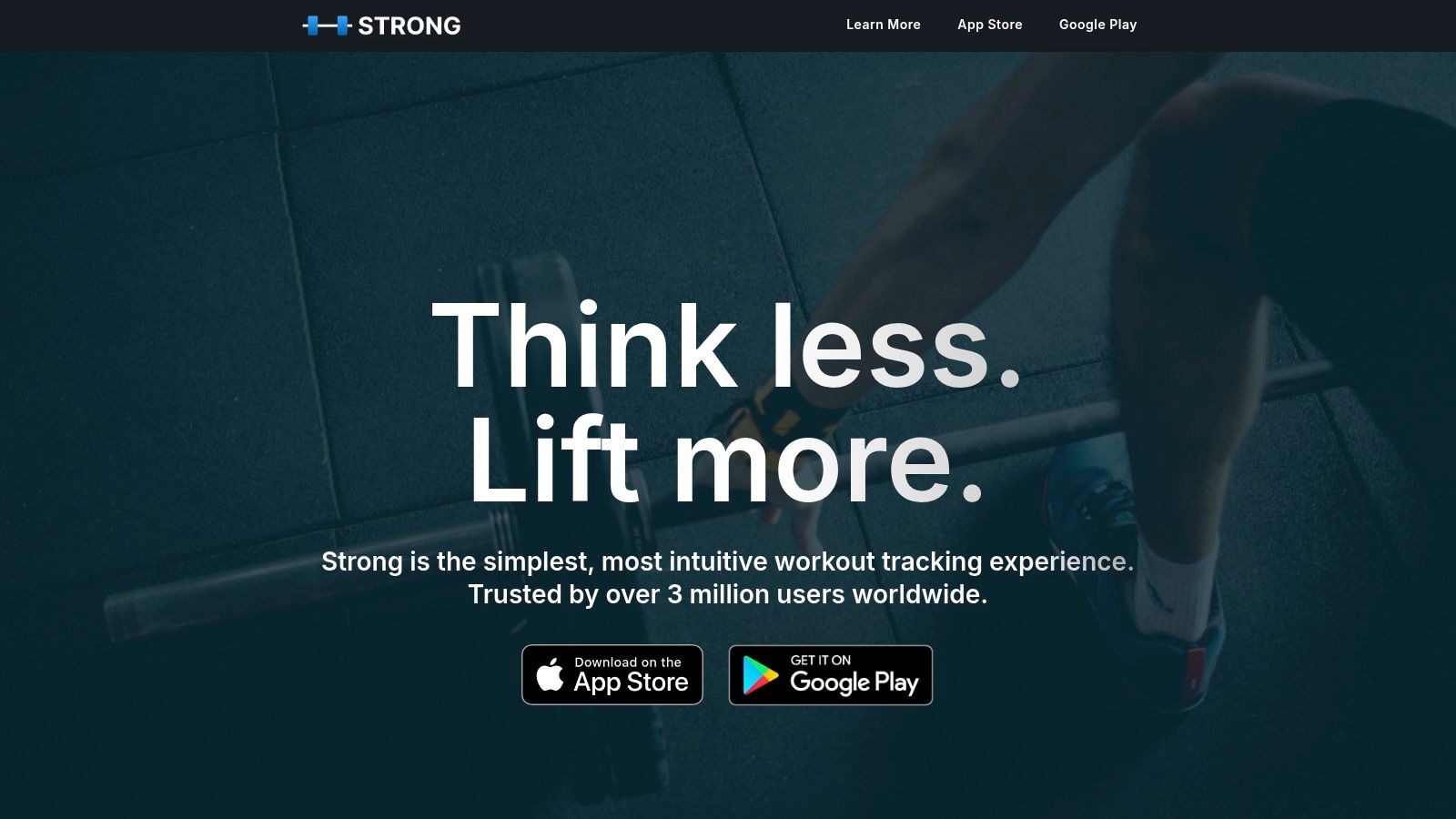
- Low-Friction Habit: Aim to log your training data within 2 minutes of finishing a set to ensure accuracy and consistency.
- Volume Formula: Calculate your workload using the standard formula: Sets x Reps x Load.
- Sync Frequency: Research shows that 70% of wearable device users sync their data daily to analyze performance trends.
- Progressive Overload: Target a 5-15% increase in total weekly training volume every 2 to 4 weeks to maintain growth.
- Recovery Signal: Monitor heart rate variability (HRV) as a primary indicator of central nervous system adaptation and fatigue.
- Proven Success: People using mobile apps or fitness trackers have almost two times the odds of meeting aerobic physical activity guidelines.
To track workout progress effectively, you must maintain a consistent training log recording exercises, sets, repetitions, and the weight used for each session. Monitoring secondary variables such as rest periods, training frequency, and weekly volume helps identify trends in progressive overload. Digital apps or physical journals can be used to compare current performance against historical data, ensuring that intensity increases over time to stimulate muscle hypertrophy and strength gains.

Choosing Your Medium: Comparing Workout Tracking Apps and Paper Logs
The first step in any serious training program is deciding how you will record your data. Consistency is the foundation of any athletic achievement, and the tool you choose should have the least amount of friction possible. I often recommend the 2-Minute Habit: if you can’t record your set in under two minutes, the system is too complex.
In the modern training landscape, technology has become a massive advantage. Statistics indicate that users of fitness trackers are 1.91 times more likely to hit their activity goals compared to those who do not use them. This is likely because 83.3% of users find motivational cues to be the most helpful feature of wearable fitness technology.
However, many advanced lifters still prefer fitness training logs in a physical notebook. A paper log never runs out of battery and allows for quick, free-form notes about how a specific lift felt. When comparing workout tracking apps and paper logs, consider your environment. If you get distracted by social media notifications every time you open your phone, a physical journal is your best bet for staying focused.
| Feature | Digital Apps | Paper Notebooks |
|---|---|---|
| Logging Speed | High (with templates) | Moderate (manual entry) |
| Data Analysis | Automatic charts/graphs | Manual calculation required |
| Cost | Subscription or Free | Low one-time cost |
| Durability | Dependent on battery | High (unless wet) |
Regardless of the medium, the key is to ensure your data is portable. By 2026, many top-tier apps allow for CSV data portability, meaning you can export your entire history if you decide to change platforms.

Measuring Strength Gains and Progressive Overload
If you want to move heavy weight, you need to understand the difference between absolute strength and neurological skill acquisition. When you first start a program, your gains often come from your brain learning how to fire muscles more efficiently, known as central nervous system adaptation. As you become more advanced, measuring strength gains requires more precision.
One of the most effective methods for tracking strength training progress is periodic one-repetition maximum (1RM) testing. This is particularly useful for compound movements like squats, deadlifts, and bench presses. However, testing a true 1RM every week is taxing and can lead to injury. Instead, use estimated 1RM calculators based on your heavy sets of 3 to 5 reps.
Another critical factor in how to measure progressive overload in workouts is tracking your training intensity and rest periods. If you perform the same amount of work but shorten your rest from 3 minutes to 2 minutes, you have technically increased the intensity.
Expert Tip: For pure strength gains, keep your rest periods between 3 and 5 minutes on your main compound movements. This allows your ATP-CP energy system to fully recover so you can maintain high force production in every set.
Evaluating Progress Through Weekly Training Volume and Hypertrophy
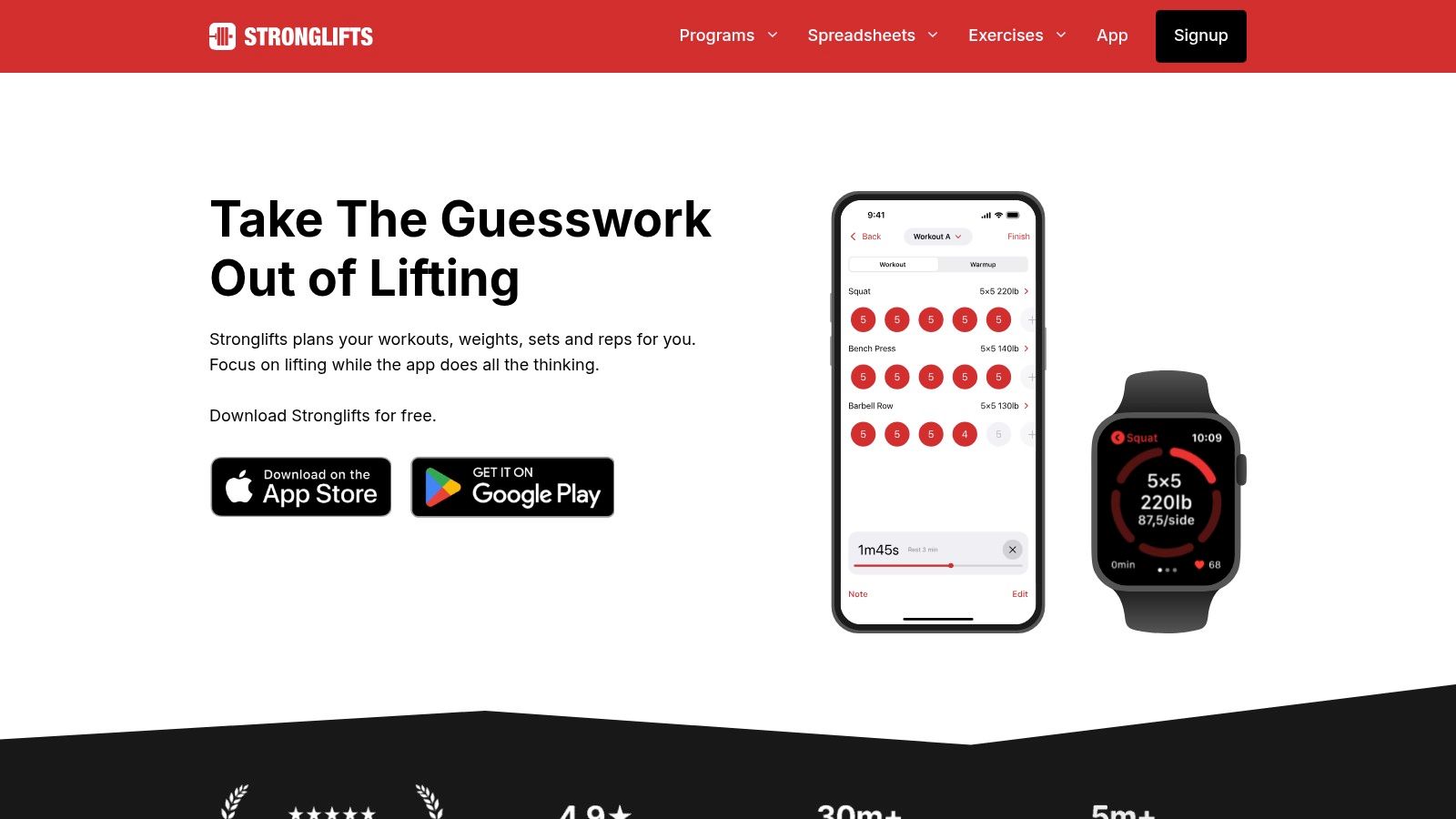
For those focused on aesthetics and muscle hypertrophy, the most important metric is total weekly training volume. This is the sum of all the work you do. If your volume stays stagnant for months, your muscle growth likely will too.
Evaluating progress through weekly training volume allows you to see the "big picture" of your training. You might have a bad day where you can't hit a new personal best on weight, but you can still contribute to your total volume by adding an extra set or a few more repetitions. This ensures the stimulus for growth remains present.
Beyond the numbers in your log, you should be using body measurements to evaluate workout results. The scale is a blunt instrument; it doesn't tell you if weight gain is muscle or fat. Use a soft measuring tape to track the circumference of your chest, arms, thighs, and waist. If your waist stays the same but your chest and arms are growing, you are successfully achieving muscle hypertrophy.
Checklist for a Complete Training Log Entry
- Date and time of session
- Current body weight (recorded weekly)
- Exercises performed in order
- Exact load (weight), sets, and reps for each exercise
- Rest interval duration
- Subjective feel or "Rate of Perceived Exertion" (RPE)
Beyond the Numbers: Monitoring Fatigue and Recovery
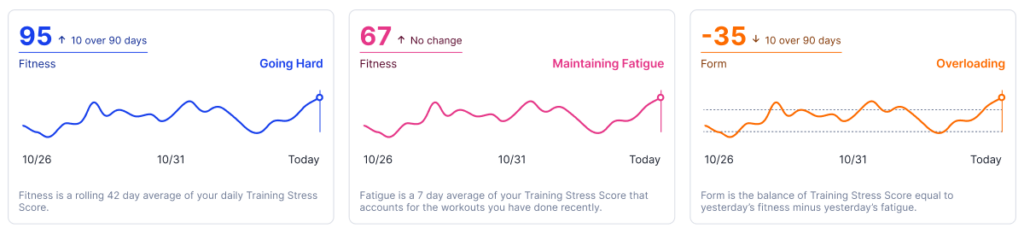
High-performance training is a balance between stress and recovery. If you only track what you do in the gym without monitoring fatigue and sleep for workout recovery, you are only seeing half the story.
Heart rate variability (HRV) has become a gold standard for athletes in 2026. A high HRV usually indicates that your body is recovered and ready for high training intensity. Conversely, a significant drop in HRV often signals that you are overreaching and might need to implement de-load weeks.
You should also track subjective metrics. How is your sleep quality? Are you experiencing excessive muscle soreness (DOMS) that lasts more than 48 hours? These are signals from your body that your periodization cycles might need adjustment. If your performance trends are downward while your fatigue is upward, it’s a clear sign that you are not recovering sufficiently.

The Plateau Protocol: Data-Driven Decision Making
Eventually, everyone hits a wall. This is where evaluating workout results objectively becomes your greatest weapon. When you have months of data, you can look back and see what was happening the last time you made a major breakthrough.
Use an "If-Then" logic framework to manage your progress:
- If your strength in a specific lift hasn't increased in three consecutive sessions, then decrease the weight by 10% and focus on explosive tempo for one week (a mini-deload).
- If your RPE (Rate of Perceived Exertion) is consistently a 6 or 7 on your "heavy" days, then you are not lifting heavy enough and should increase the load by 2-5%.
- If you feel lethargic and your HRV is low for three days straight, then skip your accessory work and focus entirely on sleep and nutrition for 48 hours.
The goal of having a system to track workout progress is to remove the guesswork. When you stop "feeling" your way through a workout and start "executing" based on data, your results will become predictable and sustainable.
FAQ
What is the best way to track workout progress?
The most effective way is to keep a consistent log of your exercises, sets, repetitions, and the weight used. Combining this with a recovery metric like heart rate variability (HRV) provides a complete picture of your fitness journey.
How often should I record my fitness results?
You should record the specifics of every single workout immediately after completing your sets. For body measurements and weight, once a week is usually sufficient to identify long-term trends without getting distracted by daily fluctuations.
What metrics are most important for tracking muscle growth?
Total weekly training volume (sets x reps x load) is the primary driver of muscle hypertrophy. Additionally, tracking body measurements and taking monthly progress photos provides visual and physical evidence of muscle development.
Is it better to use a fitness app or a paper journal?
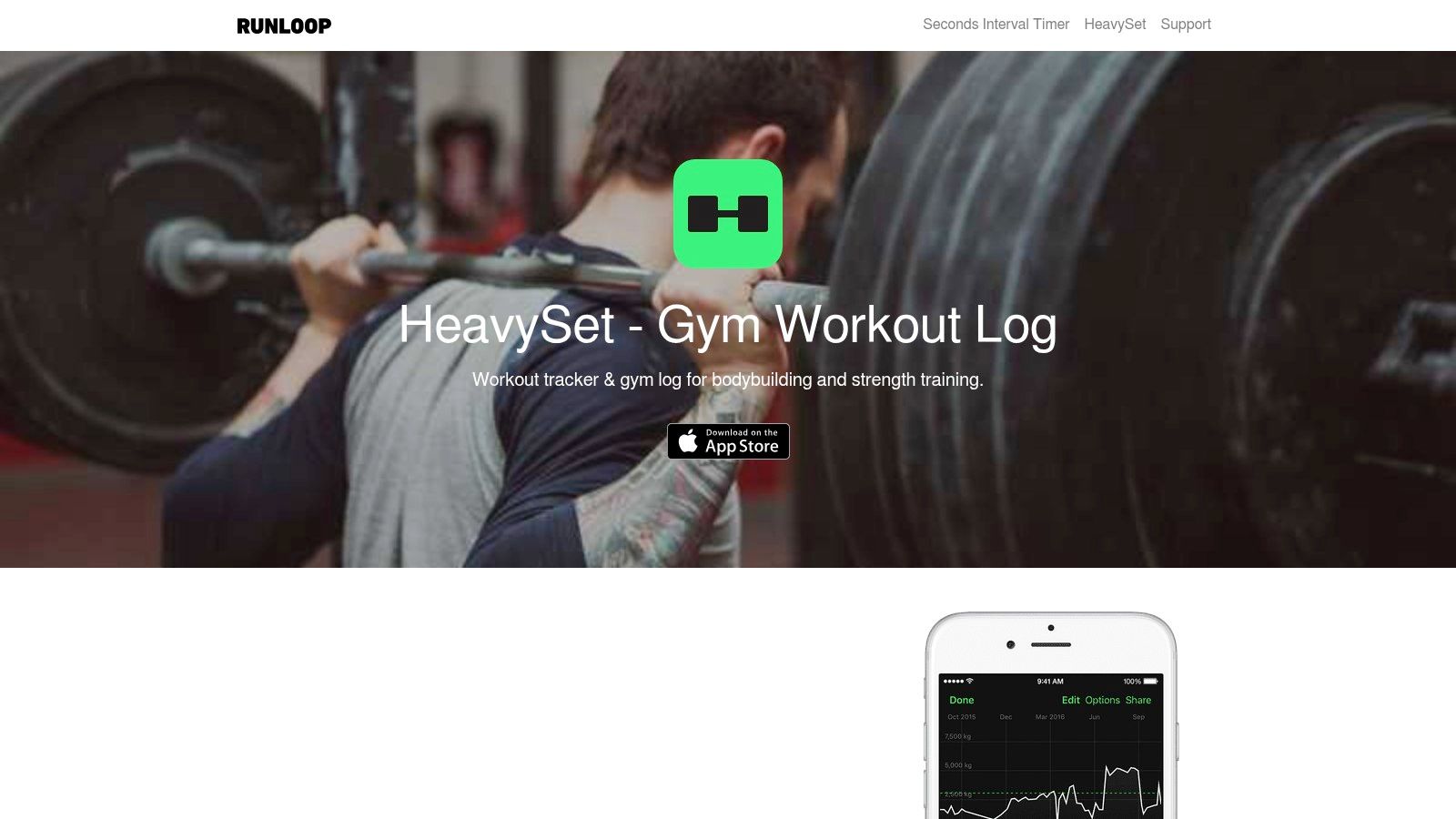
It depends on your personal preference. Apps are better for data visualization and automatic calculations, while paper journals are excellent for minimizing digital distractions in the gym and providing a tactile record of your work.
How can I track my progress without using a scale?
Focus on performance-based metrics like increases in strength or endurance. You can also use "the mirror test," progress photos, and how your clothes fit to gauge changes in body composition without relying on body weight.