Quick Facts
- Common Trigger: Studies show that 60% to 70% of migraine patients experience headaches upon waking, often including morning eye pain.
- The Alarm Clock Effect: Specifically localized cluster headaches are known to awaken sufferers in the early morning hours with intense pain behind one eye.
- The Sinus Myth: While many attribute morning eye pressure relief needs to sinuses, nearly 90% of self-diagnosed sinus headaches are actually migraines.
- Sleep Apnea Link: The prevalence of morning headaches and ocular discomfort after sleep rises to 33.6% among individuals diagnosed with obstructive sleep apnea.
- Emergency Sign: Seeing rainbow-colored halos around lights upon waking is a major warning sign of acute glaucoma and requires immediate care.
- Simple Prevention: Elevating the head during sleep and maintaining hydration are two of the most effective holistic strategies for reducing waking ocular pressure.
Morning eye pain and associated headaches often result from underlying issues like sinusitis, seasonal allergies, or ocular strain from late-night screen use. Conditions such as dry eye syndrome, meibomian gland dysfunction, and cluster headaches can also trigger discomfort upon waking. In some cases, increased intraocular pressure or sleep-related factors like sleep apnea and poor sleeping positions contribute to this pressurized sensation. To achieve morning eye pressure relief, maintain proper hydration, limit blue light exposure before bed, and use lubricating eye drops to manage dryness.
The Biological Bridge: Why Eyes and Headaches Collide
Understanding why you wake up with morning eye pain requires looking at the complex relationship between your ocular system and your cranial nerves. At the center of this connection is the Trigeminal nerve. This nerve is the primary sensory pathway for both the face and the eye. When the eyes are strained or dry, the Trigeminal nerve can become sensitized, sending pain signals that the brain interprets as a headache.
This connection is heavily influenced by your circadian rhythm. As you transition from sleep to wakefulness, your body undergoes a surge in cortisol and changes in blood pressure. If your system is already predisposed to migraines or tension, this morning transition acts as a catalyst. Furthermore, the act of lying flat, known as recumbency, causes a shift in intracranial fluid. For individuals sensitive to pressure changes, this shift can lead to a heavy, pressurized feeling behind the eyes by the time the sun rises.
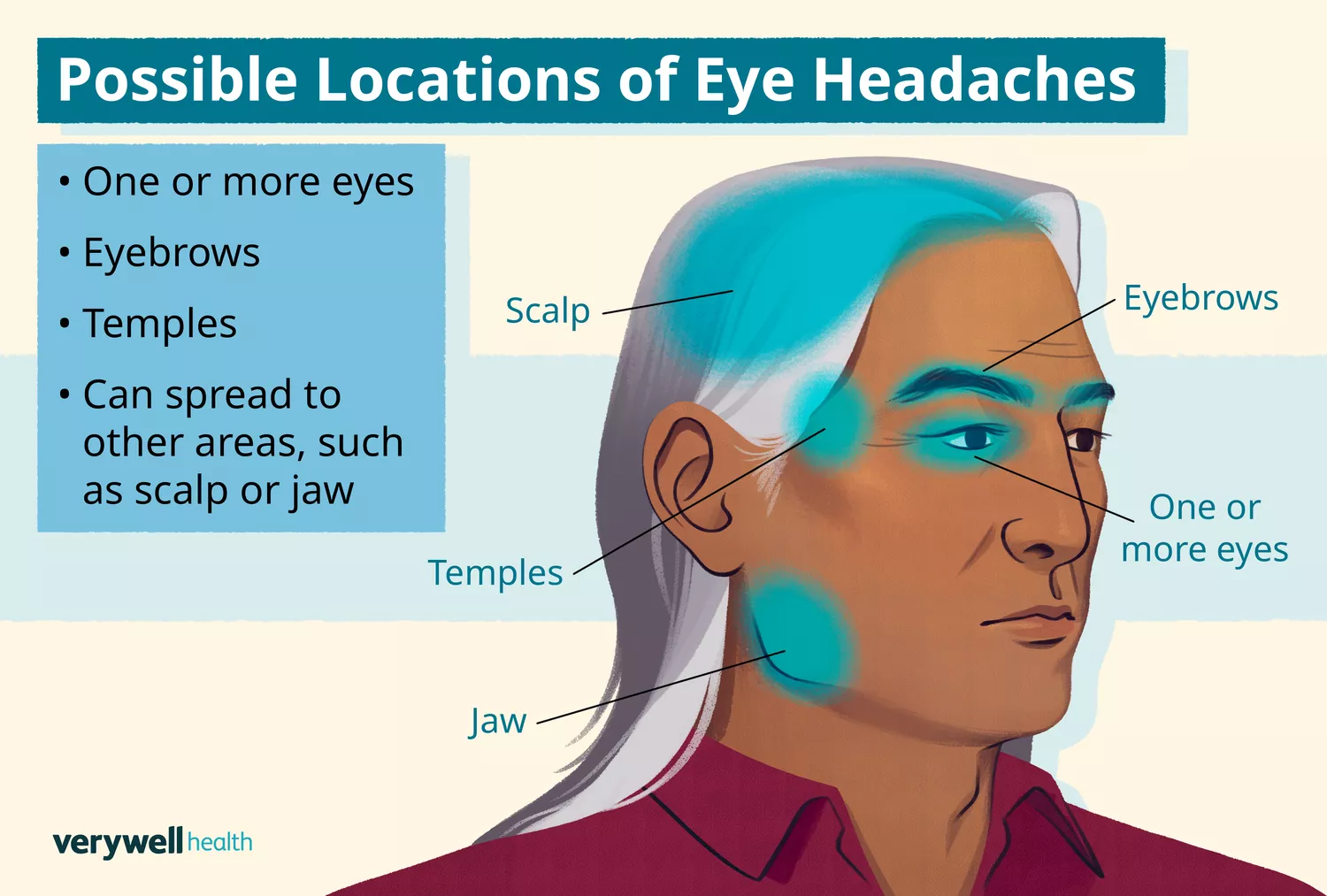
The health of your optic nerve health is also tied to how your body manages these fluid shifts overnight. While intraocular pressure naturally fluctuates during sleep, certain individuals experience higher peaks that result in significant eye strain morning headaches. By identifying whether the pain is localized to the globe of the eye or feels like a band tightening around the head, we can begin to bridge the gap between simple fatigue and clinical conditions.
Primary Headache Disorders: The Alarm Clock Pain
When morning eye pain is sharp, sudden, and seemingly timed to your wake-up call, it often points toward primary headache disorders. One of the most distinct is the cluster headache. Often called alarm clock headaches, these episodes typically strike between 2 am and 4 am. The pain is usually excruciating and strictly one-sided, focused directly behind or around one eye.
Migraines are another frequent culprit. Unlike a standard tension headache, a morning migraine often presents with photophobia, or extreme sensitivity to light, and can make the simple act of opening your eyes in a bright room feel physically painful. The physiological triggers for these morning episodes are varied, but they often involve a dip in serotonin levels or a reaction to the naturally occurring changes in your breathing patterns during REM sleep.
Holistic Tip: If you experience sharp ocular pain that wakes you up at the same time every night, keep a "pain diary" for one week. Tracking the exact time and any associated symptoms like tearing or nasal congestion can be invaluable for your specialist during a consultation.
Secondary Causes: From Dry Eyes to Sleep Apnea
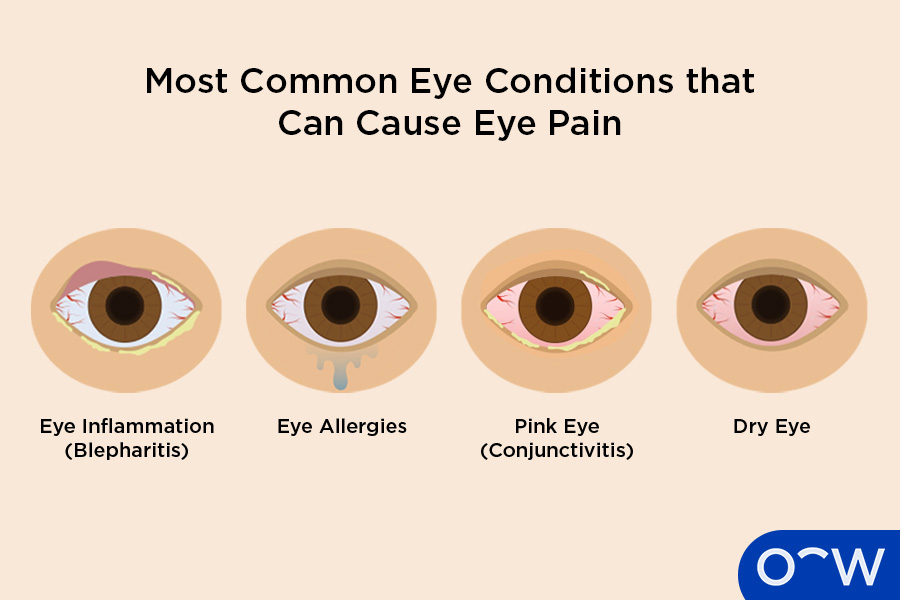
Not all causes of morning eye pain are neurological. Many people experience ocular discomfort after sleep due to the physical environment of the eye or systemic health issues. Dry eye syndrome is perhaps the most common reason for that gritty, burning sensation upon first opening your lids. During sleep, if the eyelids do not close completely—a condition called nocturnal lagophthalmos—the surface of the eye dehydrates, leading to a sharp stinging sensation and a secondary headache.
There is also a significant link between dry eyes and morning headaches. When the corneal surface is chronically dry, it creates a constant state of low-level inflammation. This inflammation can trigger the same Trigeminal pathways mentioned earlier, resulting in a dull ache that lingers for hours after you have started your day. This is often exacerbated by meibomian gland dysfunction, where the oil-producing glands in the eyelids fail to coat the eye properly, leading to rapid tear evaporation.
Waking up with sinus pressure in eyes and forehead is another frequent complaint, though it is often misunderstood. While true sinusitis can cause this, many people find that their "sinus" pain is actually a result of sleep apnea. When breathing is interrupted during the night, oxygen levels drop and carbon dioxide levels rise, causing blood vessels in the brain and around the eyes to dilate. This vasodilation leads to a distinct, pressurized headache that is most intense upon waking.

Red Flags: When Morning Pressure is an Emergency
While most morning eye pain can be managed with lifestyle adjustments, there are certain warning signs of glaucoma morning eye pressure that must never be ignored. Acute angle-closure glaucoma can cause a rapid spike in intraocular pressure, leading to severe eye pain, nausea, and blurred vision. If you wake up and see rainbow halos around lights or feel a "stony" hardness to the eyeball itself, seek emergency care immediately.
Other red flags include:
- Sudden loss of vision or significant blurring that does not clear with blinking.
- Double vision that persists after you are fully awake.
- Intense, localized redness in only one eye accompanied by deep, boring pain.
- Pain that worsens specifically when moving the eyes in different directions.
In some cases, morning ocular pressure can be linked to orbital inflammation or Grave’s disease, where the tissues behind the eye become swollen. Monitoring your optic nerve health through regular exams is the only way to ensure that these morning symptoms aren't the first signs of long-term vision damage.

Prevention and Relief: Optimizing Your Sleep Hygiene
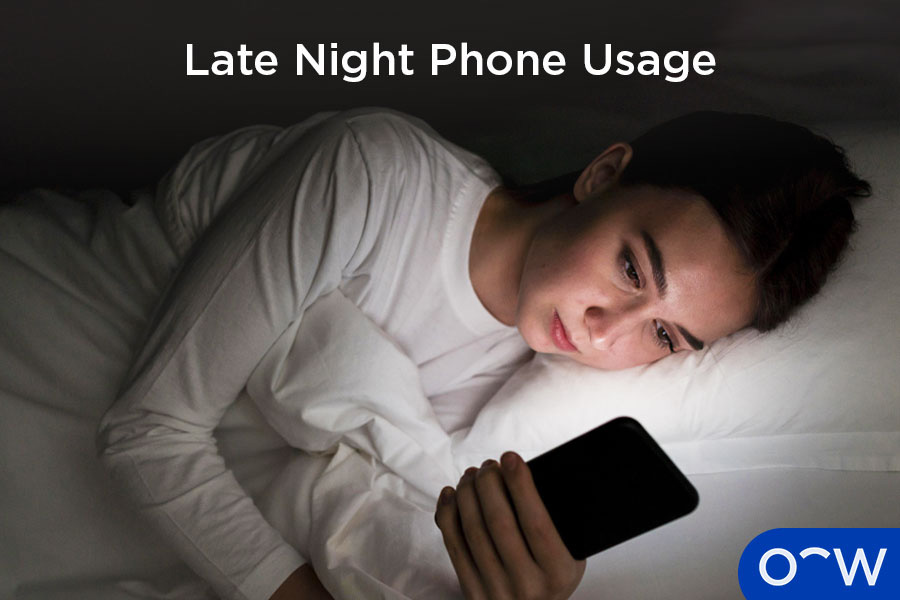
Achieving morning eye pressure relief often starts with the habits you cultivate before your head even hits the pillow. In our modern world, preventing morning eye strain from late night screen use is one of the most effective preventive measures. The high-energy blue light emitted by phones and tablets doesn't just disrupt your circadian rhythm; it also reduces your blink rate, leading to significant overnight dryness.
Implementing the 20-20-20 rule during the day and switching to blue light filters in the evening can significantly lower the burden on your eyes. Additionally, your sleep environment matters. If you suffer from seasonal allergies, using an air purifier in the bedroom can prevent the histamine response that leads to itchy, painful eyes in the morning.
How sleep position affects morning eye pain is another factor that is frequently overlooked. If you wake up with a feeling of "fullness" or pressure in your eyes, try sleeping with your head slightly elevated using an extra pillow. This encourages fluid drainage and prevents the buildup of intracranial pressure. Finally, the use of lubricating eye drops—specifically preservative-free ointments before bed—can create a protective barrier that keeps the eyes hydrated throughout the night.
Specialist Triage: Who Should You See?
Navigating the healthcare system when you have overlapping symptoms can be confusing. Use the following guide to determine which specialist is best equipped to handle your specific type of morning eye pain.
| Symptom Pattern | Primary Specialist | Key Goal |
|---|---|---|
| Pain is inside the eye, accompanied by redness or blurred vision | Ophthalmologist | Evaluate intraocular pressure and corneal health |
| Pain is behind the eye, one-sided, or follows a cyclical pattern | Neurologist | Investigate migraine triggers or cluster headaches |
| Pain is associated with snoring, daytime fatigue, or gasping at night | Sleep Specialist | Screen for sleep apnea and oxygen saturation issues |
| Pain feels like pressure in the forehead and cheeks with congestion | Primary Care / ENT | Treat underlying sinusitis or seasonal allergies |
If your symptoms are persistent, an ophthalmologist consultation should be your first priority. They can perform a comprehensive exam to rule out high-risk conditions like glaucoma and provide personalized recommendations for meibomian gland dysfunction or dry eye relief.

FAQ
Why do my eyes hurt when I first wake up?
Most often, this is due to dry eye syndrome where the tear film evaporates overnight, or it may be a result of fluid pressure shifts that occur when lying flat. It can also be a symptom of a morning migraine or eye strain from the previous day's screen use.
What causes sharp eye pain upon waking?
Sharp, stabbing pain is frequently linked to cluster headaches or a corneal abrasion caused by extreme dryness. If the pain is accompanied by redness, it might also indicate an inflammatory condition like scleritis or a reaction to an allergen in your bedding.
Is morning eye pain a sign of dry eye syndrome?
Yes, it is one of the hallmark symptoms. When you sleep, your tear production slows down. If your eyes don't stay perfectly sealed or if you have poor oil quality in your tears, the surface of the eye becomes irritated, leading to pain when you first open your lids.
How do I get rid of eye pain in the morning?
Start by using preservative-free lubricating eye drops and applying a warm compress over your closed lids for five minutes. Ensure you are staying hydrated and try sleeping with your head elevated to reduce pressure.
When is morning eye pain a medical emergency?
It becomes an emergency if you experience sudden vision loss, see halos around lights, have severe nausea accompanying the pain, or if the eye feels physically hard to the touch. These can be signs of acute glaucoma or serious orbital infection.
Can allergies make your eyes hurt specifically in the morning?
Absolutely. Allergens like dust mites or pet dander in your pillows and mattress can trigger an inflammatory response overnight. This leads to morning puffiness, redness, and a localized aching sensation as your body reacts to the irritants while you sleep.
Closing Thoughts
Your eyes are a window into your overall health, and morning eye pain is often a signal that some part of your daily routine—or your biological system—is out of balance. Whether it is as simple as switching to a more supportive sleep position or as complex as managing a neurological headache disorder, paying attention to these early-day symptoms is a vital part of preventive care. By combining medical insights with consistent lifestyle adjustments, you can move away from painful wake-up calls and toward a more refreshed, comfortable start to your day.