Quick Facts
- Status: FDA-cleared as a clinical-grade, self-fitting OTC hearing aid for adults.
- Target Audience: Designed specifically for adults 18 and older with mild to moderate hearing loss.
- Key Requirements: Requires AirPods Pro 2 (USB-C or Lightning) and a device running iOS 18.1 or later.
- Clinical Accuracy: Features a hearing test where 86.5% of results match traditional professional audiometry.
- Battery Performance: Provides approximately 6 hours of active hearing assistance on a single charge.
- Core Benefit: Leverages the H2 chip to provide real-time amplification and background noise suppression.
Apple has transformed the AirPods Pro 2 into a clinical-grade tool. With FDA clearance and the power of the H2 chip, it now serves as an over-the-counter (OTC) hearing aid for millions. To set up the AirPods Pro 2 hearing aid feature, ensure your device is updated to iOS 18.1; users must complete a clinical-grade hearing test within the Health app or upload an audiogram to create a custom sound profile.
The Technology: How the H2 Chip Enables Hearing Assistance
When we talk about longevity and men’s health, we often focus on the heart or the joints, but hearing is a critical pillar of cognitive health. Untreated hearing loss is a known risk factor for social isolation and cognitive decline. The shift of the AirPods Pro 2 from a music accessory to a health device is powered by H2 chip performance. This silicon is capable of processing sound at 48,000 times per second, allowing it to distinguish between the sounds you want to hear and the noise you don't.
One of the most effective Apple OTC hearing aid features is the way it manages sound frequencies. Think of it like a musical arrangement involving a tuba and a piccolo. If you have high-frequency hearing loss—common in aging—the deep, booming "tuba" sounds of background traffic or a hum can easily drown out the high-pitched "piccolo" sounds of human speech. Traditional noise cancellation simply blocks the tuba. However, the H2 chip uses Conversation Boost technology and Active Noise Cancellation (ANC) together. It suppresses the low-frequency "tuba" of the room while selectively amplifying the "piccolo" of the person sitting across from you.
Furthermore, background noise suppression in these earbuds is not a blunt instrument. It is an intelligent filter. The device samples the environment and applies a custom gain curve based on your specific hearing needs. This real-time adjustment ensures that the amplification is focused on the speech frequencies where you need help the most, rather than just making everything louder, which is a common complaint with cheaper, non-regulated sound amplifiers.
Step-by-Step: AirPods Pro 2 Hearing Test Setup
Before you can use the earbuds as a medical tool, you must establish a baseline. Apple uses a process called clinical-grade audiometry that you can perform in the comfort of your home. This removes the barrier of needing an initial office visit for those with mild concerns.
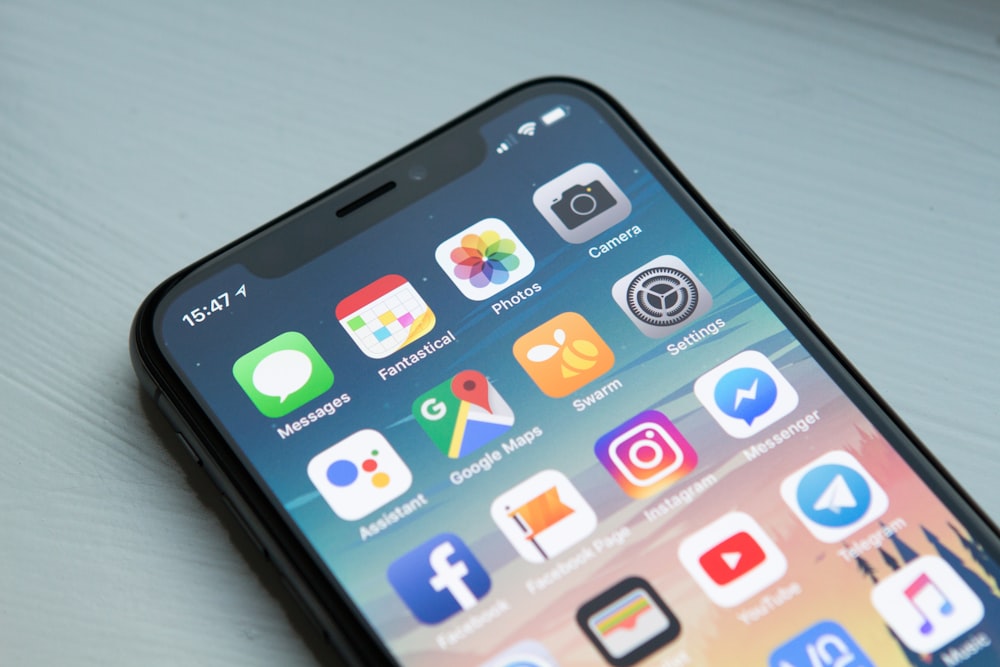
To get started with the AirPods Pro 2 hearing test setup, follow these steps:
- Update Your Software: Ensure your iPhone or iPad is running iOS 18.1 or later and your AirPods Pro 2 have the latest firmware.
- Find a Quiet Space: Environmental noise can skew results. Find a room with minimal background hum.
- Open the Health App: Navigate to the Hearing section. You will see an option to "Take a Hearing Test."
- Complete the Pure-Tone Test: The app will play a series of tones at different frequencies and volumes. You simply tap the screen when you hear a sound.
- Review Your Results: The app will categorize your hearing as "Little to No Loss," "Mild," or "Moderate."
- Activate Hearing Aid Mode: If the test detects loss, you can choose to enable the hearing aid feature. This will automatically apply your custom sound profile to your environment, media, and phone calls.
- Alternative - Uploading Audiogram: If you have recently seen a specialist, you can use the option for uploading audiogram to airpods pro for custom hearing profile. This allows you to bypass the in-app test using professional data.
Once finished, the custom profile lives on the earbuds themselves. This means even if you switch your AirPods to your Mac or Apple TV, the hearing compensation remains active.
Comparison: AirPods Pro 2 vs. OTC and Prescription Hearing Aids
As a health editor, I often look at the "Professional Support Gap." For many men, the jump from noticing a slight struggle in conversation to spending $5,000 on medical devices is too steep. This is where the AirPods Pro 2 hearing aid bridges the gap. The US Food and Drug Administration (FDA) authorized this feature to address the needs of the estimated 30 million American adults who suffer from mild to moderate hearing loss.

In a clinical study involving 118 subjects, it was found that those using the self-fitting software achieved a perceived benefit similar to subjects who received a professional fitting of the same device. This is a massive win for accessibility. However, we must look at the technical trade-offs in this hearing aid vs AirPods Pro comparison.
| Feature | AirPods Pro 2 | OTC Hearing Aids | Prescription Hearing Aids |
|---|---|---|---|
| Price | $249 | $500 - $1,500 | $2,000 - $6,000+ |
| Setup | Self-fitted via iOS | Self-fitted or App | Professional Audiologist |
| Battery Life | ~6 Hours | 16 - 24 Hours | 24+ Hours or Disposable |
| Severe Loss | No | No | Yes |
| Support | Apple Support | Manufacturer Docs | In-person clinical care |
While the airpods pro 2 vs otc hearing aids price comparison is clearly in Apple’s favor, there is a clinical gap analysis to consider. Prescription devices are often custom-molded to your ear canal, which prevents "whistling" (feedback) and allows for higher levels of amplification. Medical-grade aids also excel at amplifying frequencies above 3000Hz with high precision, which is essential for certain types of age-related hearing loss known as presbycusis management.
For those looking at airpods pro 2 vs prescription hearing aids for seniors, the lack of an audiologist consultation is a factor. A professional doesn't just fit a device; they check for earwax impaction, middle ear infections, or other underlying medical conditions that a software-based test might miss.
Practical Realities: Battery Life and Social Signaling
If you are considering these for daily use, you need to understand the practical limitations. The most significant hurdle is the battery life. While traditional hearing aids are designed to be put in at 7:00 AM and taken out at 10:00 PM, AirPods will require a recharge after about 6 hours of use in hearing aid mode. This makes them ideal for specific situational needs—like a business lunch, a movie, or a family dinner—rather than all-day wear.
There is also the matter of social signaling. In a restaurant, wearing AirPods usually signals "I am on a call" or "I am listening to music," which can be perceived as rude or dismissive to the person you are with. Dedicated hearing aids are designed to be discreet or even invisible. However, for a younger generation, the "cool factor" of AirPods may actually reduce the stigma of wearing a hearing device.
Comfort is another factor. Most people experience "ear fatigue" after about 90 minutes of having silicone tips wedged in their ear canal. In contrast, medical hearing aids often use open-fit domes that allow for natural airflow, making them much more comfortable for 12-hour stretches.
Who This Is NOT For
- Severe or Profound Loss: The AirPods Pro 2 are not designed to provide the high-output gain required for significant hearing impairment.
- Under 18: The FDA clearance is strictly for adults. Children's hearing loss requires specialized pediatric care.
- Sudden Loss: If you experience a sudden drop in hearing in one or both ears, do not use a self-fitting device. Seek immediate medical attention from an ENT or audiologist.
- AirPods Pro 2 hearing aid limitations for severe hearing loss: If you cannot hear a loud conversation in a quiet room, these will not be sufficient.
FAQ
Are AirPods Pro 2 FDA-approved for hearing loss?
Yes, the AirPods Pro 2 are FDA-cleared as an over-the-counter (OTC) hearing aid. This clearance specifically covers the self-fitting hearing aid software feature intended for adults with mild to moderate hearing loss. This means the device has met specific clinical standards for safety and effectiveness in that category.
How do you turn on the hearing aid feature on AirPods Pro 2?
To activate the feature, you must first complete the hearing test in the Health app on an iPhone running iOS 18.1. Once the test is complete and a loss is detected, you will be prompted to "Set Up Hearing Aid." You can then toggle this on or off through the Control Center by tapping the ear icon or within the AirPods settings menu.
Can AirPods Pro 2 be used for severe hearing loss?
No, the AirPods Pro 2 are not suitable for individuals with severe or profound hearing loss. These conditions require specialized prescription hearing aids that can provide much higher levels of sound amplification and professional fitting by an audiologist to ensure safety and clarity.
How long is the battery life when using AirPods as hearing aids?
When used actively as a hearing aid with clinical-grade processing, the battery life is approximately 6 hours on a single charge. While the charging case provides additional power for multiple recharges, the 6-hour limit means they are better suited for situational assistance rather than all-day, continuous use.
Are AirPods Pro 2 better than over-the-counter hearing aids?
Better is subjective. In terms of value and ecosystem integration, they are excellent. A clinical study showed that 86.5% of tested hearing thresholds on the AirPods were within 10 decibels of professional results, making them very accurate. However, dedicated OTC aids often have better battery life and a more discreet form factor for long-term wear.
The Bottom Line
The airpods pro 2 hearing aid suitability for mild hearing loss is a game-changer for men’s preventive health. By lowering the cost of entry and removing the clinical stigma, Apple is making it easier to stay engaged in conversations and maintain brain health. While they won't replace a professional audiologist for those with complex needs, they are a powerful, research-backed tool for those starting to notice the "muffled" sounds of life.
If you have been leaning in closer or asking people to repeat themselves, your next step is simple: check your iOS settings for the update and take the test. Your long-term cognitive vitality may depend on it.